Child Development Through Te Whāriki
Understanding holistic development from birth to school entry Early Childhood Education Level 4 People Potential - Whangarei
Learning Objectives
Understand the seven dimensions of development in Te Whāriki Identify developmental milestones across age groups (0-18 months, 1-3 years, 2.5-5 years) Explain factors influencing individual development rates Analyze how ECE environments support holistic development Describe language and literacy development strategies
Te Whāriki Foundation
"Te Whāriki affirms the significance of the early years of life and the importance of respectful, responsive relationships for optimal learning and development."
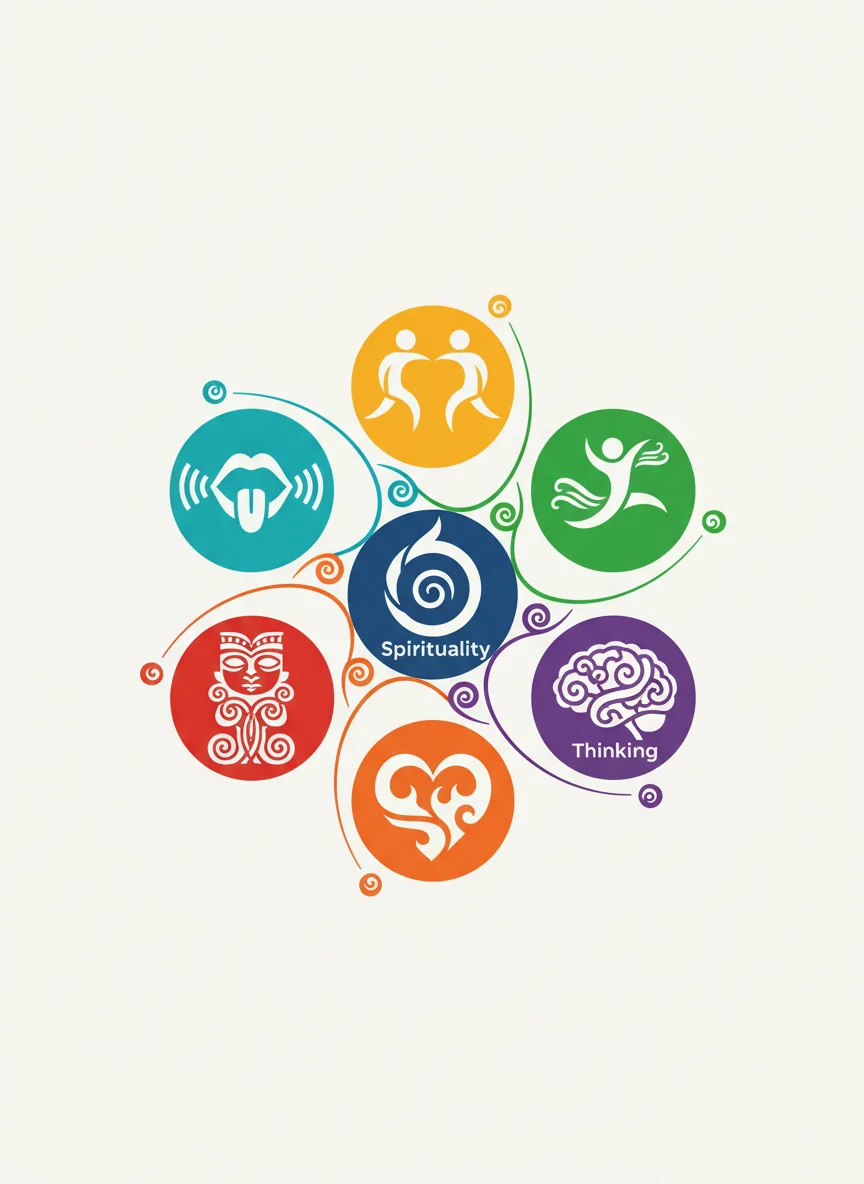
The Seven Dimensions of Development
Taha Tinana - Physical wellbeing Whanaungatanga - Social connections Whatu Manawa - Emotional wellbeing Hinengaro - Cognitive development Wairuatanga - Spiritual development Tikanga Matatika - Cultural identity Mana Reo - Language and communication
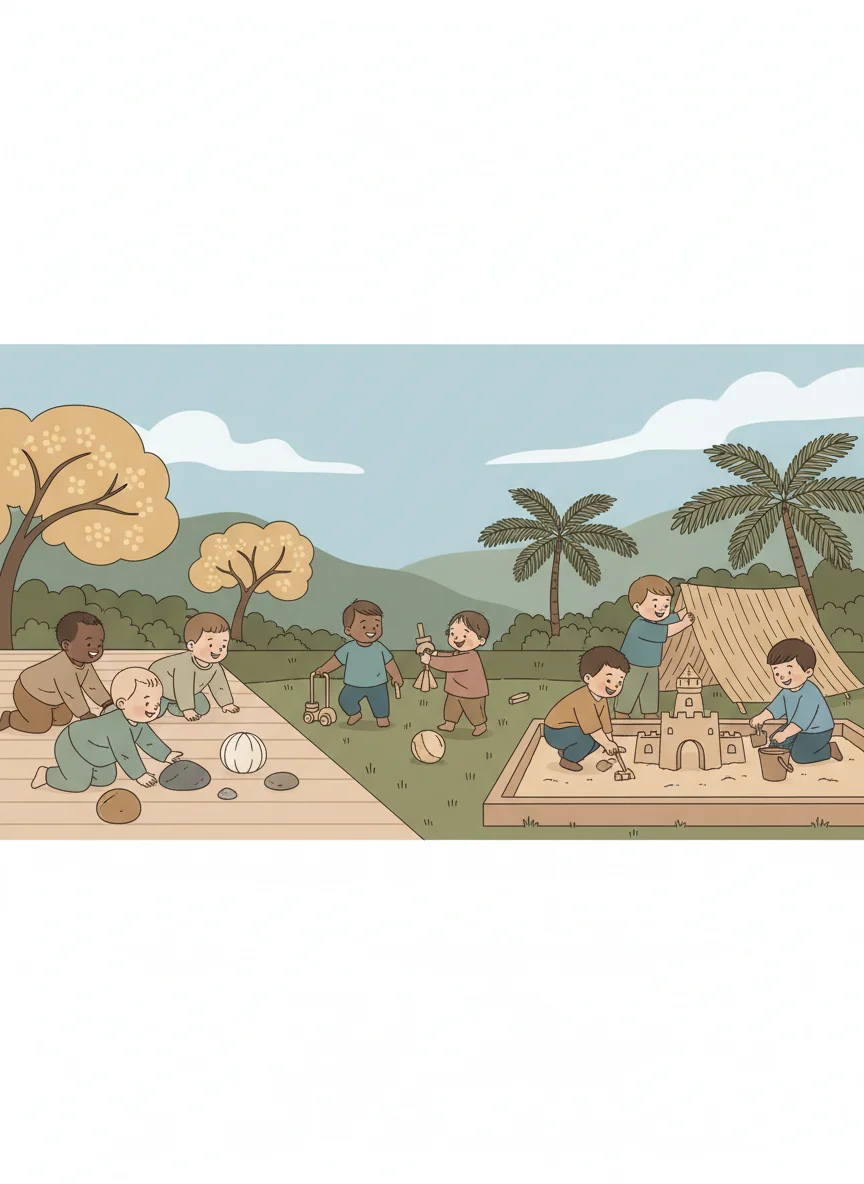
Age Groups in Te Whāriki
Infants: Birth to 18 months Toddlers: 1 to 3 years (overlapping) Young Children: 2.5 to 5 years (overlapping) Development is continuous, not rigid stages Individual variation is normal and expected
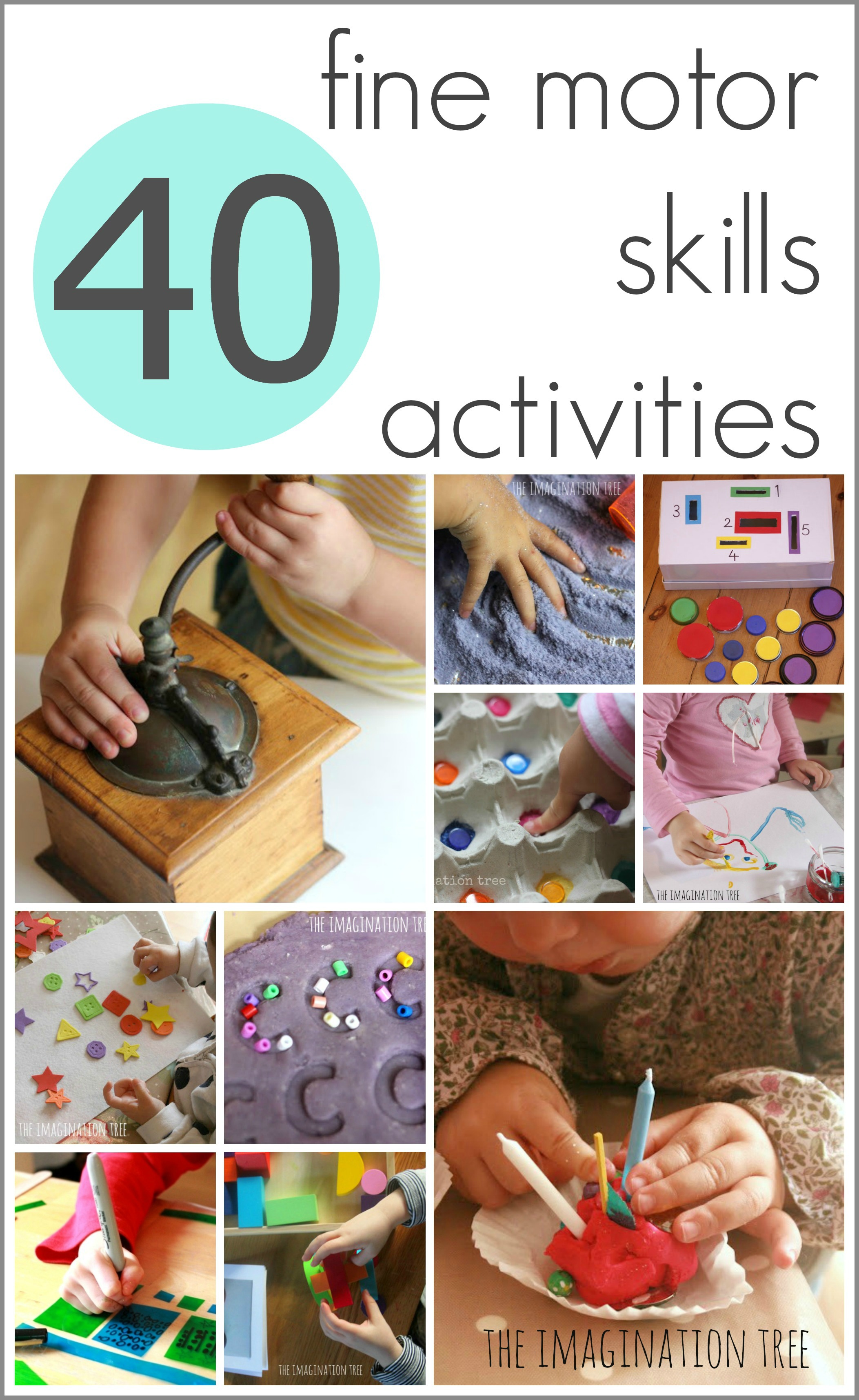
Taha Tinana - Physical Development
Gross motor skills (large muscle movements) Fine motor skills (small muscle control) Sensory development and body awareness Health and safety understanding Physical confidence and competence
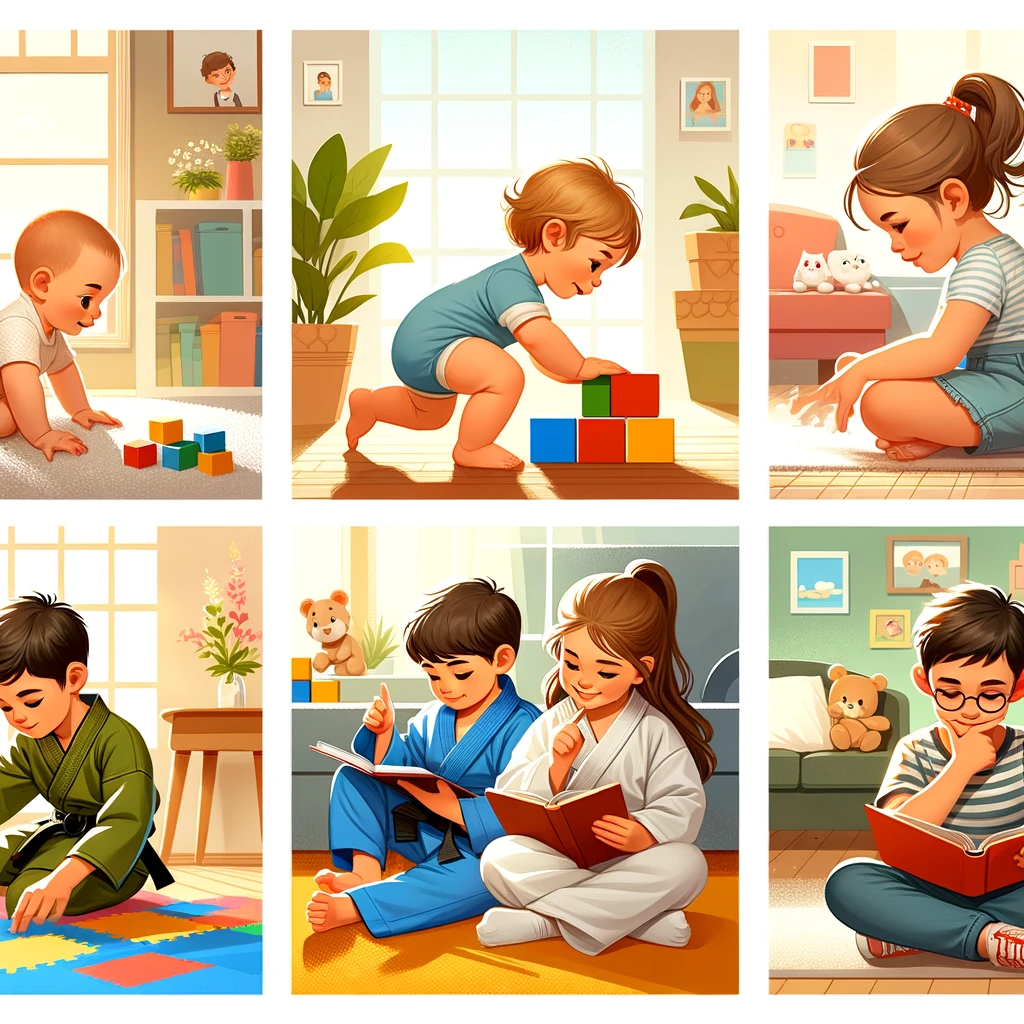
Physical Development by Age
{"left":"INFANTS (0-18 months): Rolling, sitting, crawling, walking, grasping objects, exploring through senses\nTODDLERS (1-3 years): Running, climbing, jumping, scribbling, stacking blocks, toilet learning","right":"YOUNG CHILDREN (2.5-5 years): Pedaling bikes, catching balls, cutting with scissors, drawing recognizable shapes, dressing independently"}
Whanaungatanga - Social Development
Building relationships with others Understanding social rules and expectations Developing empathy and caring Learning to share and cooperate Sense of belonging to groups
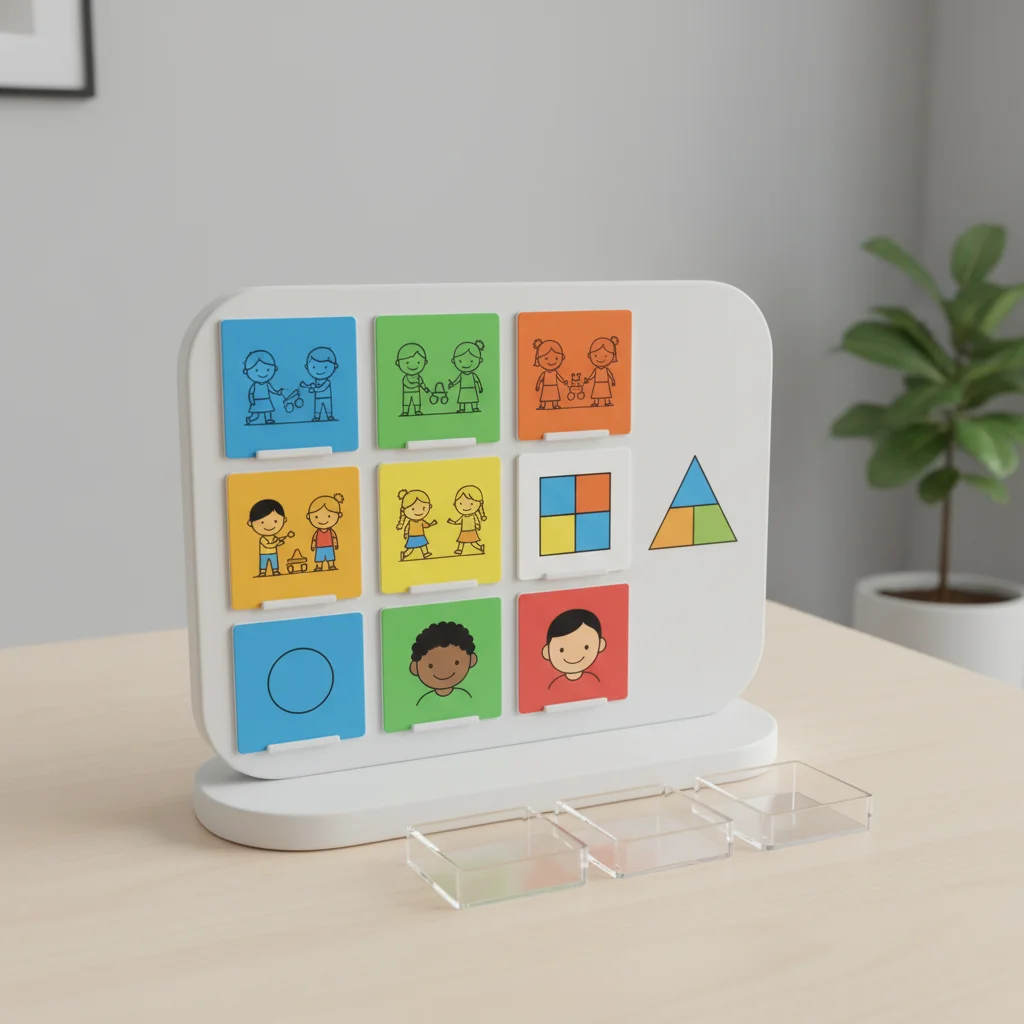
Social Development Milestones Activity
Match the social behavior to the correct age group Parallel play (playing alongside others) Cooperative play with rules Stranger anxiety Sharing toys willingly Understanding turn-taking
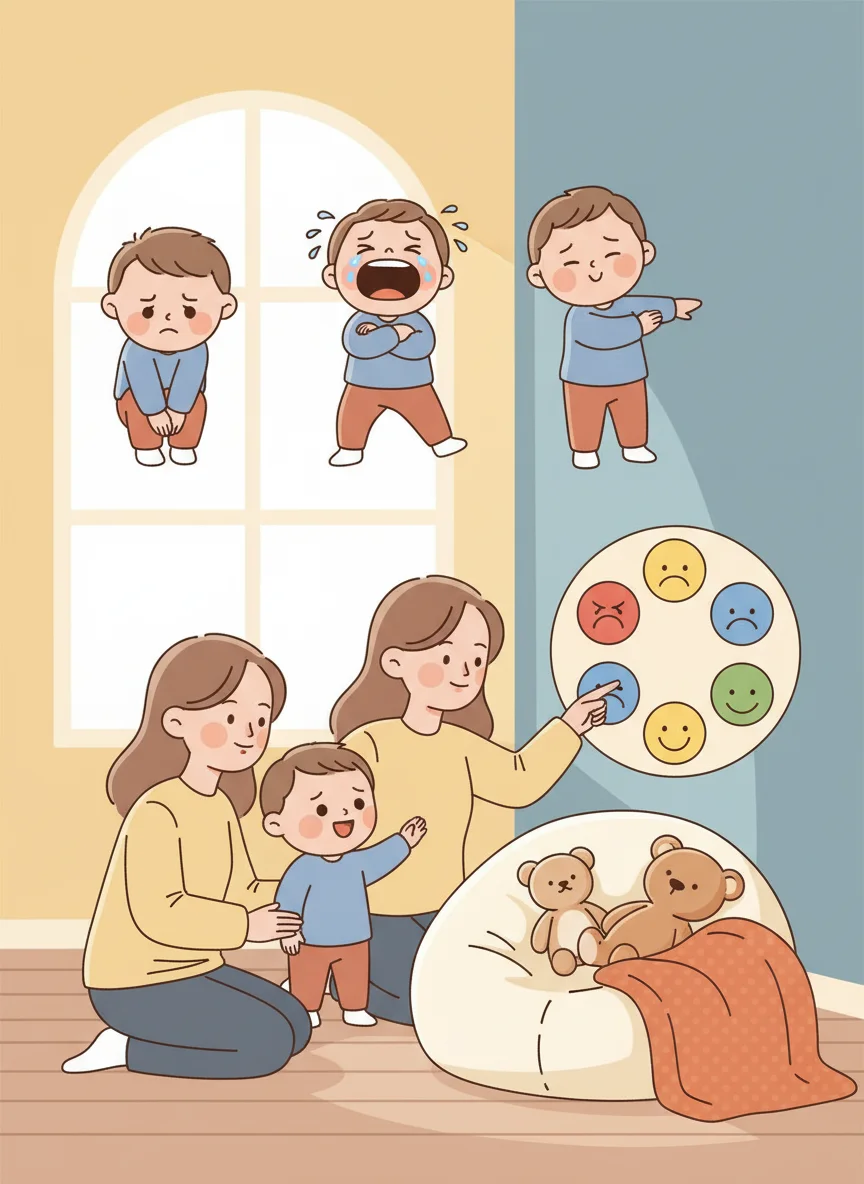
Whatu Manawa - Emotional Development
Recognizing and expressing emotions Developing emotional regulation skills Building resilience and coping strategies Forming secure attachments Understanding others' emotions (empathy)
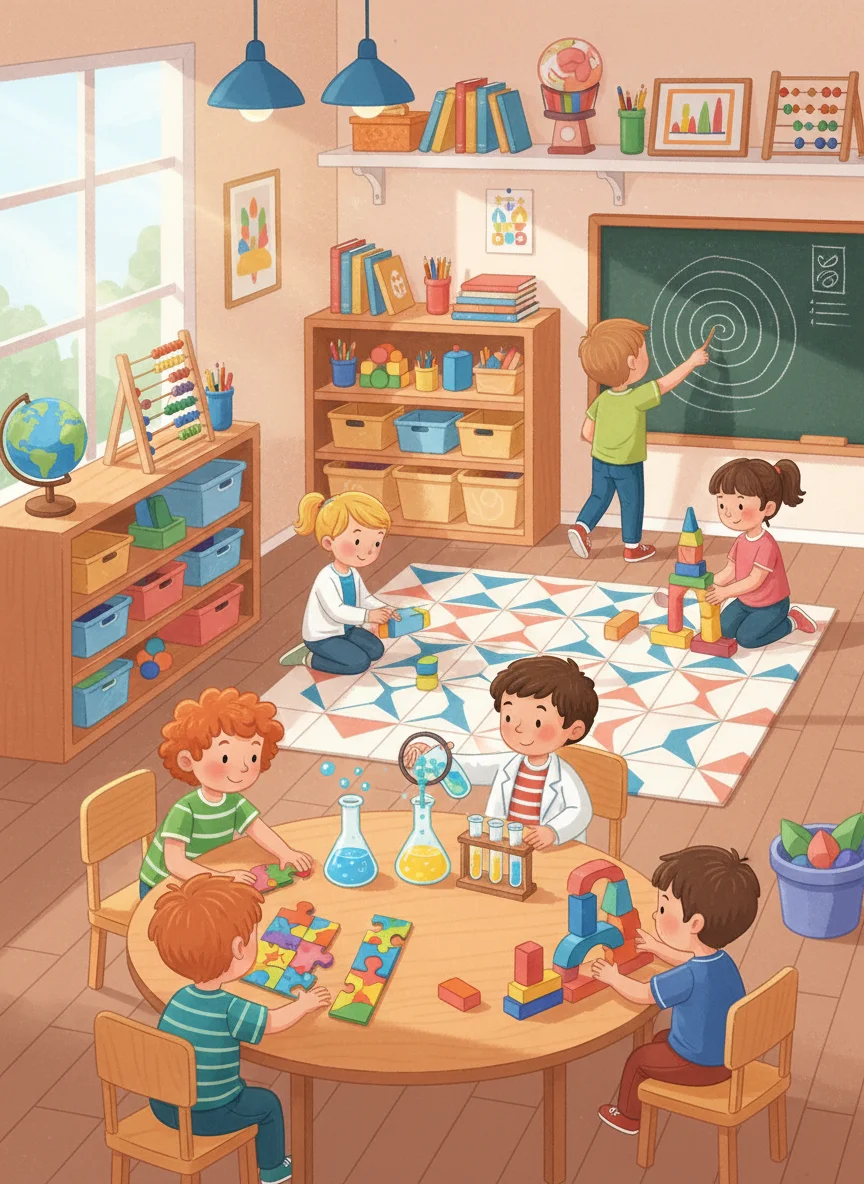
Hinengaro - Cognitive Development
Problem-solving and critical thinking Memory and attention development Understanding concepts (numbers, letters, patterns) Curiosity and exploration Making connections and meaning
Reflection Question
How might a child's cultural background influence their cognitive development? Consider: learning styles, family values, communication patterns, and knowledge systems
21 more slides available after you open the deck.
Download all 33 slides