Chloroplasts: Powerhouses of Photosynthesis
Year 12 Biology Understanding Plant Cell Energy Production WALT: Explore the structure and function of chloroplasts

Learning Objectives & Success Criteria
WALT: Describe the structure of chloroplasts and their role in photosynthesis Success Criteria - All students: Identify chloroplast parts Success Criteria - Most students: Explain photosynthesis process Success Criteria - Some students: Analyze energy conversion efficiency Dyslexia support: Visual diagrams and audio explanations available

Plant Cell Overview

What Are Chloroplasts?
Double-membrane organelles found in plant cells Contain chlorophyll - the green pigment Site of photosynthesis in plants Evolved from ancient cyanobacteria Can move within cells to optimize light capture

Chloroplast Structure
{"left":"Outer membrane - controls entry and exit\nInner membrane - selective barrier\nStroma - fluid-filled space containing enzymes","right":"Thylakoids - flattened sacs containing chlorophyll\nGrana - stacks of thylakoids\nChlorophyll - green pigment that captures light"}

Chloroplast Structure Activity
Draw and label a chloroplast diagram Use colored pencils - green for chlorophyll areas Include: outer membrane, inner membrane, stroma, thylakoids, grana Extension: Add chemical equations for photosynthesis Peer review with success criteria checklist

The Photosynthesis Process
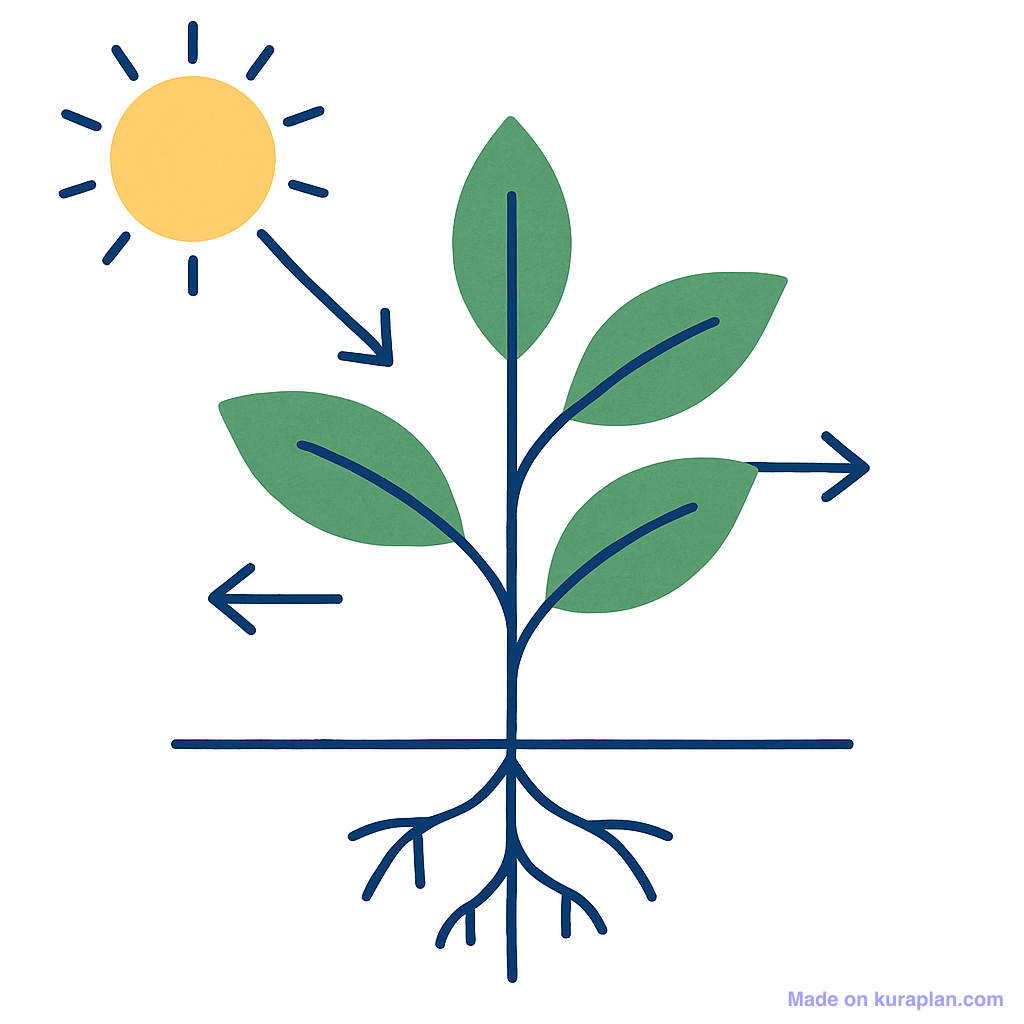
Light reactions occur in thylakoids Dark reactions (Calvin cycle) occur in stroma Converts light energy to chemical energy (glucose) Produces oxygen as a byproduct Equation: 6CO₂ + 6H₂O + light energy → C₆H₁₂O₆ + 6O₂

Think-Pair-Share Question
Why are chloroplasts called the 'powerhouses' of plant cells? Discuss with a partner for 2 minutes Consider: energy production, food creation, oxygen release Be ready to share your ideas with the class

Chloroplasts vs Mitochondria
Both are energy-converting organelles Chloroplasts: capture light energy, make glucose Mitochondria: break down glucose, release energy Chloroplasts: found only in plants and algae Mitochondria: found in all eukaryotic cells Together they form the energy cycle of life

Summary & Real-World Applications
Chloroplasts are essential for life on Earth All food chains depend on photosynthesis Oxygen in atmosphere comes from photosynthesis Climate change affects chloroplast efficiency Biotechnology uses chloroplast research Next lesson: Factors affecting photosynthesis rate
More Biology / Science slide decks
Other ready-to-teach biology / science decks for New Zealand classrooms.


Free Photosynthesis images
Drop these illustrations straight into your lesson.