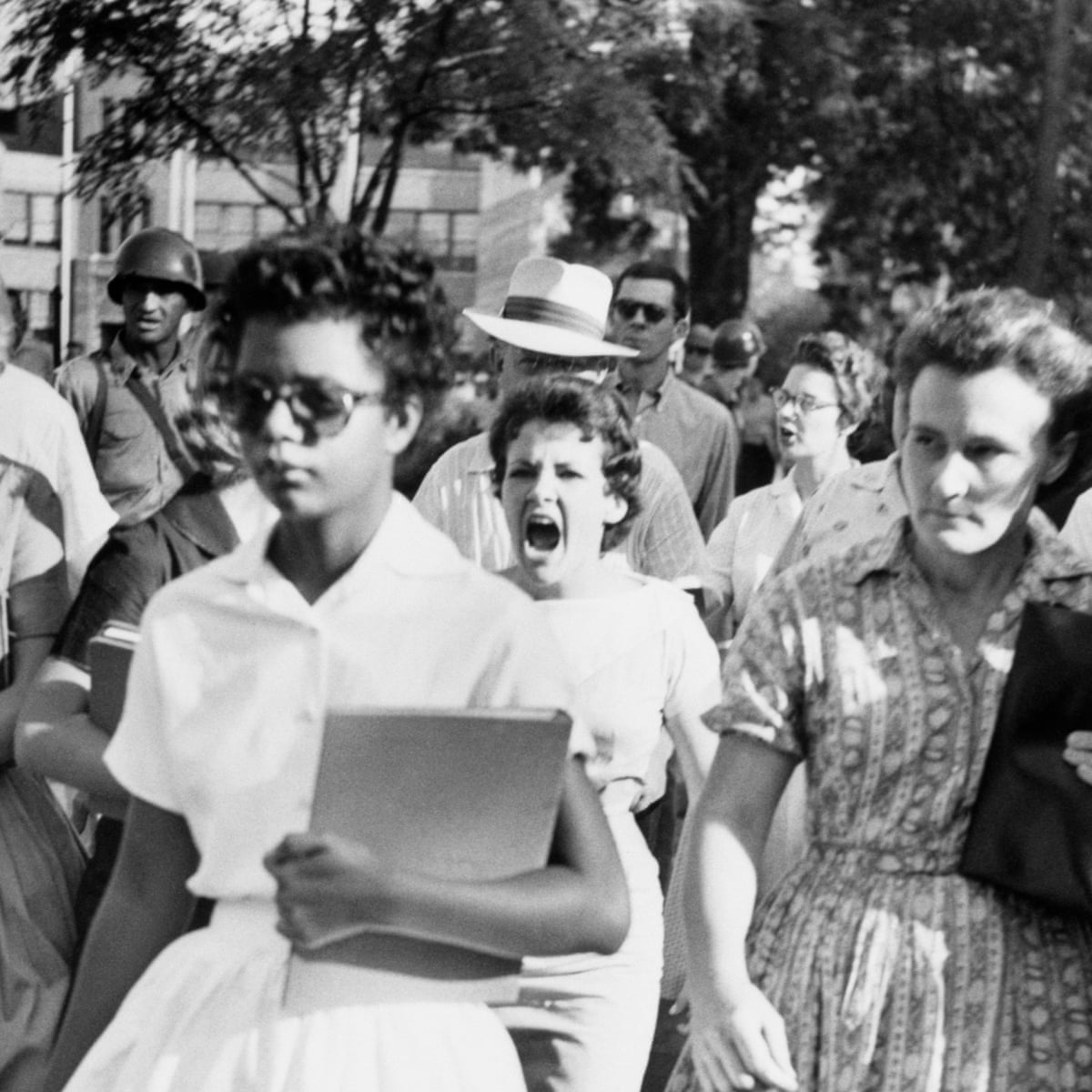
Civil Rights: Brown vs. Board & Redlining
Year 11 History Understanding Segregation and Systemic Racism From Montgomery to Educational Equality
Learning Intentions & Success Criteria
LI: We are learning to analyze how Brown v. Board and redlining practices shaped American society SC: I can explain the 'separate but equal' doctrine and its impact SC: I can describe how redlining created lasting economic inequality SC: I can evaluate whether systemic racism is learned or inherent behavior

Hook Question: What Makes Education 'Equal'?
Think about your own school experience What resources, opportunities, and support do you have? How might your education be different in another school?

Context: Post-Montgomery Bus Boycott
December 1956: Bus segregation ruled unconstitutional Civil rights activists gained momentum and confidence Focus shifted to other areas of segregation Education became the next major battleground

The Segregated South: 1950s Timeline
I Do: Understanding 'Separate but Equal'
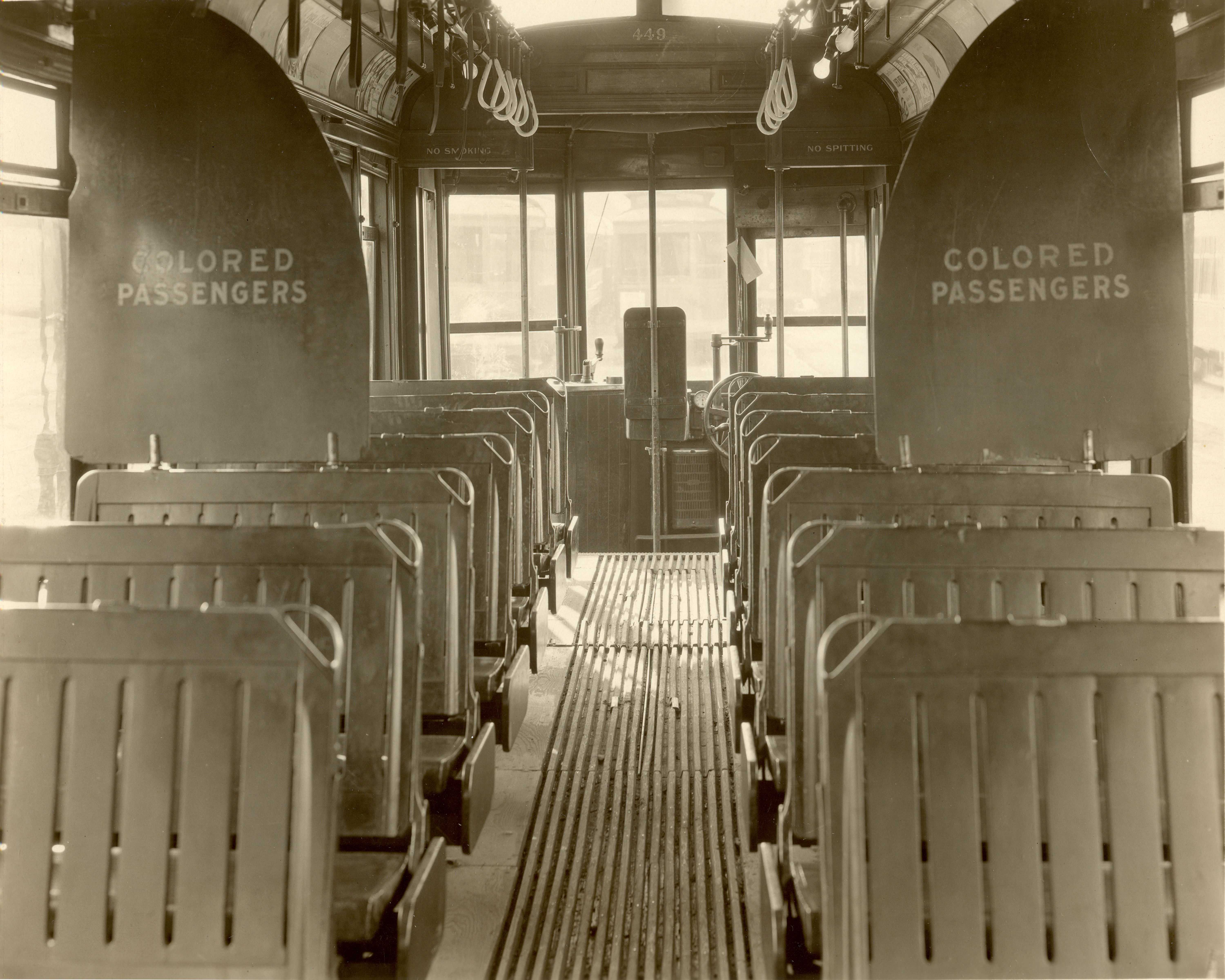
Plessy v. Ferguson (1896) established legal segregation Facilities for blacks and whites could be separate if 'equal' In reality, black facilities were vastly inferior Applied to schools, restaurants, transportation, housing
We Do: Analyzing Segregated Schools
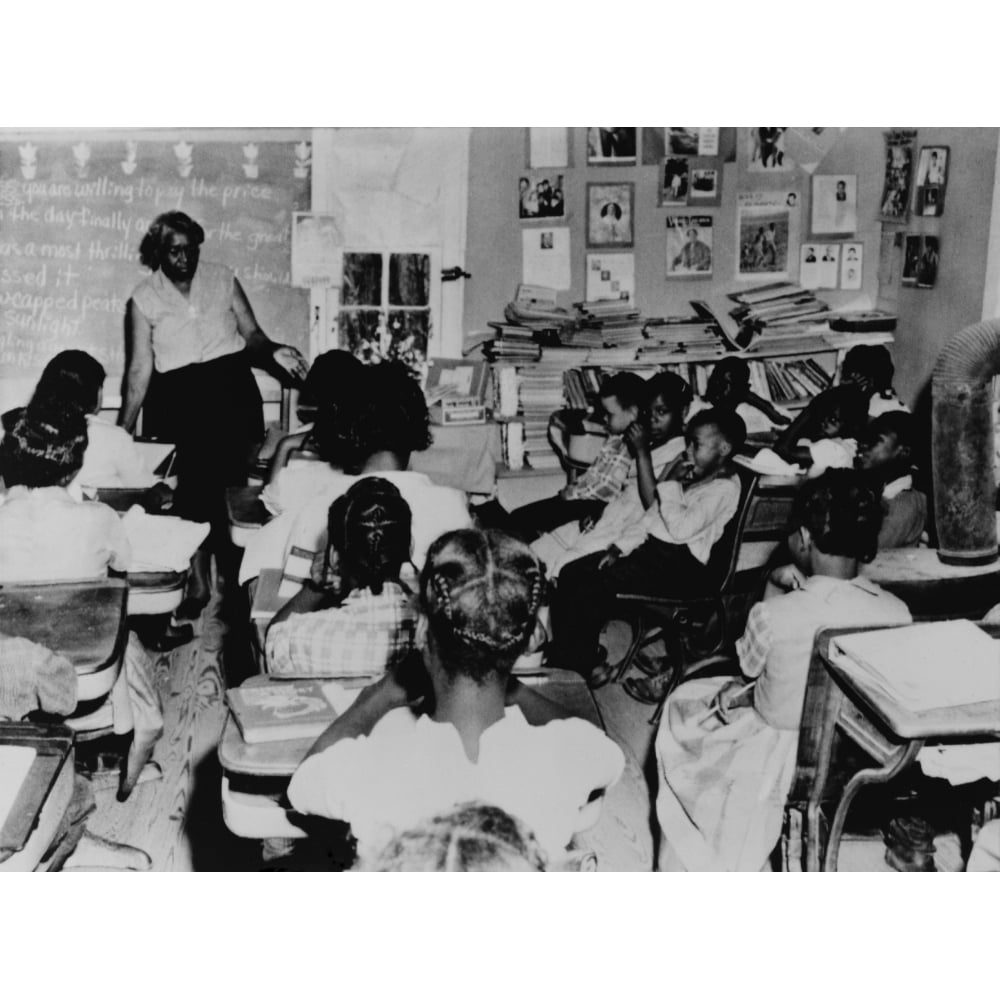
Work in pairs to examine these statistics: White schools: $179 per student annually Black schools: $43 per student annually Discuss: How does this funding difference affect education quality?
/https://tf-cmsv2-smithsonianmag-media.s3.amazonaws.com/filer/ff/de/ffde142a-63db-45fa-935f-e1e10401fb3d/gettyimages-515585588.png)
Meet the Plaintiffs: The Brown Families
Oliver Brown (Topeka, Kansas) - wanted daughter Linda to attend nearby white school Combined with cases from South Carolina, Virginia, Delaware Represented by NAACP Legal Defense Fund Led by Thurgood Marshall (future Supreme Court Justice)

The Legal Arguments
{"left":"NAACP Argument: Segregation violates 14th Amendment Equal Protection Clause\nSeparate schools are inherently unequal\nSegregation causes psychological damage to black children","right":"School boards' defense: Separate but equal is constitutional\nLocal communities should decide education policy\nNo evidence that segregation harms children"}
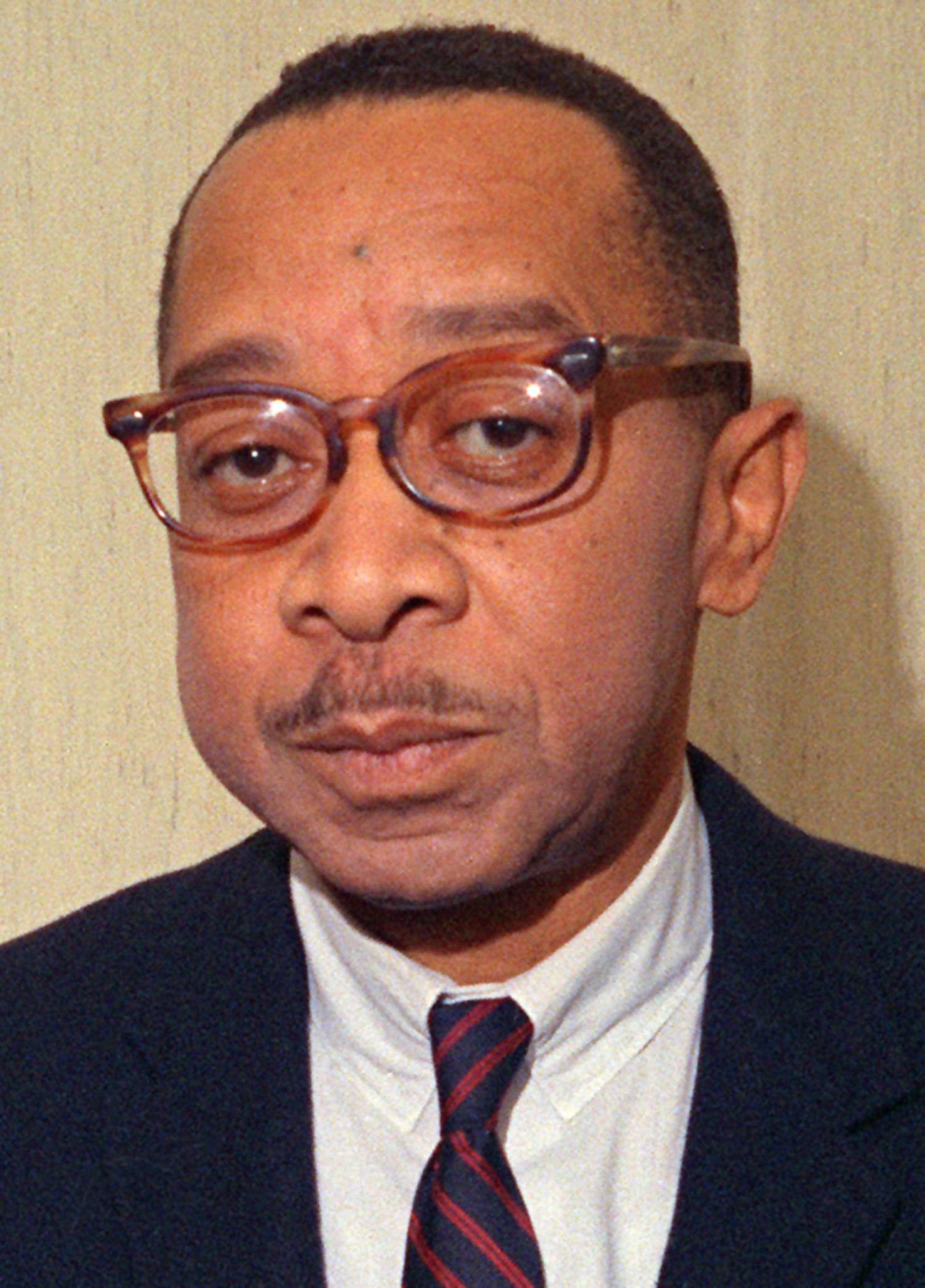
The Doll Test: Psychological Evidence
Dr. Kenneth Clark's famous experiment Black children aged 3-7 given black and white dolls Asked which doll was 'nice' and which they preferred Most chose white dolls, showing internalized racism
Critical Thinking: Nature vs. Nurture
The doll test showed children had learned racial preferences Were these children born with racial bias? Or did society teach them these attitudes? What does this tell us about the source of racism?

May 17, 1954: The Decision
18 more slides available after you open the deck.
Download all 30 slides