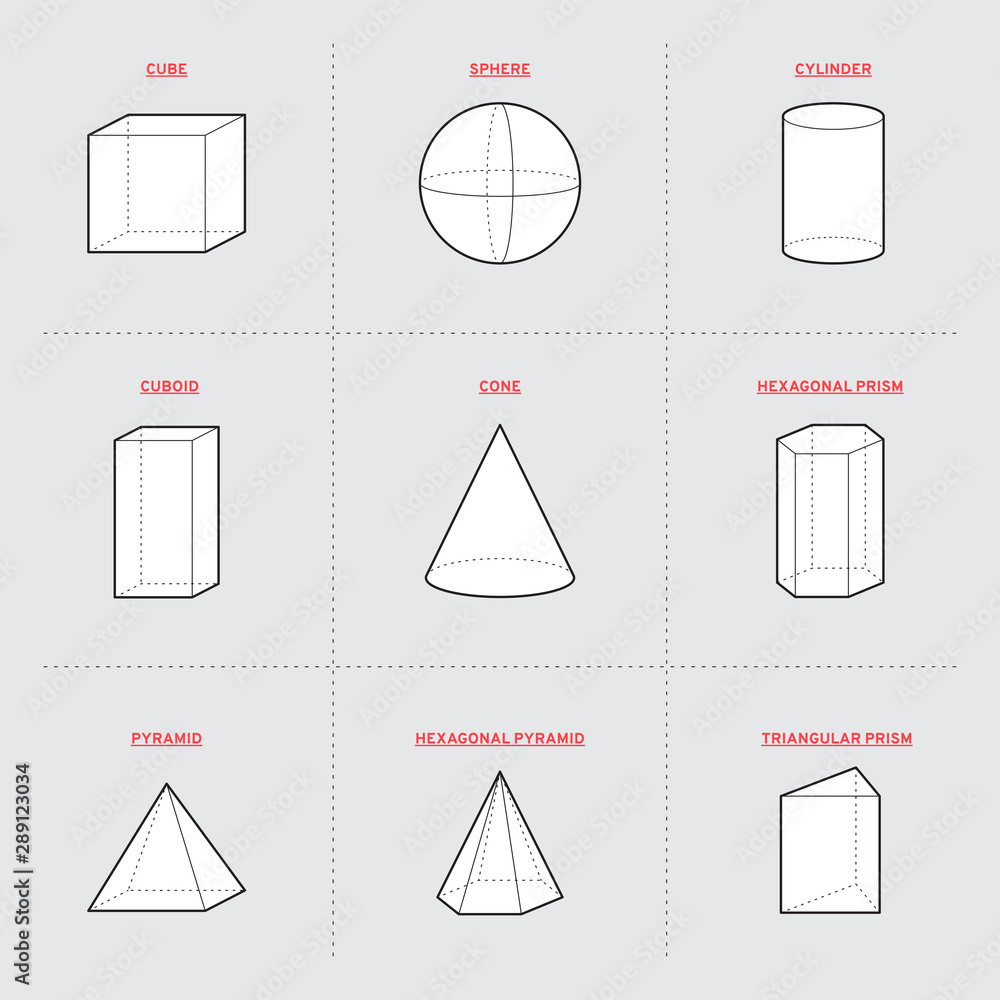
Cross Sections of 3D Prisms
Year 5 Mathematics Exploring shapes in 3D space Understanding how prisms can be sliced
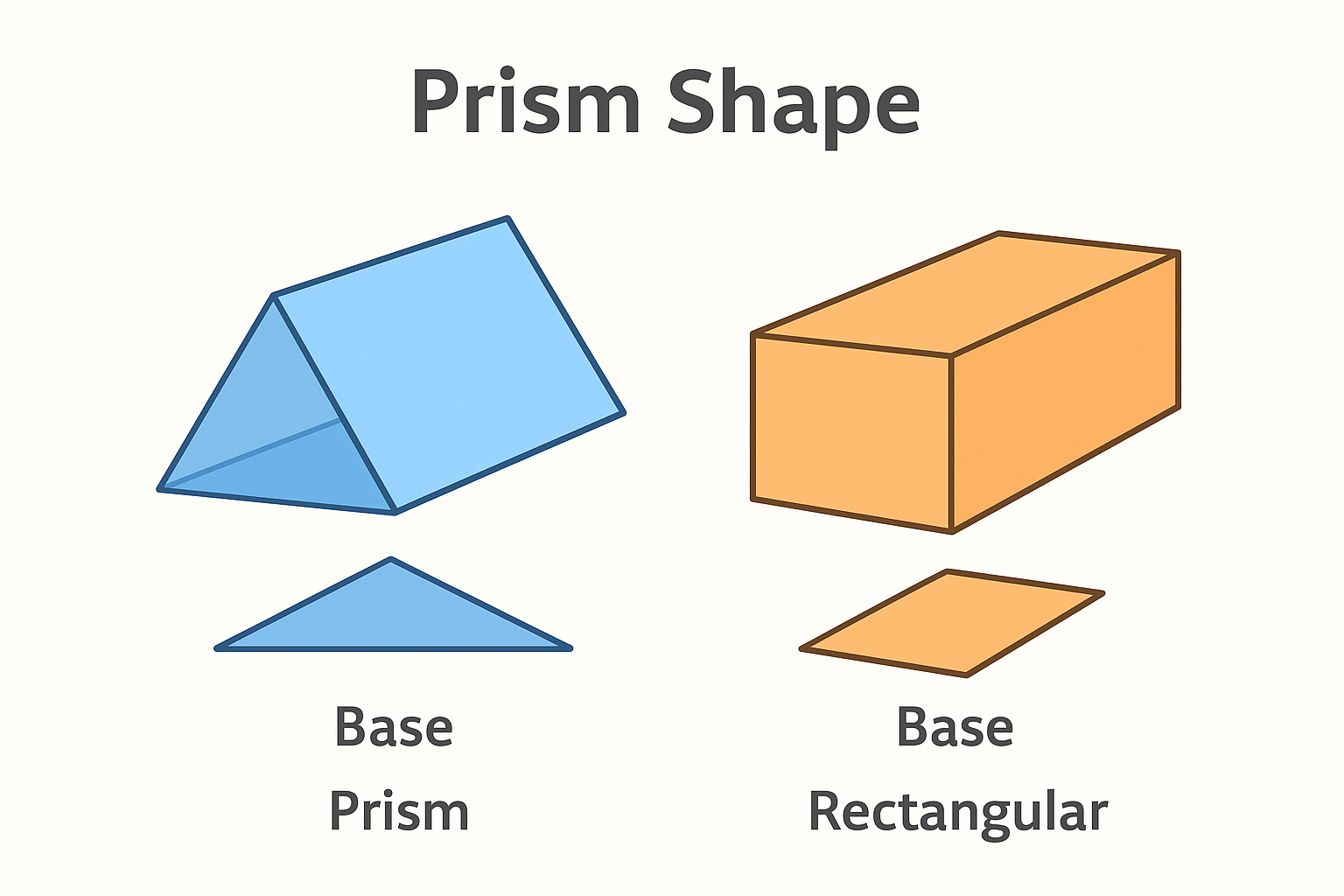
What is a Prism?
A 3D shape with two identical parallel faces The faces are connected by rectangles Examples: boxes, tents, pencils They have length, width, and height

Spot the Prism!
Look around the classroom Find 3 objects that are prisms Draw or describe what you find Share with a partner
What is a Cross Section?
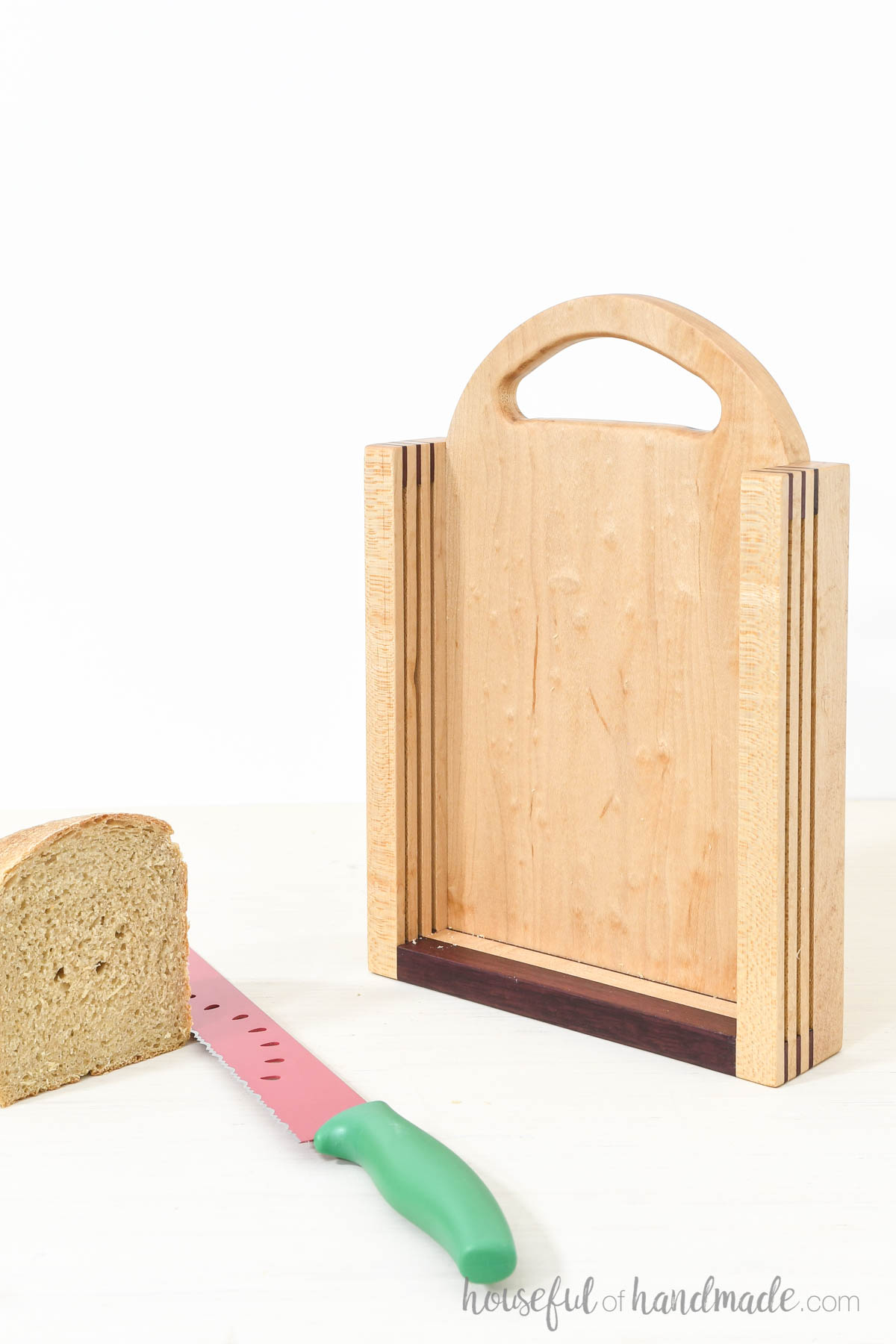
A slice through a 3D shape Like cutting through a loaf of bread Shows us the inside of the shape Creates a 2D shape from a 3D object

Types of Cross Sections
{"left":"Parallel to the base\nPerpendicular to the base\nAt an angle (diagonal)\nCreates different 2D shapes","right":"Rectangle or square\nTriangle or polygon\nParallelogram or trapezoid\nDepends on cutting direction"}
Cross Sections of a Rectangular Prism

Think and Discuss
If you cut a triangular prism horizontally, what shape would you get? What about a vertical cut? Turn to your neighbor and share your prediction

Cross Section Investigation
Use play dough to make prisms Cut them with plastic knives Observe the cross sections Record your discoveries

Real-World Cross Sections
CT scans show cross sections of our bodies Architects use cross sections in building plans Geologists study rock layers Engineers design using cross sections

What We've Learned
Prisms are 3D shapes with parallel identical faces Cross sections are slices through 3D shapes Different cuts create different 2D shapes Cross sections help us understand the inside of objects This knowledge is used in many real jobs