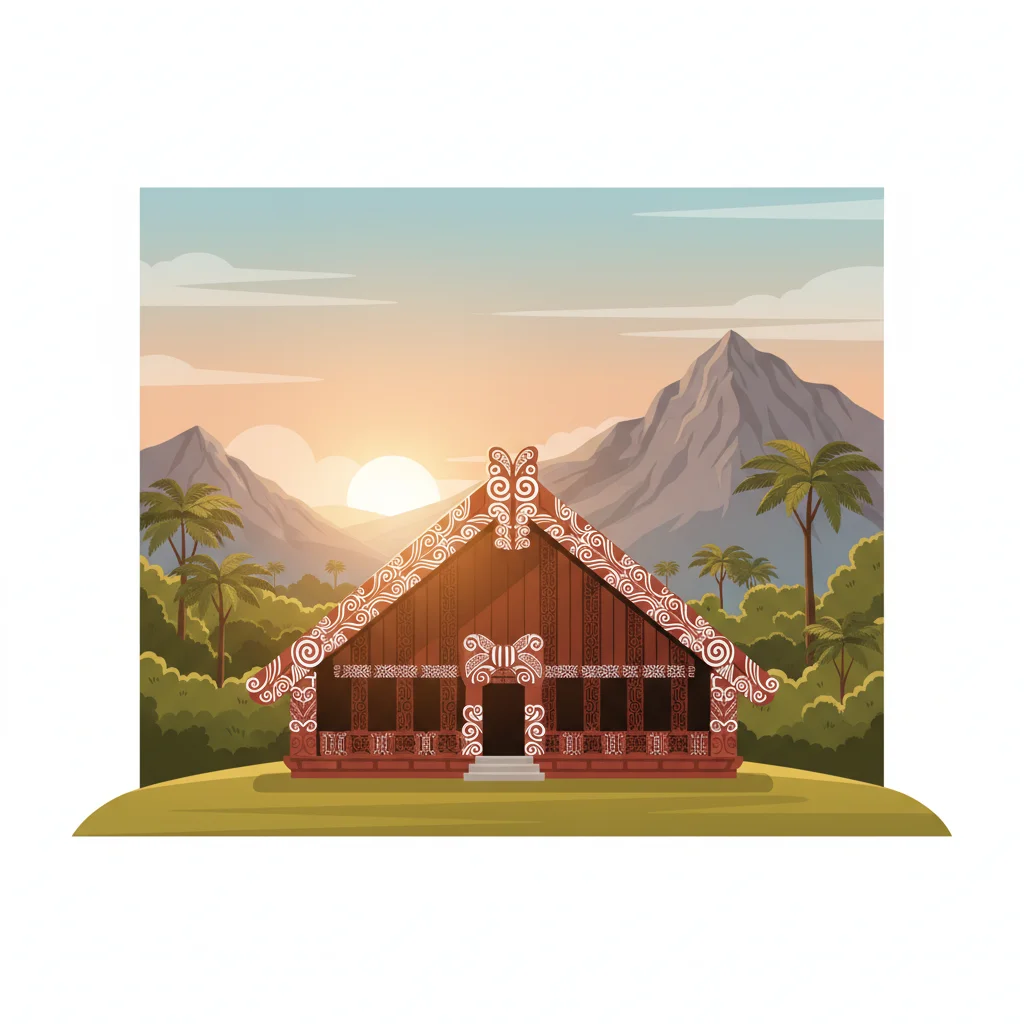
Cultural Memory Through Visual Arts
Ka maumahara tonu tātou ki a rātou Exploring Māori and Global Cultural Expression NCEA Level 1 Visual Arts - Achievement Standard 91912
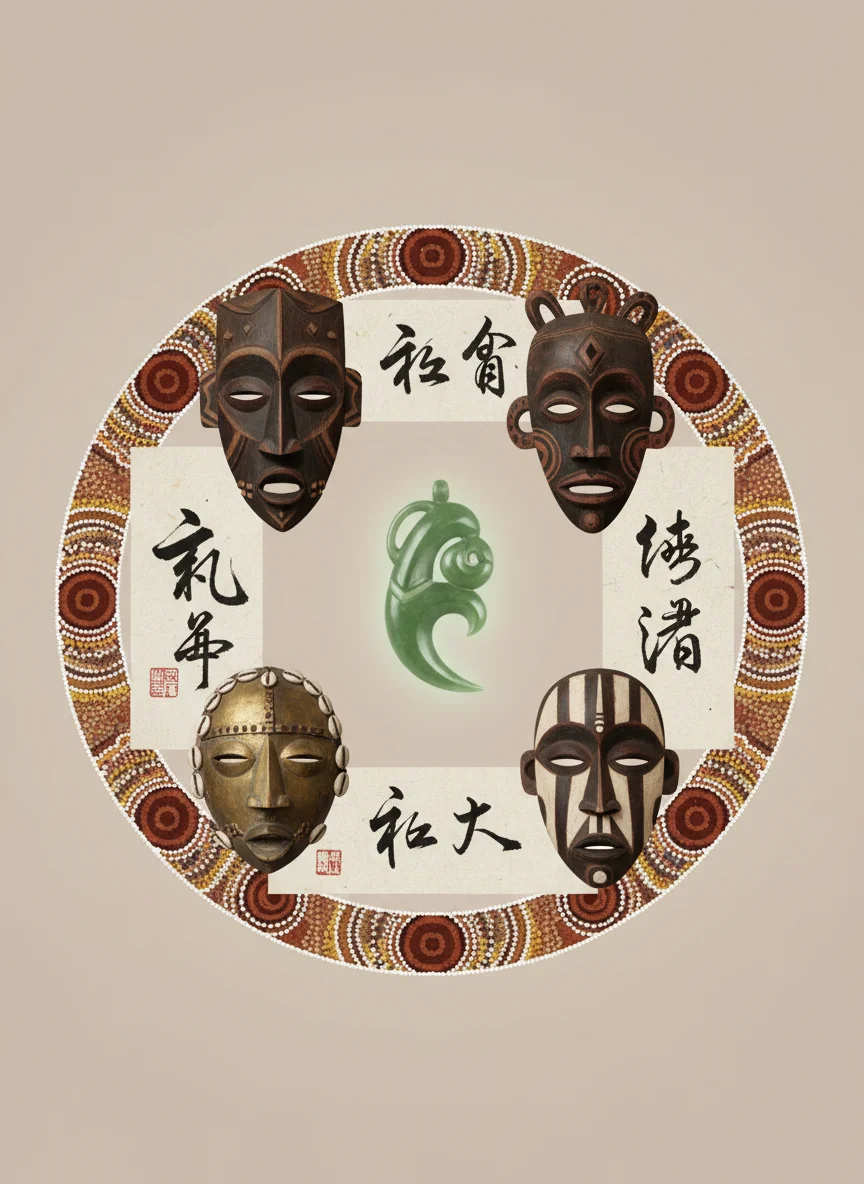
WALT: Understand Cultural Memory in Visual Arts
Define cultural memory and its role in preserving identity Explore how visual arts carry cultural stories across generations Identify symbols, patterns, and motifs that represent cultural values Connect visual elements to themes of remembrance and sacrifice

Taonga: Treasures That Hold Memory
{"left":"Māori taonga carry whakapapa (genealogy) and mana (spiritual power)\nJade (pounamu) connects people to ancestors and land\nCarvings tell stories of tipuna (ancestors) and tribal history\nPatterns like koru represent life, growth, and renewal","right":"Other cultures have similar treasured objects\nAfrican masks preserve spiritual connections\nJapanese tea ceremony items honor tradition\nAboriginal sacred objects connect to Dreamtime stories"}
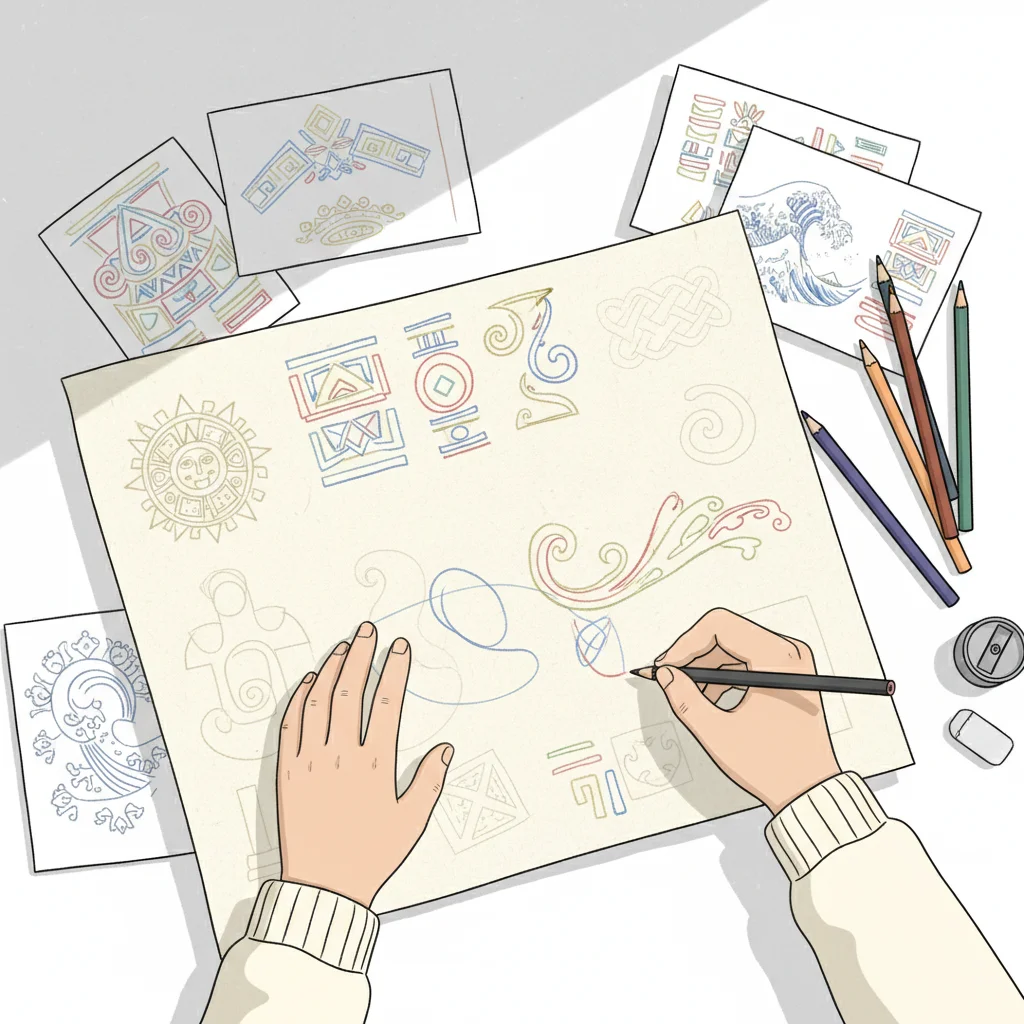
Cultural Brainstorming Activity
Choose your second culture to explore alongside Māori culture Create a mind map of visual elements from both cultures Include: patterns, colors, symbols, materials, techniques Think about themes of remembrance and sacrifice in both cultures Sketch quick visual ideas and connections

WALT: Analyze Māori Visual Art Forms
Examine kowhaiwhai (painted scroll patterns) and their meanings Study whakairo (carving) techniques and symbolism Understand raranga (weaving) patterns and cultural significance Explore tā moko (traditional tattoo) as visual storytelling Connect visual elements to whakapapa and tribal identity

Māori Art Techniques and Meanings

WALT: Explore Artists as Cultural Memory Keepers
Study contemporary Māori artists: Shane Cotton, Robyn Kahukiwa, Lisa Reihana Examine how they blend traditional and modern techniques Analyze their use of cultural symbols and contemporary themes Understand their role in keeping culture alive and evolving Connect their work to themes of remembrance and identity
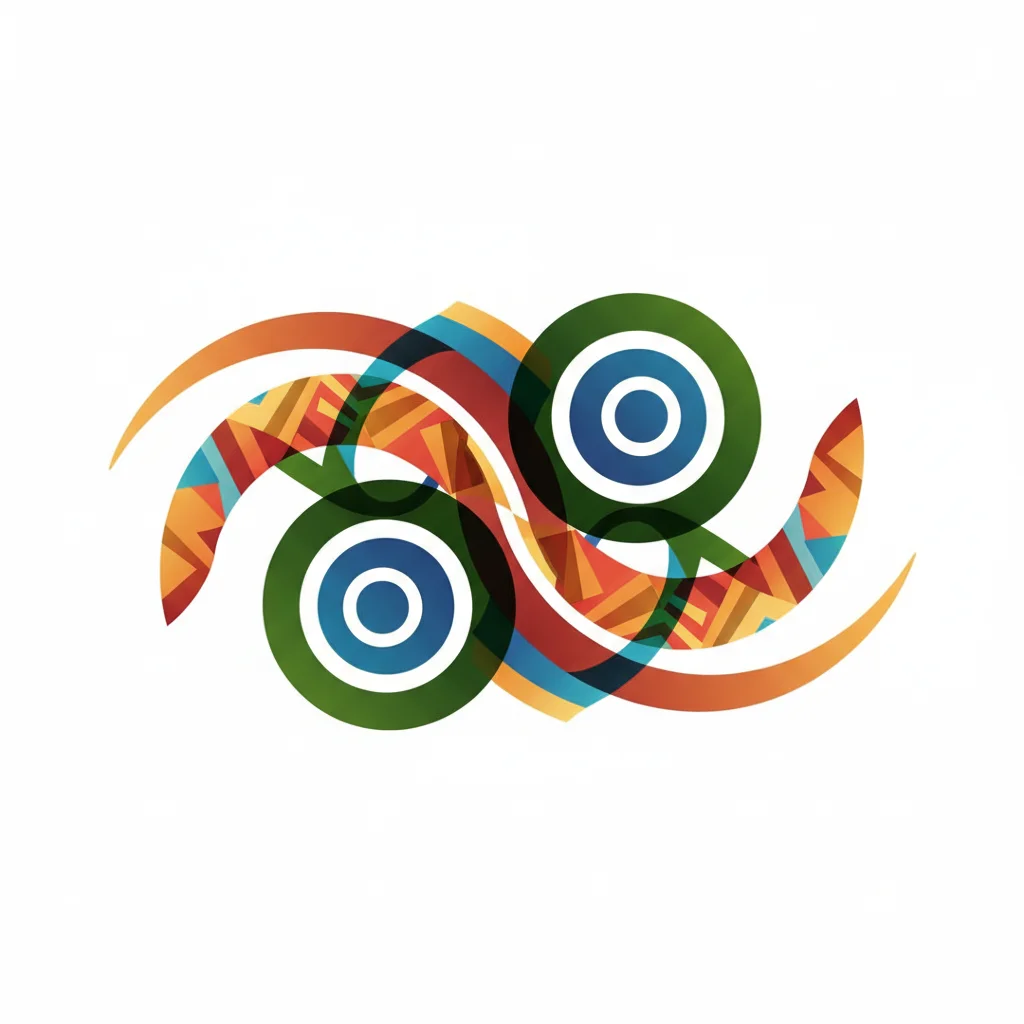
Critical Thinking: Cultural Dialogue
How do visual arts create dialogue between cultures? What happens when cultural symbols meet and blend? Can art help us understand different perspectives on memory and sacrifice? How do artists respectfully represent cultures other than their own?
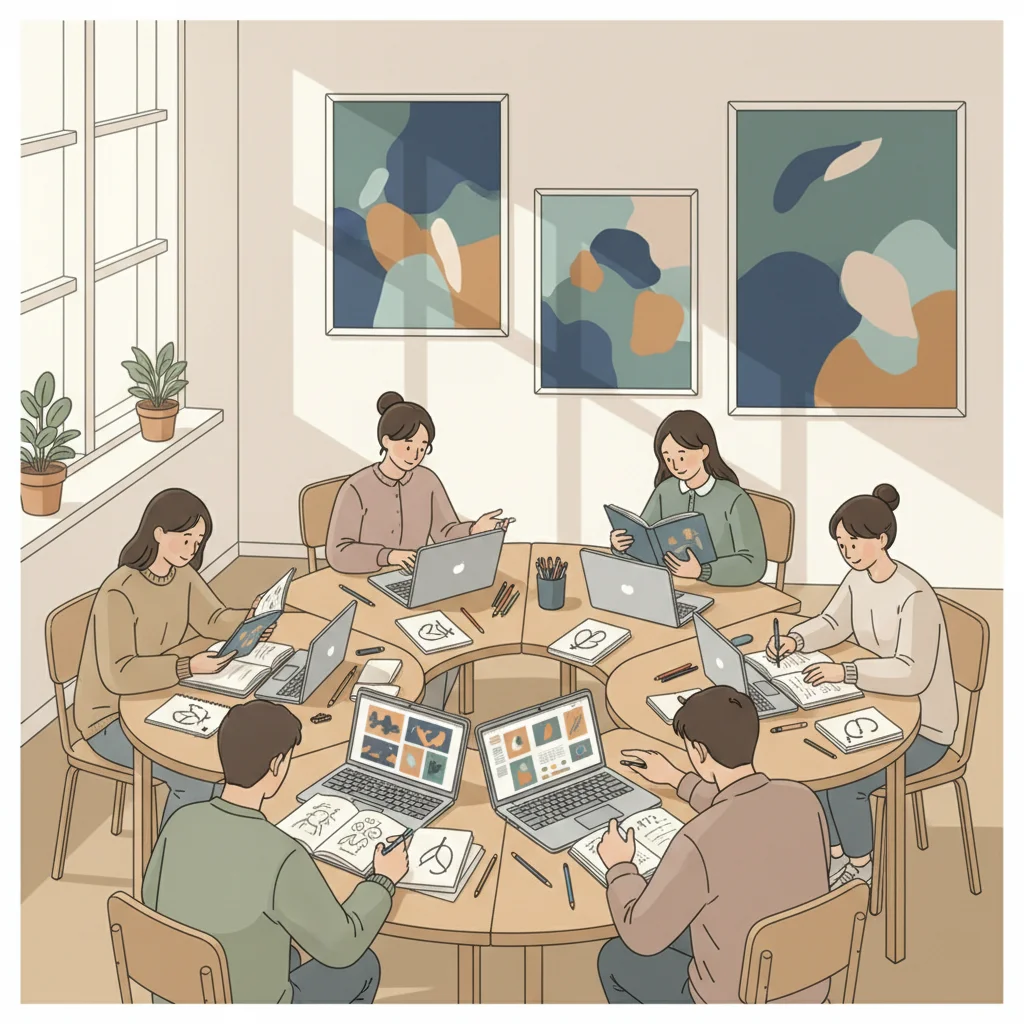
Comparative Analysis Workshop
Compare visual elements from Māori art and your chosen culture Identify similarities: shared themes, patterns, spiritual connections Note differences: unique symbols, materials, techniques, purposes Create a visual comparison chart Plan how elements might work together in your final artwork
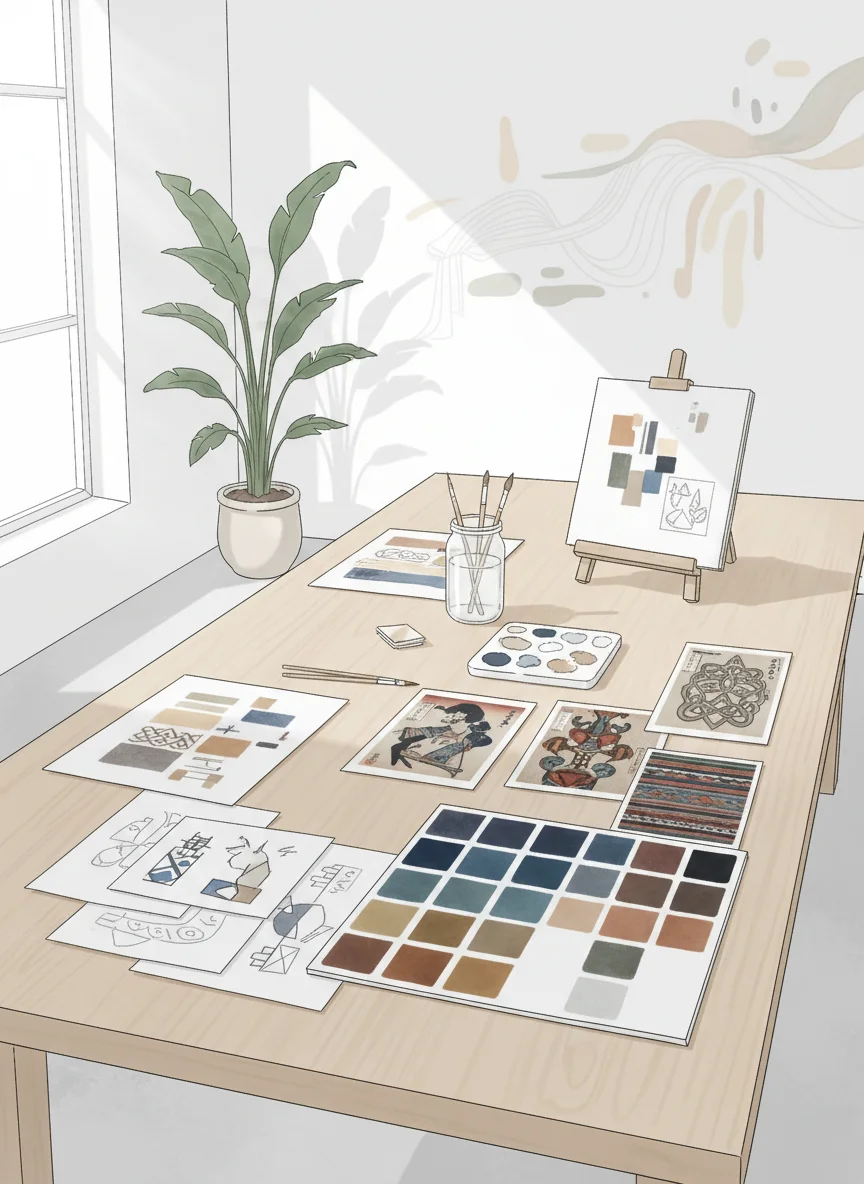
WALT: Plan Your Creative Response
Synthesize research into original artistic concepts Plan two paintings that explore cultural memory themes Select appropriate motifs, colors, and techniques from both cultures Ensure respectful representation of cultural elements Prepare for practice-based visual inquiry process
More Visual Arts slide decks
Other ready-to-teach visual arts decks for New Zealand classrooms.
