
Dame Whina Cooper: Māori Rights Champion
A leader who changed New Zealand Year 8 History

Early Life and Background
Born Josephine Whina Te Wake in 1895 Grew up in Panguru, Hokianga Daughter of Heremia Te Wake, a Māori leader Learned traditional Māori values and customs
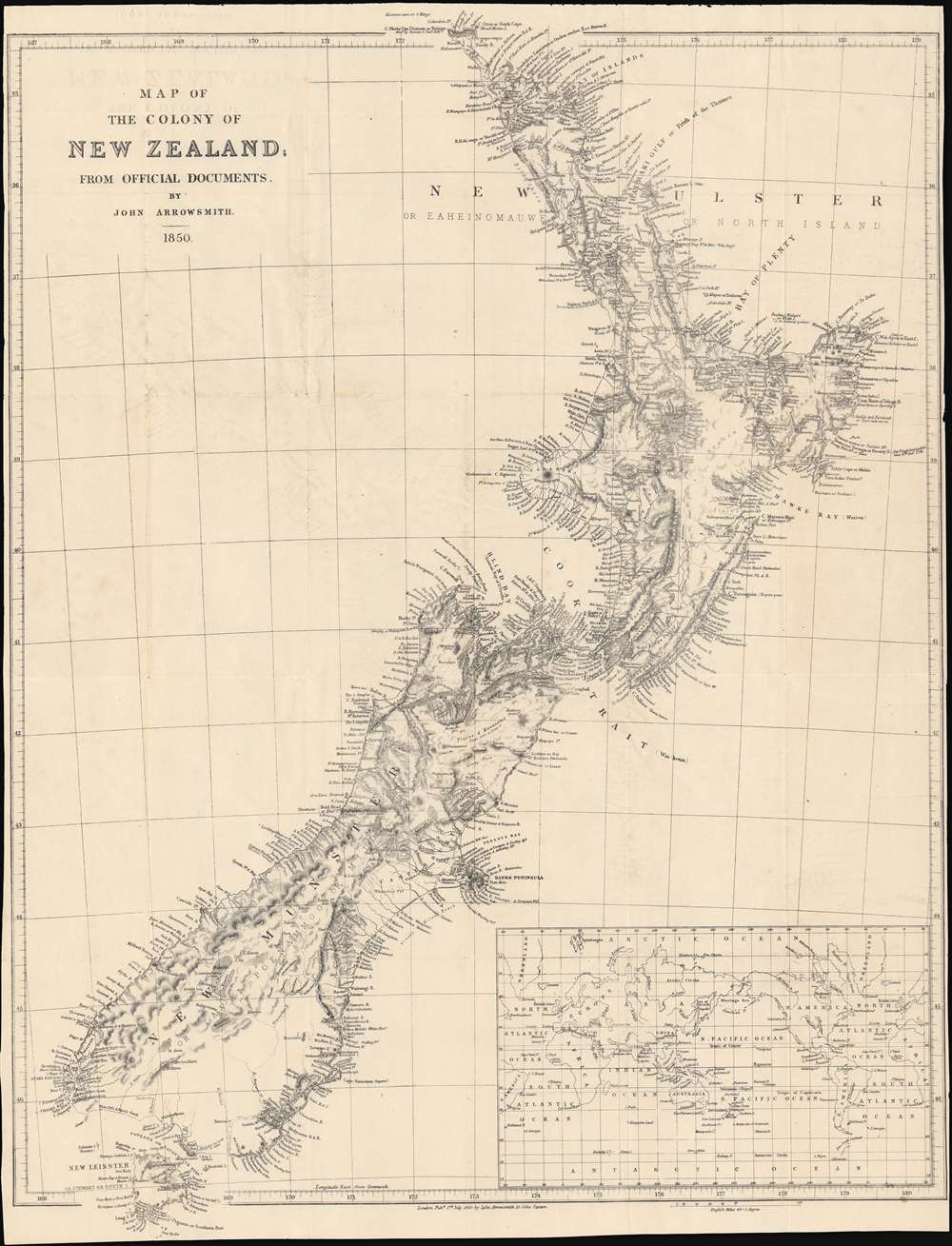
The Land Crisis
Māori land was being sold to European settlers Many Māori families lost their ancestral land Traditional way of life was threatened Government policies favoured European ownership
Understanding Land Connection
Think about your connection to your home How would you feel if you had to leave forever? Discuss with a partner: Why is land important to people? Share your thoughts with the class

Becoming a Leader
At 18, became president of Māori Women's Welfare League Organized communities to fight land sales Encouraged Māori to keep their land Travelled throughout Northland speaking to communities

"The land is the mother of all things"
- Dame Whina Cooper This belief guided her entire life's work

The Great Land March 1975
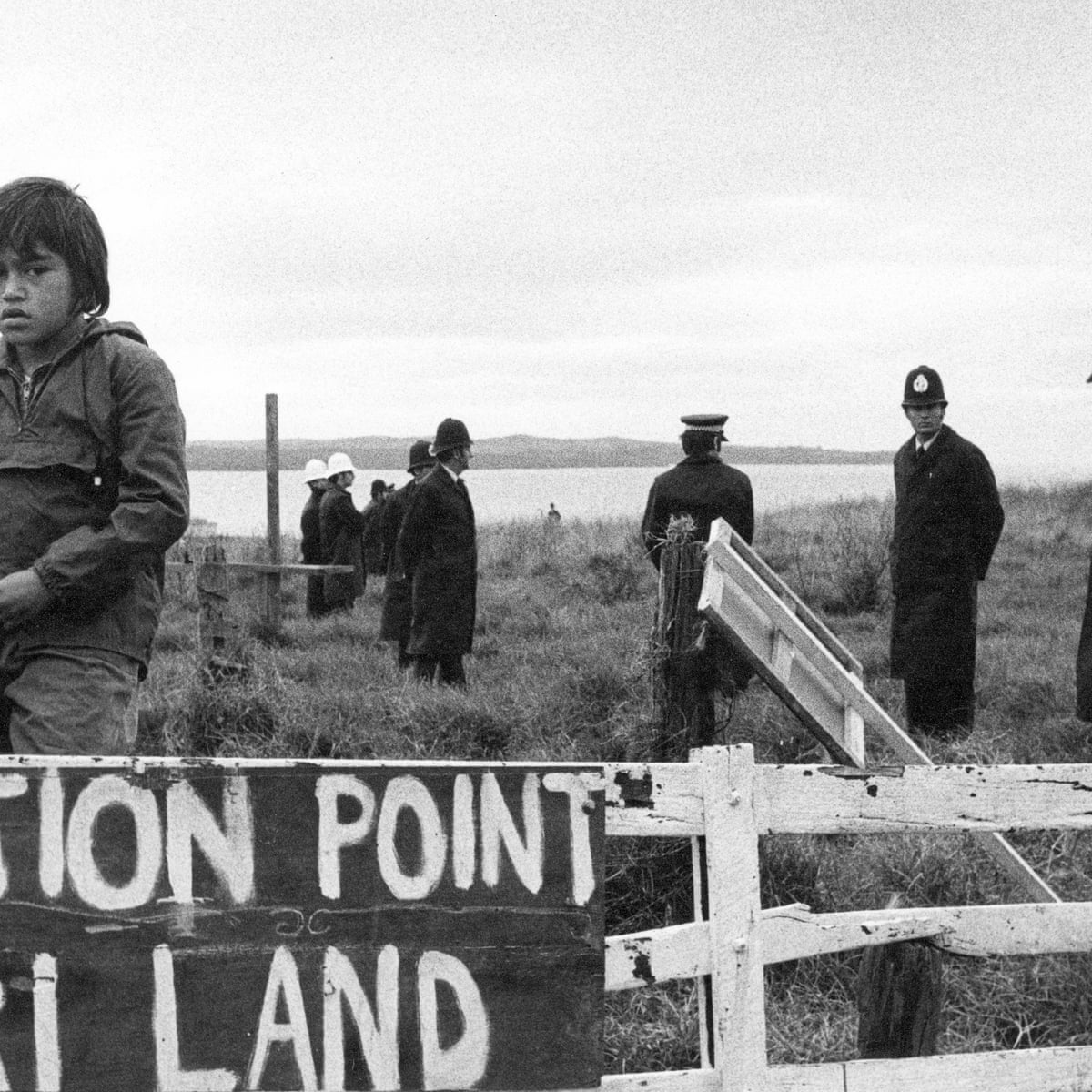
Impact of the Land March
{"left":"Raised awareness about Māori land rights\nBrought Māori and Pākehā together\nLed to the Waitangi Tribunal in 1975\nInspired other protest movements","right":"60,000 people signed the petition\nChanged government policy\nCreated lasting dialogue about Treaty rights\nEstablished Dame Whina as a national figure"}

Why was Dame Whina Cooper successful?
Think about her methods and approach Consider how she brought people together What leadership qualities did she show?
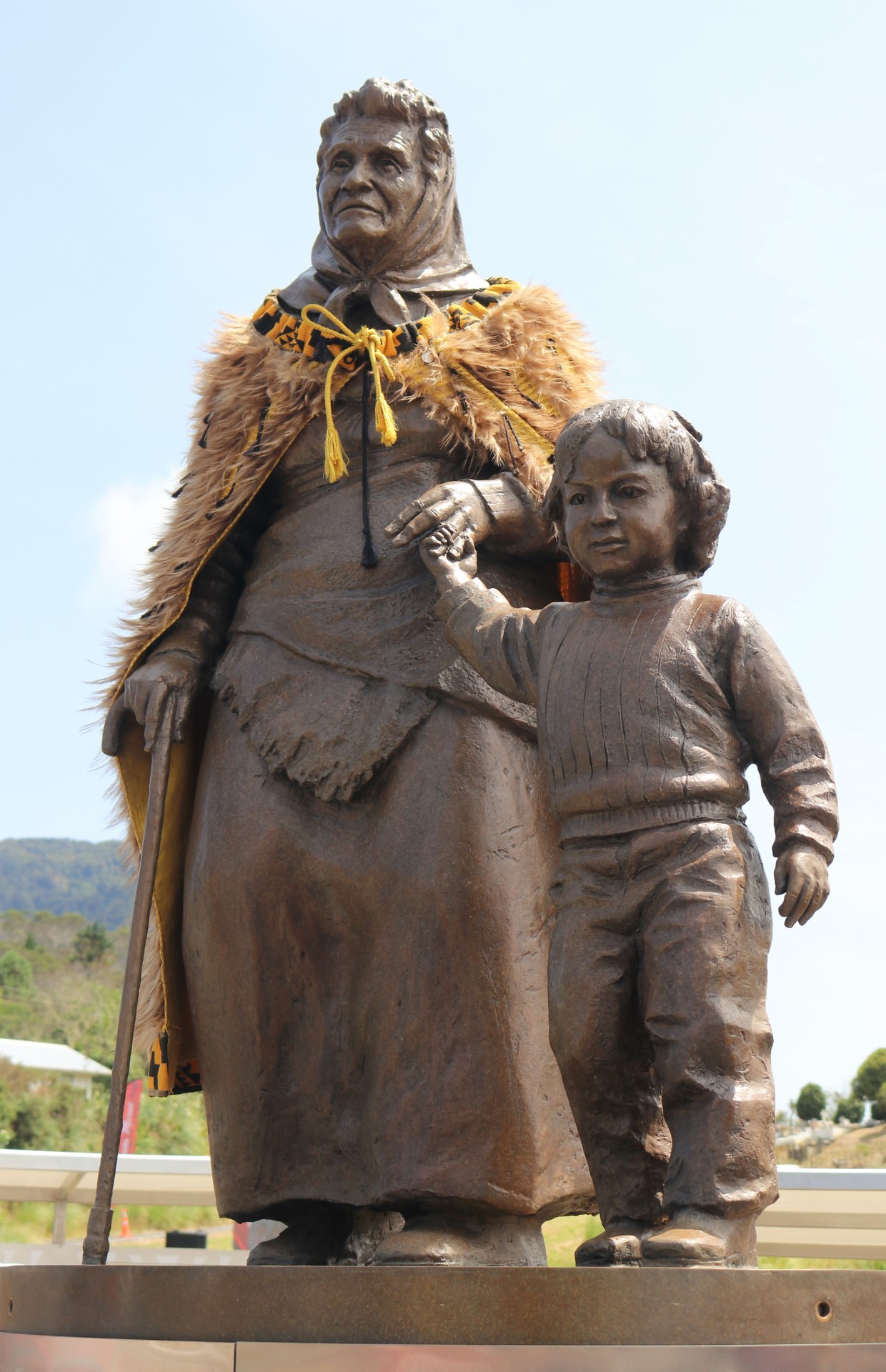
Legacy and Recognition
Made Dame Commander in 1981 Called 'Mother of the Nation' Inspired future Māori leaders Her work continues through the Waitangi Tribunal Remembered as a bridge-builder between cultures