
Economics: Choices, Scarcity, and You
Year 9 Understanding How We Make Economic Decisions New Zealand Curriculum
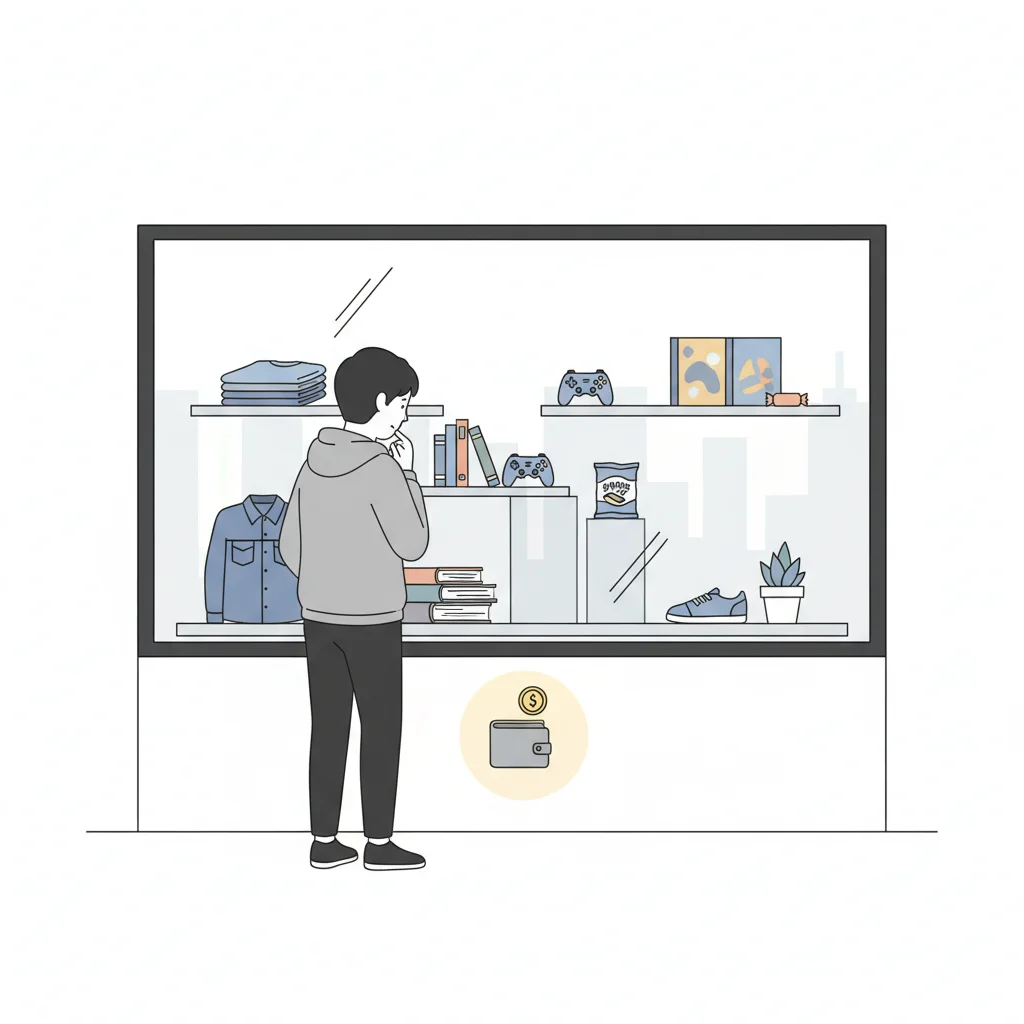
What is Economics?
Think about your last purchase... Why did you choose that item? What else could you have bought instead?
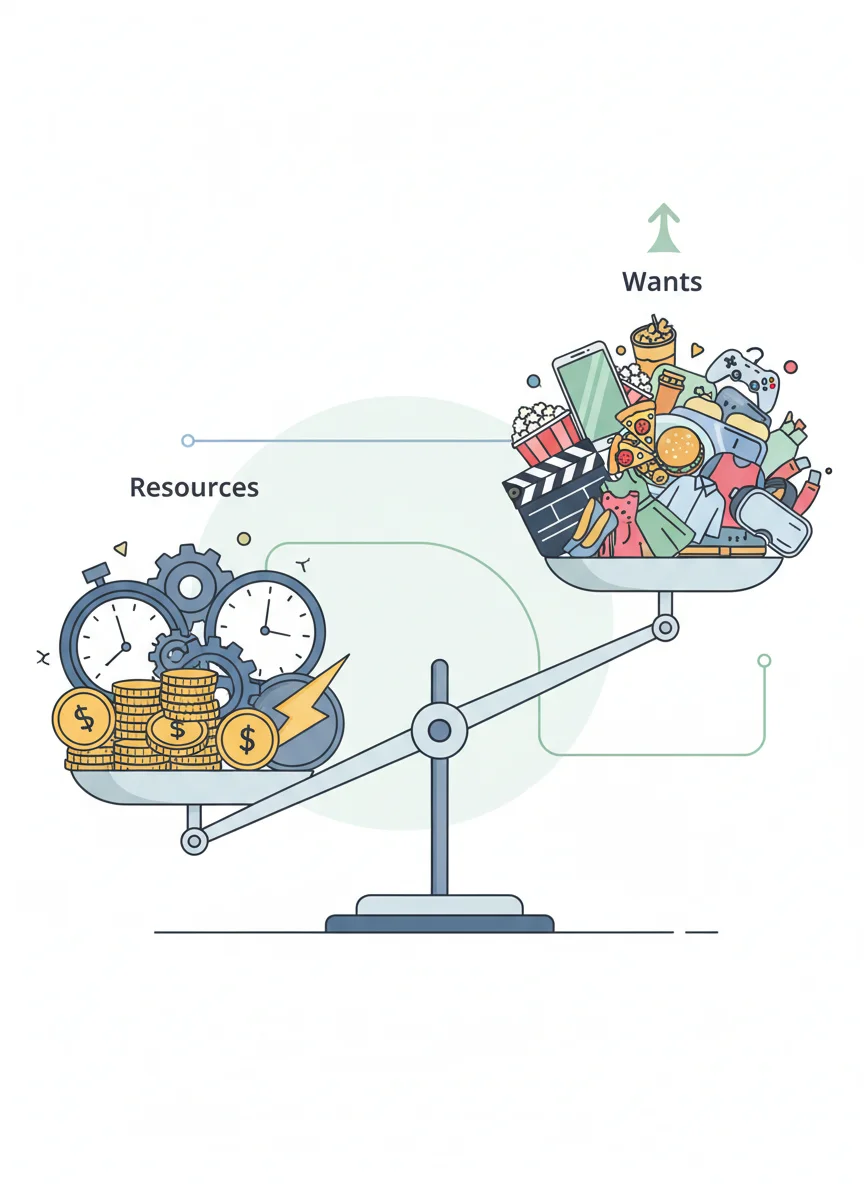
Economics: The Study of Choice
Economics studies how people make choices Resources are limited but wants are unlimited We must decide how to use our time, money, and energy Every choice has consequences
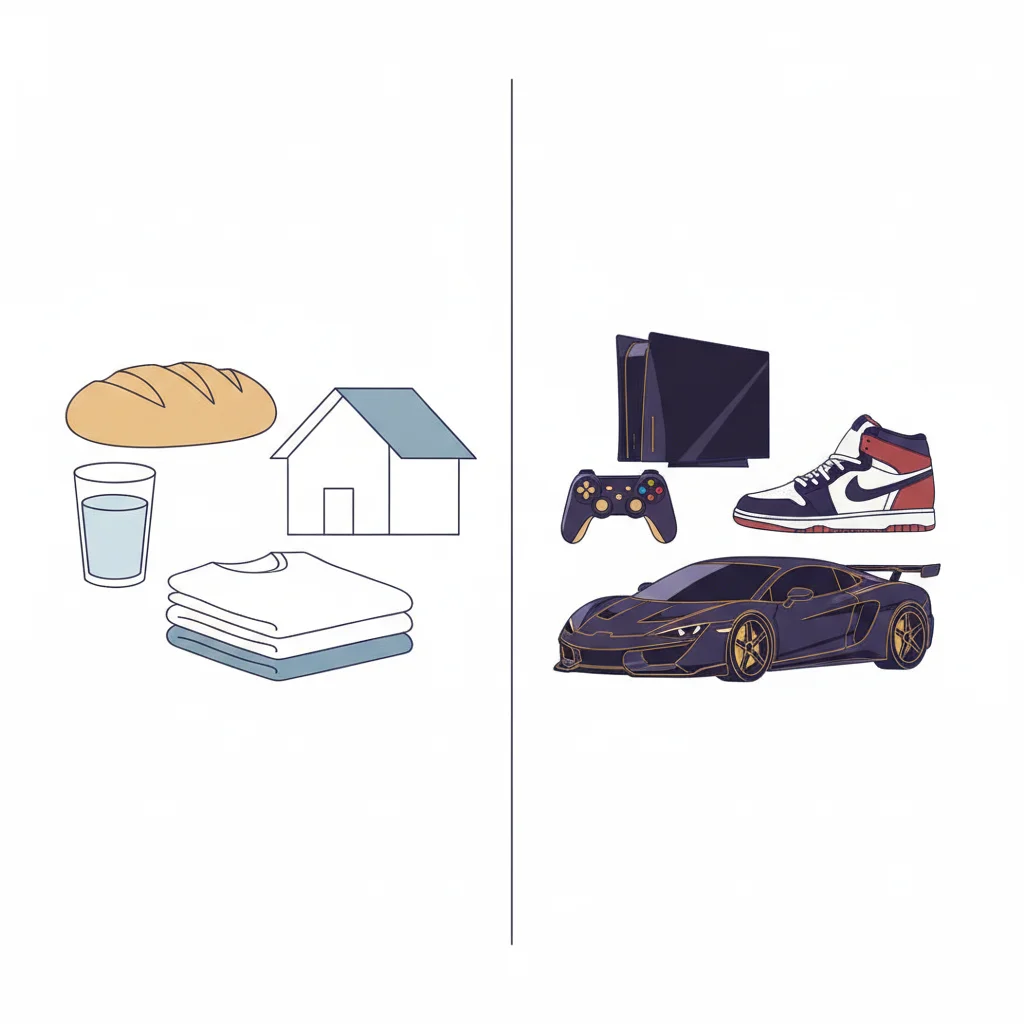
Needs vs Wants
{"left":"NEEDS: Food, water, shelter, clothing, safety, education","right":"WANTS: Latest smartphone, designer clothes, expensive holidays, luxury items, entertainment"}
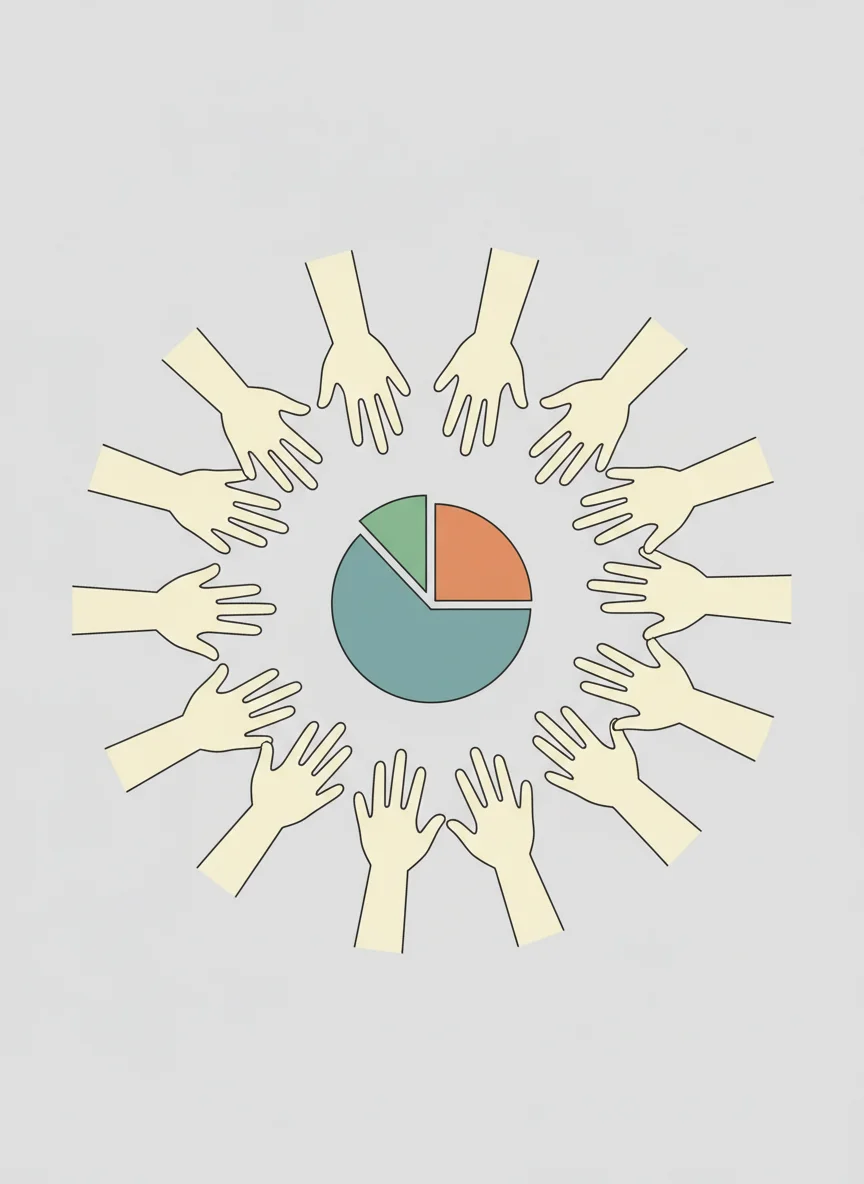
Scarcity: The Economic Problem
Scarcity means there's not enough of something for everyone Examples: Limited pocket money, time in the day, concert tickets Scarcity forces us to make choices Even wealthy people face scarcity (limited time!)

The Cost of Choice
"Every choice you make has an opportunity cost - the value of the next best alternative you give up."
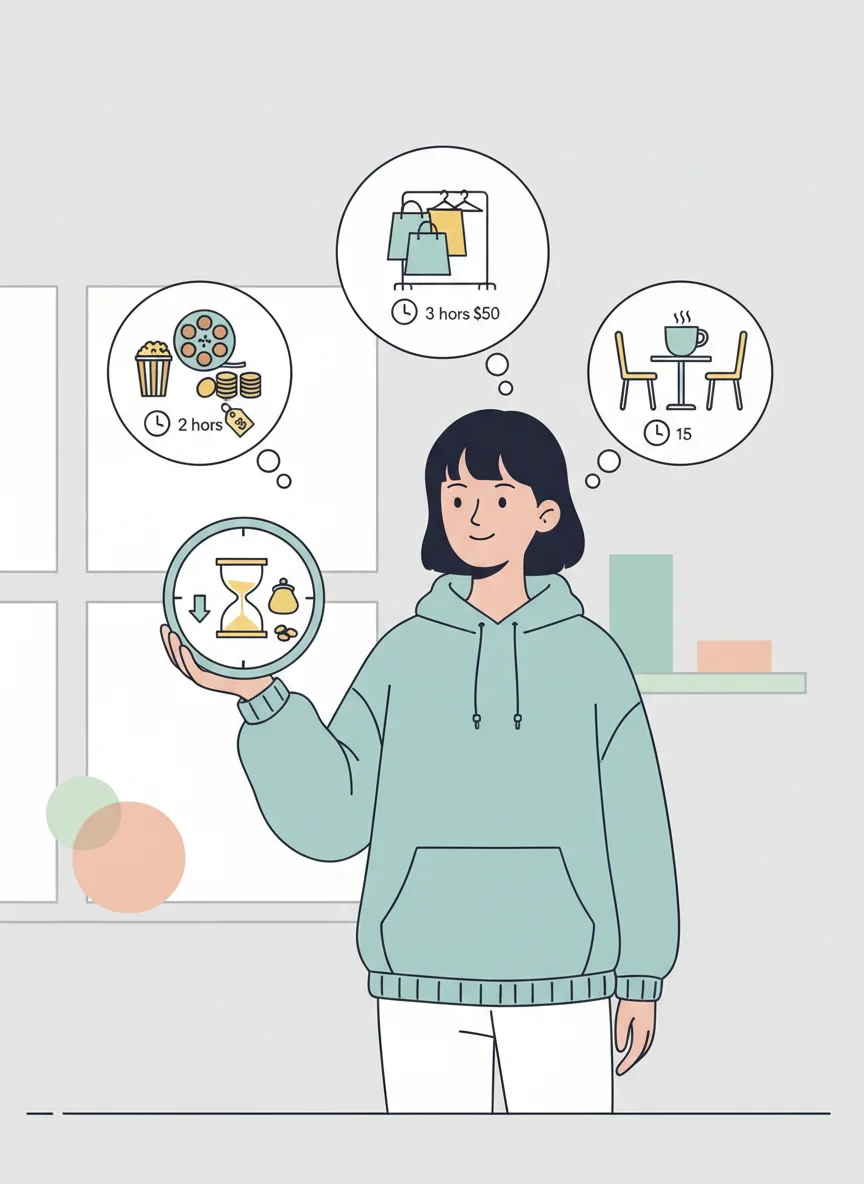
Real-Life Example: Sarah's Saturday
Sarah has $20 and 4 hours free on Saturday Options: Movies ($15, 3 hours), Shopping ($20, 2 hours), Café with friends ($10, 2 hours) What should Sarah choose? What is her opportunity cost for each choice?

Reflection: Your Economic Decisions
Think of a recent choice you made due to limited resources What was the scarcity? What alternatives did you consider? How did your choice affect you or others?

Economics in Your Life
Economics helps us understand daily decisions Key concepts: Needs vs Wants, Scarcity, Opportunity Cost Good economic thinking leads to better choices Next lesson: How markets and businesses work
More Business slide decks
Other ready-to-teach business decks for New Zealand classrooms.


