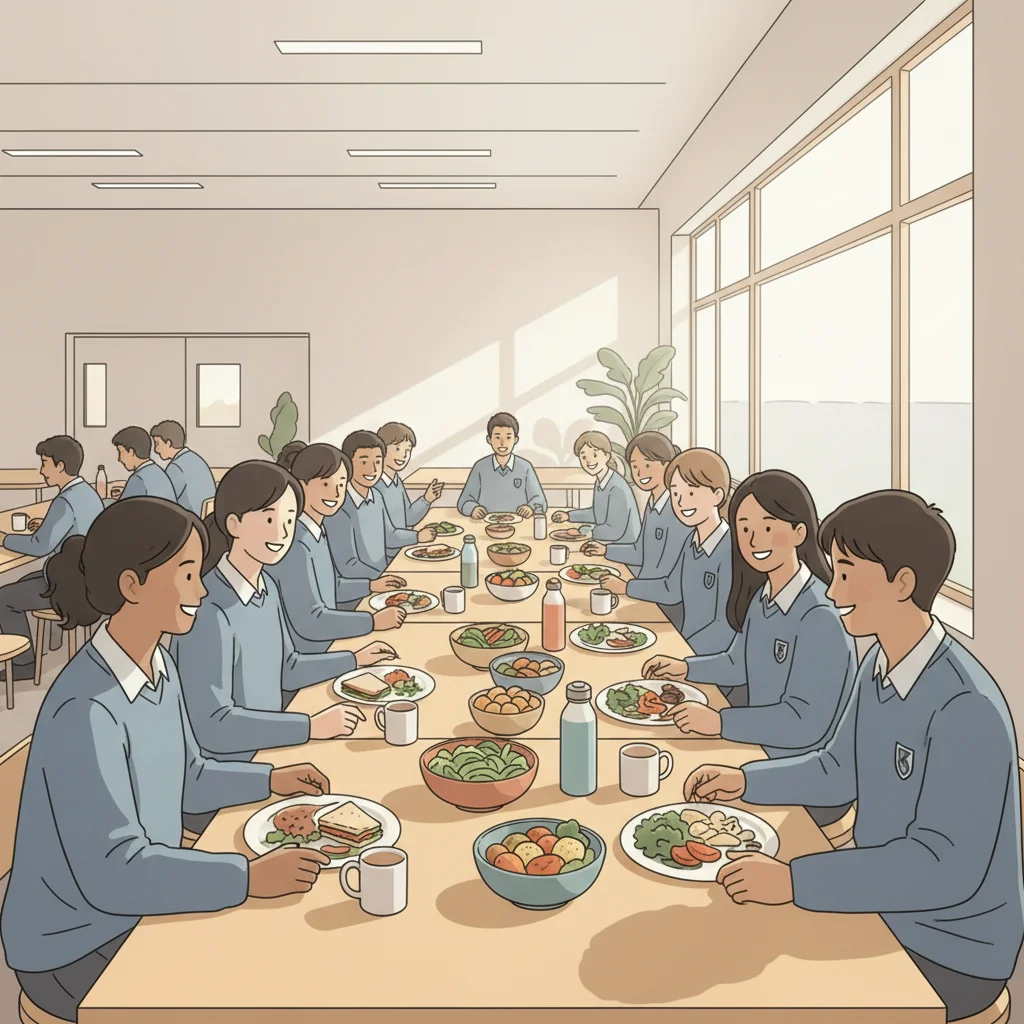
Equity vs Equality in Schools
Understanding fairness in the Ka Ora, Ka Ako programme Year 13 Health and Physical Education Achievement Standard AS91466
Think About This...
Does giving every school the same funding create fairness? Take 2 minutes to write your thoughts Consider what you know about different schools and communities
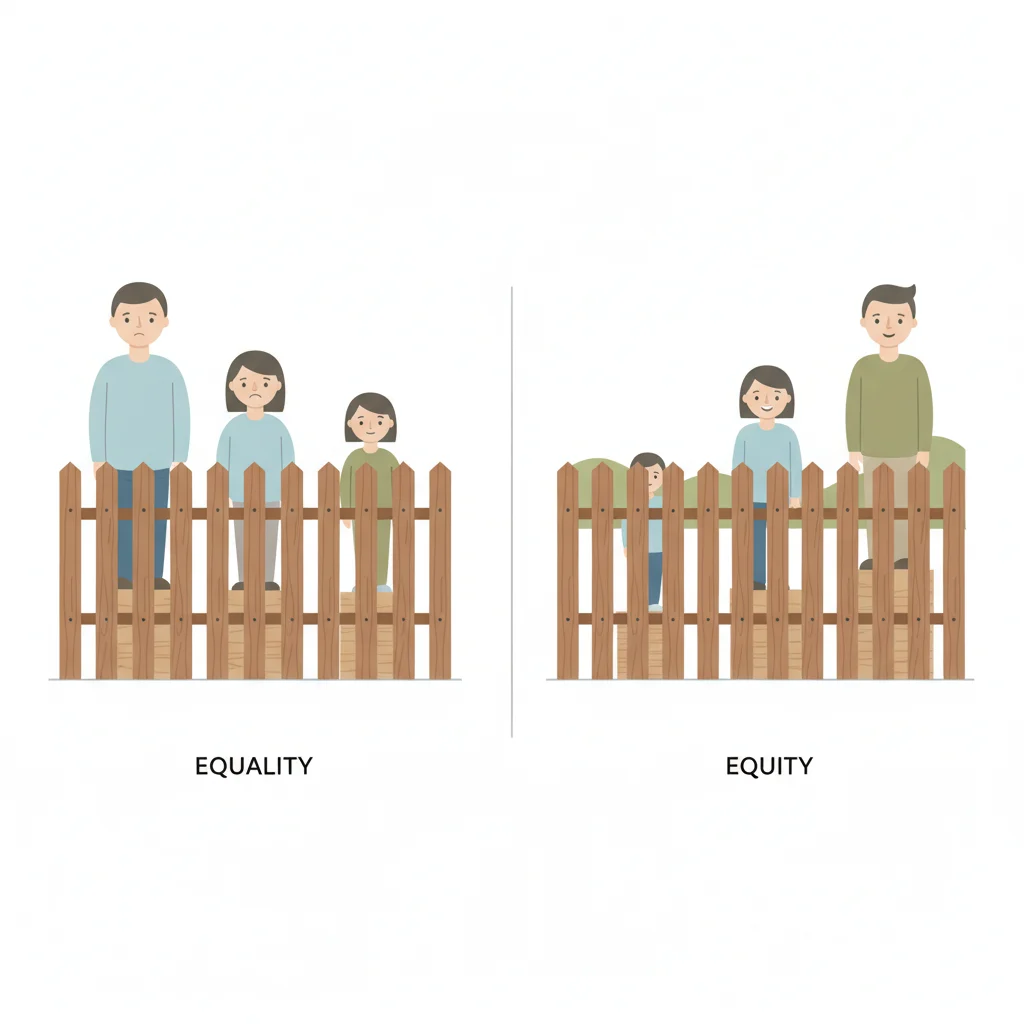
Equality vs Equity: What's the Difference?
{"left":"EQUALITY: Everyone gets the same resources, treatment, or opportunities\nTreats all people identically\nAssumes everyone starts from the same place\nFocus is on equal inputs","right":"EQUITY: Resources distributed according to need to achieve fair outcomes\nRecognizes different starting points and barriers\nAdjusts support to level the playing field\nFocus is on equal outcomes"}
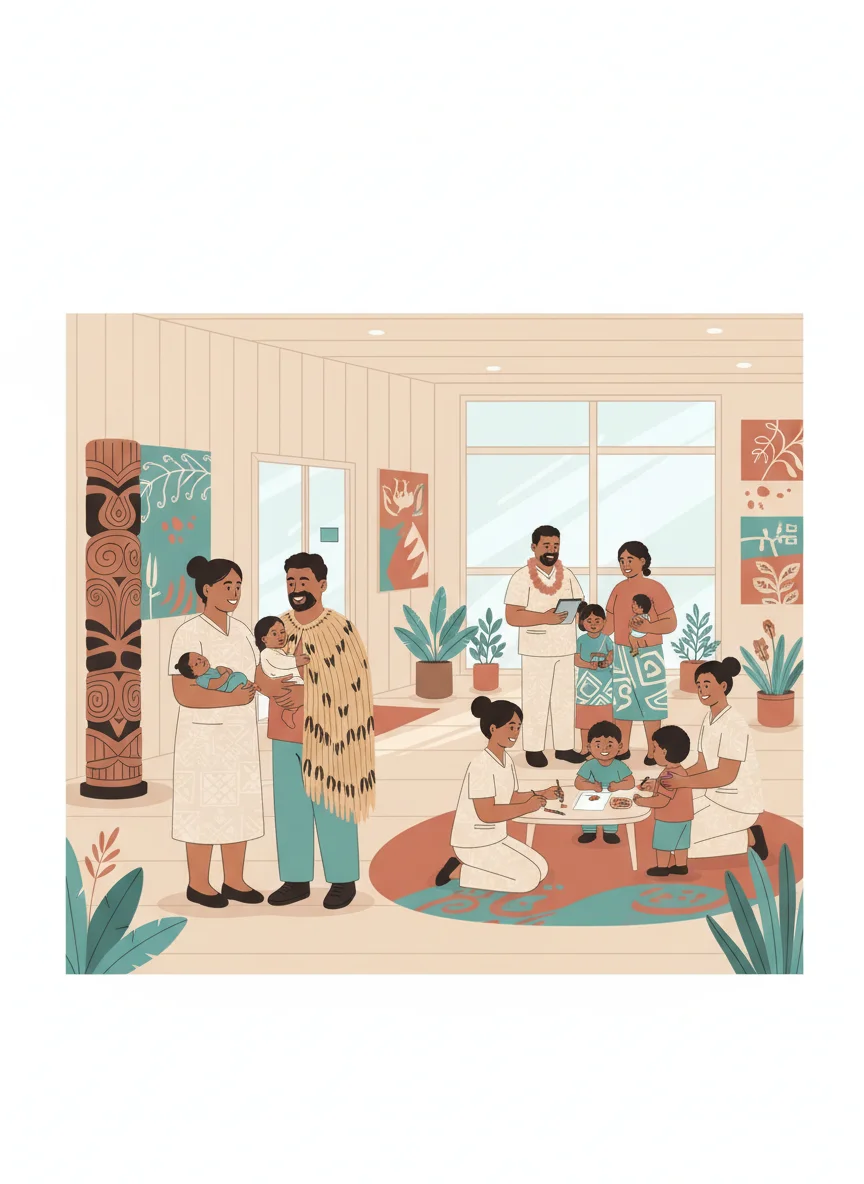
Equity in a Health Context
Fair distribution of resources to achieve good health outcomes for all Recognizes that some groups face greater barriers Addresses root causes of health inequities Considers cultural, social, and economic factors Aims to eliminate avoidable health differences between groups

What Would True Equity Look Like?
In pairs, brainstorm: If the Ka Ora, Ka Ako programme was truly equitable, what would we see? Think about: • Different communities' needs • Cultural responsiveness • Accessibility • Measurable outcomes

Current Changes to School Lunch Provision
Funding adjustments and budget constraints Shift from local to more centralized provision Cost reduction measures Menu standardization across schools Changes in supplier arrangements

Critical Analysis: Who Benefits? Who May Be Disadvantaged?
In small groups, analyze the current changes: 1. Who benefits from these changes? 2. Who may be disadvantaged? 3. How does power influence these decisions? 4. Are outcomes likely to become more or less equitable? Consider: Low-income communities, Māori and Pacific learners, rural schools, students with dietary requirements, local suppliers
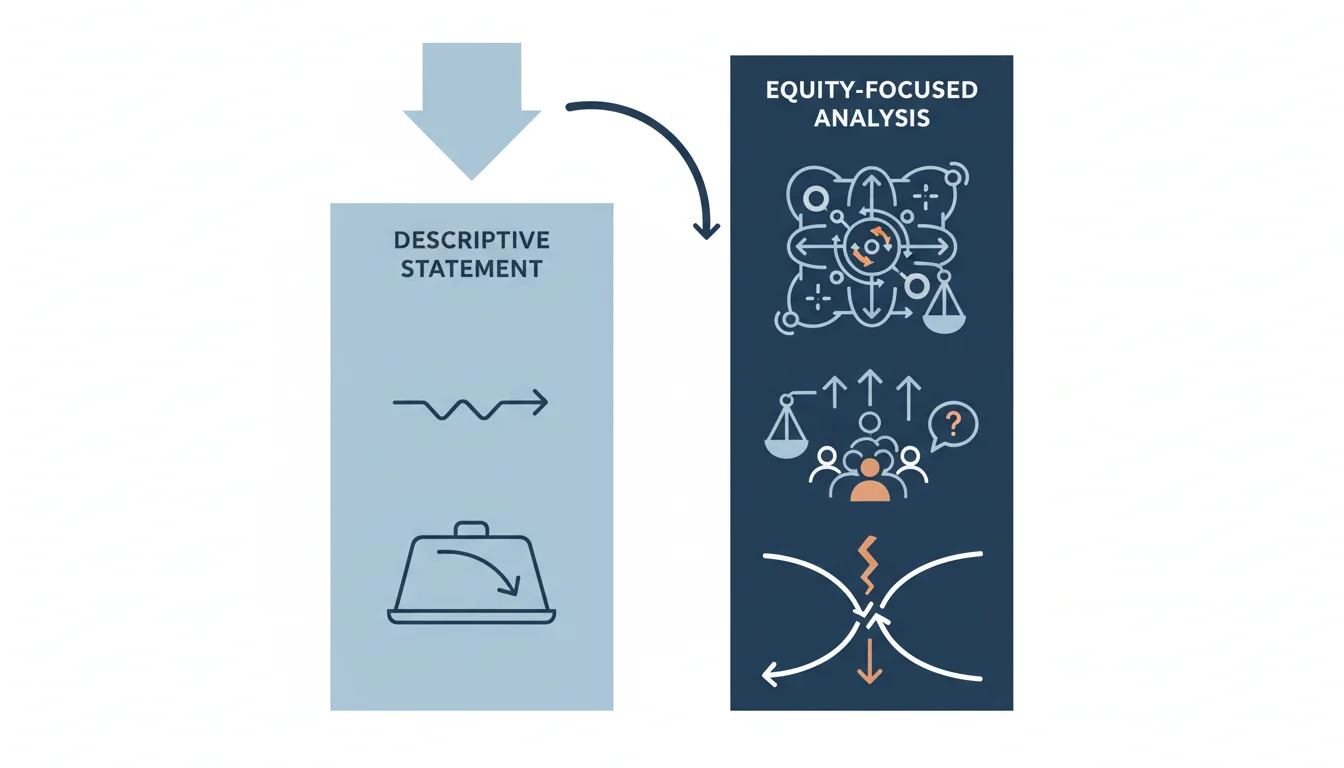
From Description to Critical Analysis

Your Turn: Draft Your Equity Analysis
Begin drafting your Equity and Fairness section: 1. Define equity in this context 2. Identify who benefits from current provision/changes 3. Identify who may be disadvantaged 4. Explain how power and resource allocation influence this 5. Evaluate whether outcomes are likely to be equitable Use evidence, reference determinants, and explicit 'equitable outcomes' language
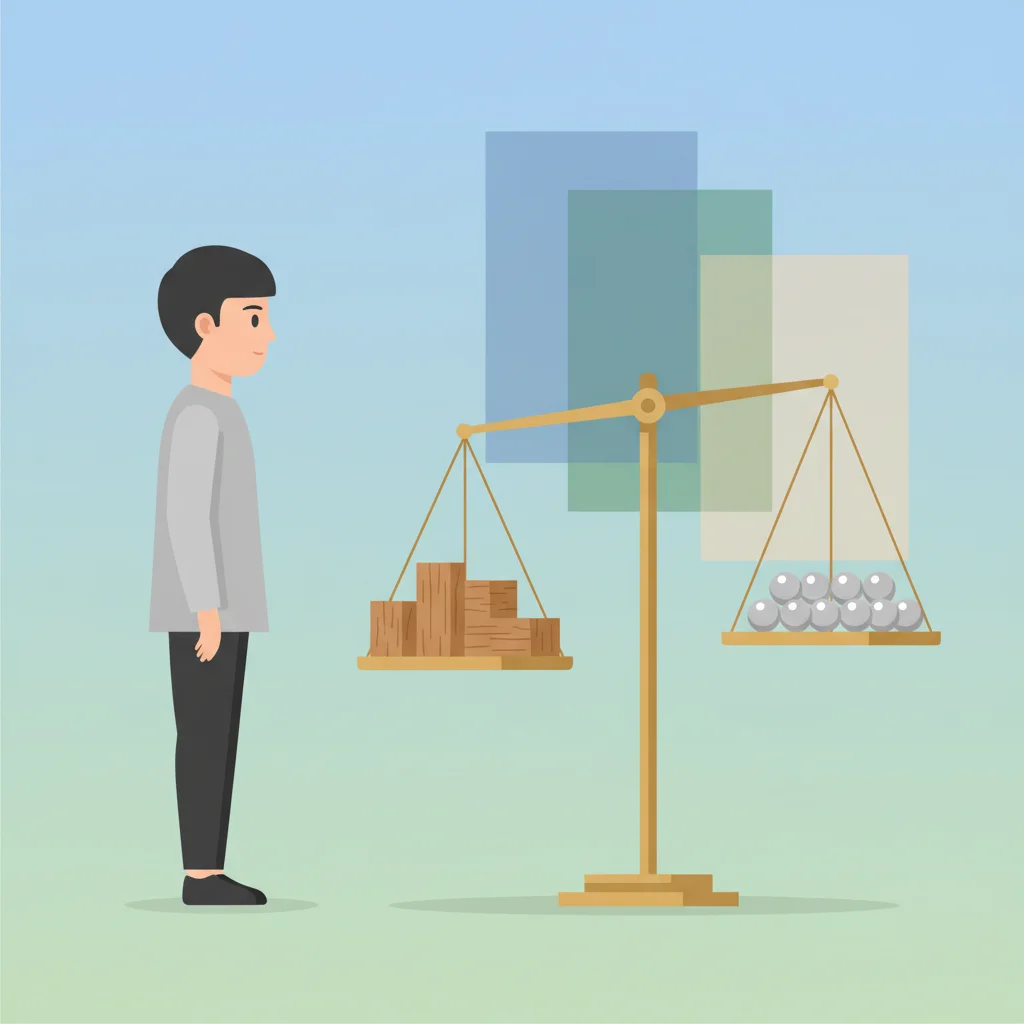
Reflection: Equal but Inequitable?
Can a policy be equal but still inequitable? Explain your reasoning with examples Think about: • Same treatment vs fair outcomes • Hidden barriers and advantages • The difference between access and success
More Health and Physical Education slide decks
Other ready-to-teach health and physical education decks for New Zealand classrooms.

Bullying: Recognise, Respond, Stay Safe

Healthy Me, Healthy Community
Healthy Me, Healthy Community

Building Belonging Through Whakaute Together
Building Belonging Through Whakaute Together