
Ethical Principles: Five Moral Lenses
Understanding Different Approaches to Moral Decision-Making Year 13 Health Education New Zealand Curriculum

What Are Ethical Lenses?
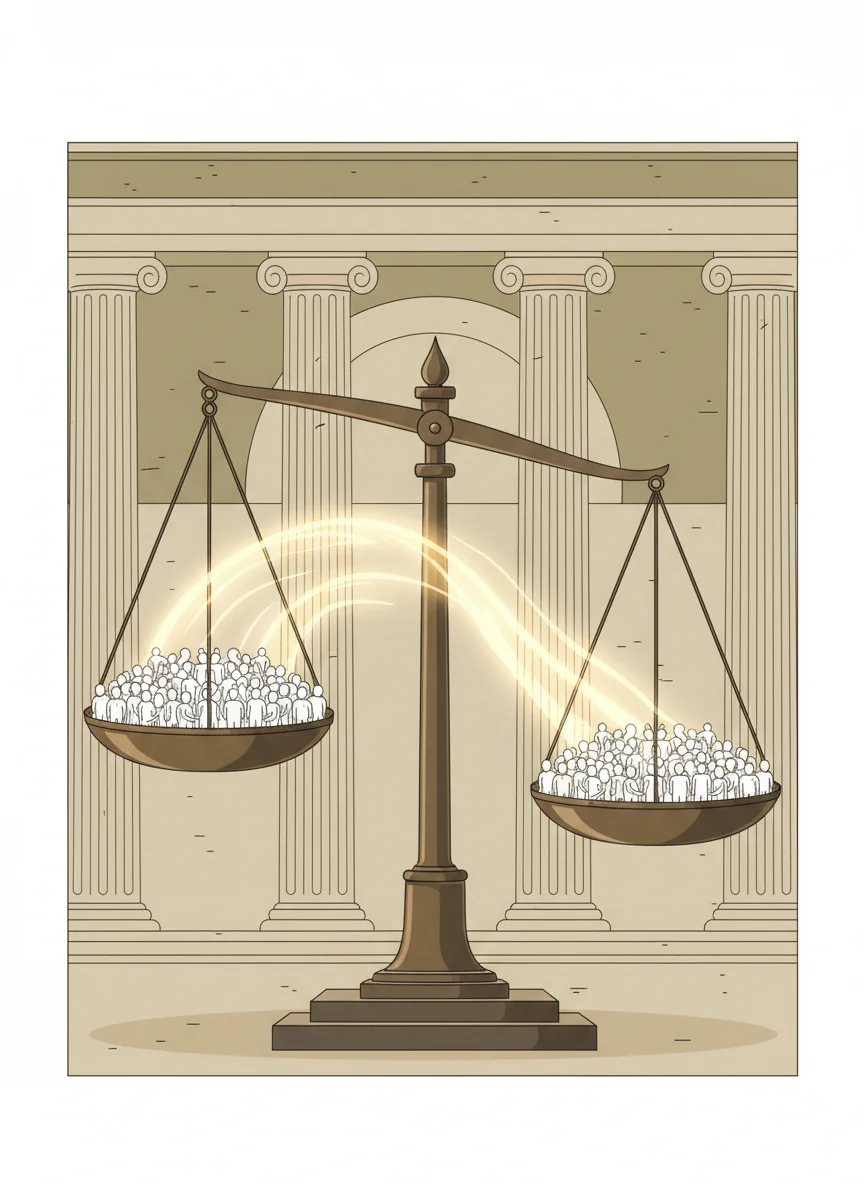
The Utilitarian Lens: Greatest Good for Greatest Number
Founded by Jeremy Bentham and John Stuart Mill Focuses on consequences and outcomes Maximizes overall happiness and well-being Actions are right if they produce the best overall results
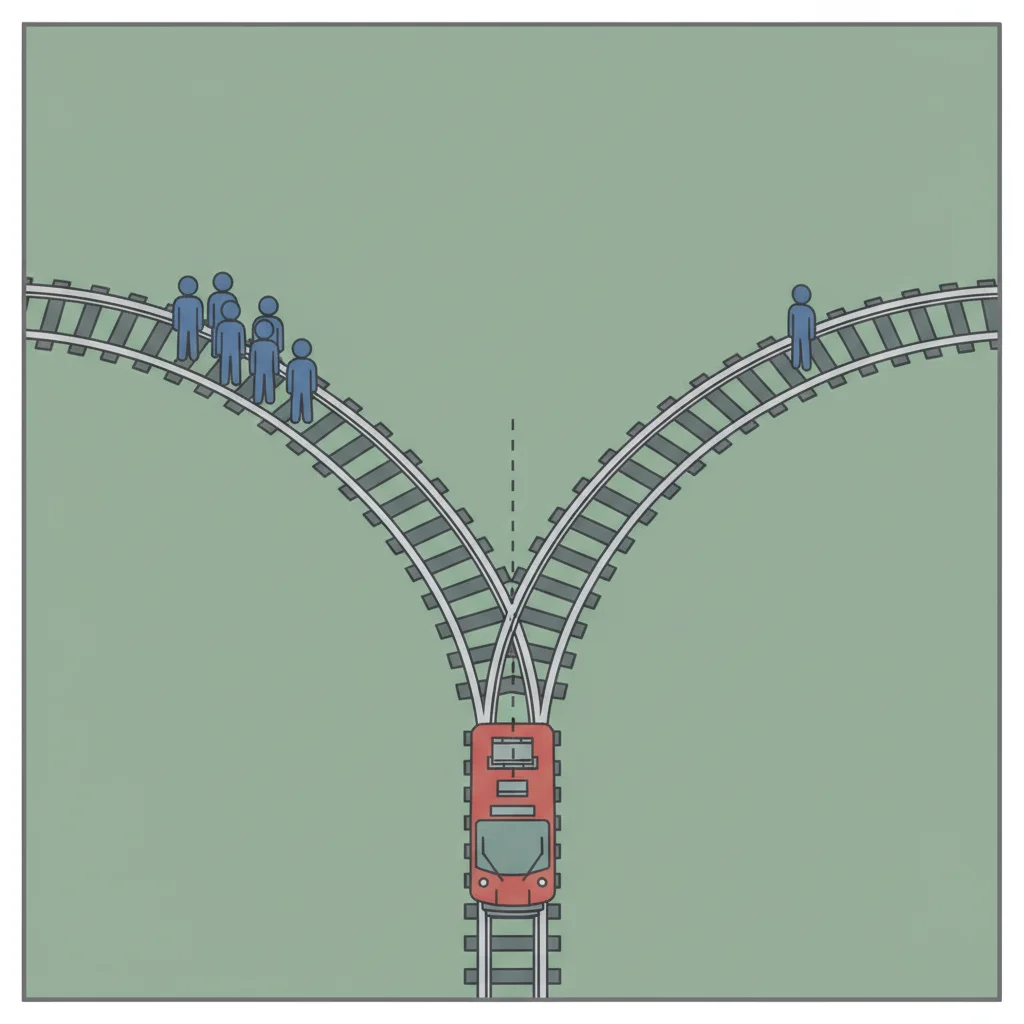
Utilitarian Dilemma: The Trolley Problem
A runaway trolley heads toward 5 people on the tracks You can pull a lever to divert it to another track But this will kill 1 person on the side track What should you do? Why?

The Rights Lens: Fundamental Human Dignity
Based on inherent human rights and dignity Some actions are always wrong, regardless of consequences Emphasizes individual autonomy and freedom Founded on philosophers like Immanuel Kant

The Virtue Lens: Character and Excellence
Originated with Aristotle in ancient Greece Focuses on moral character rather than actions Asks 'What would a virtuous person do?' Emphasizes developing good habits and character traits

Fairness vs. Common Good: Key Differences
{"left":"Fairness Lens: Equal treatment and procedural justice\nCommon Good Lens: Community welfare and social cohesion\nFairness: Everyone gets the same opportunity","right":"Common Good: Society functions harmoniously\nFairness: Individual merit and desert\nCommon Good: Collective responsibility and shared values"}

Comparing the Five Ethical Lenses

Case Study: Should We Mandate Vaccines?
Analyze this dilemma through each ethical lens Utilitarian: Does it maximize overall well-being? Rights: Does it violate individual autonomy? Virtue: What would a virtuous person/society do? Fairness: Is the policy applied equally to all? Common Good: Does it strengthen community bonds?

Synthesis and Reflection

Utilitarian vs. Common Good: Key Differences
{"left":"Utilitarian Lens):\n\n\n\n\n\nFocuses on making people happy\n\n\n\nCounts results with math\n\n\n\nThe most people matter most\n\n\n\nEveryone's benefits count the same","right":""}