Fast Fashion's Global Social Impact
Understanding the Social Consequences of Rapid Fashion Production Year 11 Social Studies NCEA Achievement Standard 1.1
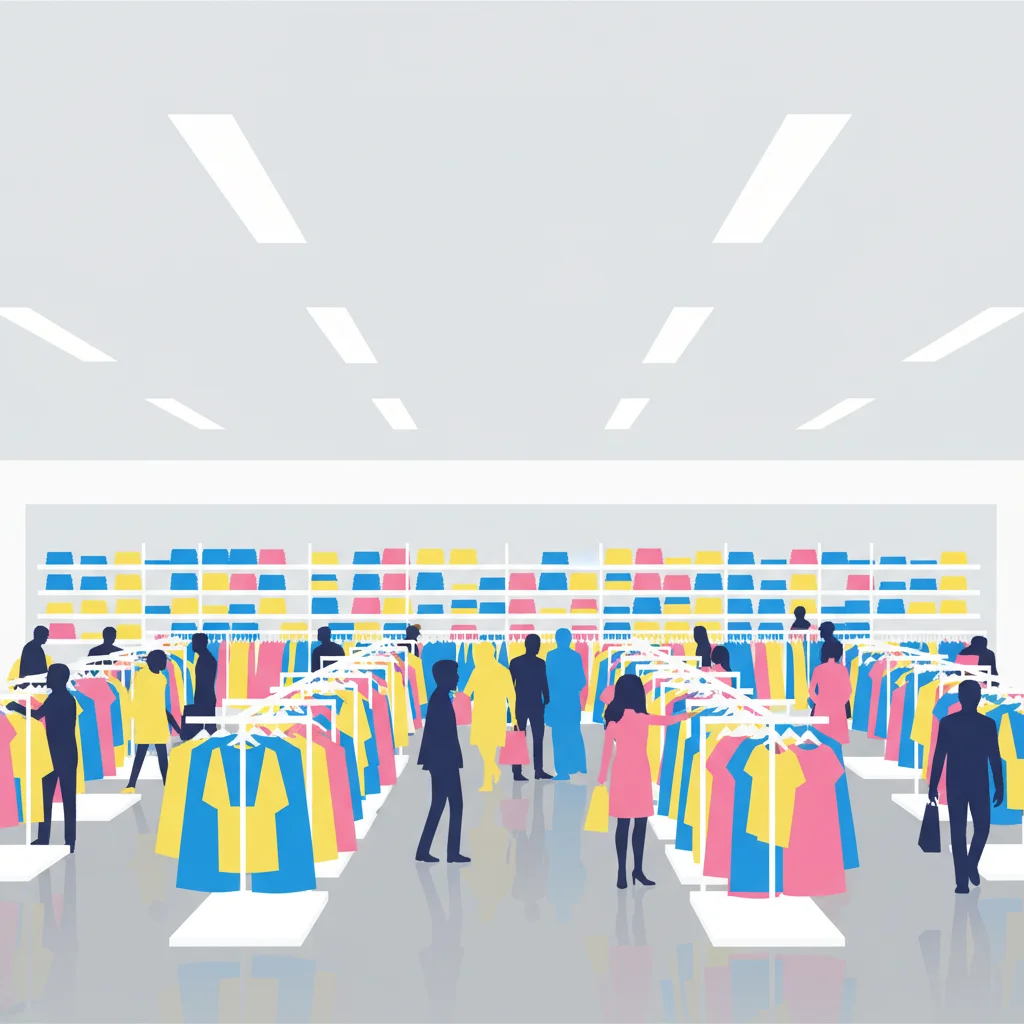
What is Fast Fashion?
Think about your wardrobe How often do you buy new clothes? Where do your clothes come from? What happens to clothes you no longer wear?

Defining Fast Fashion
Rapid production of trendy, low-cost clothing Short fashion cycles (2-4 weeks vs traditional 2 seasons) Mass production in developing countries Emphasis on quantity over quality Encourages frequent purchasing and disposal
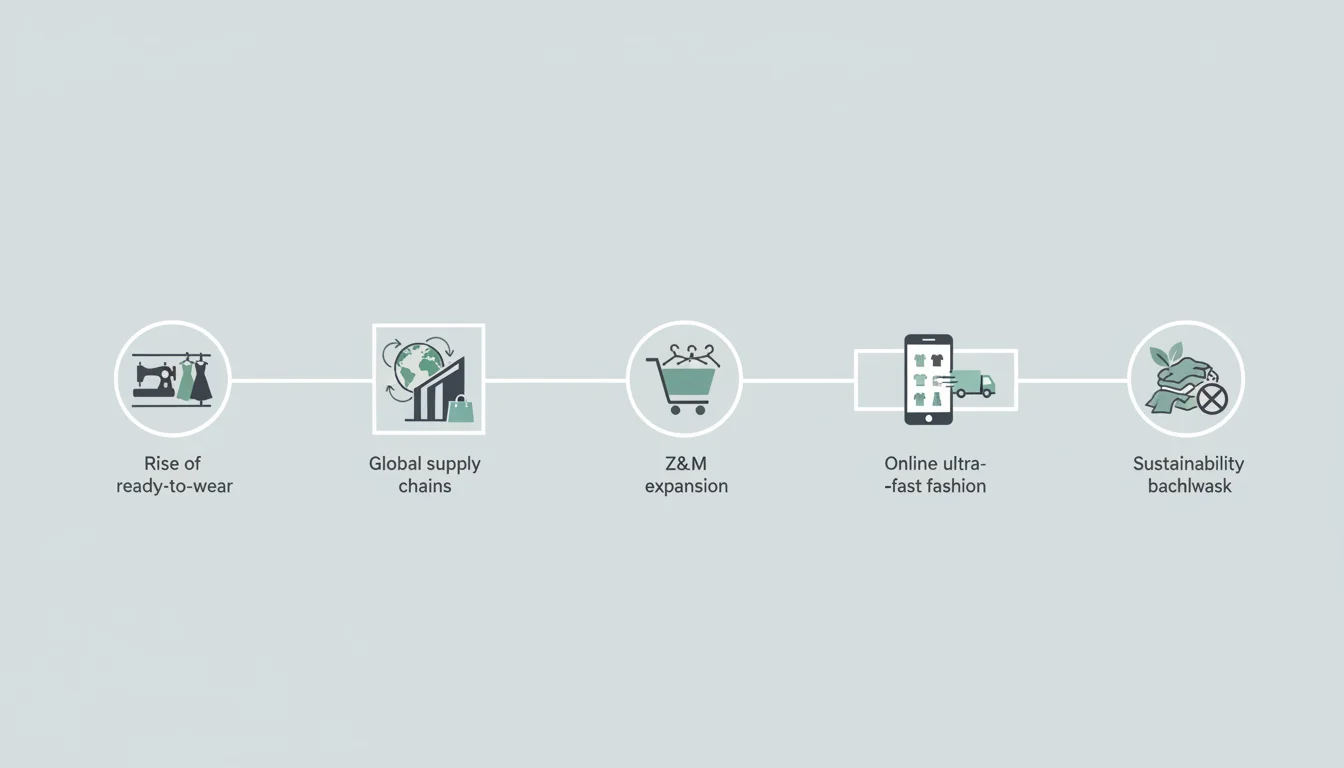
Fast Fashion Timeline: From Craft to Crisis
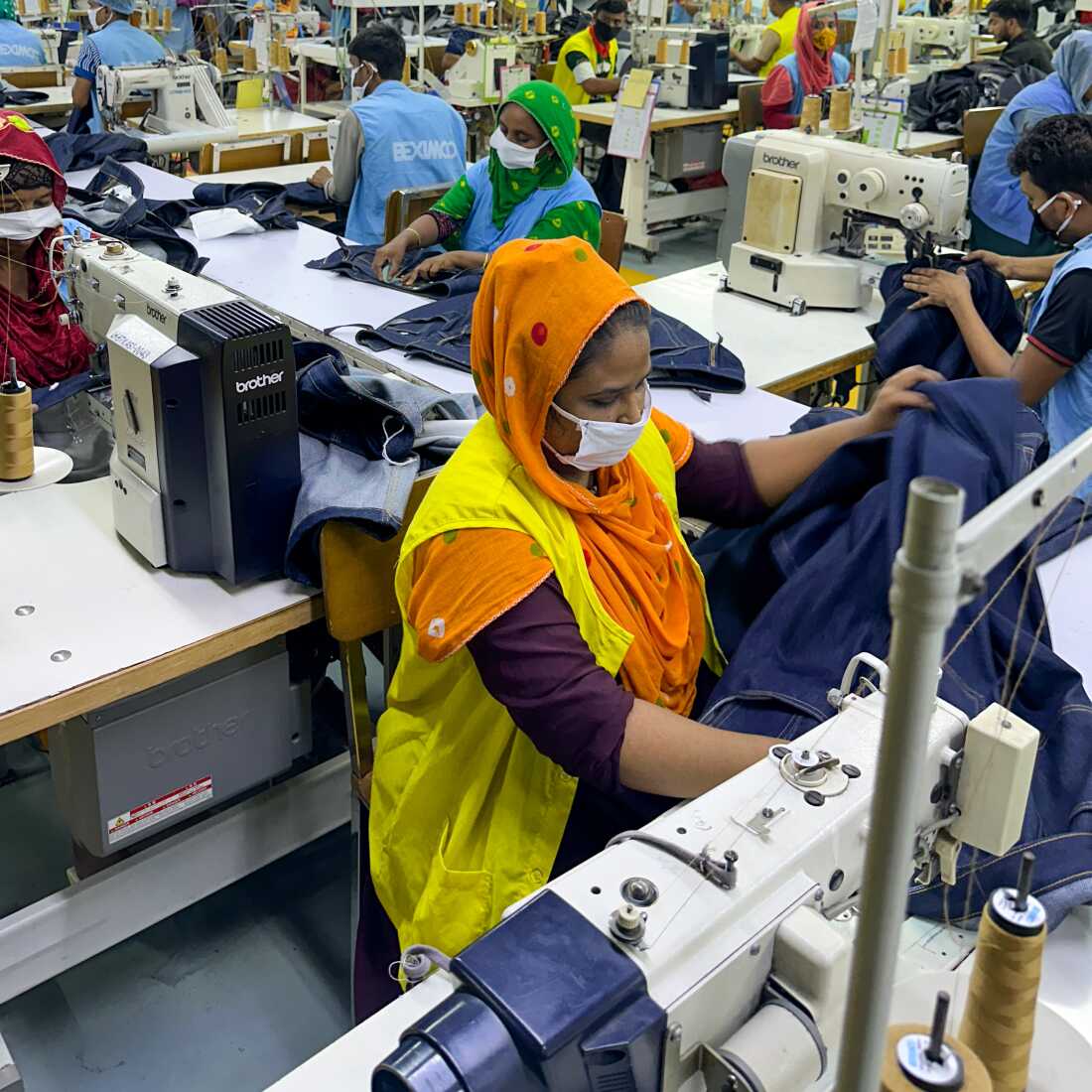
Global Production Networks
Design in developed countries (USA, Europe) Manufacturing in developing countries (Bangladesh, Vietnam, China) Complex supply chains spanning multiple countries Subcontracting to reduce costs and responsibility Race to the bottom for cheapest labor
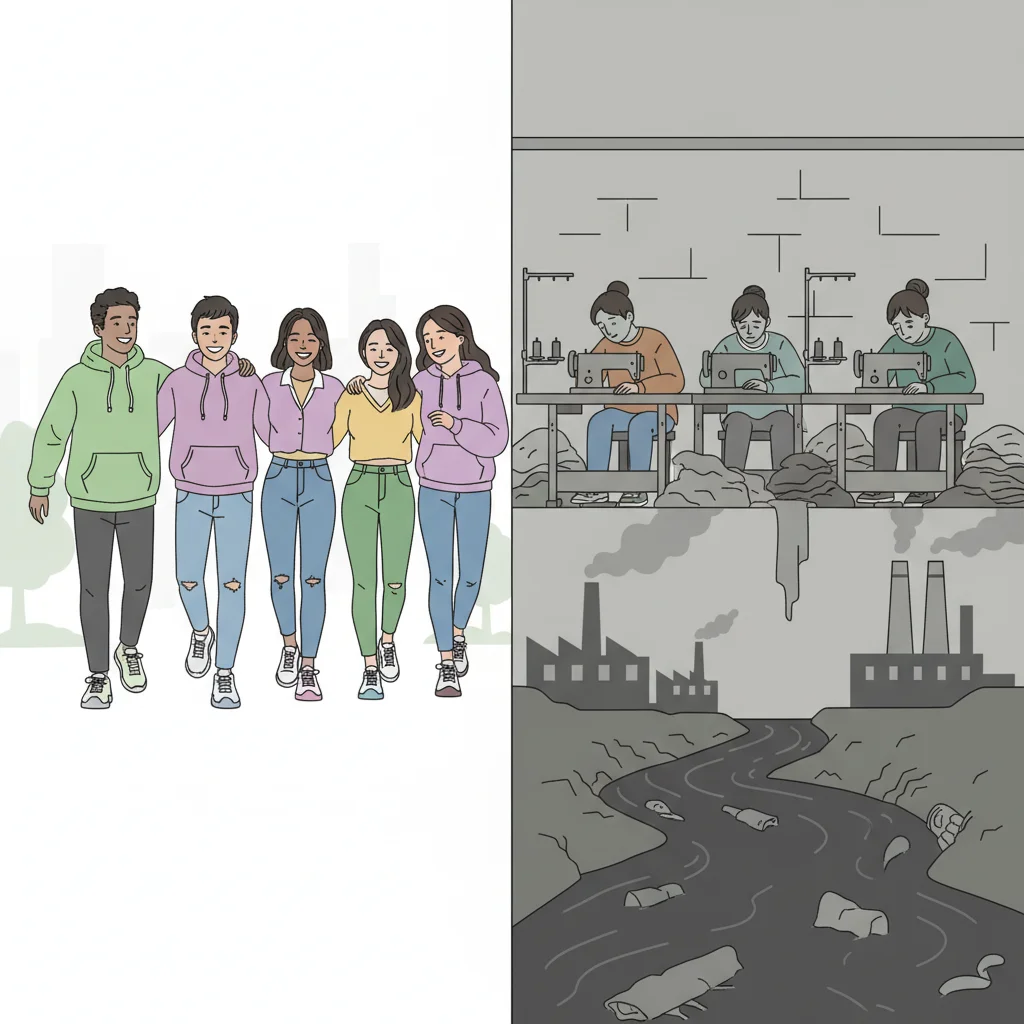
Fast Fashion: Contrasting Perspectives
{"left":"Provides affordable clothing for low-income consumers\nCreates employment in developing countries\nDemocratizes fashion trends\nSupports economic growth in manufacturing regions","right":"Exploits workers with poor wages and conditions\nContributes to environmental degradation\nCreates unsustainable consumption patterns\nUndermines local textile industries"}
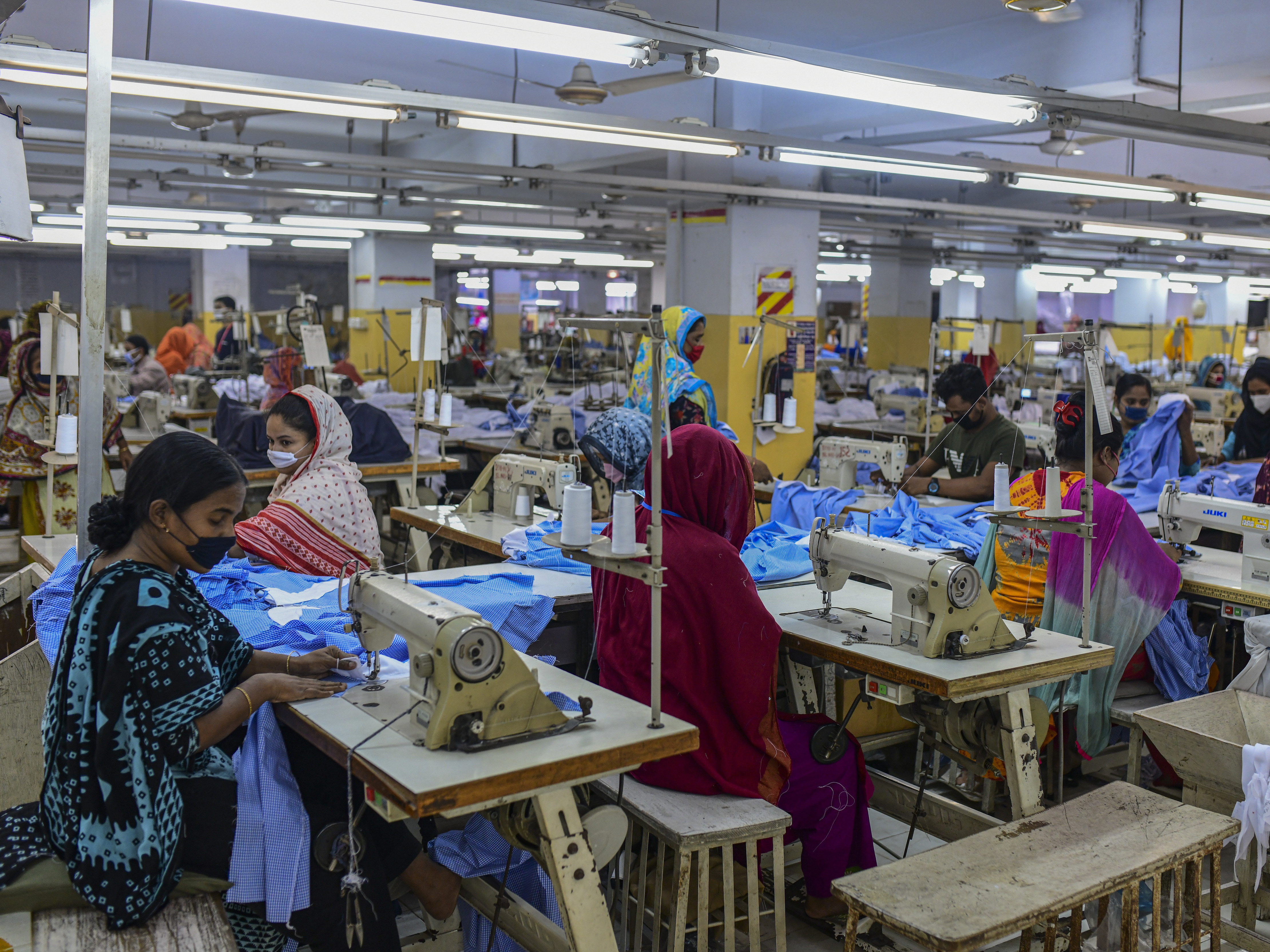
Case Study: Bangladesh Garment Industry
World's second-largest clothing exporter 4.4 million workers, 85% women Average wage: $68 USD per month (2020) Major supplier to H&M, Zara, Walmart Frequent workplace accidents and poor conditions
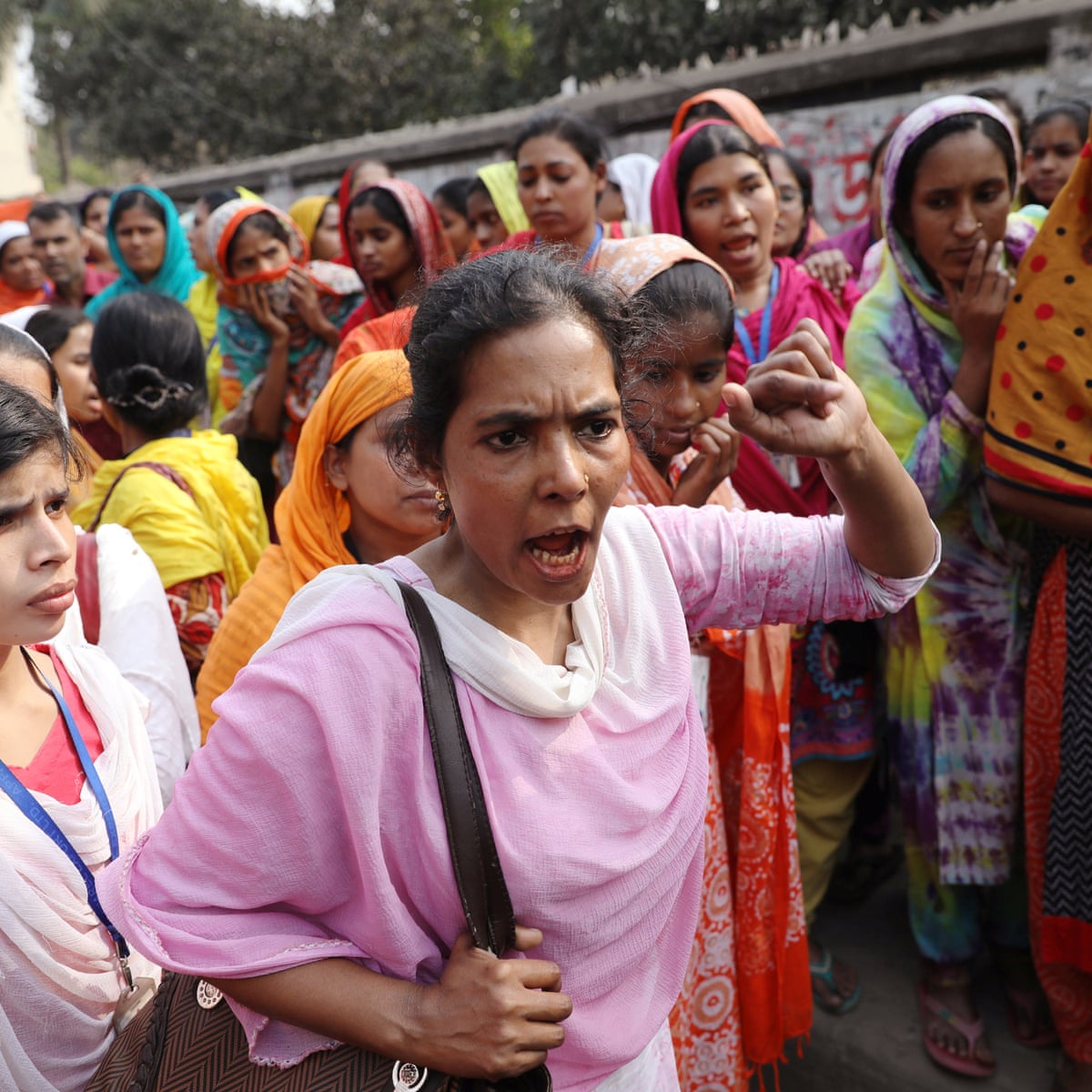
Worker Testimony
'We work 14-16 hours a day during busy seasons. The pay is not enough to support my family, but there are no other jobs available in my village.' - Rashida, 28, garment worker in Dhaka
Mapping Consequences Activity
Choose one fast fashion brand Research their supply chain Identify social impacts in 3 different countries Create a consequence map showing cause and effect Include both positive and negative impacts
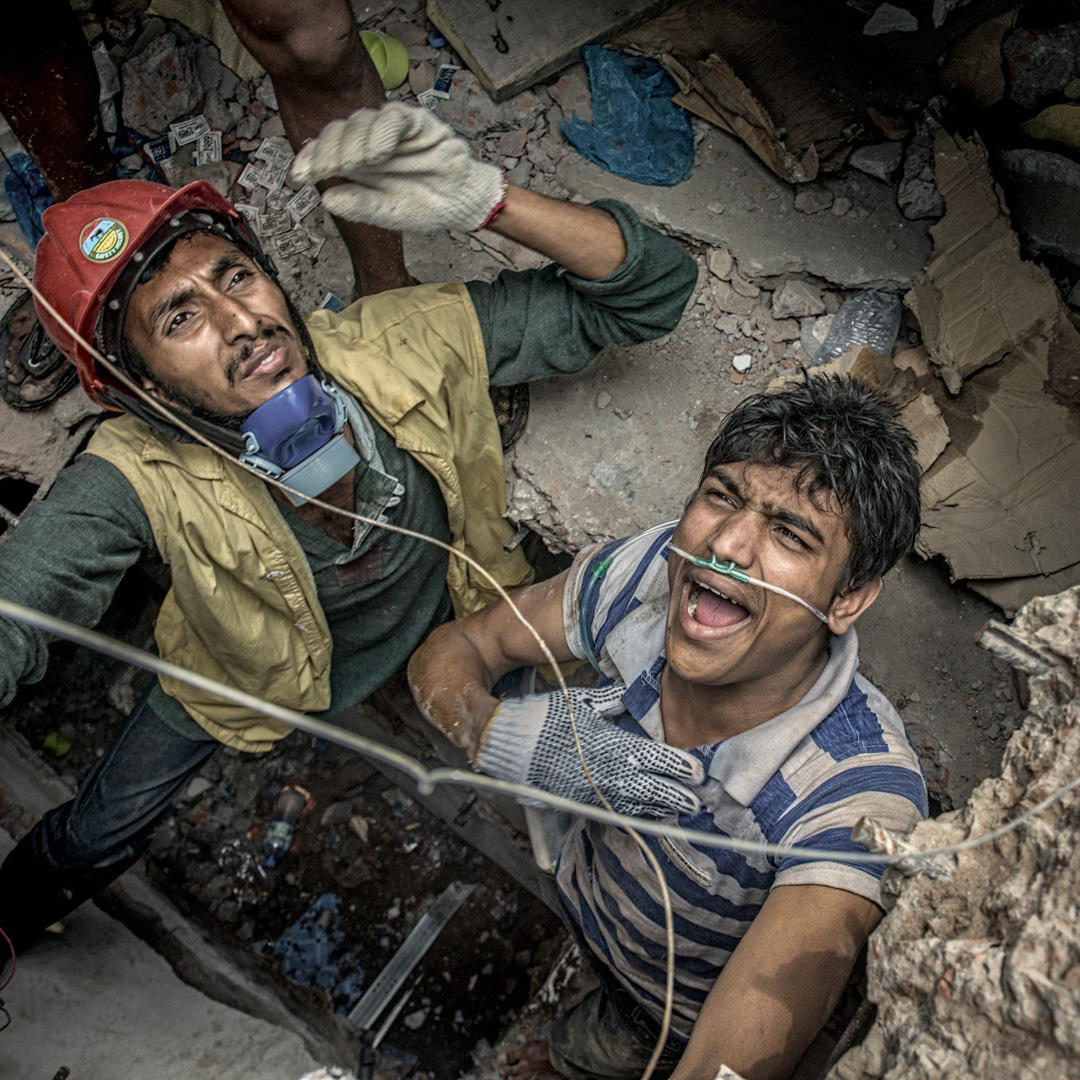
The Rana Plaza Collapse (2013)
1,134 workers killed, 2,500 injured Building housed 5 garment factories Cracks noticed day before collapse Workers forced to continue despite safety concerns Produced clothing for major Western brands
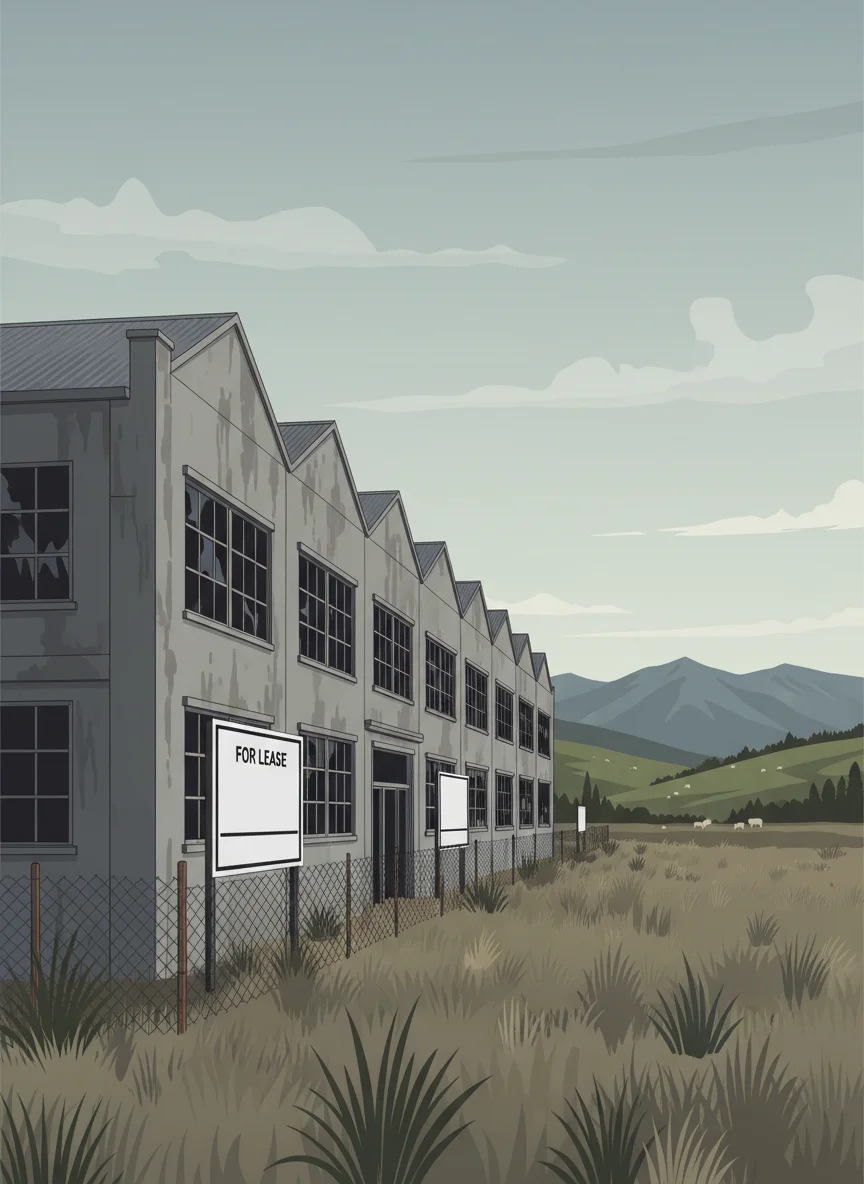
Social Impacts in New Zealand
Decline of local textile manufacturing Loss of skilled garment workers jobs Increased clothing waste in landfills Consumer debt from frequent purchases Cultural homogenization through global trends

Economic vs. Social Costs
{"left":"Low clothing prices benefit consumers\nCreates jobs in developing economies\nGenerates profits for retailers and shareholders\nContributes to GDP in manufacturing countries","right":"Exploitative wages keep workers in poverty\nUnsafe working conditions risk lives\nEnvironmental health impacts on communities\nUnsustainable consumption patterns"}
6 more slides available after you open the deck.
Download all 18 slides