Food Contaminants: Prevention and Safety
WALT: Understand types of food contaminants and prevention strategies Year 12 NCEA Unit Standard 167 Food Technology
What Do You Think?
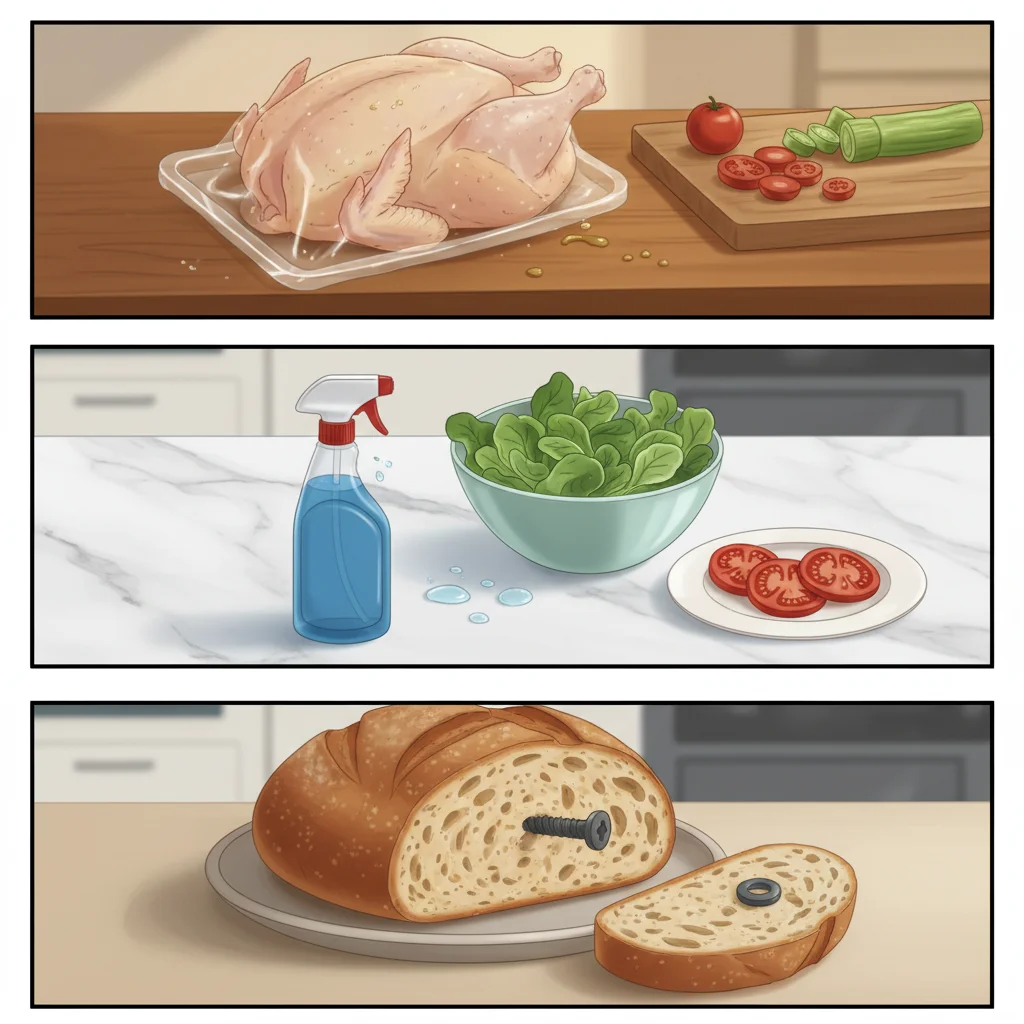
{"left":"Look at these scenarios:\n• Leftover chicken sitting on the counter for 4 hours\n• Cleaning spray accidentally sprayed near food prep area","right":"• Small piece of plastic found in packaged bread\nWhat types of contamination might these represent?"}
What Are Food Contaminants?
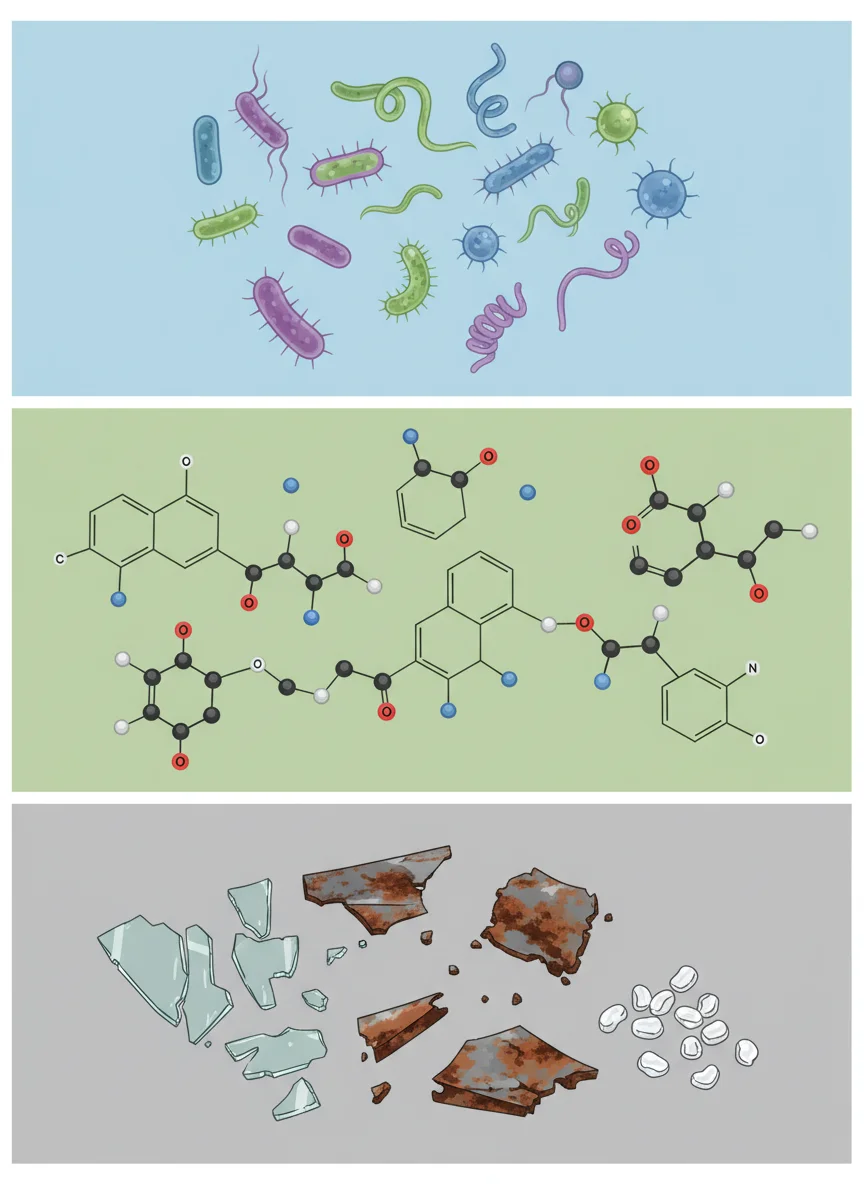
Harmful substances that make food unsafe to eat Can cause foodborne illness or injury Three main categories: • Biological (living organisms) • Chemical (toxic substances) • Physical (foreign objects) Prevention is key to food safety
Biological Contaminants
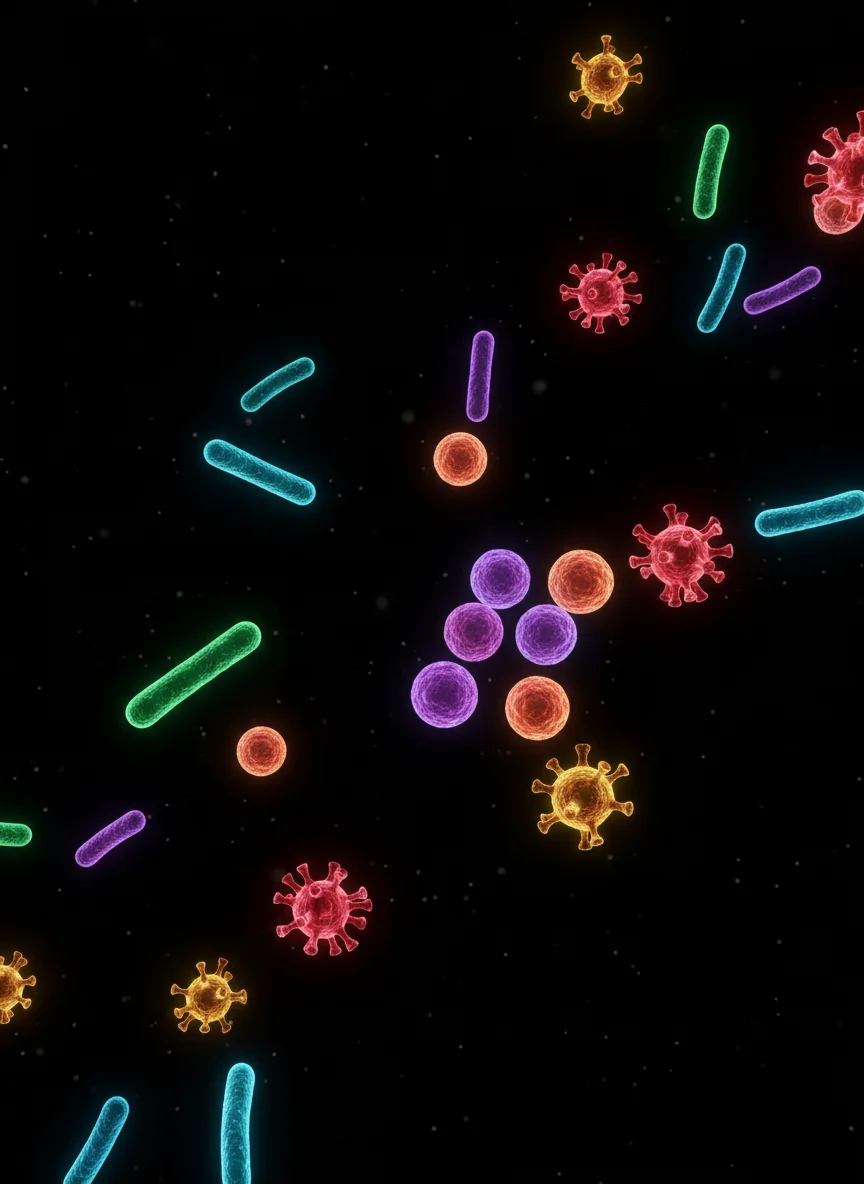
{"left":"Living microorganisms that cause foodborne illness\nTypes include:\n• Bacteria (E. coli, Salmonella, Campylobacter)\n• Viruses (Norovirus, Hepatitis A)","right":"• Parasites (Giardia, Cryptosporidium)\n• Fungi (moulds, yeasts)\nCannot be seen without a microscope\nMultiply rapidly in the Temperature Danger Zone (5-60°C)"}
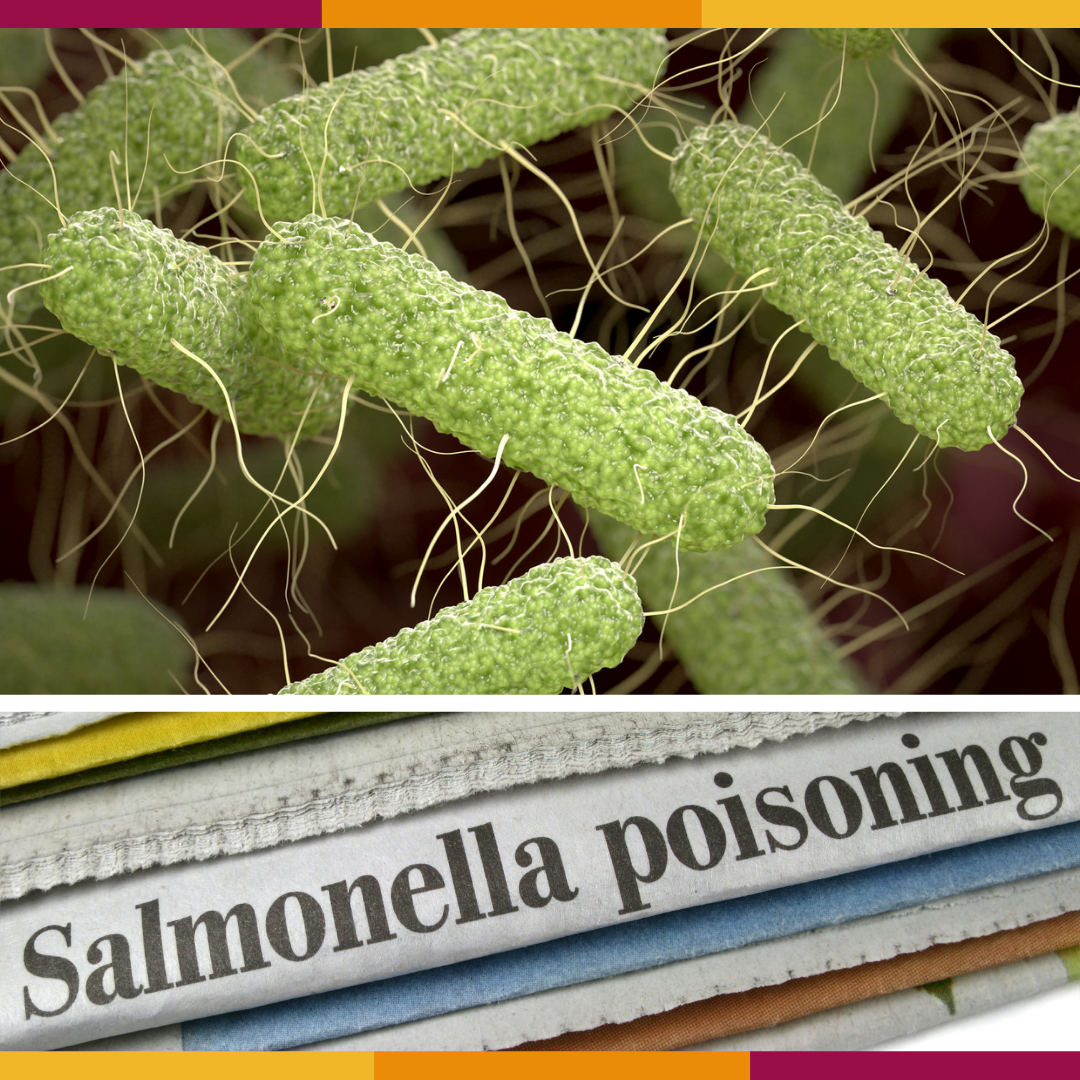
Case Study: Salmonella Outbreak
Read the scenario: A restaurant served undercooked chicken at a wedding. 45 guests became ill with symptoms including fever, diarrhea, and vomiting 12-72 hours later. Health authorities identified Salmonella as the cause. Your task: 1. Identify what went wrong 2. List three prevention strategies 3. Explain why symptoms appeared hours later
Chemical Contaminants
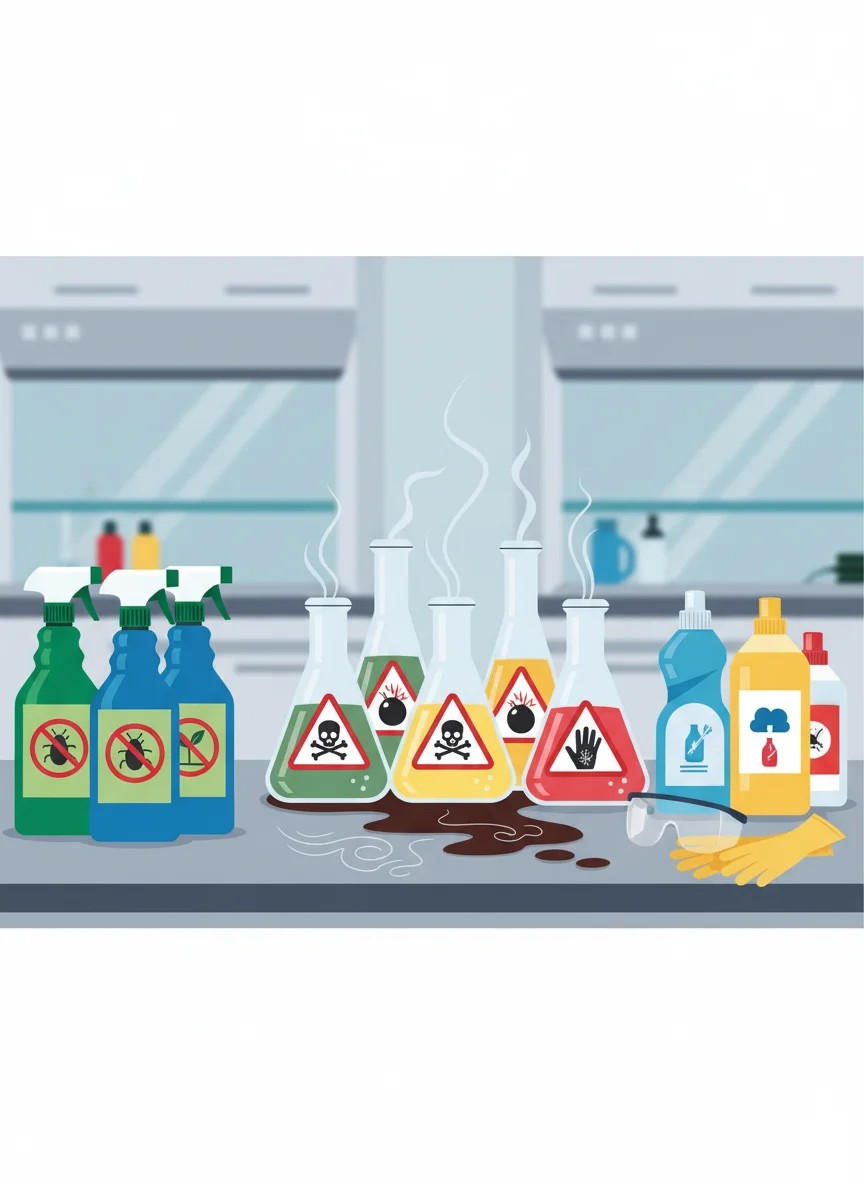
{"left":"Toxic substances that can poison food\nSources include:\n• Cleaning chemicals (bleach, sanitizers)\n• Pesticides and herbicides\n• Food additives in excess amounts","right":"• Heavy metals (lead, mercury)\n• Allergens (if not declared)\nOften tasteless and odourless\nCan cause immediate or long-term health effects"}
Physical Contaminants
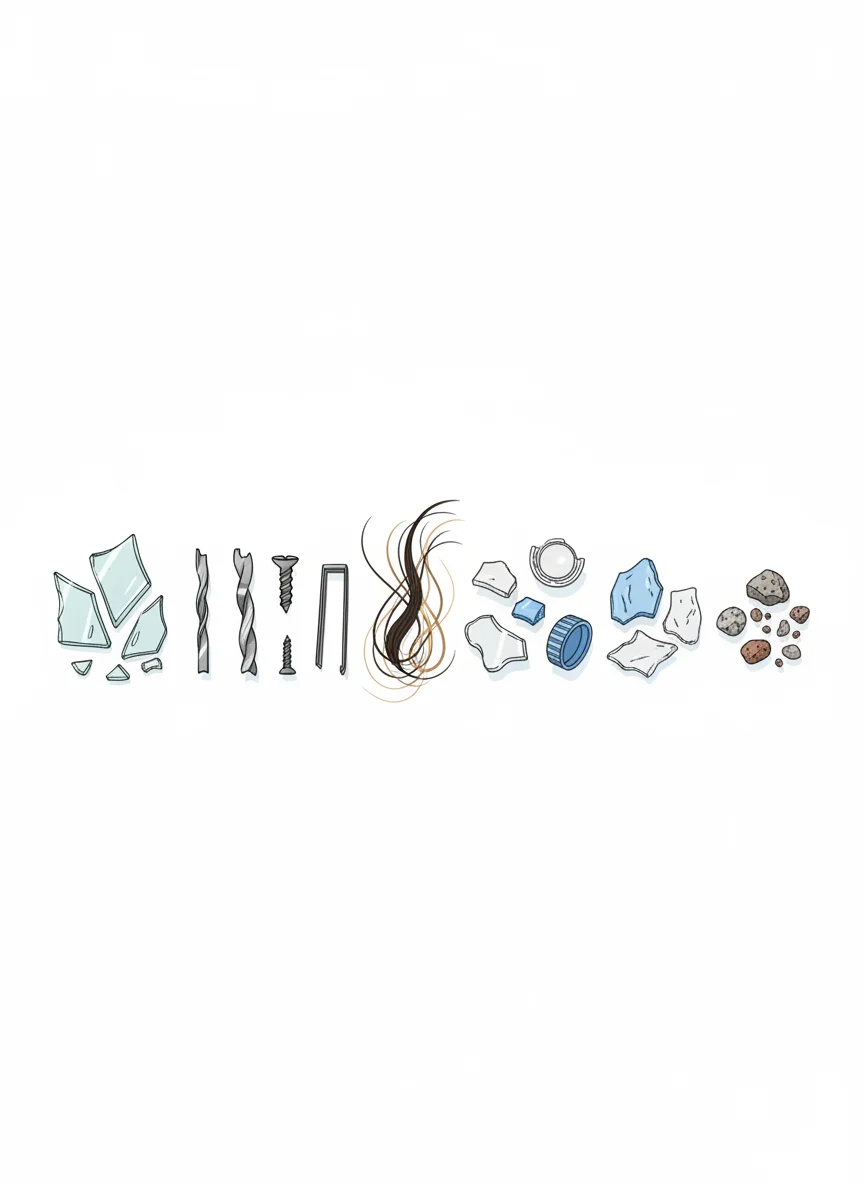
{"left":"Foreign objects that shouldn't be in food\nCommon examples:\n• Glass fragments (broken containers)\n• Metal pieces (machinery, jewelry)\n• Plastic fragments (packaging, equipment)","right":"• Hair, fingernails, bandages\n• Stones, dirt, insects\nCan cause choking, cuts, or broken teeth\nUsually visible but not always obvious"}

Foodborne Illness vs Food Spoilage
{"left":"Foodborne illness: Sickness caused by eating contaminated food\nUsually caused by biological contaminants\nSymptoms: nausea, vomiting, diarrhea, fever\nCan be serious or life-threatening\nExamples: food poisoning, gastroenteritis","right":"Food spoilage: Food quality deterioration\nMakes food unpalatable but not necessarily dangerous\nCaused by natural enzyme action and microorganisms\nSigns: off odours, changed texture, discoloration\nExamples: stale bread, sour milk, wilted vegetables"}
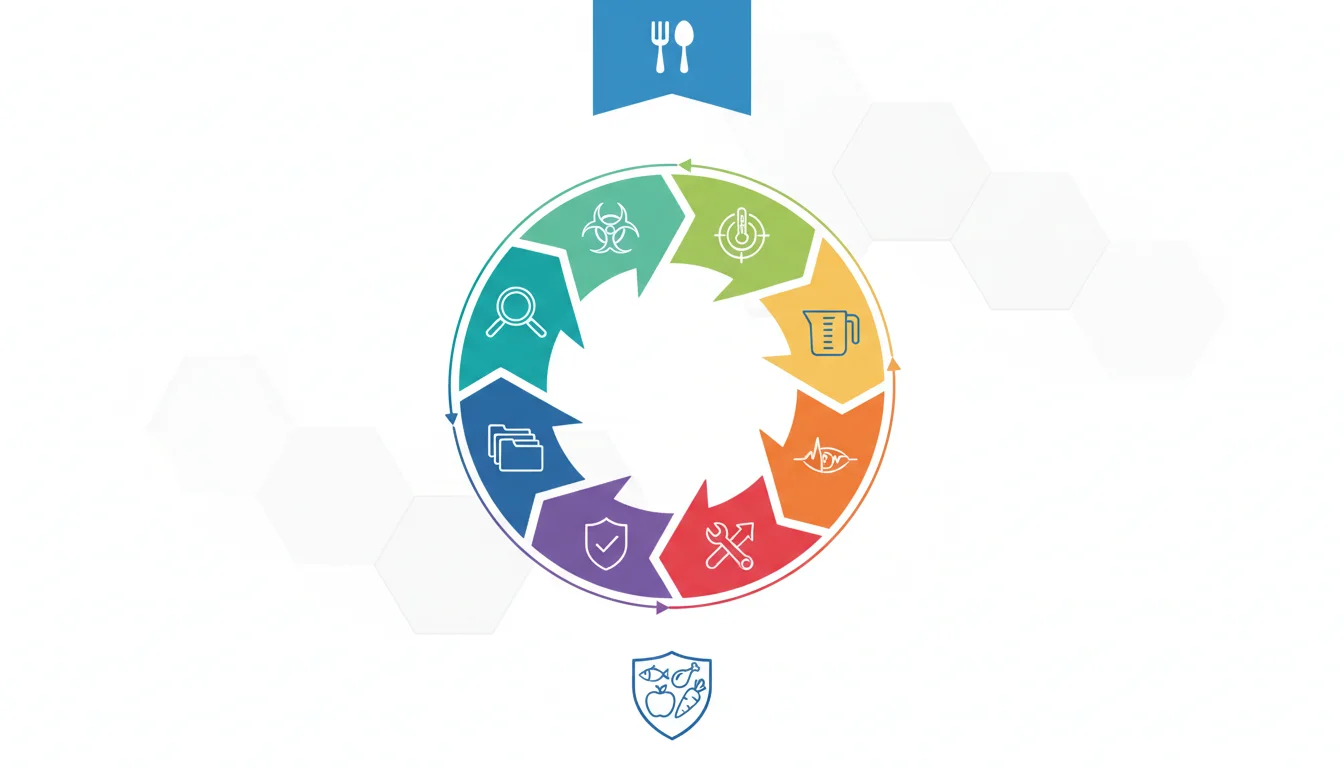
Prevention Strategies: The HACCP Approach

{"left":"Choose a food business scenario:\n• School canteen preparing sandwiches\n• Restaurant cooking and serving meals\n• Food truck at a festival\nCreate a prevention plan addressing:","right":"1. Biological contamination risks and controls\n2. Chemical contamination risks and controls\n3. Physical contamination risks and controls\n4. Staff training requirements\nPresent your plan to the class"}