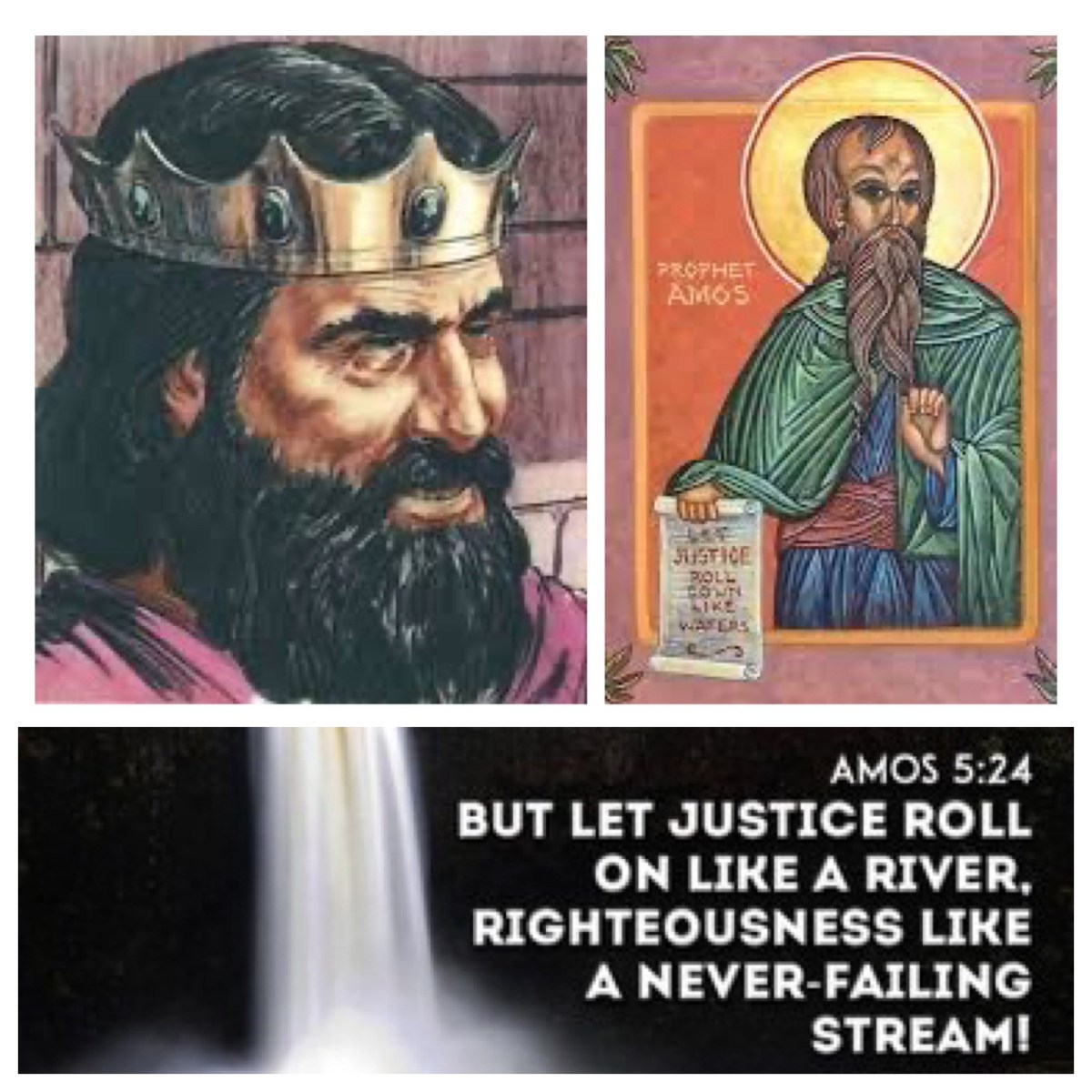
Hebrew Prophets: 750-500 BCE
Religious Studies - Year 12 The Prophetic Period in Ancient Israel and Judah

Learning Objectives
Understand the timeline and key figures of the Prophetic Period (750-500 BCE) Analyze the geographical significance of the 'Holy Land Highway' Examine social structures and daily life in ancient Israel and Judah Explore the religious evolution from polytheism to monotheism
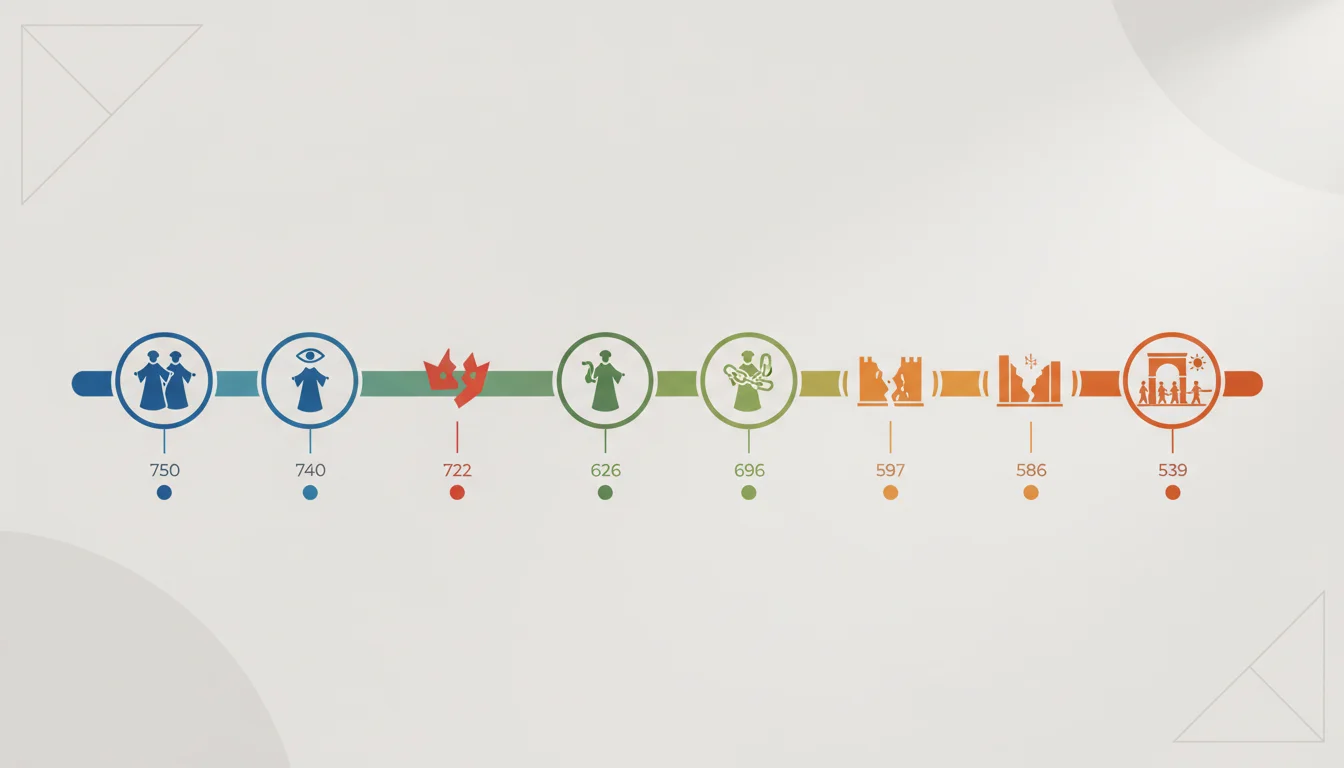
The Prophetic Period Timeline: 750-500 BCE
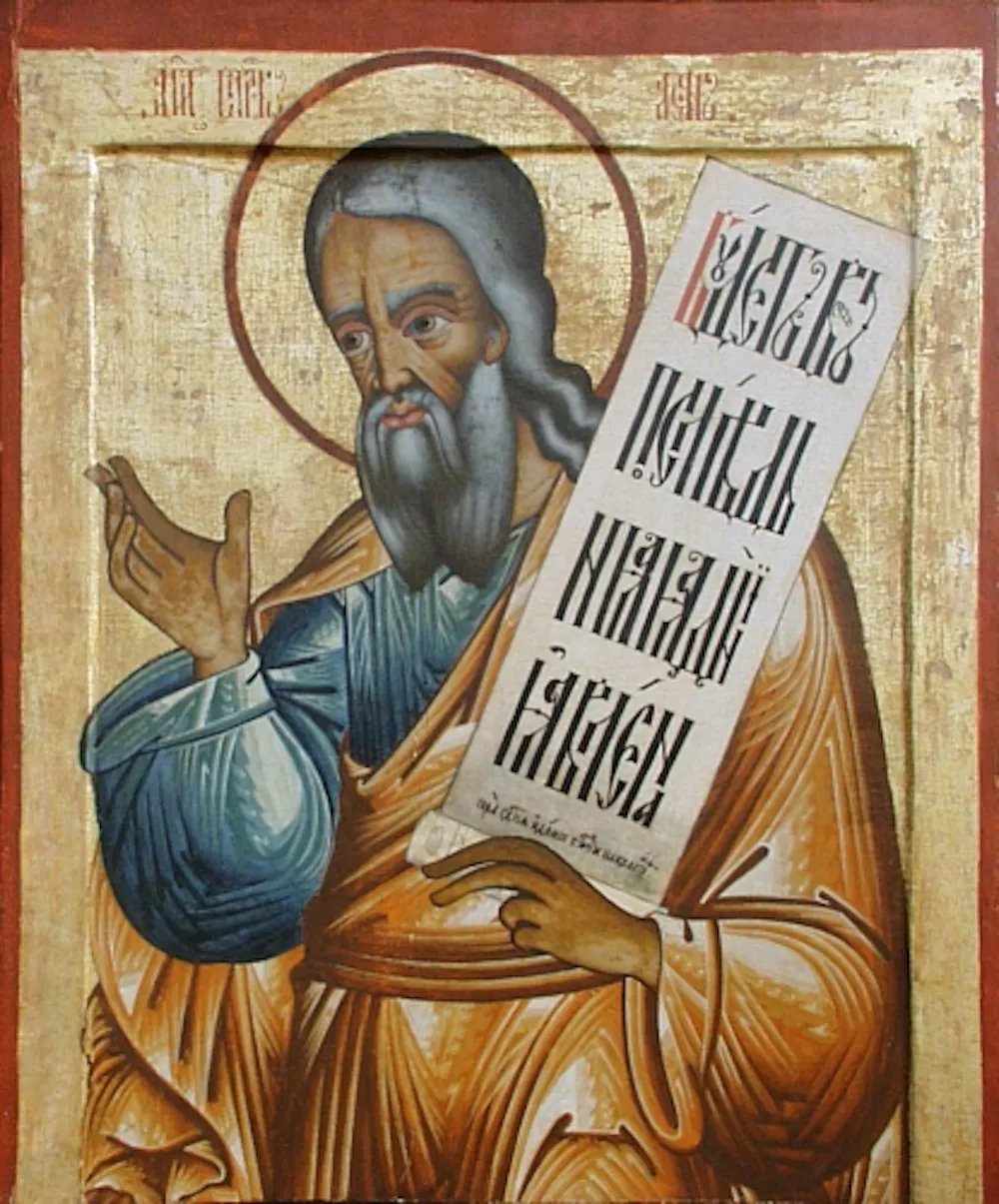
The 'Big Four' Prophets
Major Prophets: Isaiah and Jeremiah (longer books) Minor Prophets: Amos and Hosea (shorter books) Focus on these four for NCEA Level 3 Terms 'major' and 'minor' refer only to book length, not importance

What is a Prophet?
'A prophet is not primarily a predictor of the future, but a spokesperson for God, calling people back to faithfulness and justice.'
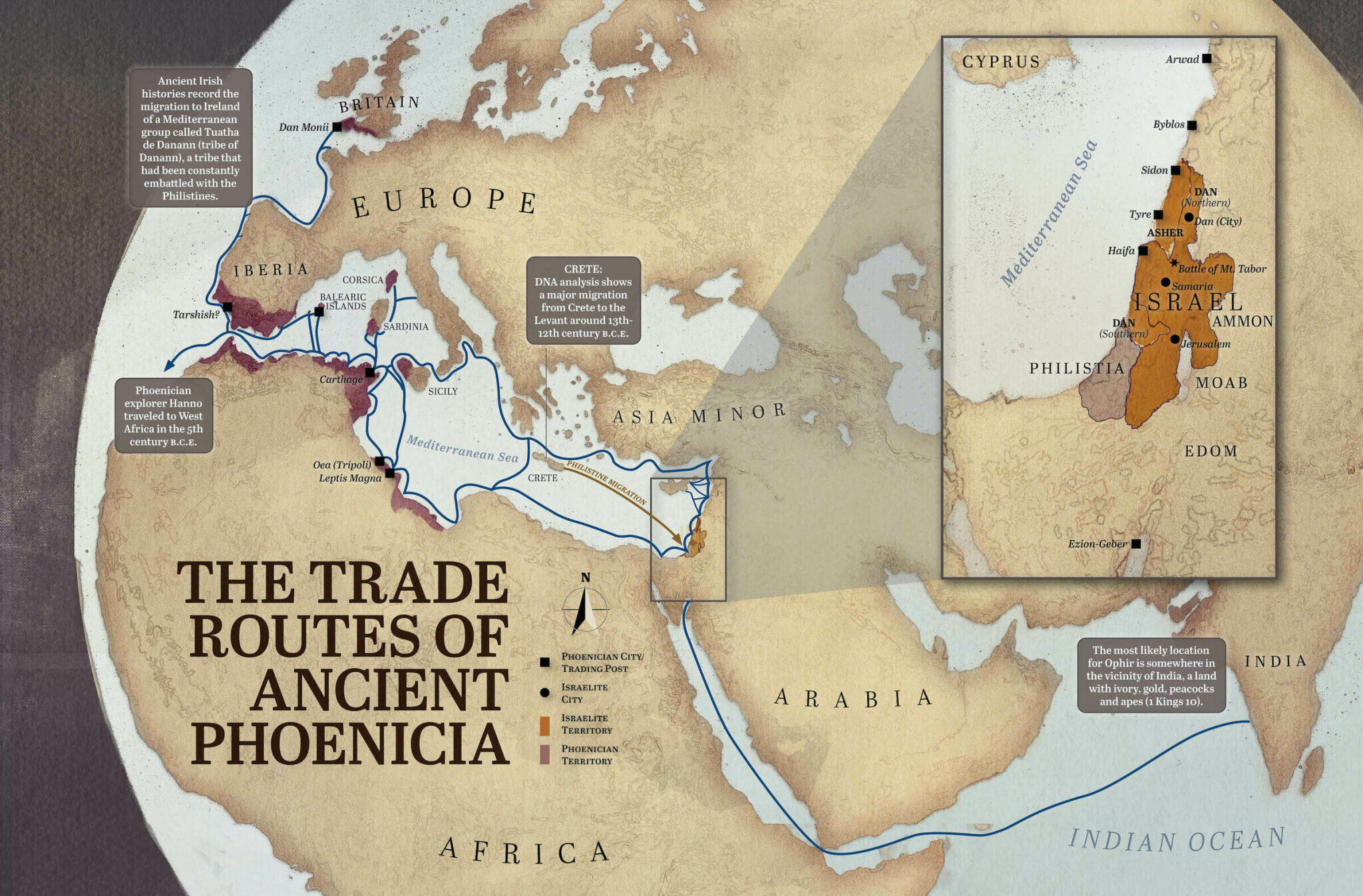
Geography: The Holy Land Highway
Israel and Judah sat at the crossroads of three continents Major trade route between Egypt, Mesopotamia, and Asia Minor Strategic location made it a target for empires Constant threat of invasion and occupation

Competing Empires
{"left":"Assyrian Empire (750-612 BCE): Conquered Northern Kingdom in 722 BCE, known for brutal military tactics\nBabylonian Empire (612-539 BCE): Destroyed Jerusalem in 586 BCE, exiled Judah's leaders","right":"Egyptian Empire: Southern power competing for control of trade routes\nPersian Empire (539-332 BCE): Allowed Jewish exiles to return and rebuild"}

Mapping Exercise
Using your atlas or the provided map Identify the locations of: Assyria, Babylon, Egypt, Persia Trace the trade routes through Israel/Judah Discuss: Why would empires fight for this territory?

Social Structure: Life on the Ground
Most people lived in small rural villages Subsistence farming was the norm Local governance by clan and town elders Patriarchal society - women's security depended on male connections Life dominated by fears of war, weather, and food security

Discussion Question
How might the harsh realities of daily life in ancient Israel influence what the prophets chose to speak about? Think about: poverty, injustice, foreign threats, religious practices
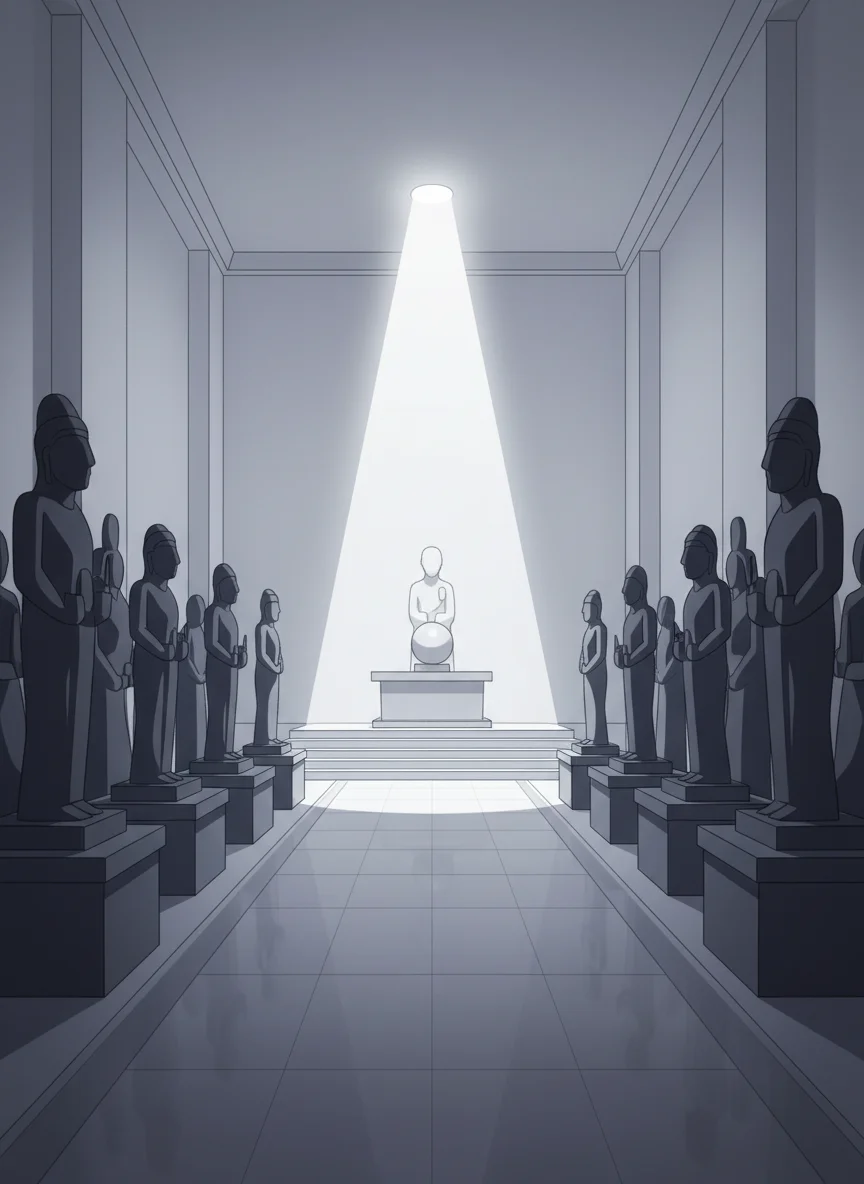
Religious Evolution: From Many to One
Early period: YHWH existed alongside other deities Popular gods: Baal (storm), Astarte (war/fertility), Asherah Gradual shift toward exclusive worship of YHWH King Josiah's reforms (620s BCE) centralized worship in Jerusalem
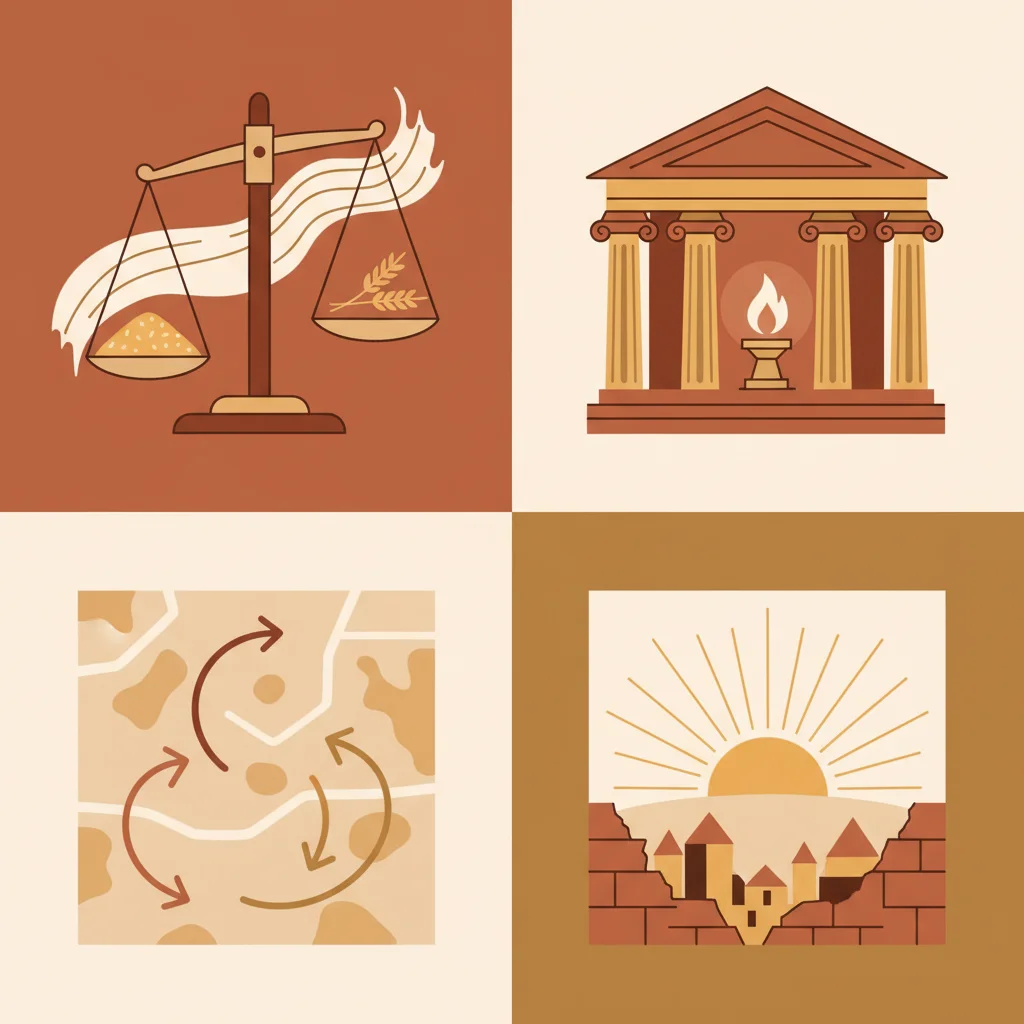
Prophetic Themes
{"left":"Social Justice: Care for widows, orphans, and poor; fair treatment in courts; honest business practices\nReligious Faithfulness: Worship YHWH alone; avoid idolatry; maintain covenant relationship","right":"Political Commentary: Foreign invasions as divine judgment; call for righteous leadership; warning against alliances\nHope and Restoration: Promise of return from exile; vision of renewed covenant; future peace and prosperity"}
2 more slides available after you open the deck.
Download all 14 slides