
How Do Plants Make Their Own Food?
Exploring Photosynthesis Year 5 Science
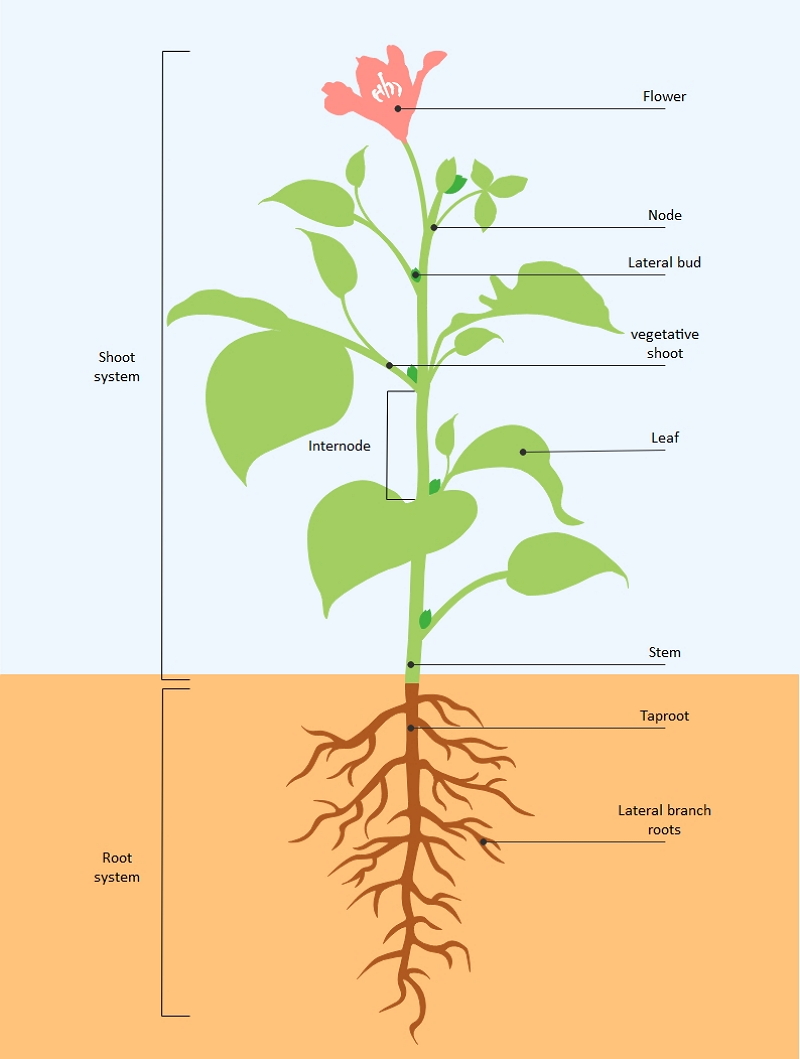
What Are the Main Parts of a Plant?
Roots - absorb water and nutrients from soil Stem - transports water and nutrients Leaves - where photosynthesis happens Each part has a special job in making food

The Amazing Leaf - Nature's Food Factory
Leaves are flat and green for a reason They contain tiny green parts called chloroplasts Chloroplasts have chlorophyll - the green stuff Chlorophyll captures sunlight energy
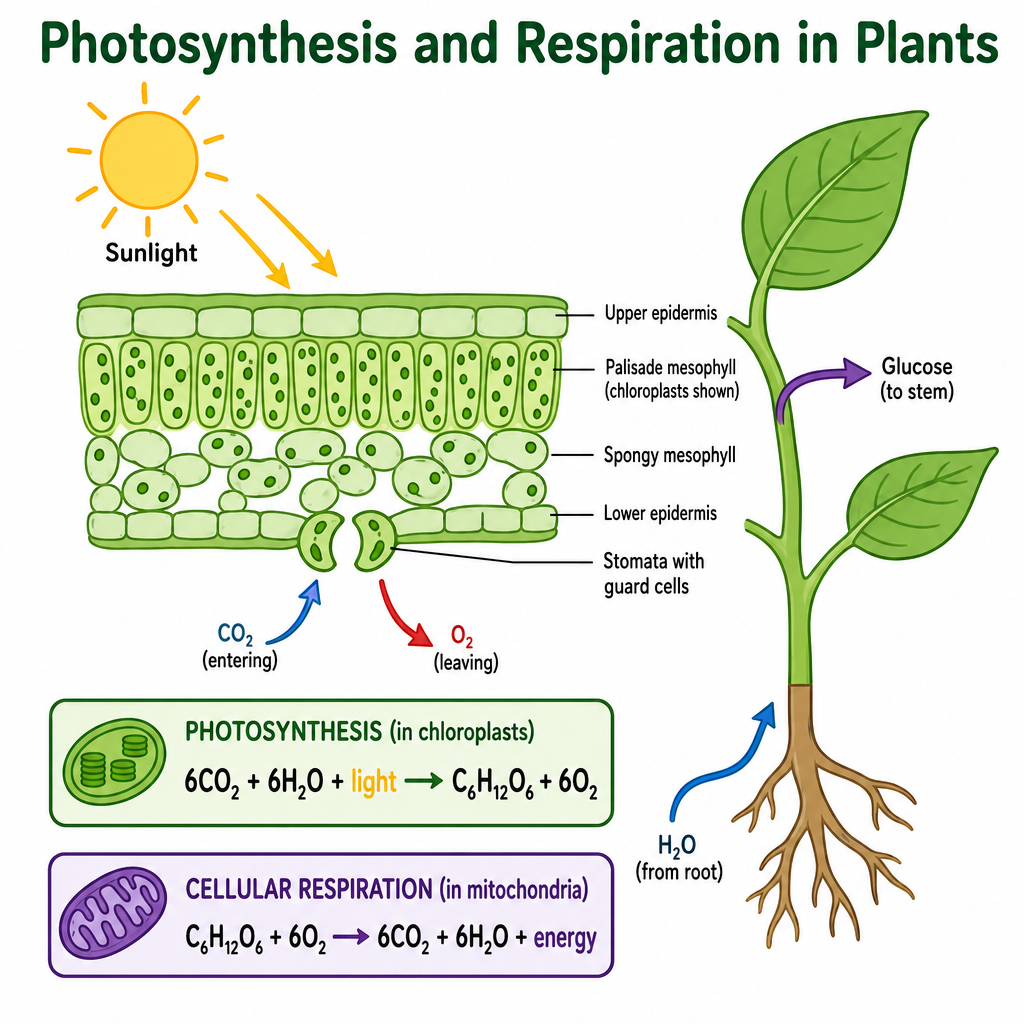
What Do Plants Need to Make Food?
Sunlight - provides energy Water - absorbed through roots Carbon dioxide - taken from the air All three ingredients are essential
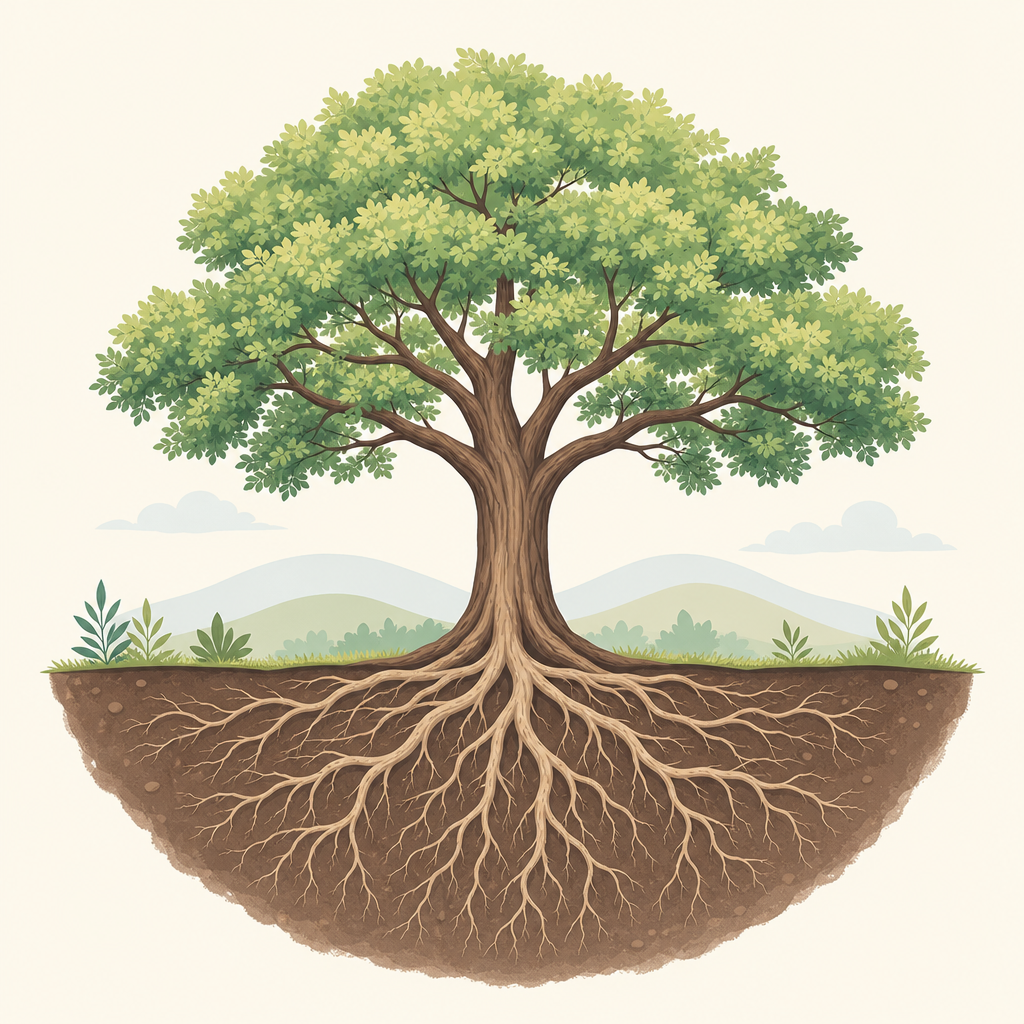
How Do Plants Get Water?
Roots spread out underground like straws They soak up water from the soil Water travels up through the stem Water reaches every part of the plant

How Do Plants Breathe In Carbon Dioxide?
Plants have tiny holes called stomata Stomata are on the bottom of leaves They open and close like tiny mouths Carbon dioxide enters through these holes
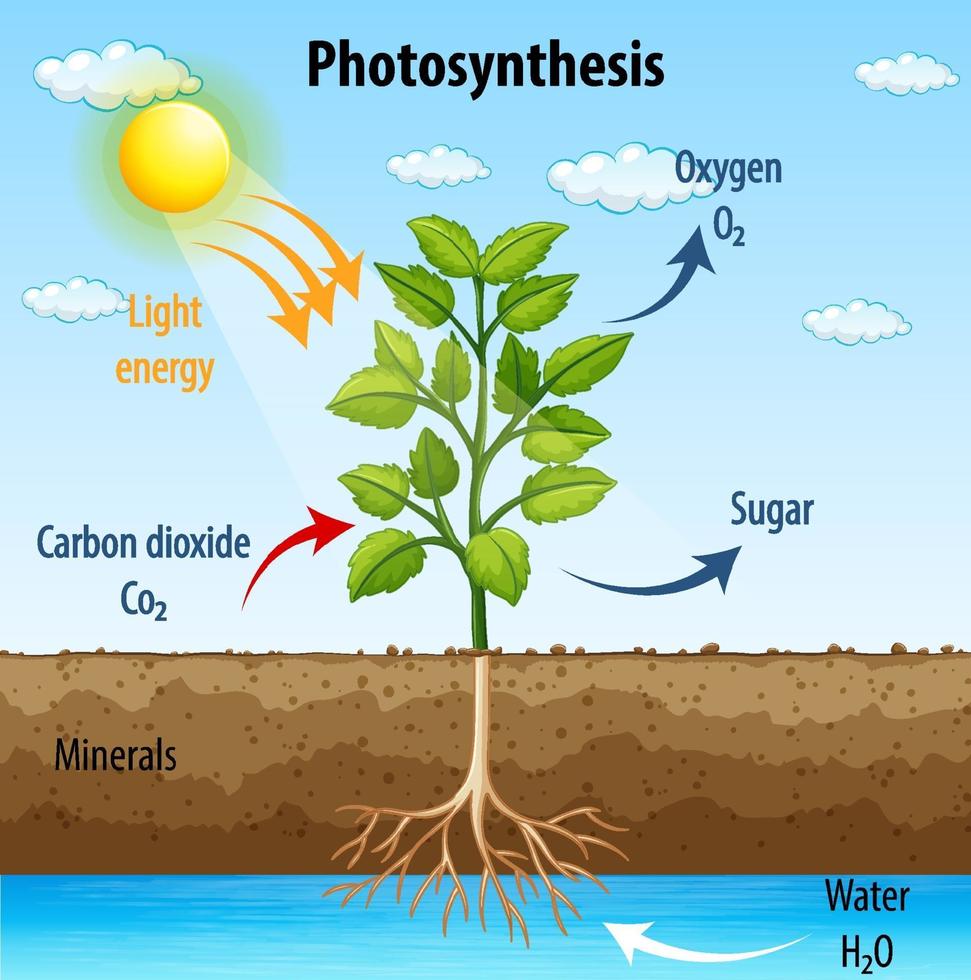
The Photosynthesis Recipe
Sunlight + Water + Carbon Dioxide = Glucose + Oxygen

What Happens During Photosynthesis?
Chlorophyll captures sunlight energy Water and carbon dioxide combine using this energy Glucose (sugar) is made as plant food Oxygen is released as a bonus gift to us!
Photosynthesis in Action
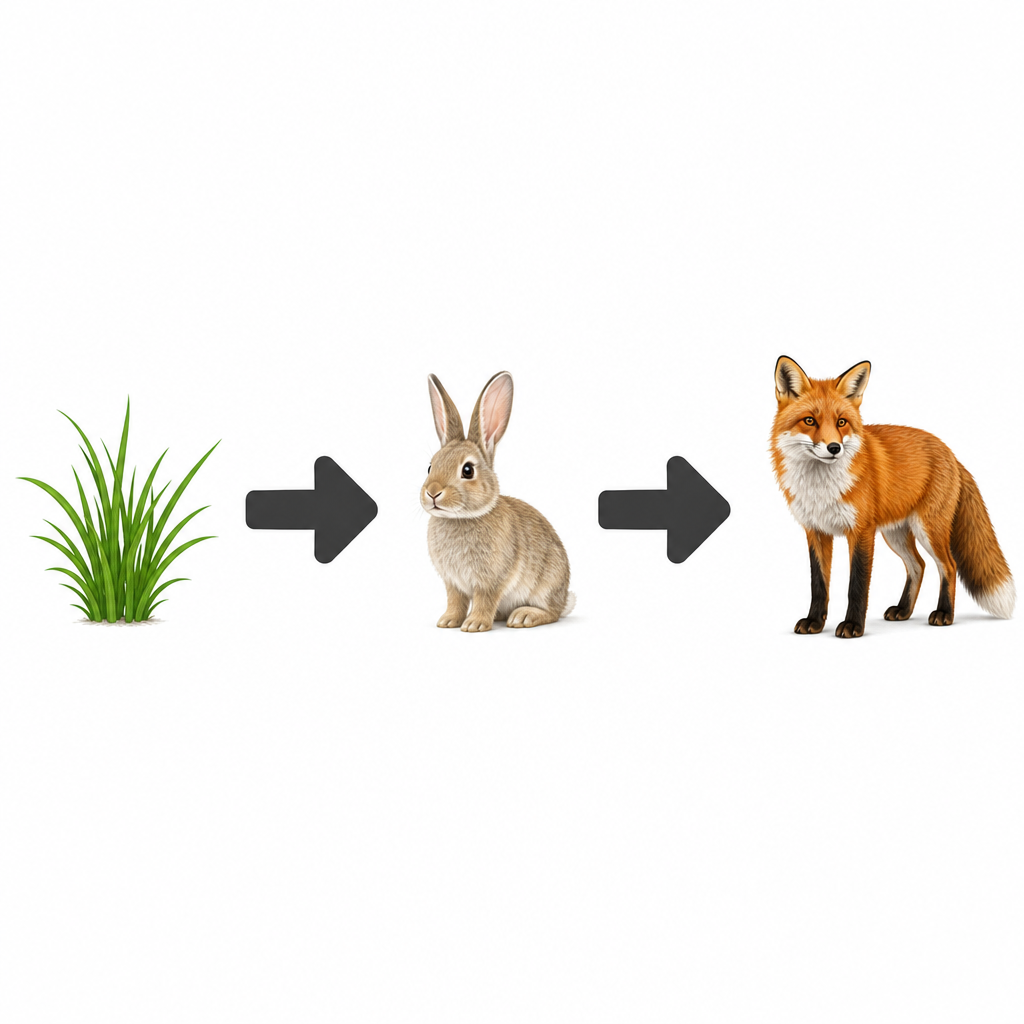
Why Is Photosynthesis So Important?
Plants make their own food (glucose) Plants release oxygen for us to breathe Animals eat plants for energy Photosynthesis starts all food chains on Earth
Think and Discuss
What would happen if all plants stopped doing photosynthesis? Why do you think plants are green? Where does the energy in your food originally come from?

Common Misconception Check
MYTH: Plants get food from the soil TRUTH: Plants make food using sunlight, water, and air Soil provides nutrients (like vitamins) but not food The glucose plants make IS their food
3 more slides available after you open the deck.
Download all 15 slides