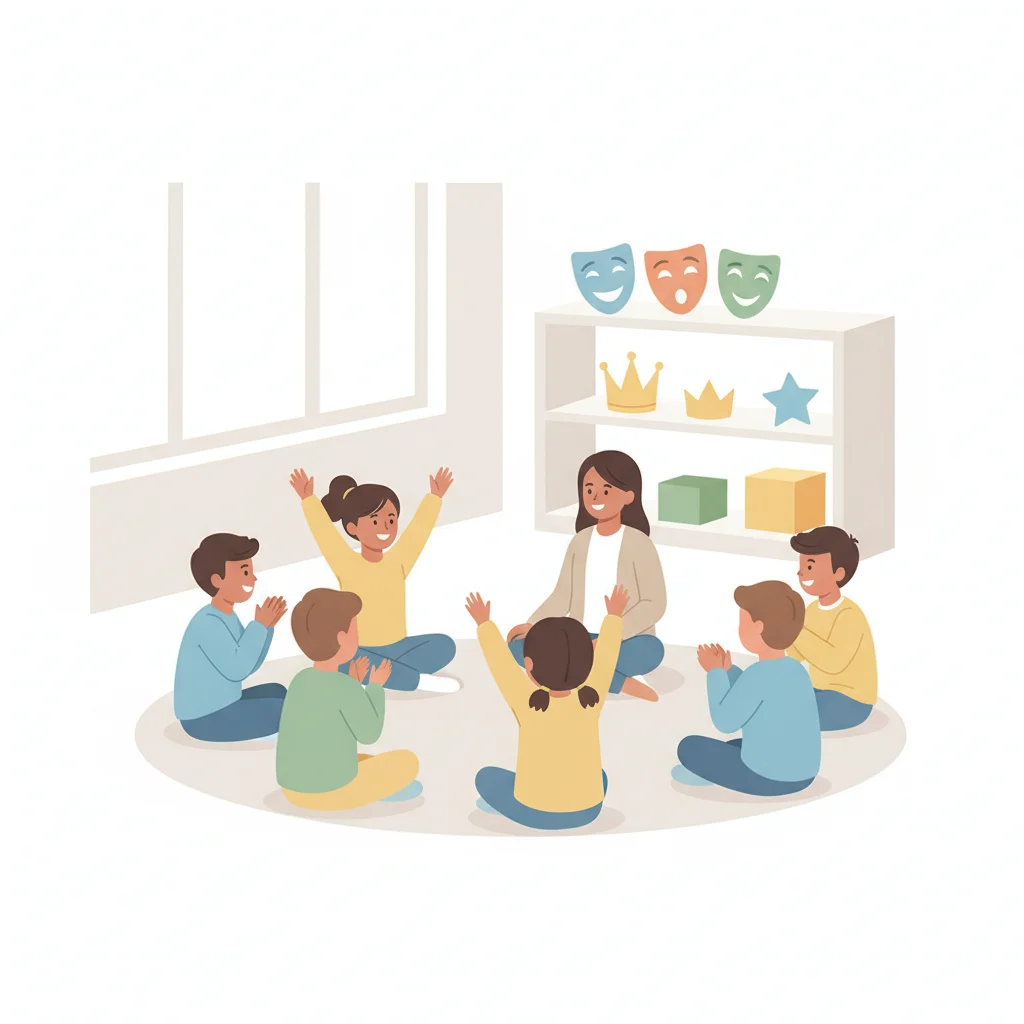
Improvisation and Empathy: Drama in Action
Years 2-3 Drama Lesson 45 minutes Building character skills through improvisation

Learning Objectives
Take on character roles with authenticity Use expression, body language, and voice effectively Listen actively and respond spontaneously Collaborate to create improvised scenes

Curriculum Connections
NZ Curriculum Drama Levels 1-2 Character and role development Drama skills and improvisation Key competencies: Managing self, Relating to others English oral language support
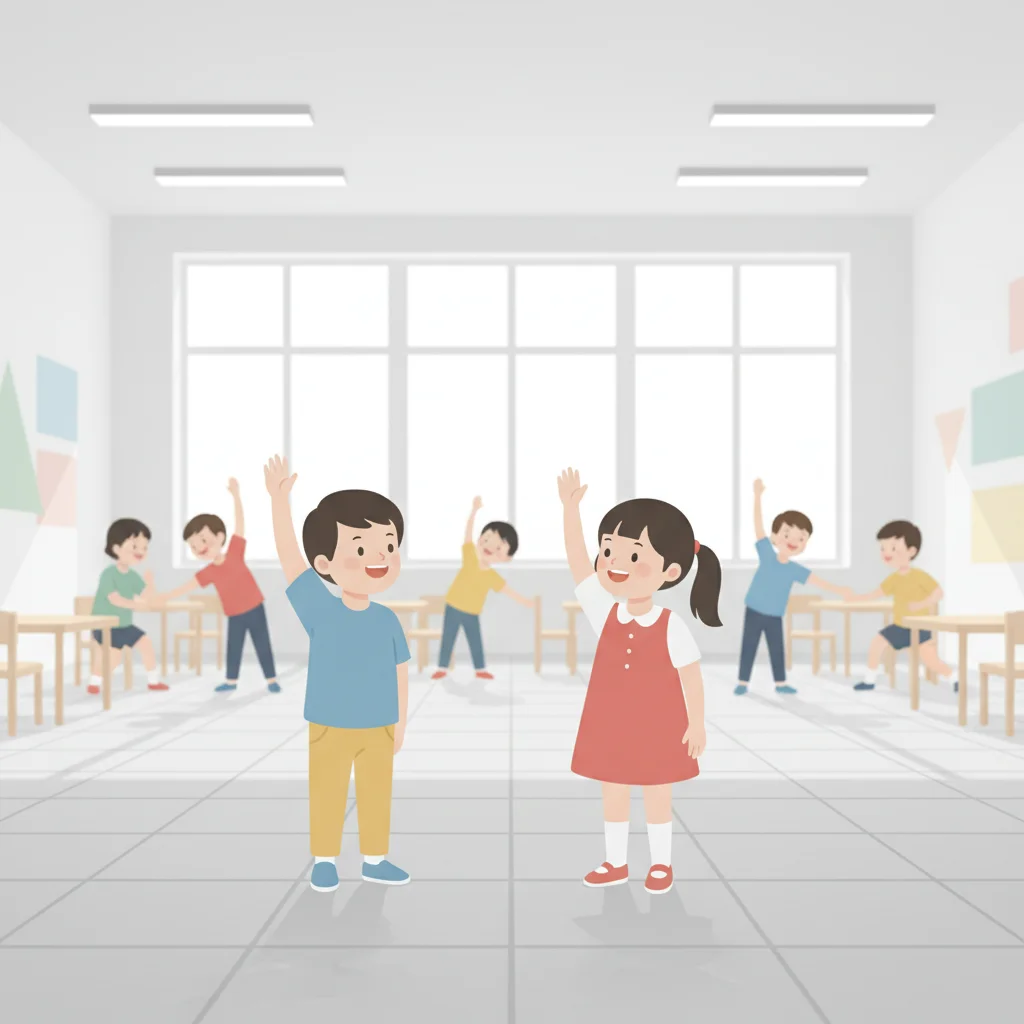
Warm-up: Mirror Pairs
Find a partner and face each other One person leads, one mirrors Copy movements and facial expressions Switch roles after 2 minutes

What is Improvisation?
Making up a story or scene on the spot Staying true to your character No script - just imagination! Listening and responding naturally

Understanding Empathy
Empathy means trying to understand what your character feels and thinks - stepping into their shoes!
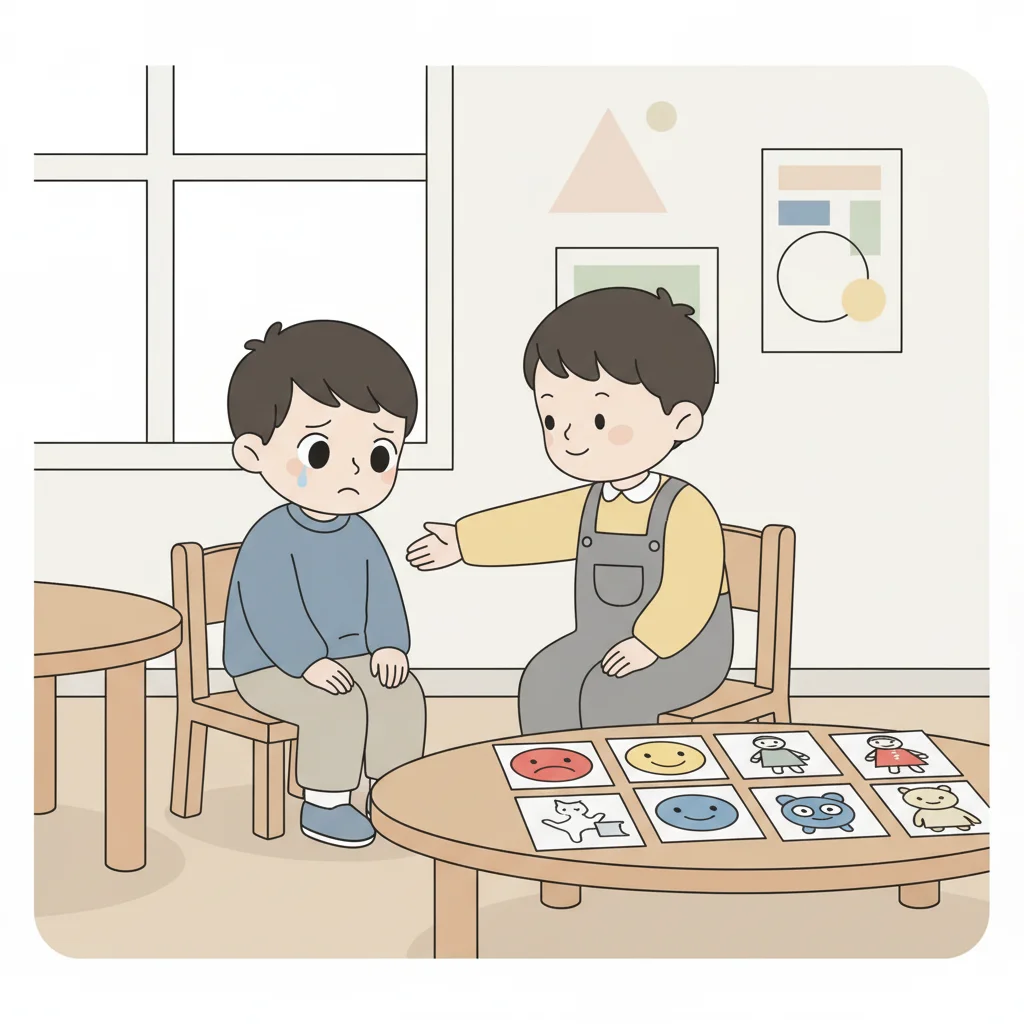
Pair Improvisation: Emotion Response
Work in pairs Pick one character card and one emotion card Create a 1-2 minute scene One shows emotion, other responds naturally Listen to body language and voice
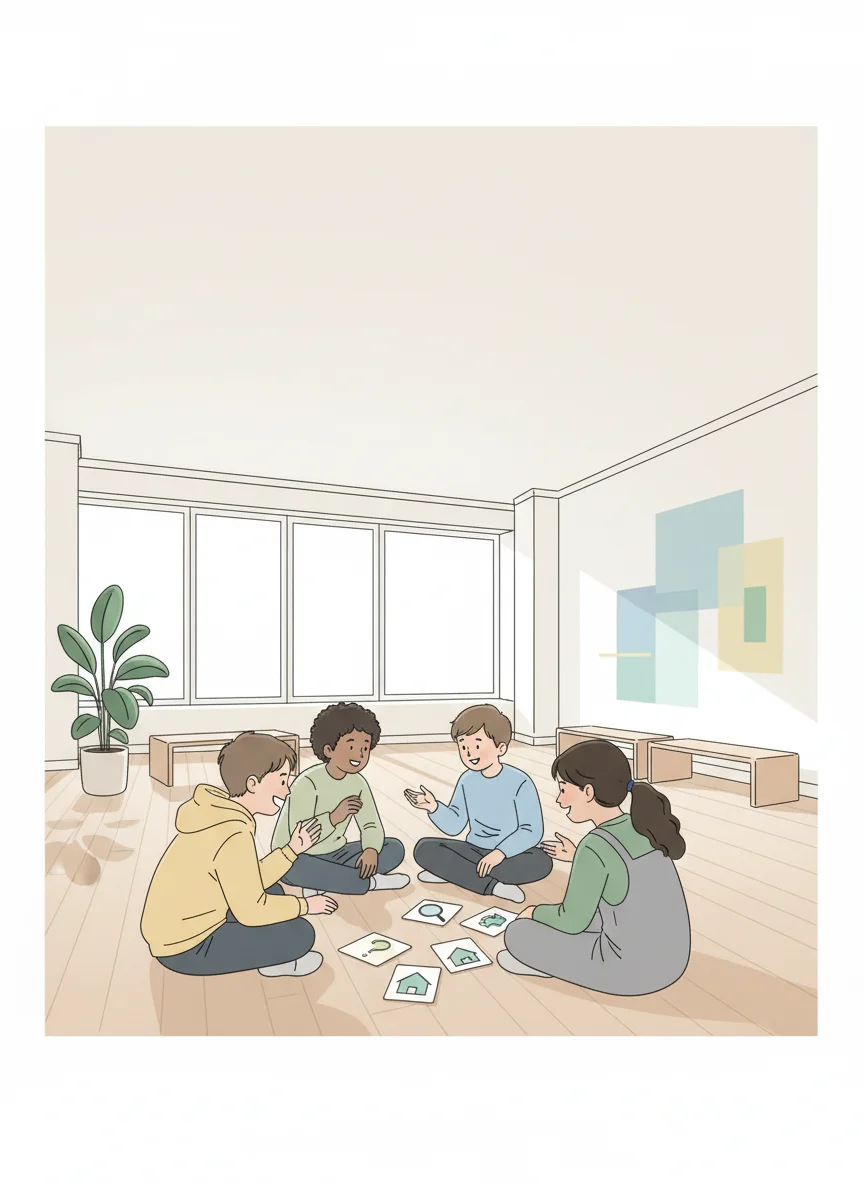
Group Scene Creation
Form groups of 4-5 students Choose a scenario prompt Assign roles within your group Use improvisation to create a short scene Focus on expressing emotions authentically
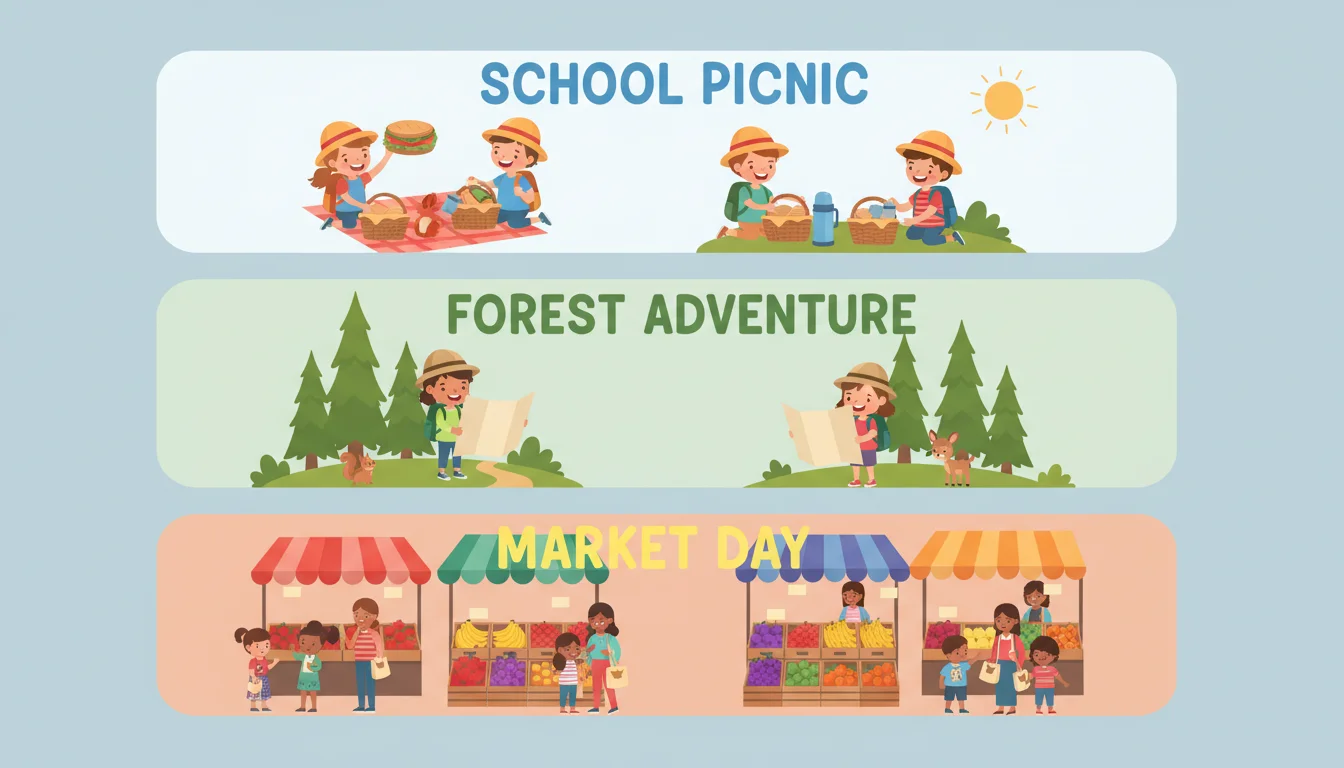
Scenario Examples
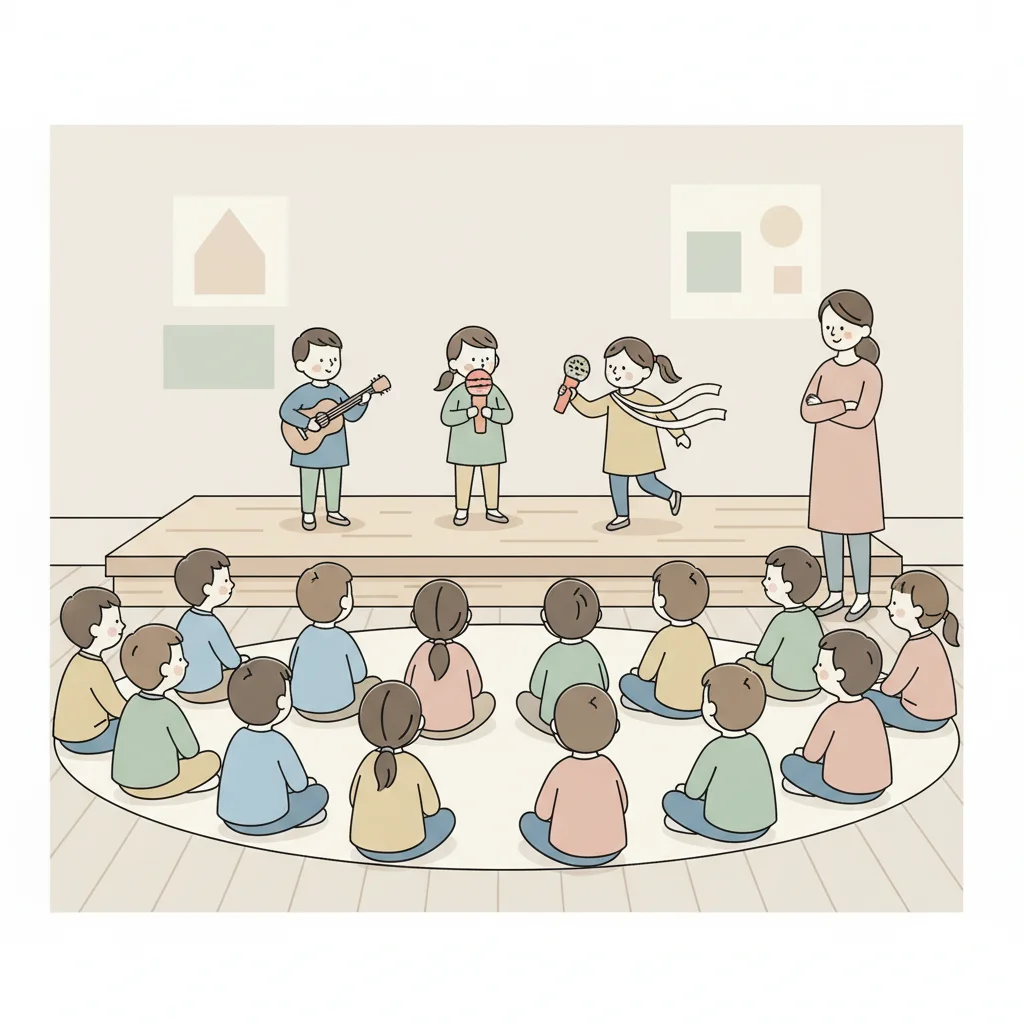
Scene Presentations
Each group presents their scene Audience watches respectfully Notice how characters show feelings Celebrate creative choices
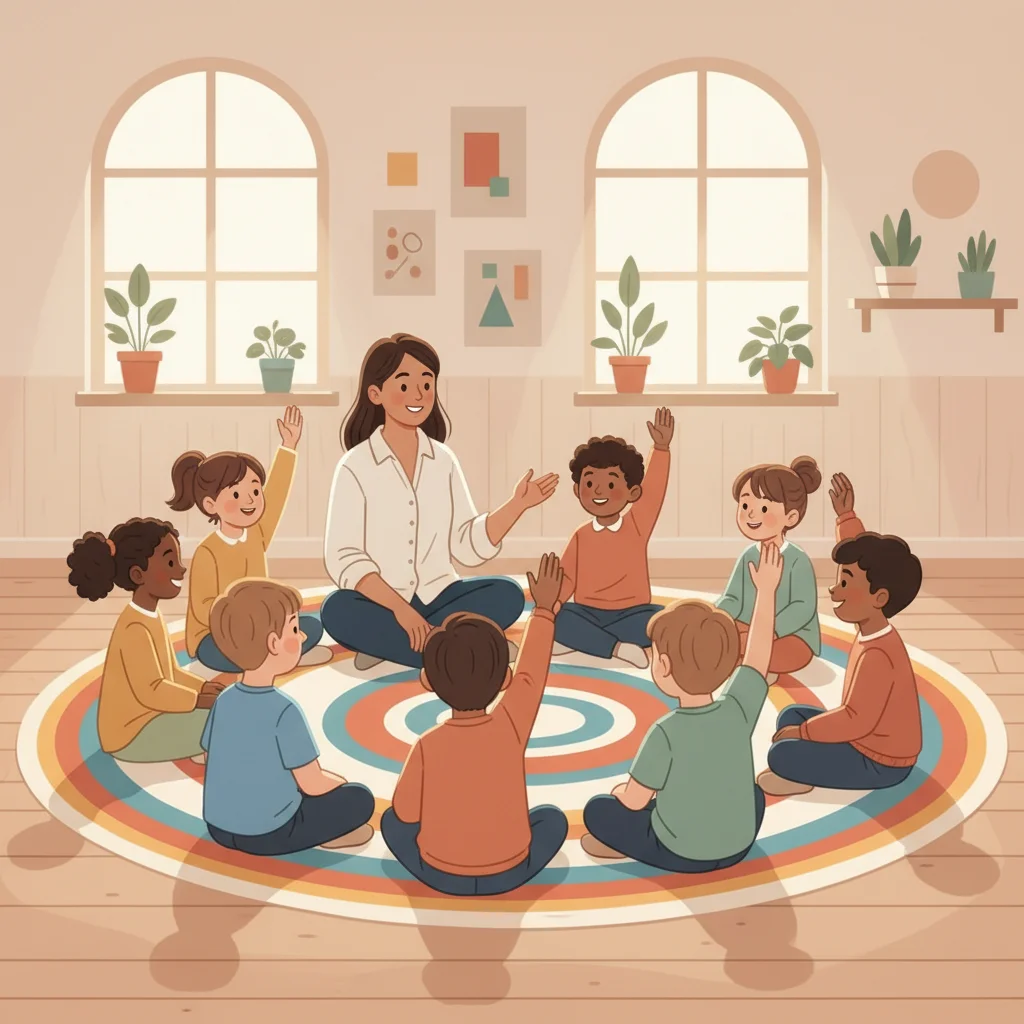
Reflection Circle
How did it feel to improvise your character? What did you notice about your character's feelings? How did you show emotions without words? How did listening help you in your scene?
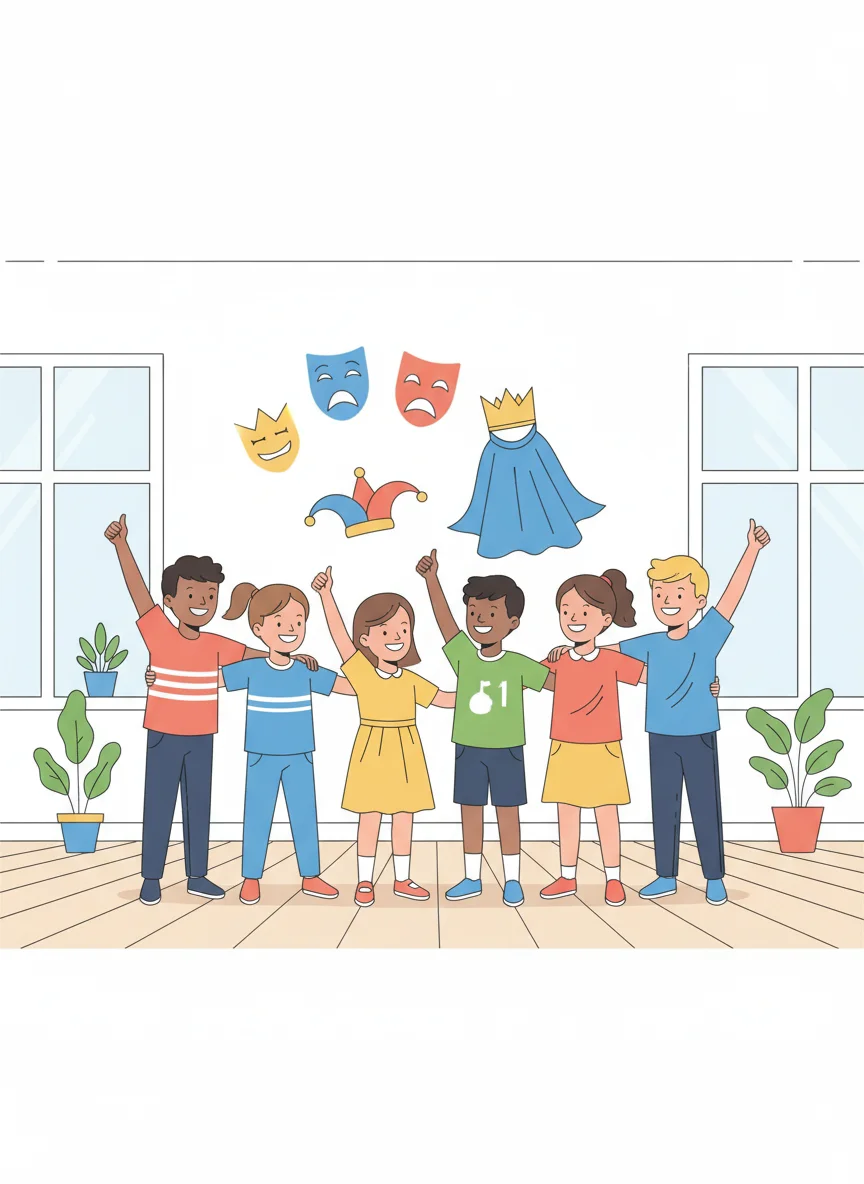
Key Takeaways
Improvisation helps us understand others better We can show feelings through our whole body Listening carefully makes scenes more real Every character has their own thoughts and feelings Drama helps us step into someone else's shoes
More Drama slide decks
Other ready-to-teach drama decks for New Zealand classrooms.


