
Kahungunu Iwi: Land and Legacy
Investigating the history of Ngāti Kahungunu Understanding the connection between iwi and whenua Year 13 NZ History
WALT and Success Criteria
We Are Learning To investigate the history of the Kahungunu iwi Understand significant events and figures in Kahungunu history Focus on their connection to the land (whenua) Identify key historical events and important rangatira Explain the relationship between Kahungunu people and their rohe Create summaries of historical contributions and whakapapa

Ngāti Kahungunu Rohe
Kahungunu: The Founding Ancestor
Descended from the Takitimu waka Son of Tamatea-mai-tawhiti Married Rongomai-wahine of Māhia Peninsula Established settlements throughout the East Coast His descendants became one of the largest iwi in Aotearoa

Research Activity: Kahungunu Leaders and Events
Work in pairs or groups of three Choose from assigned topics: Important rangatira and their achievements Significant battles and conflicts Land stories and sacred sites Use provided print and digital resources Prepare a 2-minute presentation

Key Historical Figures and Events
{"left":"Te Hapuku - Paramount chief who signed Te Tiriti\nRenata Kawepo - Military leader and politician\nTareha Te Moananui - Influential 19th century leader","right":"Battles of Te Kooti's War (1860s-1870s)\nNew Zealand Land Wars impact on rohe\nCrown confiscations and land loss"}
Reflection Question
How did the relationship between Ngāti Kahungunu and their whenua (land) shape their identity and responses to colonization? Consider: Traditional uses of land and sea Sacred sites and their significance Impact of land loss on iwi wellbeing
Legacy and Contemporary Kahungunu
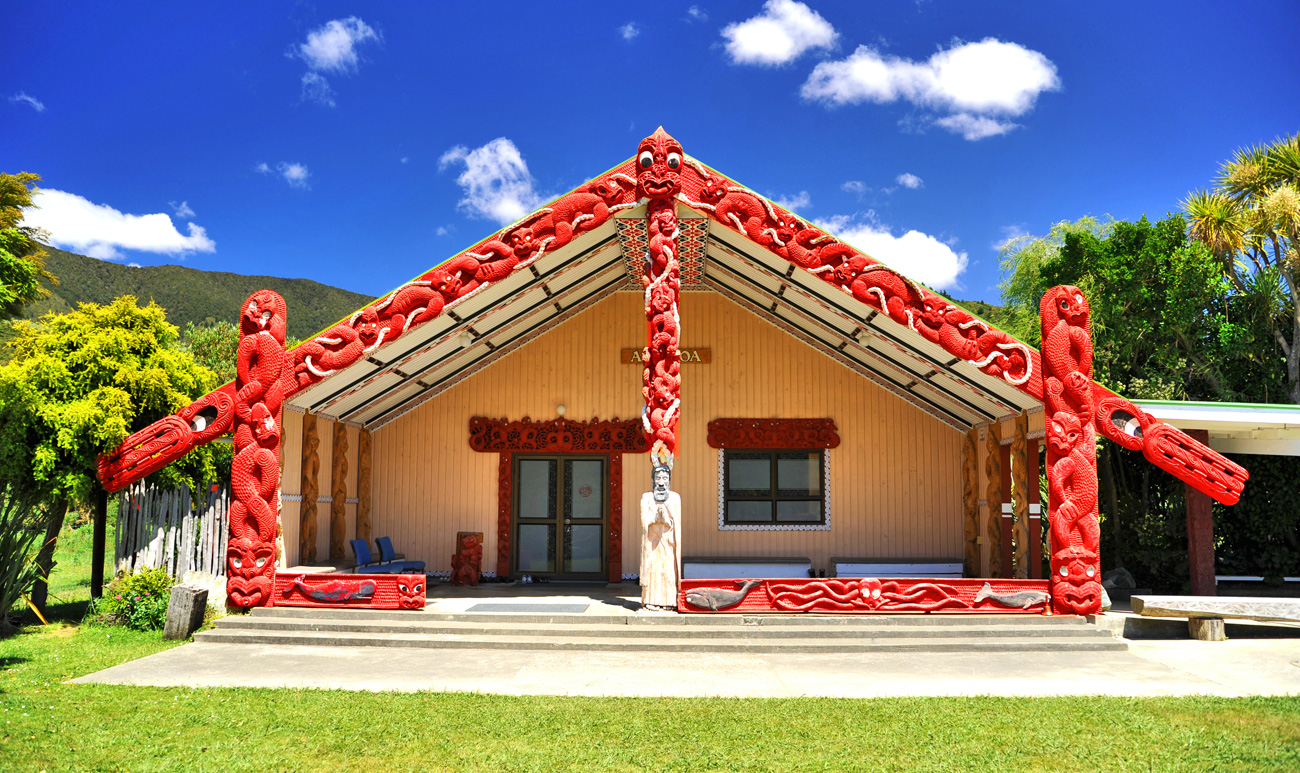
Ngāti Kahungunu remains one of New Zealand's largest iwi Active in Treaty settlements and land recovery Strong focus on education and cultural revitalization Maintaining traditional practices and te reo Māori Contributing to regional development and tourism Continuing the connection between people and place