Ki o Rahi: New Zealand's Traditional Game
Exploring Māori Culture Through Sport Year 10 Physical Education Discover the ancient game that connects us to Aotearoa's heritage
What is Ki o Rahi?
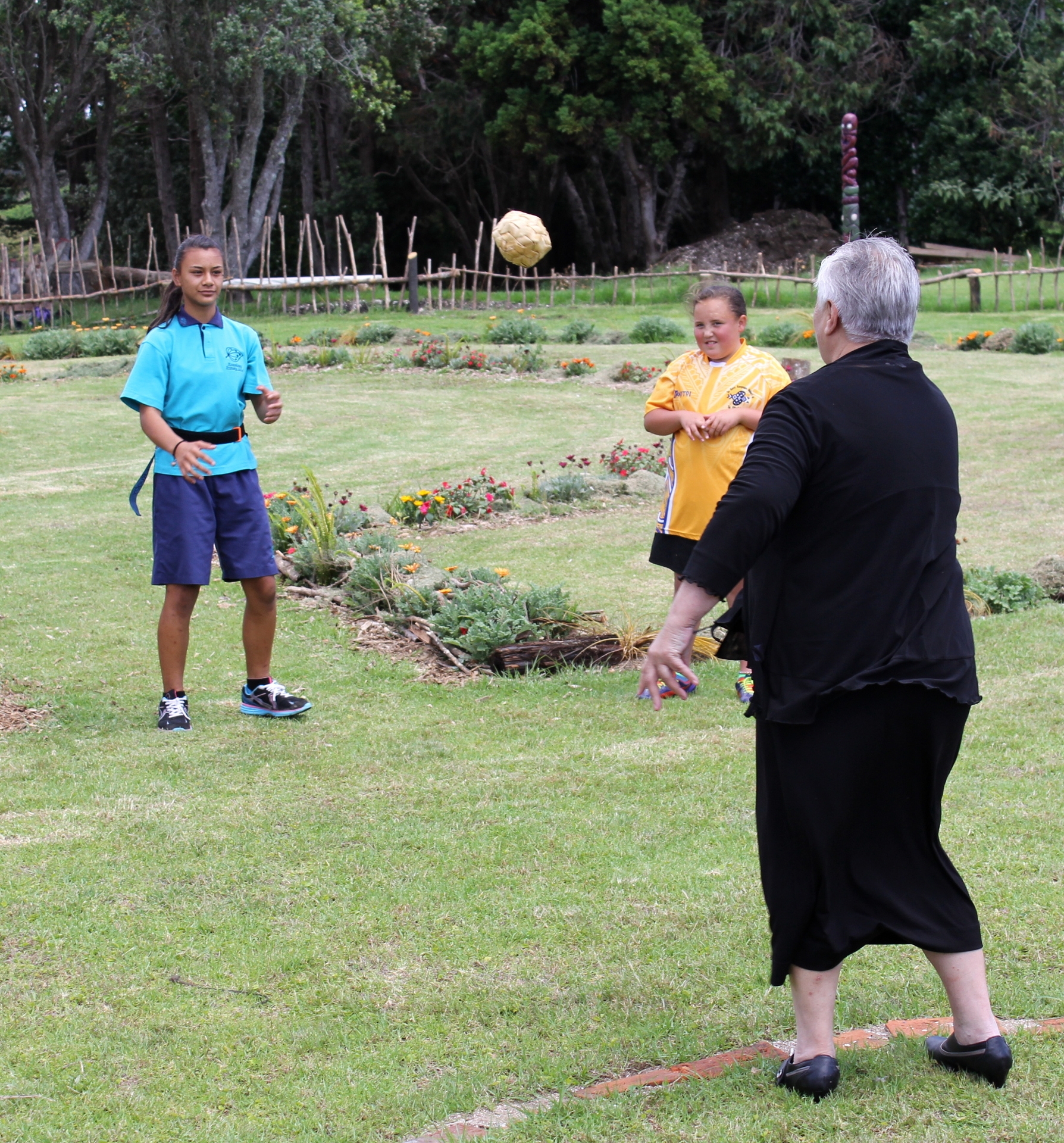
A traditional Māori ball game Combines elements of rugby, netball, and touch Played in a circular field called 'marae atea' Two teams: Kioma (guardians) and Taniwha (challengers) Focus on teamwork, strategy, and cultural values
Ancient Origins
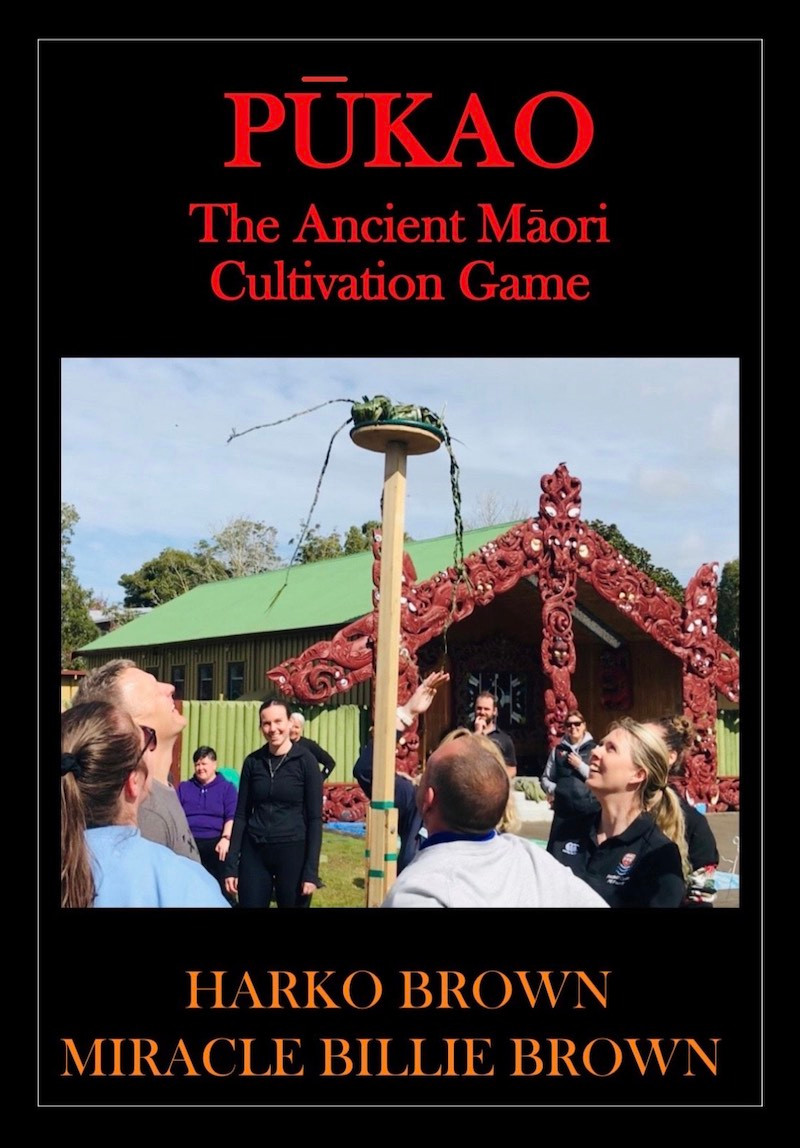
Dates back over 800 years Originally played by Māori iwi (tribes) Used for fitness, entertainment, and tribal unity Passed down through oral tradition Nearly lost during colonization but revived in recent decades
Cultural Significance
Embodies Māori values of manaakitanga (hospitality) Promotes whakatōhea (unity and cooperation) Teaches respect for opponents and environment Connects players to their tūpuna (ancestors) Celebrates Māori identity and pride
The Playing Field: Marae Atea
Circular field representing the marae (meeting ground) Central circle called 'pawero' (nest) Seven wooden posts called 'tupu' around the boundary Neutral zone between inner and outer circles Sacred space requiring respect and proper conduct
The Two Teams
{"left":"Kioma (Guardians)\nProtect the pawero (central circle)\nDefend the tupu posts\nPrevent Taniwha from scoring\nWork as unified defenders","right":"Taniwha (Challengers)\nAttack the pawero\nTry to hit tupu posts with the ki\nScore points through various methods\nUse speed and strategy to penetrate defenses"}
Essential Equipment
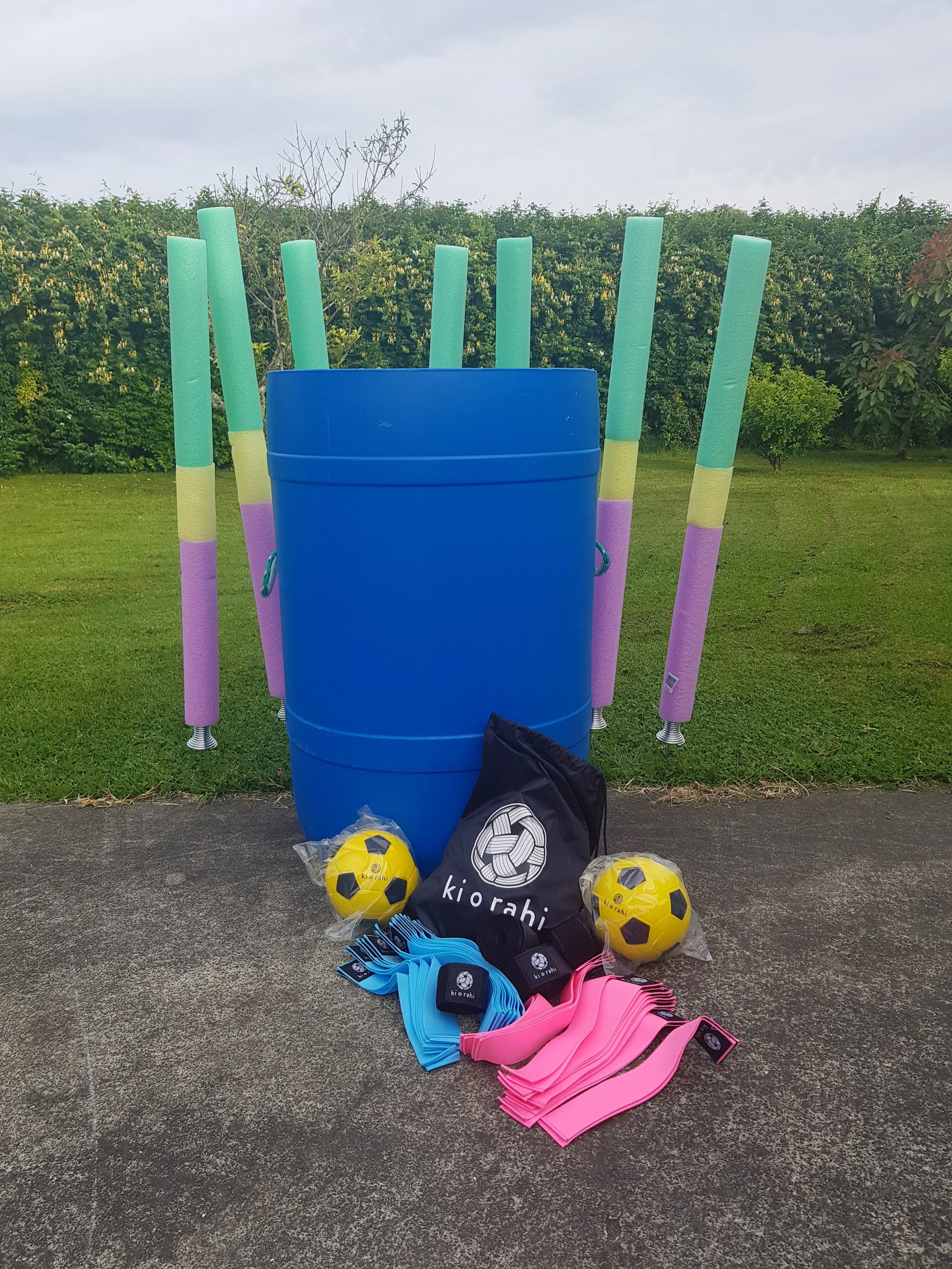
Ki (ball) - traditionally made from flax or raupō Seven tupu (wooden posts) marking boundaries Bibs or colored shirts for team identification Cones or markers for field boundaries Modern versions use rugby or touch balls

Hands-On: Feel the Ki
Pass around traditional and modern ki (balls) Examine the weight and texture differences Try basic catching and passing techniques Practice the traditional 'hongi' greeting Form two circles and practice team chants

Basic Rules: Kioma (Guardians)
Defend the pawero (central circle) Prevent Taniwha from entering the pawero Can tackle and intercept the ki Score by throwing ki through Taniwha's goal Must work together as a defensive unit
Basic Rules: Taniwha (Challengers)
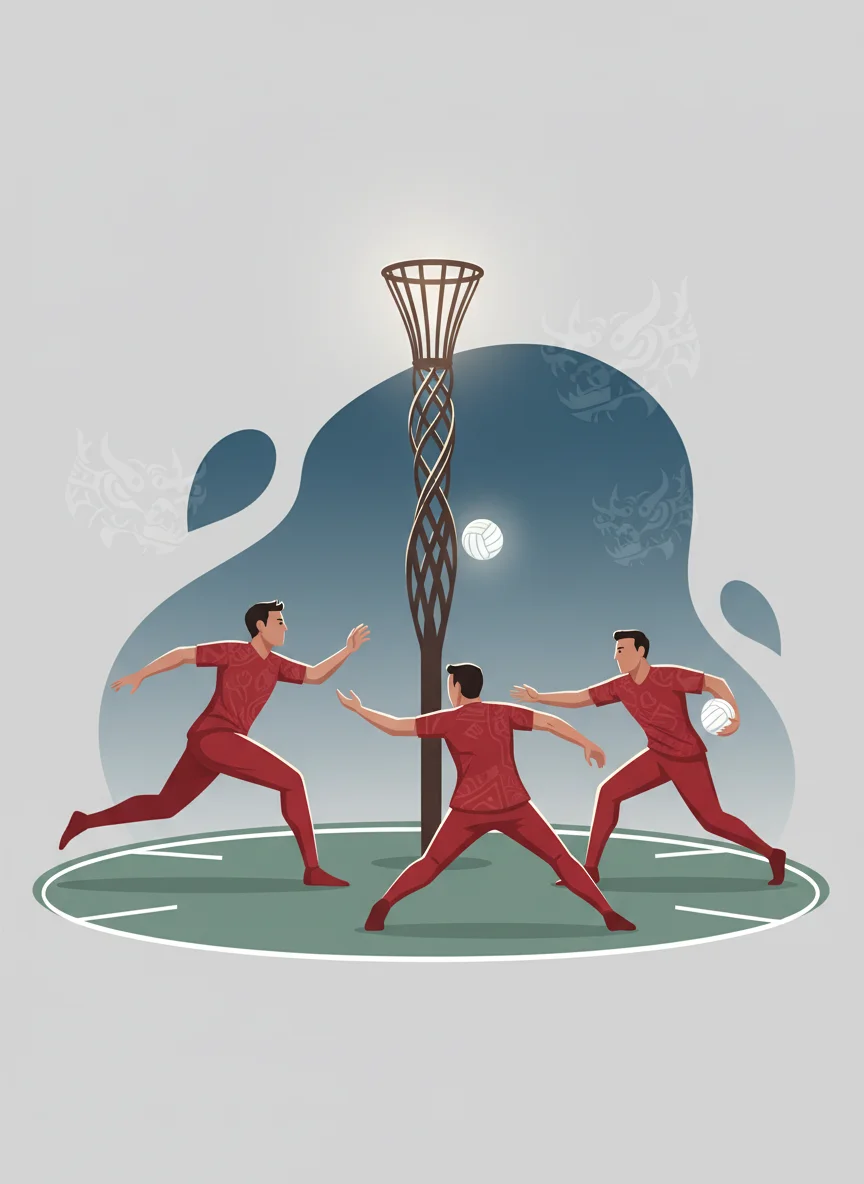
Attack the pawero to score points Hit tupu posts with the ki for points Can pass the ki between team members Must avoid being tackled by Kioma Use speed and strategy to penetrate defense
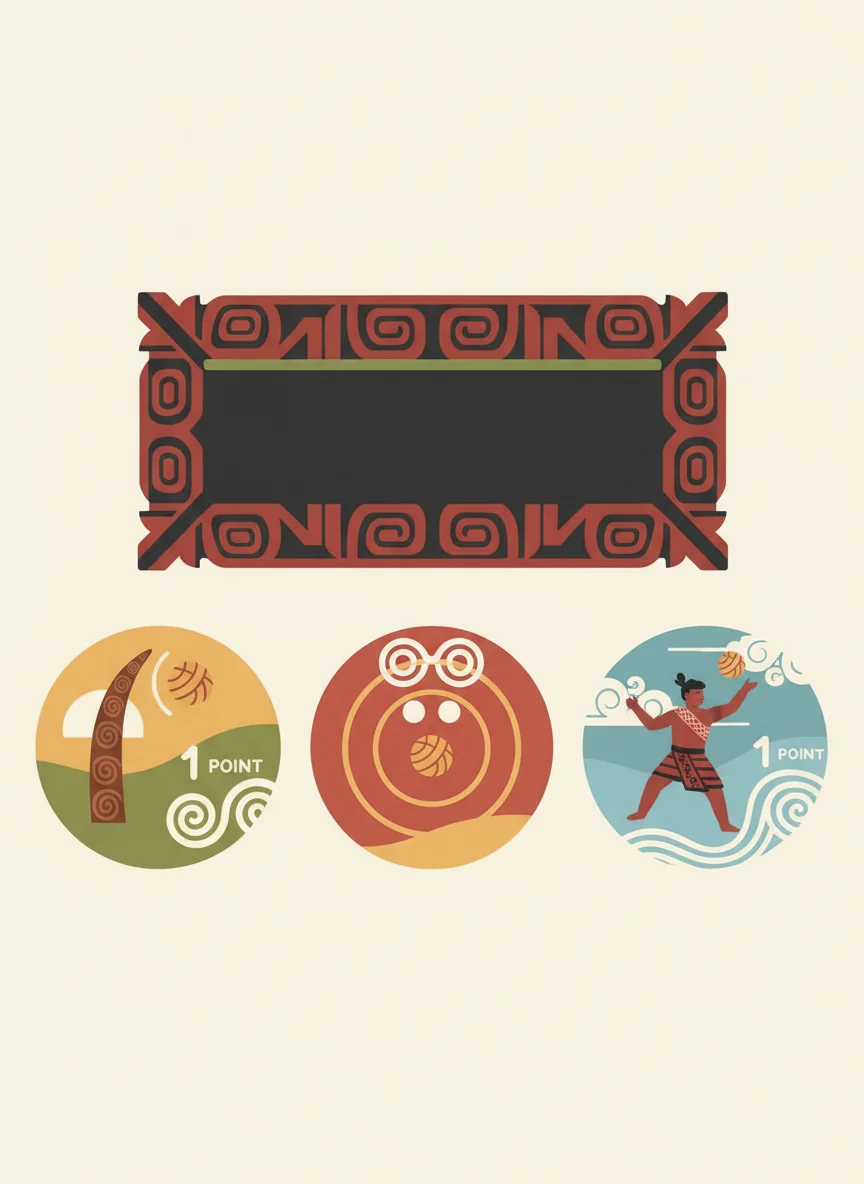
Scoring System
Taniwha: 1 point for hitting a tupu post Taniwha: 2 points for placing ki in pawero Kioma: 1 point for intercepting and clearing ki Games typically played to 21 points Emphasis on fair play and sportsmanship
Strategy Challenge
If you were Taniwha captain, what strategy would you use to get past the Kioma defense? Consider: teamwork, speed, deception, and cultural values How would you maintain respect for opponents while competing?
5 more slides available after you open the deck.
Download all 17 slides