
Māori Maramataka: Traditional Moon Calendar
Understanding Indigenous Time-Keeping Year 6 Social Studies Te Reo Māori Learning

What is Maramataka?
Māori traditional calendar system Based on the phases of the moon Used for planting, fishing, and ceremonies Passed down through generations Still used by many Māori today
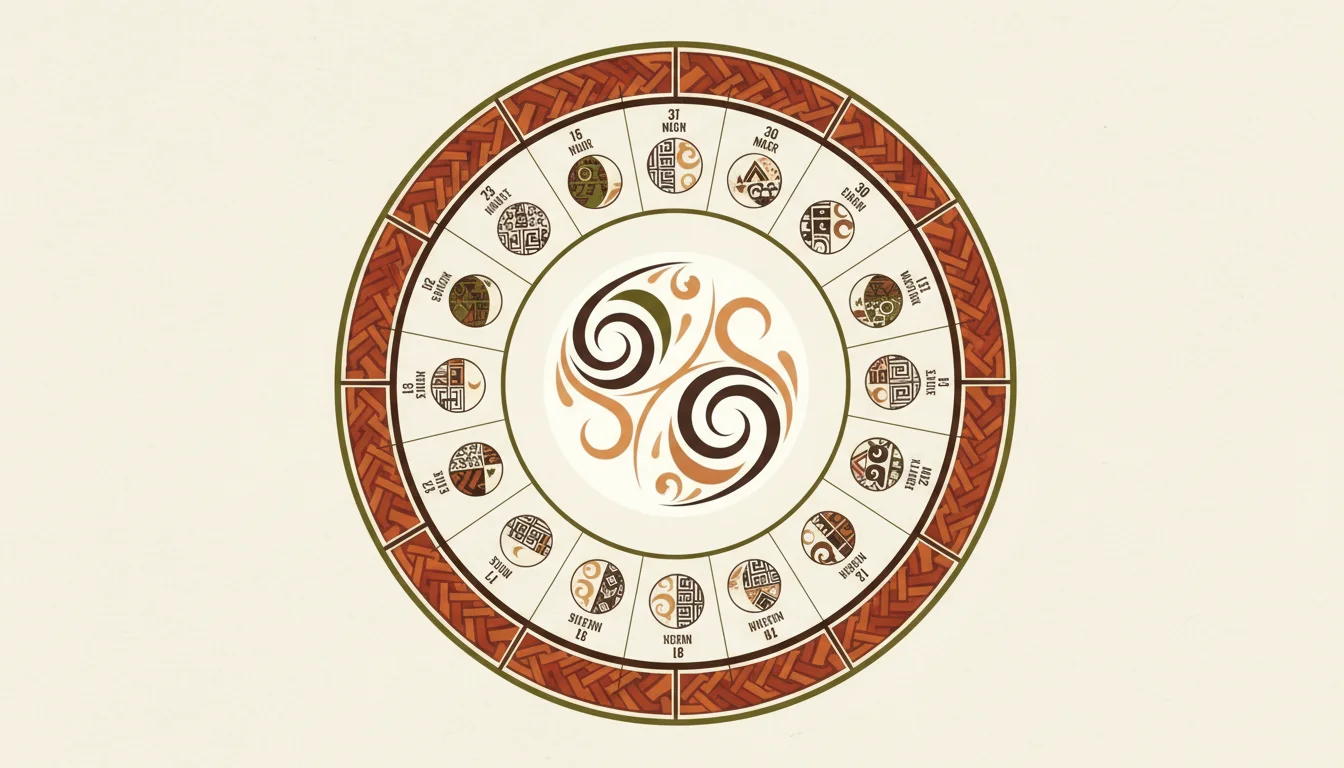
The 30 Nights of Maramataka

Moon Phase Matching Activity
Match Māori night names to moon phases Work in pairs Use the maramataka wheel Discuss what activities might happen on each night
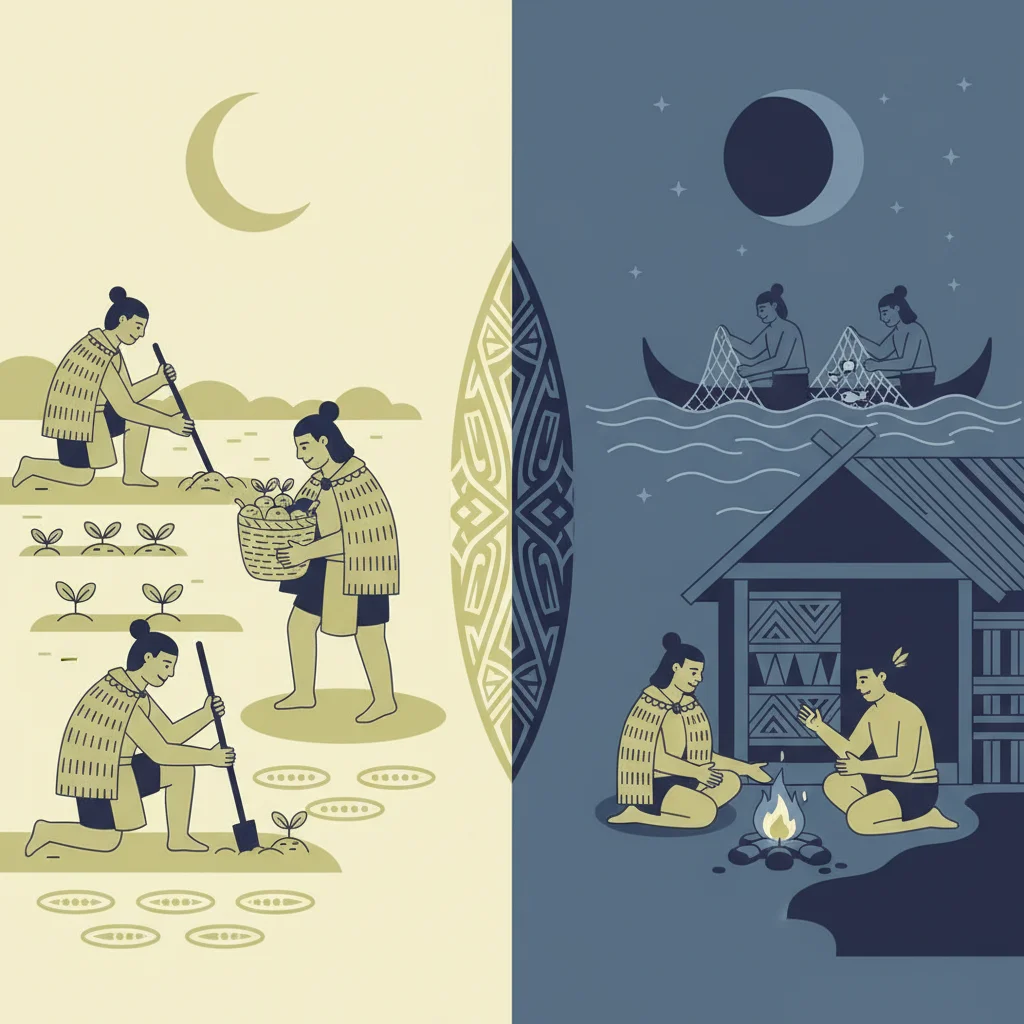
Traditional Activities by Moon Phase
{"left":"New Moon (Whiro): Rest and reflection time\nWaxing Moon: Planting crops and starting projects\nFull Moon (Atua): Harvesting and celebrations","right":"Waning Moon: Fishing and gathering seafood\nDark nights: Storytelling and indoor activities\nBright nights: Travel and outdoor work"}

Why the Moon Matters
Tides affect fishing and gathering Light levels for travel and work Natural rhythm for rest and activity Spiritual connection to nature No artificial lighting in traditional times
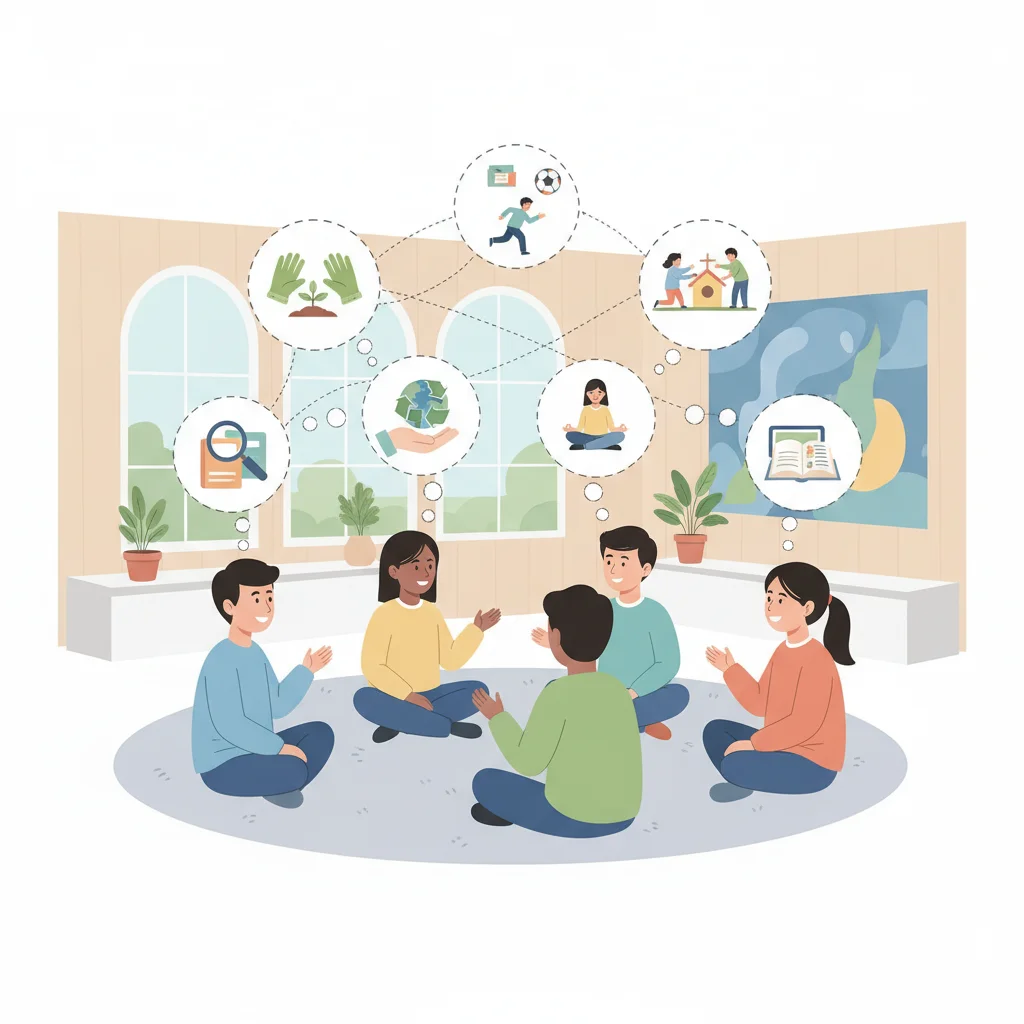
Think and Discuss
How might we use maramataka wisdom today? What modern activities could follow moon phases? How does this connect to caring for our environment?
Our Learning Journey
Maramataka is a traditional Māori moon calendar 30 nights each have special names and meanings Moon phases guided planting, fishing, and daily life This wisdom connects us to natural rhythms We can apply these ideas to modern sustainable living