
Māori Migration: Following Food to Lyttelton
Exploring how māhinga kai guided the journey from Kaikoura to Lyttelton Harbour Understanding Māori connection to land and sea
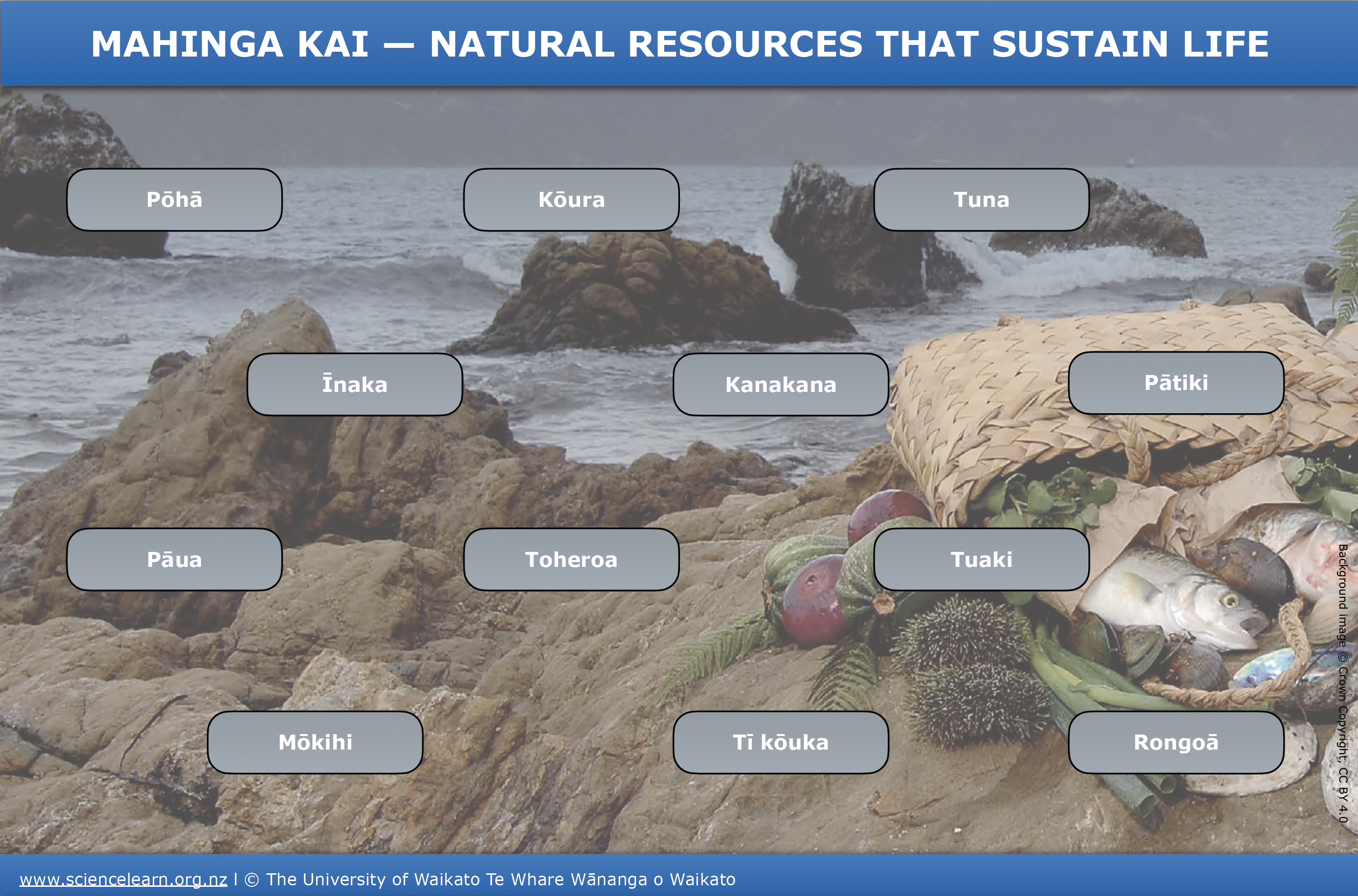
What is Māhinga Kai?
Māhinga kai means 'food gathering' or 'food work' Includes hunting, fishing, and gathering plants Essential for Māori survival and way of life Connected to seasons and natural cycles
Migration Route: Kaikoura to Lyttelton
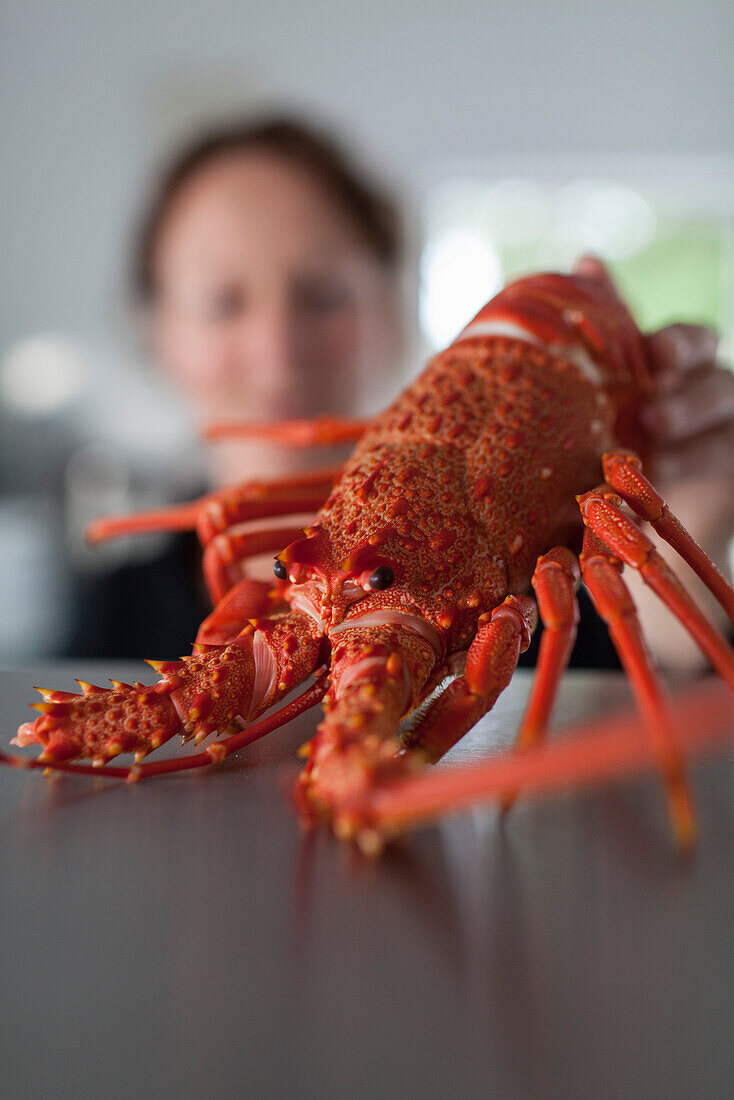
Rich Food Sources at Kaikoura
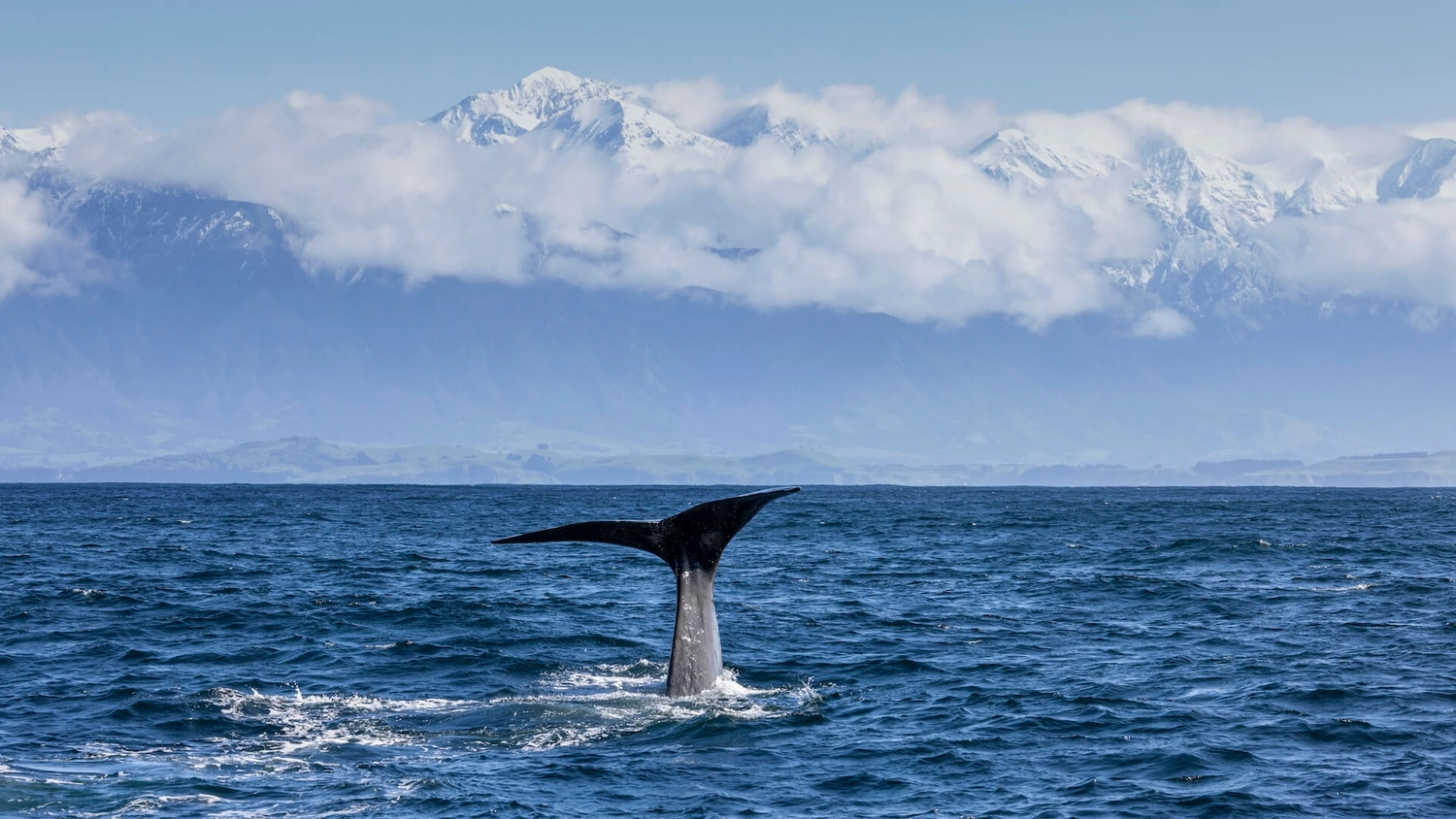
Famous for crayfish (kōura) - giving the place its name Abundant marine life including whales and seals Seasonal bird hunting opportunities Why did Māori need to move from this rich area?
Think About It
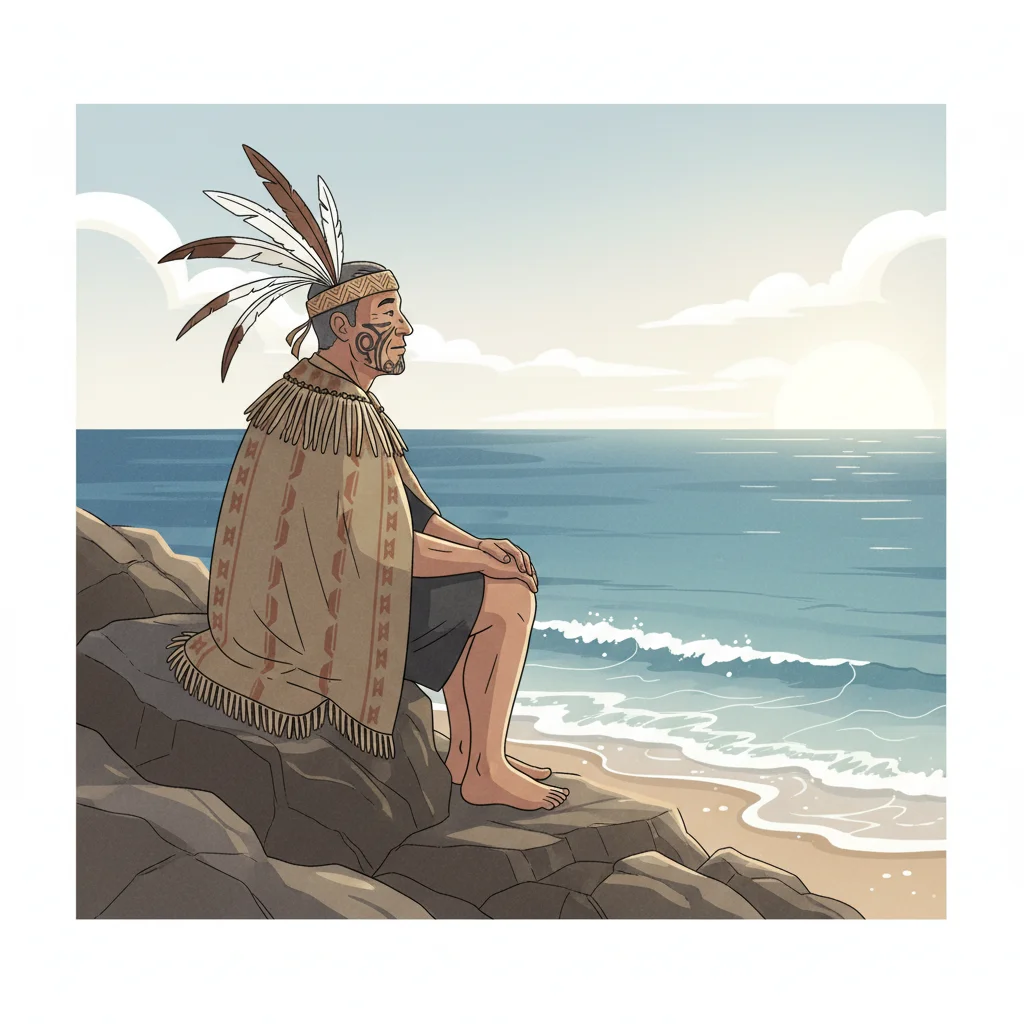
If Kaikoura had so much food, why might Māori have decided to travel south? What factors would influence where they chose to settle?

The Journey South
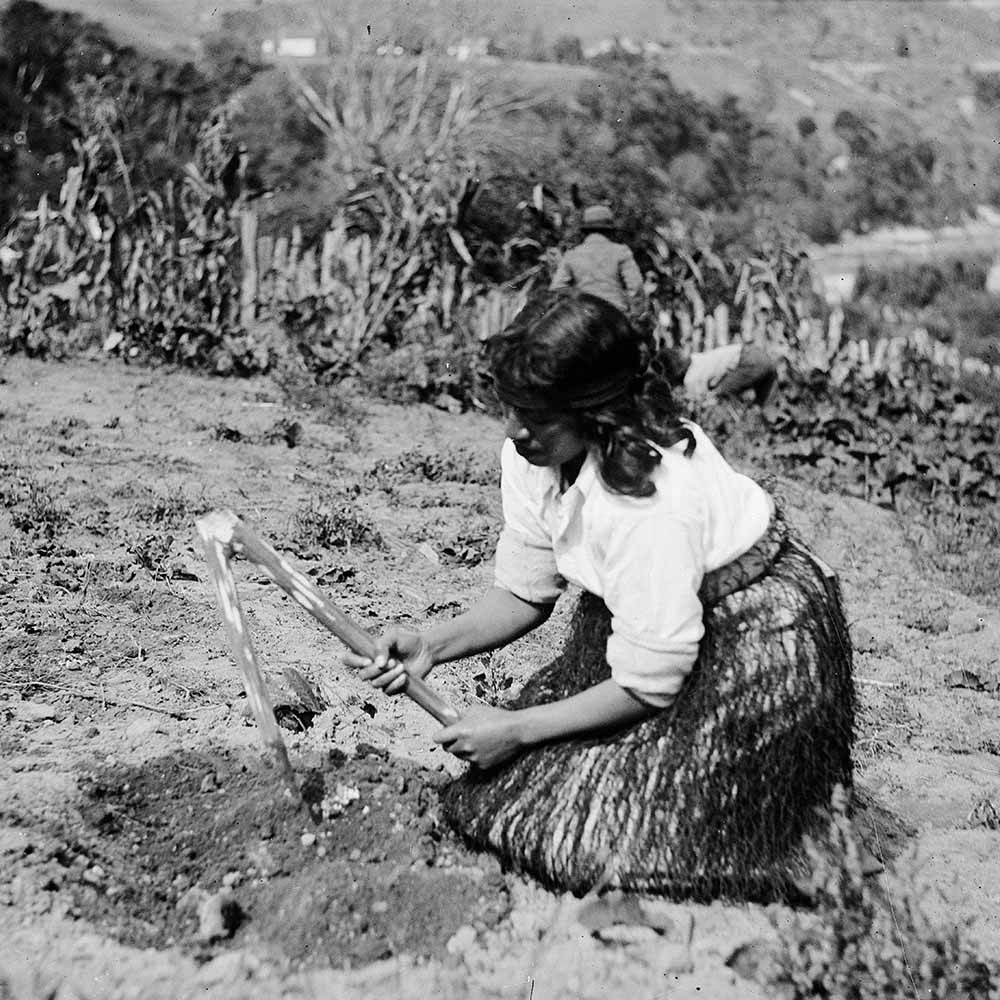
Traveled along the coastline for safety and food access Used waka (canoes) for river crossings and coastal travel Set up temporary camps at river mouths Followed seasonal patterns of birds and fish
Food Sources Along the Way
{"left":"Coastal Resources: Shellfish, seaweed, fish, seabirds and their eggs","right":"Inland Resources: Native birds like moa, plants like fern root, freshwater fish"}
Discovering Lyttelton Harbour
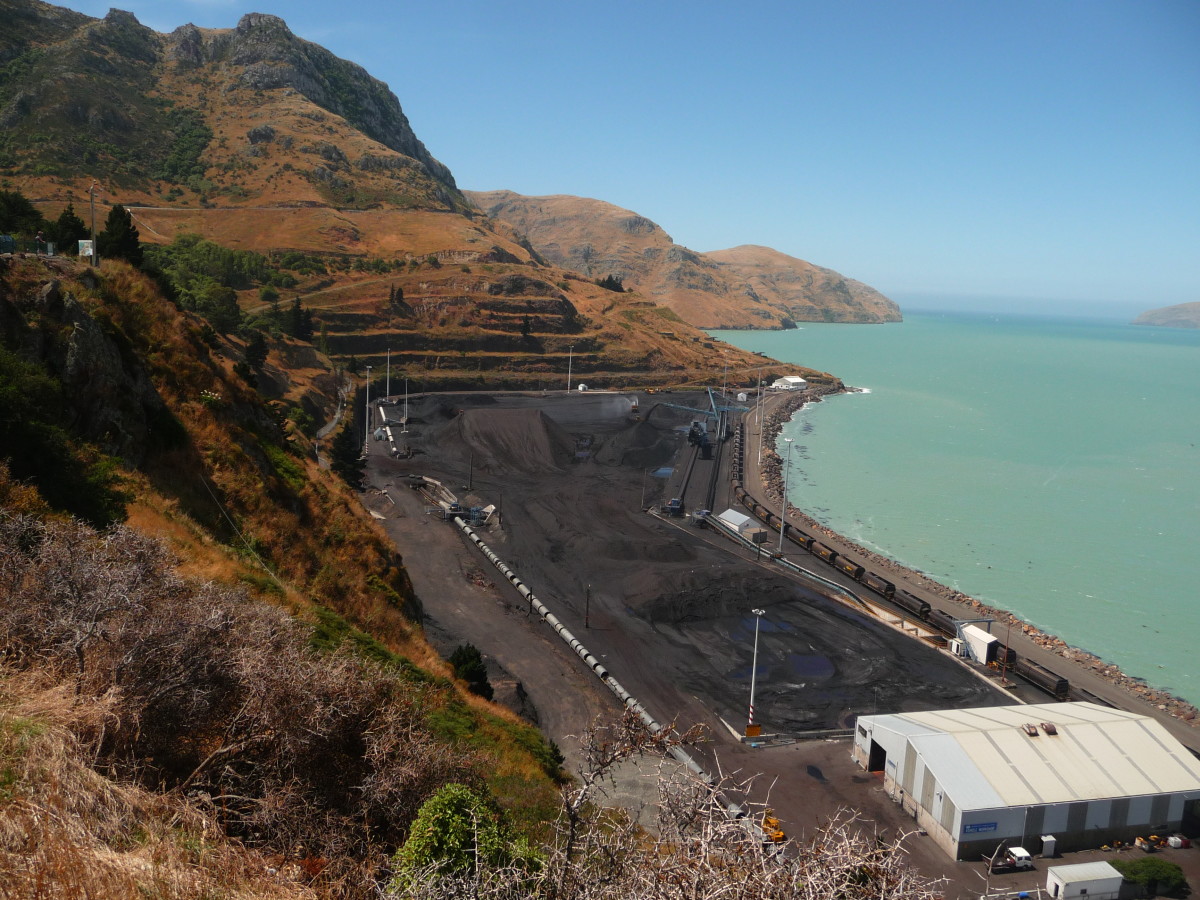
Sheltered harbour perfect for waka Rich marine life including fish and shellfish Freshwater streams flowing into the harbour Nearby hills provided birds and plants

Map Your Migration
Work in pairs to trace the migration route on your map Mark three important food sources along the way Identify two challenges the travelers might have faced Share your findings with another pair
Connection to Land and Sea
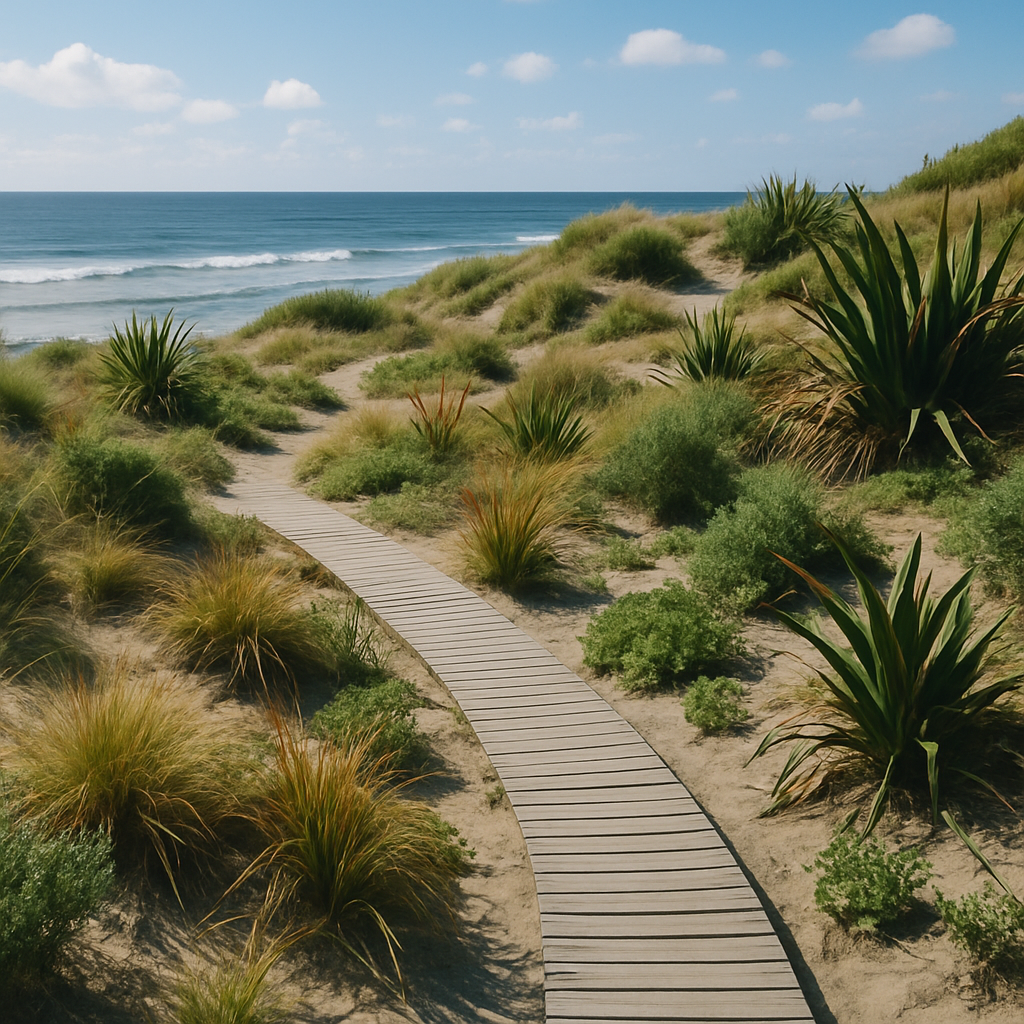
'The land and sea provided everything we needed, but we had to know how to read their signs and follow their gifts.' - Understanding Māori relationship with the environment