
Mastering Oral Communication and Presentation Skills
Year 4 English/Language Arts Building Confident Speakers WALT: We Are Learning To communicate effectively
What is Oral Communication?
Speaking and listening to share ideas Using our voice, face, and body to communicate Connecting with others through words Making our thoughts clear to others

Think and Share
When do you use your voice to communicate? What makes a good listener? How do you know when someone is really listening to you?

The Magic of Words
Words can paint pictures in our minds We can use 'if', 'might', and 'could' to explore possibilities Conditional language helps us imagine and problem-solve Example: 'If we planted more trees, our playground might be cooler'
Possibility Practice
Partner up and complete these sentences: 'If I could fly, I might...' 'If we had no homework, we could...' 'If animals could talk, they might say...'
Asking Great Questions
Questions help us learn more Ask 'Why?' to understand causes Ask 'What if?' to explore consequences Ask 'How?' to clarify ideas
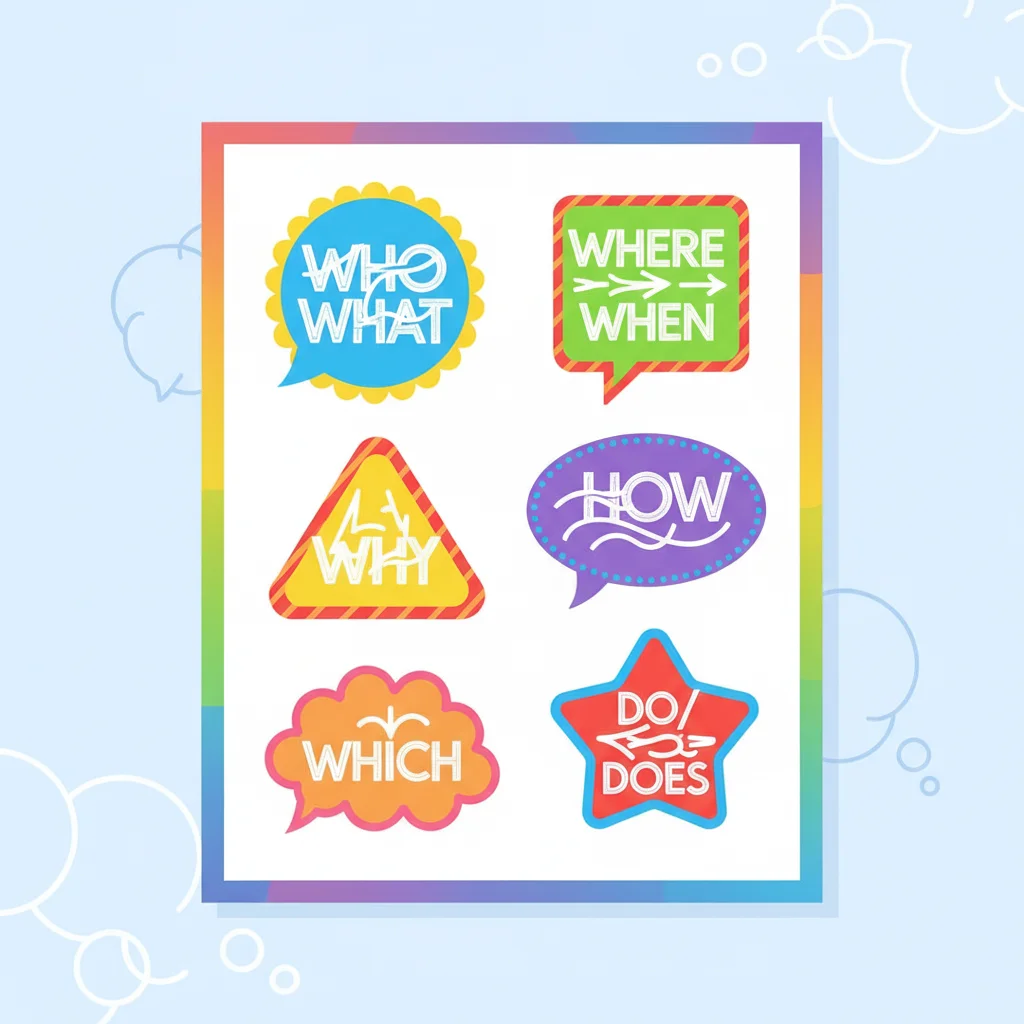
Question Types
{"left":"Clarifying: 'Can you explain that more?'\nExtending: 'What else could happen?'","right":"Cause: 'Why do you think that happened?'\nConsequence: 'What might happen next?'"}
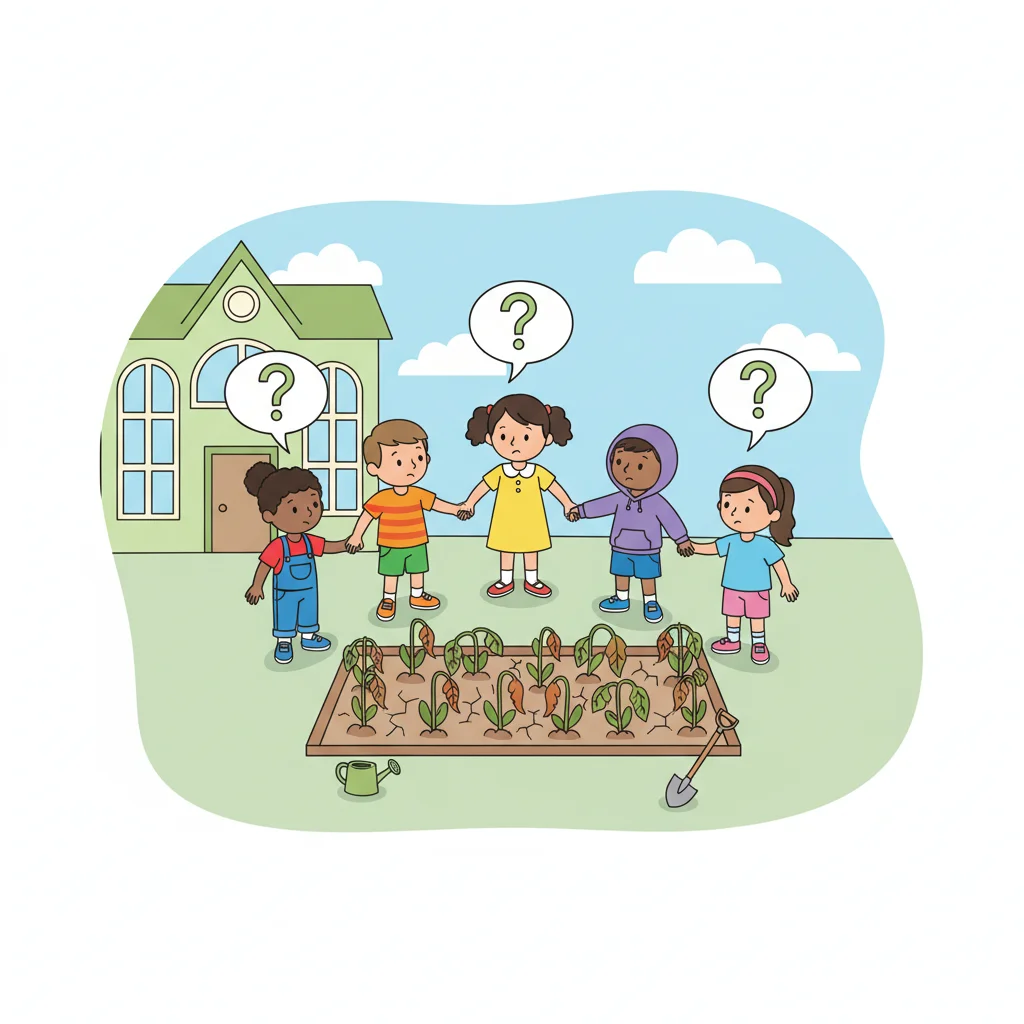
Question Challenge
Look at this scenario: 'The school garden isn't growing well' Work in groups to create: 2 clarifying questions 2 questions about causes 2 questions about consequences
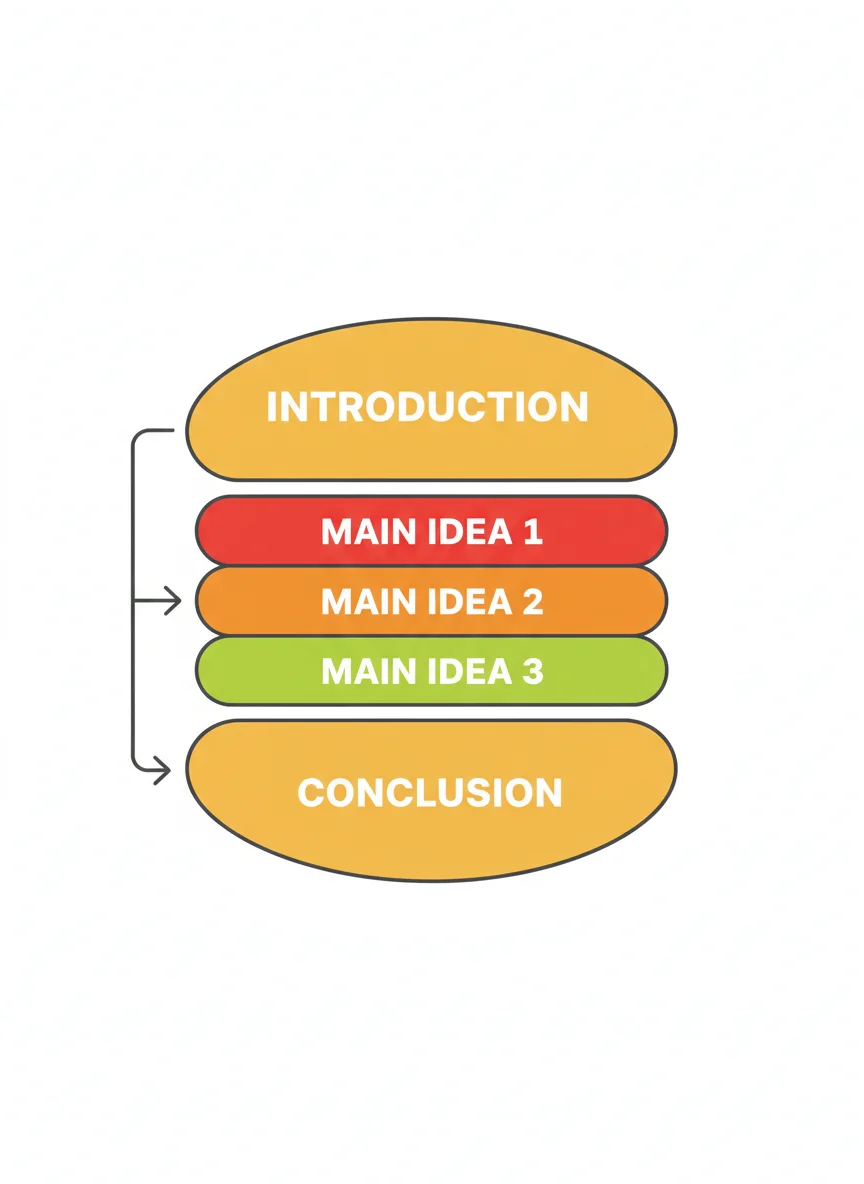
Presenting with Purpose
Every presentation needs a clear structure Introduction: Hook your audience Body: Share your main ideas Conclusion: Wrap up with impact
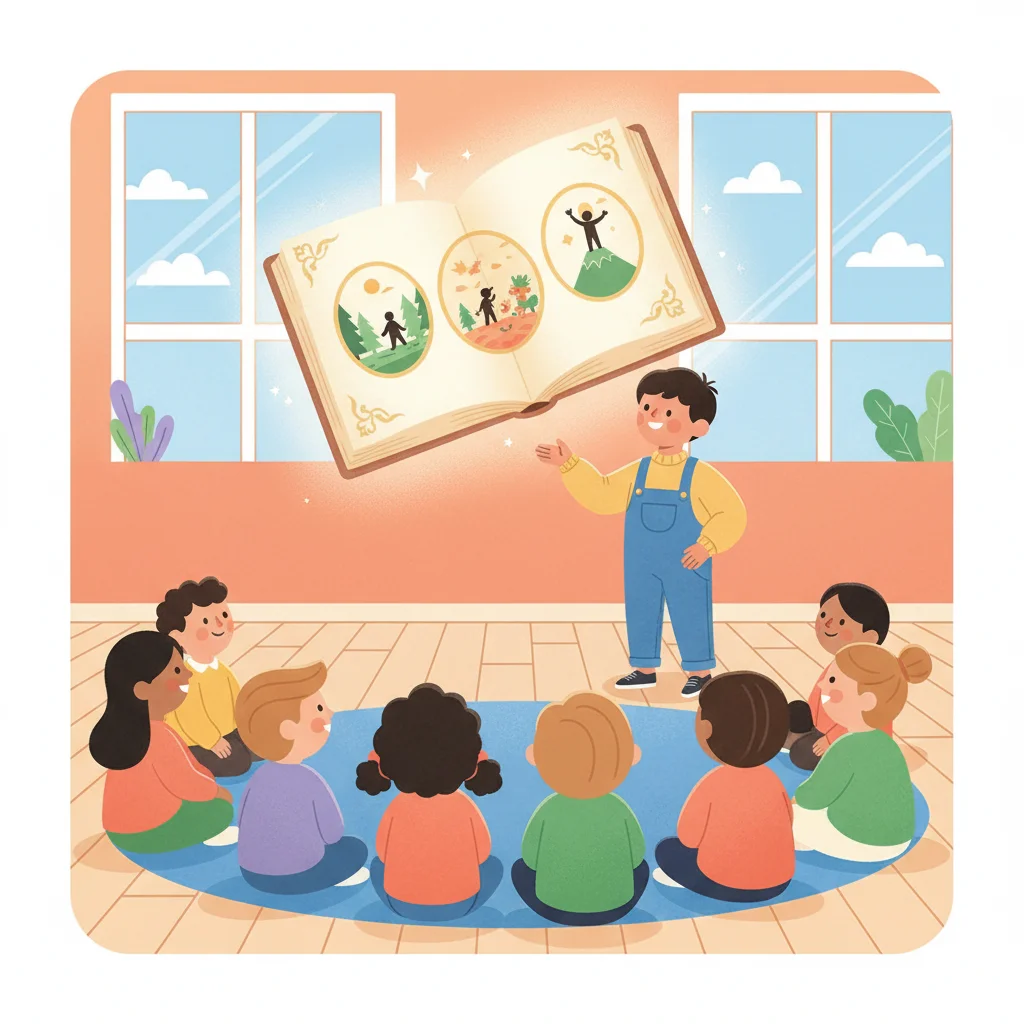
Presentation Power
A great presentation is like telling a story - it has a beginning that grabs attention, a middle that shares important information, and an ending that leaves people thinking.
Know Your Audience
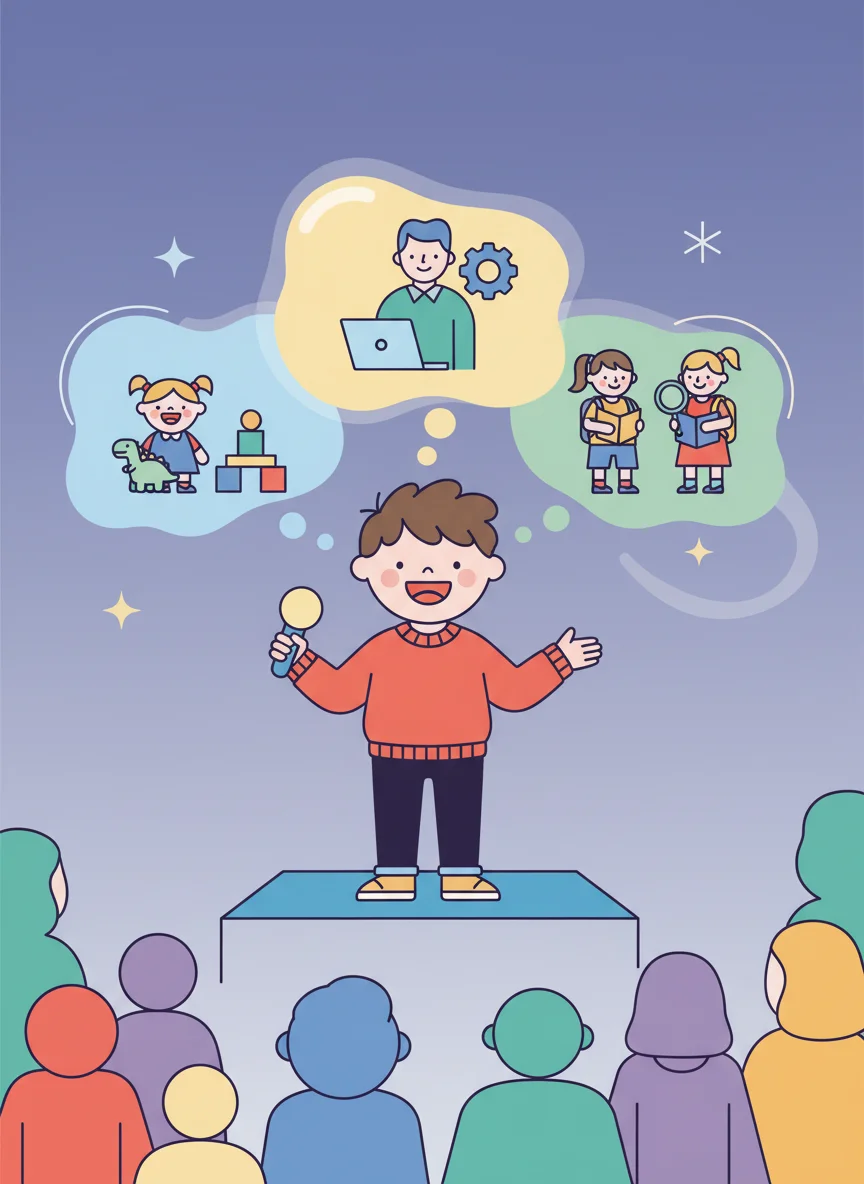
Think about who you're speaking to What do they already know? What would interest them? How can you connect with them?
Audience Adaptation
{"left":"Speaking to younger children: Simple words, fun examples\nSpeaking to adults: More detail, real-world connections","right":"Speaking to peers: Shared experiences, relatable examples\nSpeaking to experts: Technical terms, deeper analysis"}
19 more slides available after you open the deck.
Download all 31 slides