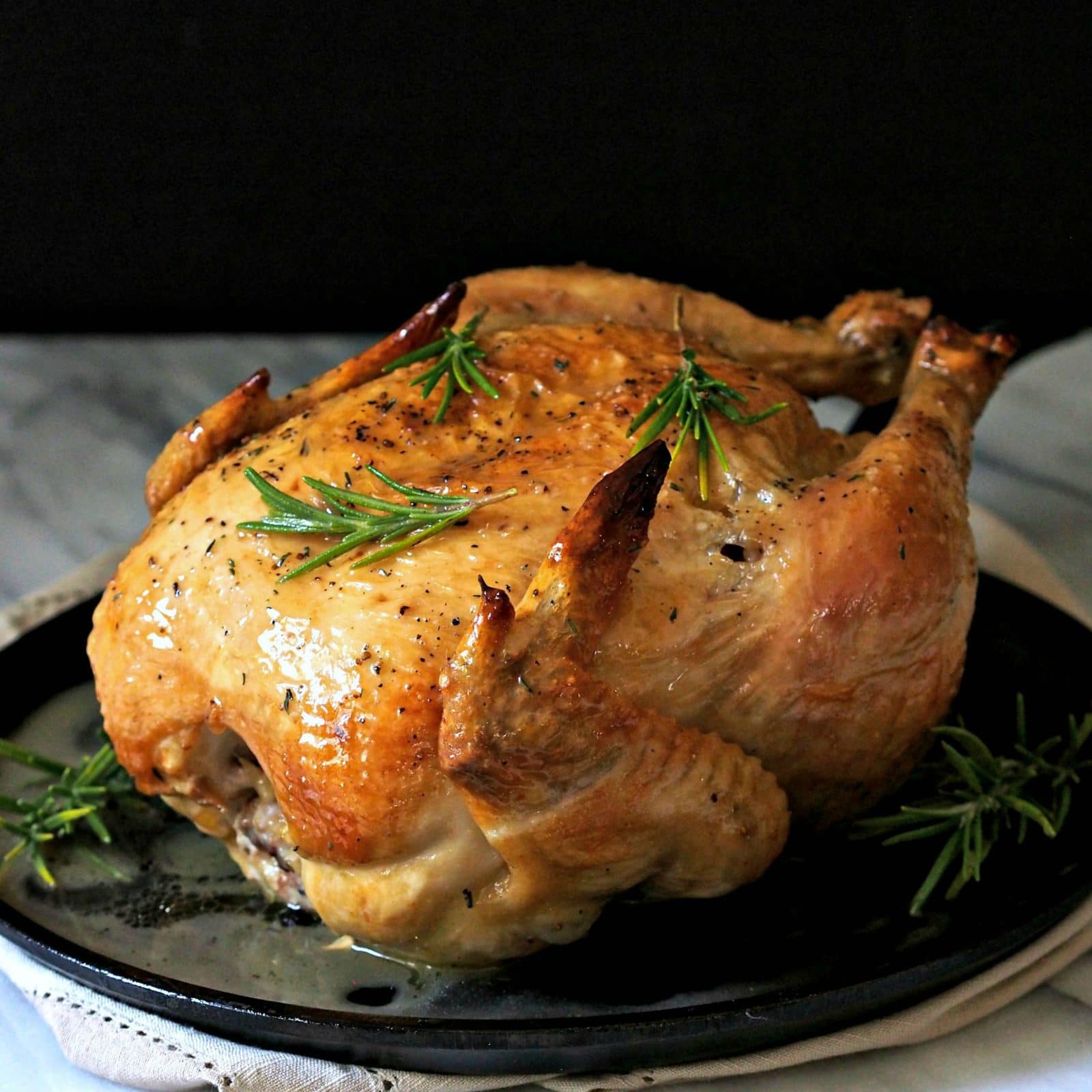
Mastering Roasting: Heat, Science & Safety
Year 12 Hospitality Unit Standard 13278 Understanding the Art and Science of Roasting
Learning Objectives & Success Criteria
Demonstrate safe oven handling procedures Identify different oven zones and heat distribution Distinguish between dry and moist heat cooking methods Explain caramelisation and Maillard reaction processes Apply roasting techniques to various food items
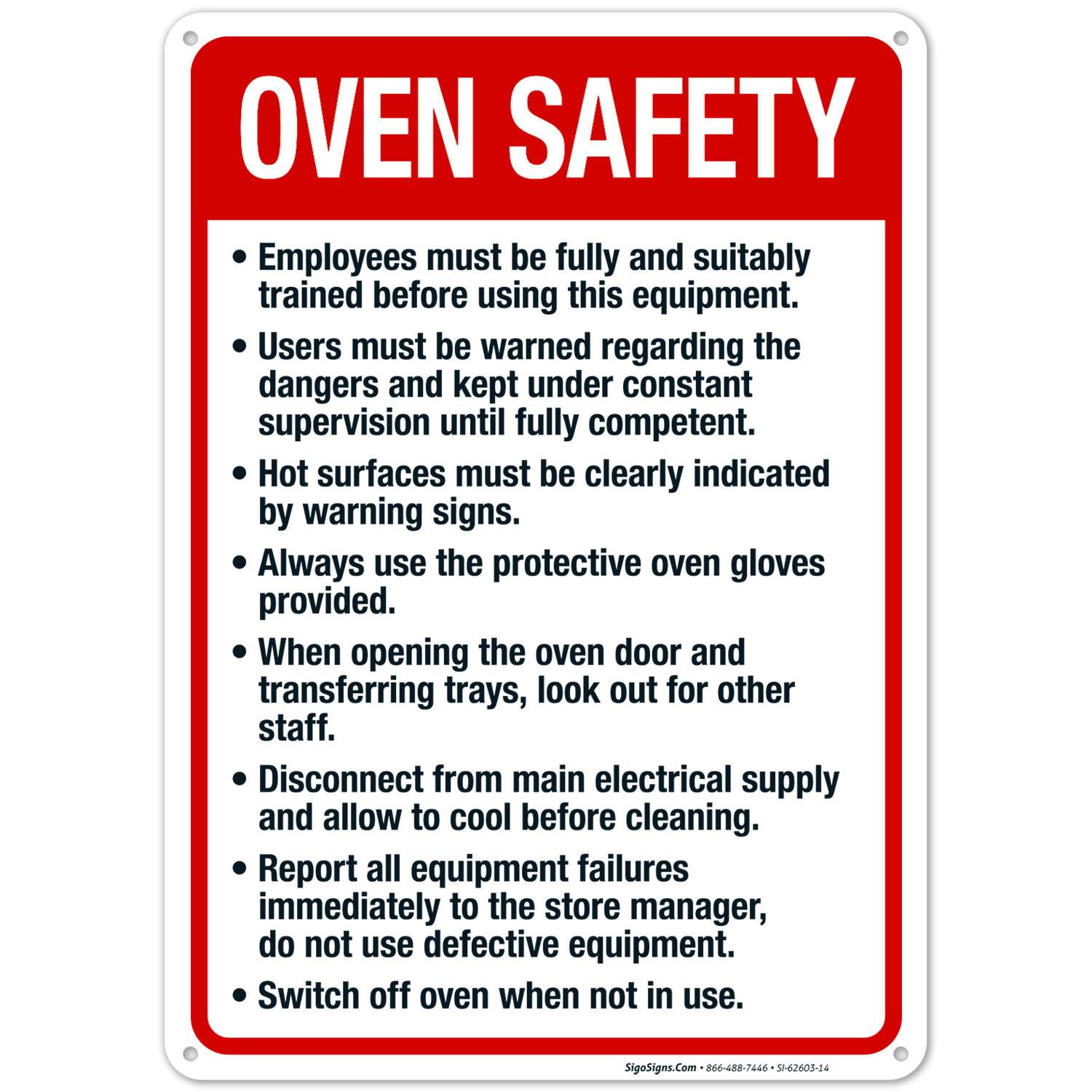
Safe Oven Handling Recap
Pre-heat oven to correct temperature Use appropriate protective equipment Check oven door seals and cleanliness Position racks before heating Never leave food unattended

Oven Zones & Heat Distribution
{"left":"Top zone: Hottest area, ideal for browning\nMiddle zone: Even heat, most versatile\nBottom zone: Gentle heat, slower cooking","right":"Convection ovens: Fan circulates hot air evenly\nHot spots: Areas near heating elements\nCool spots: Areas furthest from heat source"}

Dry Heat vs Moist Heat Methods
Dry Heat: No added moisture, creates crispy exteriors Examples: Roasting, baking, grilling, frying Moist Heat: Uses steam or liquid, tenderizes proteins Examples: Braising, steaming, poaching, stewing Roasting combines both: dry exterior, moist interior

The Science of Browning: Caramelisation & Maillard Reactions

Putting It All Together
Why does roasting create better flavors than boiling? What oven zone would you use for a large roast? How do you know when caramelisation is occurring? What safety measures are essential when roasting? How would you adapt roasting for different food sizes?