Mastering SEEL/PEEL Paragraph Structure
Building Better Arguments in Social Studies Year 10 English/Language Arts Creating Flow and Evidence

What is SEEL/PEEL Structure?
SEEL: Statement, Evidence, Explanation, Link PEEL: Point, Evidence, Explanation, Link Both methods organize ideas logically Creates clear argument flow Essential for social studies essays
SEEL vs PEEL: Same Structure, Different Names
{"left":"SEEL Structure\nStatement - Your main point\nEvidence - Facts, quotes, statistics\nExplanation - How evidence supports your point\nLink - Connect back to essay question","right":"PEEL Structure\nPoint - Your main argument\nEvidence - Supporting facts and data\nExplanation - Analysis of the evidence\nLink - Tie back to overall thesis"}
The Statement/Point: Starting Strong
Begin with a clear topic sentence State your argument directly Example: 'The Treaty of Waitangi created ongoing conflicts in New Zealand' Avoid vague statements Make it debatable and specific
Evidence: Supporting Your Claims
Use specific facts, statistics, or quotes Choose relevant and reliable sources Example: 'According to historian James Belich, land disputes increased 300% after 1840' Avoid opinions or generalizations Quality over quantity
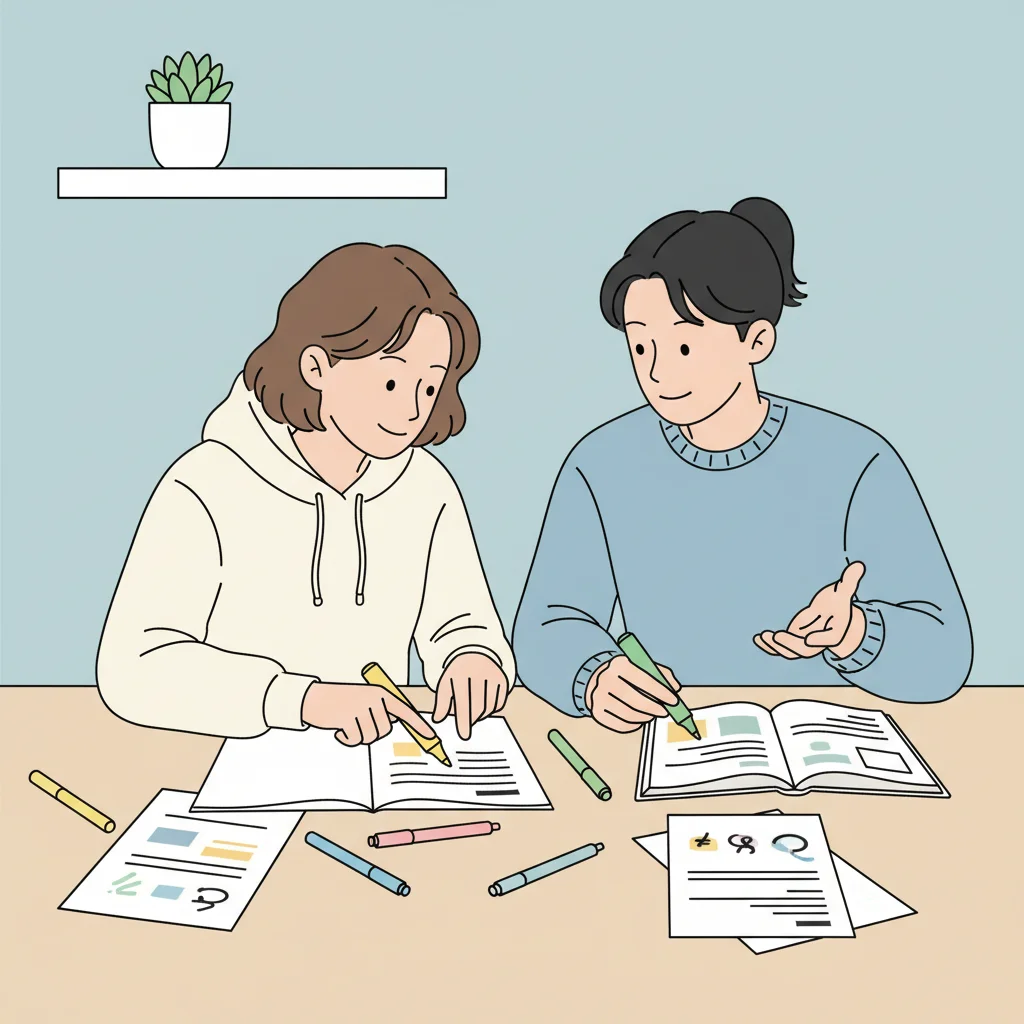
Practice: Identifying Strong Evidence
Read the paragraph about colonization effects Highlight the evidence used Discuss: Is this evidence strong or weak? Suggest improvements Work in pairs for 5 minutes
Explanation: Making Connections Clear
Explain HOW your evidence supports your point Don't assume readers will make the connection Use phrases like 'This shows that...' or 'Therefore...' Example: 'This increase demonstrates that the Treaty failed to prevent conflict' Bridge evidence to argument
Remember
'Good paragraph structure is like a GPS for your reader - it shows them exactly where you're going and how you'll get there.'
More English/Language Arts slide decks
Other ready-to-teach english/language arts decks for New Zealand classrooms.

Weekly Words: Sounds and Meanings

Word of the Week Adventures
Word of the Week Adventures
Garden Blends: Gr and Gl
Garden Blends: Gr and Gl
