Mastering Skills: Learning Stages and Practice
Understanding the Journey from Beginner to Expert PE and Health - Year 13
The Three Stages of Learning
Cognitive Stage - The thinking phase Associative Stage - The refining phase Autonomous Stage - The automatic phase Every skill follows this progression
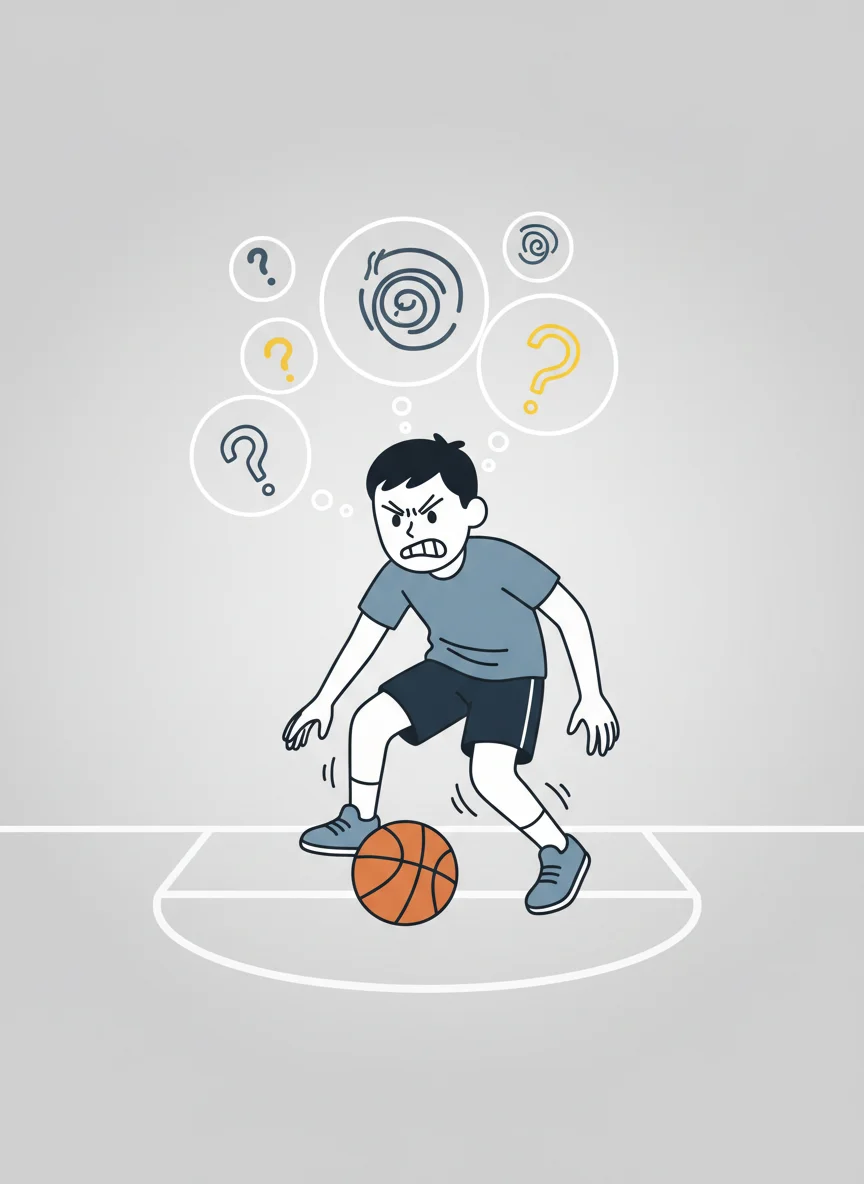
Cognitive Stage - The Thinking Phase
Lots of mental effort required Movements are inconsistent and jerky Many errors and need for instruction High concentration needed Example: Learning to dribble a basketball for the first time

Associative Stage - The Refining Phase
Movements become more consistent Fewer errors, can detect own mistakes Less mental effort required Can focus on strategy and tactics Example: Dribbling while moving and looking around

Autonomous Stage - The Automatic Phase
Skills performed automatically Minimal conscious control needed Can multitask effectively Consistent performance under pressure Example: Professional players dribbling while planning complex plays
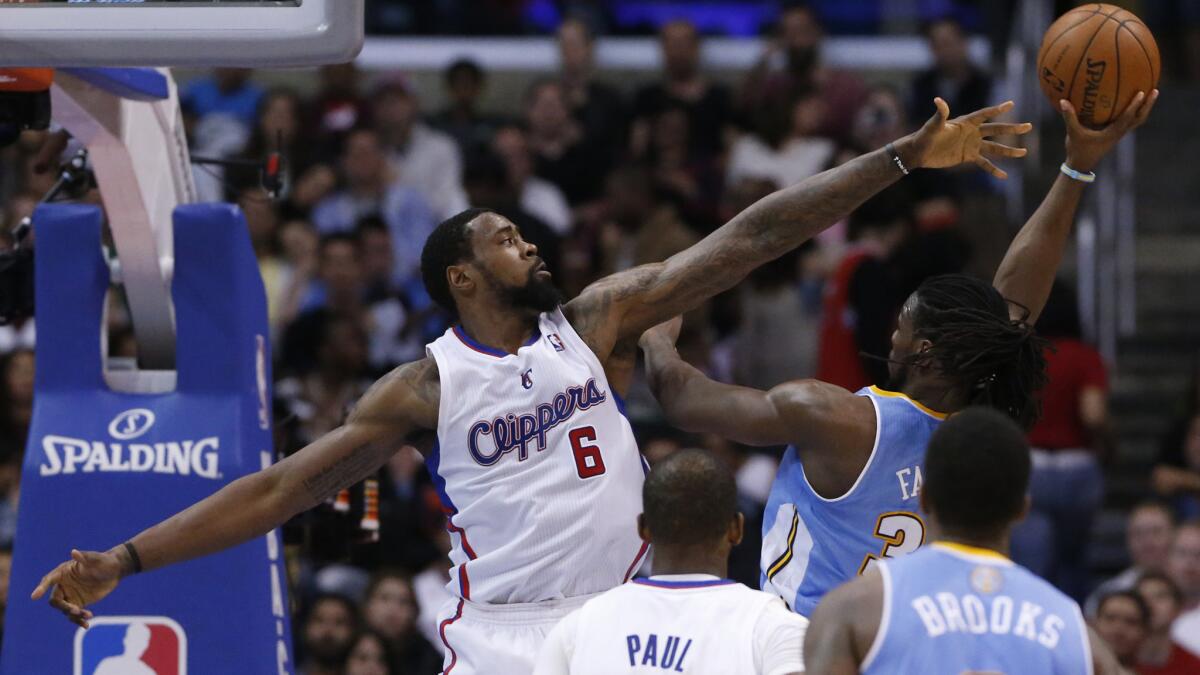
Massed Practice
Continuous practice with minimal rest High intensity, short duration sessions Good for: Simple skills in cognitive stage Basketball example: Shooting 100 free throws in a row Can lead to fatigue and decreased performance
Distributed Practice
Practice sessions spread out over time Rest periods between practice sessions Good for: Complex skills and associative/autonomous stages Basketball example: Practicing shooting 3 times per week Better for long-term retention and skill transfer

External Feedback
Information from outside sources (coach, video, etc.) Specific and immediate feedback Good for: Cognitive stage learners Basketball example: Coach correcting shooting form Helps identify and correct errors quickly
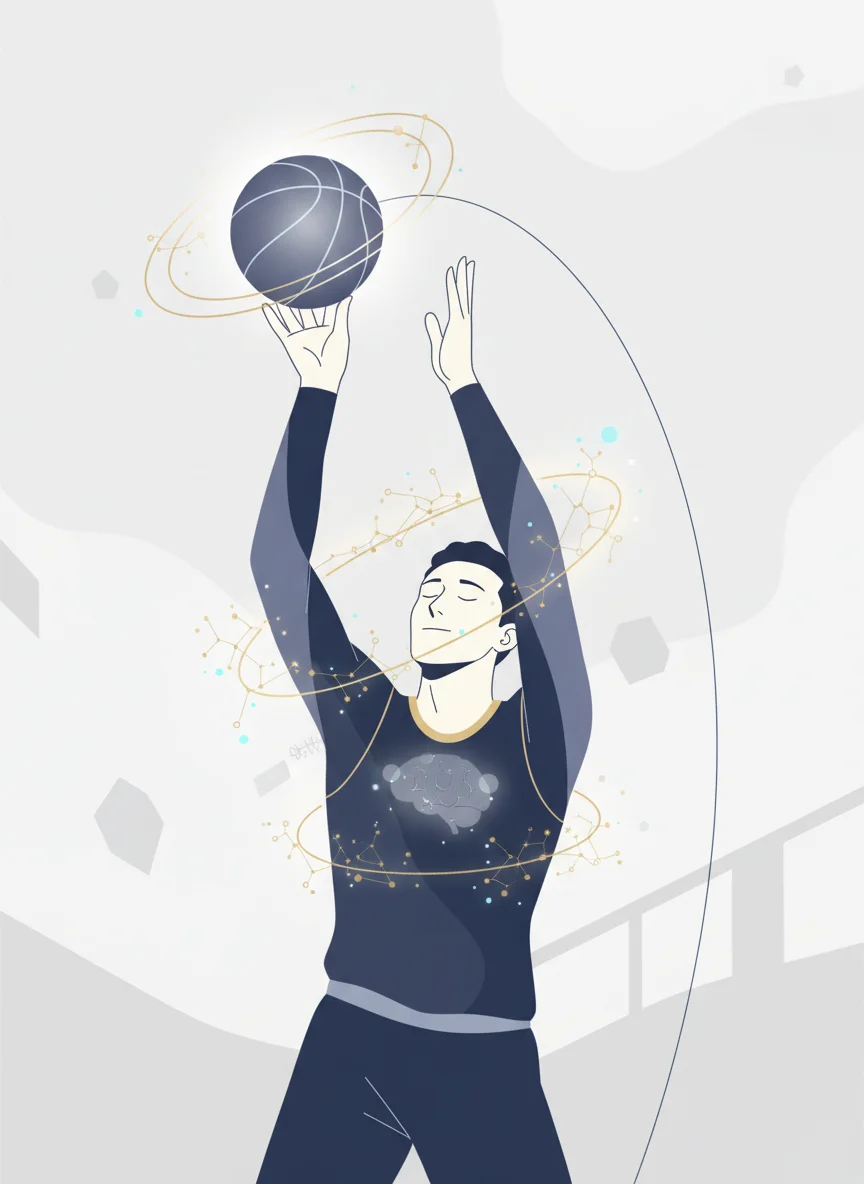
Internal Feedback
Self-generated feedback from within the performer Based on feel, proprioception, and self-analysis Good for: Associative and autonomous stages Basketball example: Player feeling the shot was 'off' before seeing result Develops independent learning and self-correction
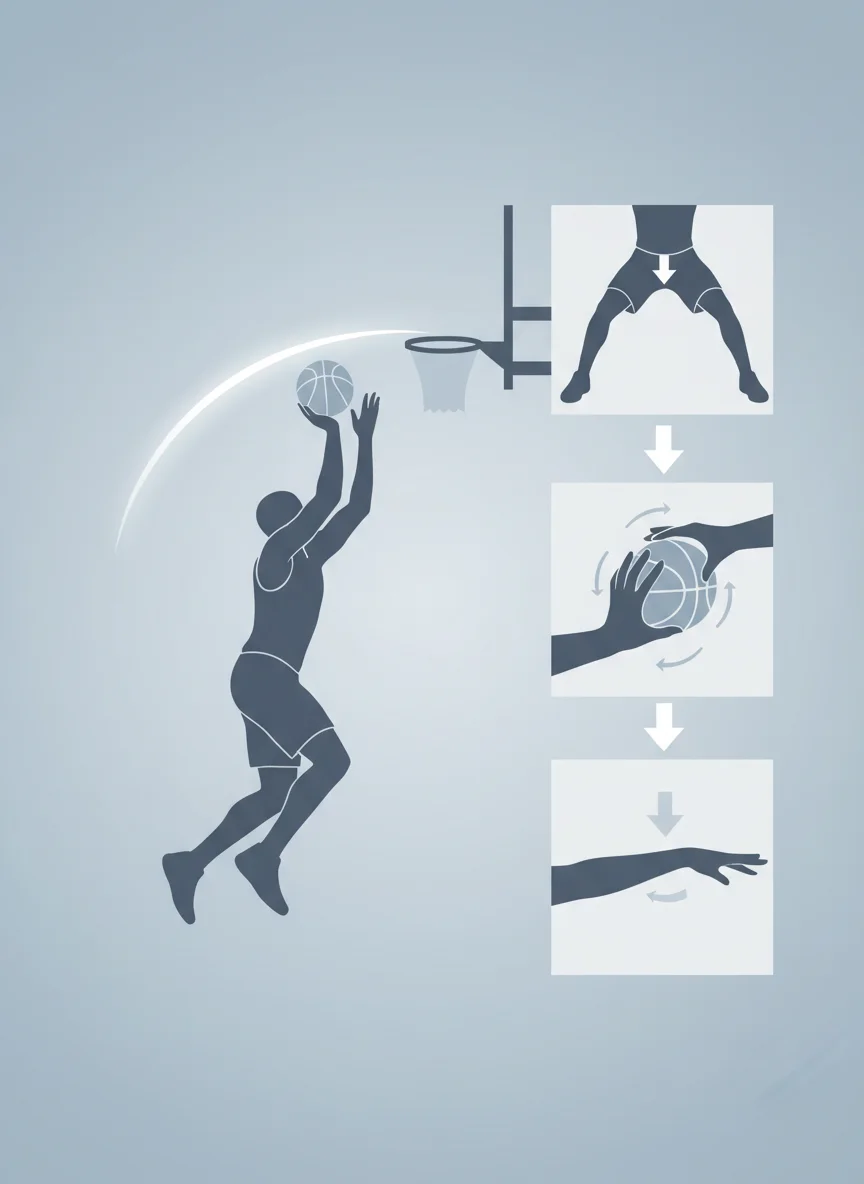
Whole vs Part Learning
Whole: Learning the complete skill at once Part: Breaking skill into components Whole good for: Simple skills, autonomous stage Part good for: Complex skills, cognitive stage Basketball example: Whole = full shooting motion, Part = grip, stance, release separately
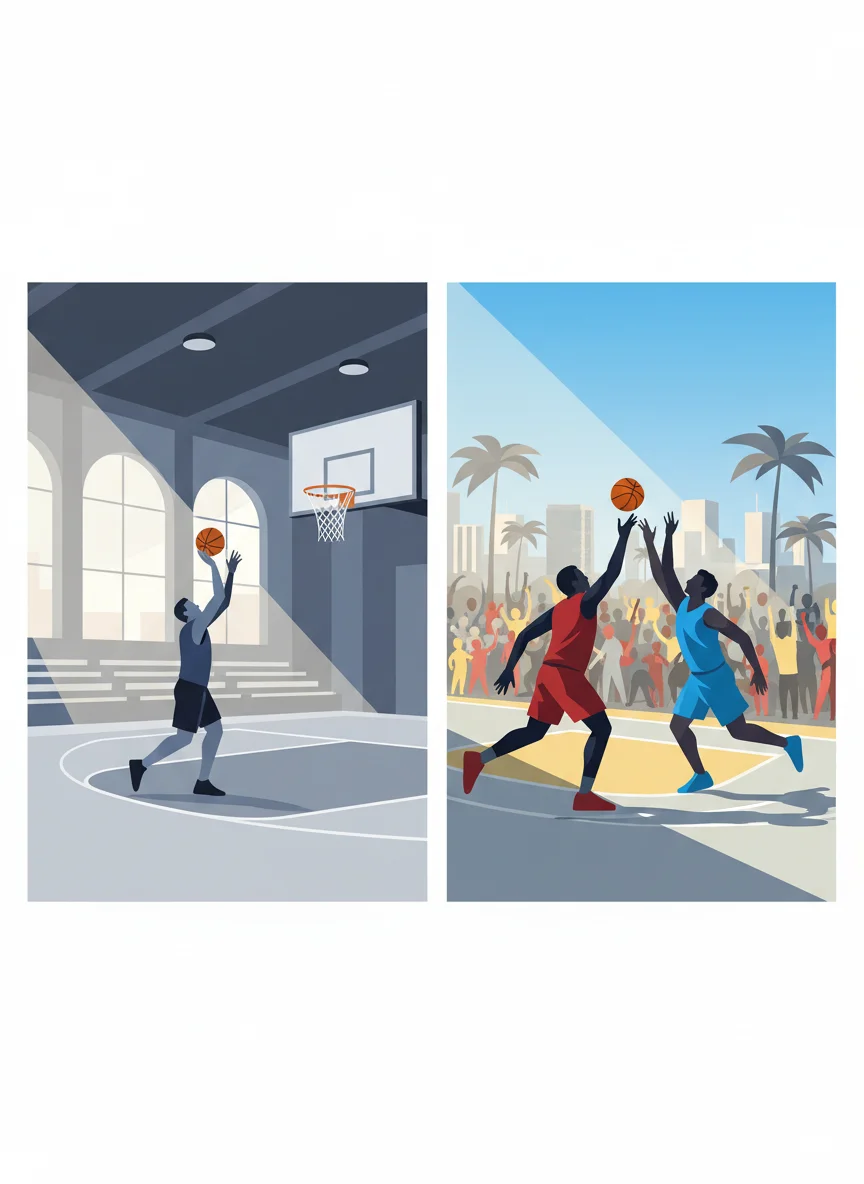
Open vs Closed Environment
Open: Unpredictable, changing conditions Closed: Stable, predictable environment Closed good for: Cognitive stage, learning basic technique Open good for: Associative/autonomous stages, game application Basketball example: Closed = shooting alone, Open = shooting with defenders
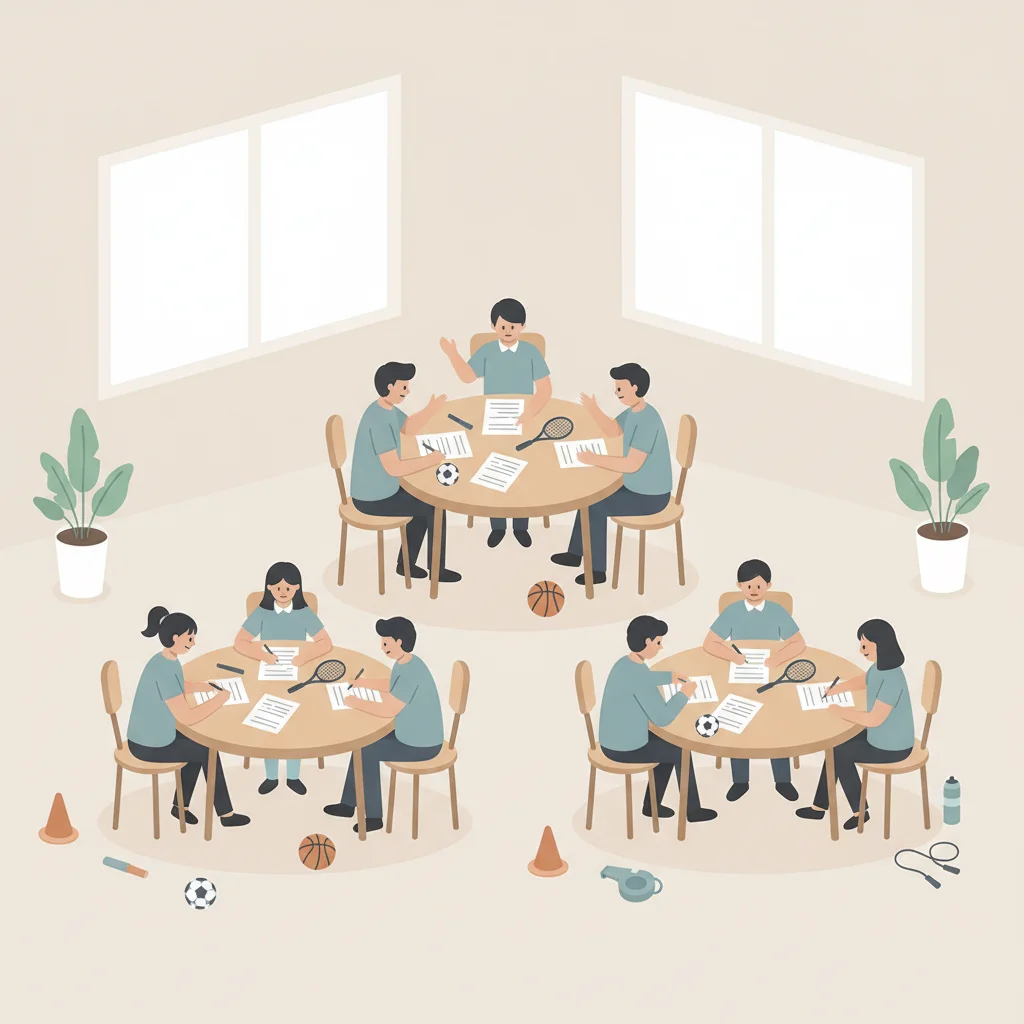
Apply Your Knowledge
Choose a sport skill you're currently learning Identify which learning stage you're in Select the most appropriate practice method Justify your choices with evidence from today's lesson