
Mastering Voice Modulation in Drama
Years 12-13 Drama Empowering Voices in Performance WALT: Use voice modulation effectively to convey character emotions

What is Voice Modulation?
The deliberate control and variation of vocal elements Key components: Tone, Pitch, Volume Essential for creating believable characters Communicates emotions without words Builds audience connection and engagement

The Three Pillars of Voice Modulation
{"left":"TONE - The emotional color of your voice (angry, gentle, mysterious, playful)\nPITCH - How high or low your voice sounds (child vs. adult, excitement vs. sadness)","right":"VOLUME - The loudness or softness of your voice (whisper for secrets, shout for anger)"}

Warm-Up: Voice and Body Connection
Physical warm-up: Shake out limbs and deep breathing Vocal sirens: Glide pitch from low to high Lip trills and humming exercises Practice 'I can't believe this is happening!' with different emotions
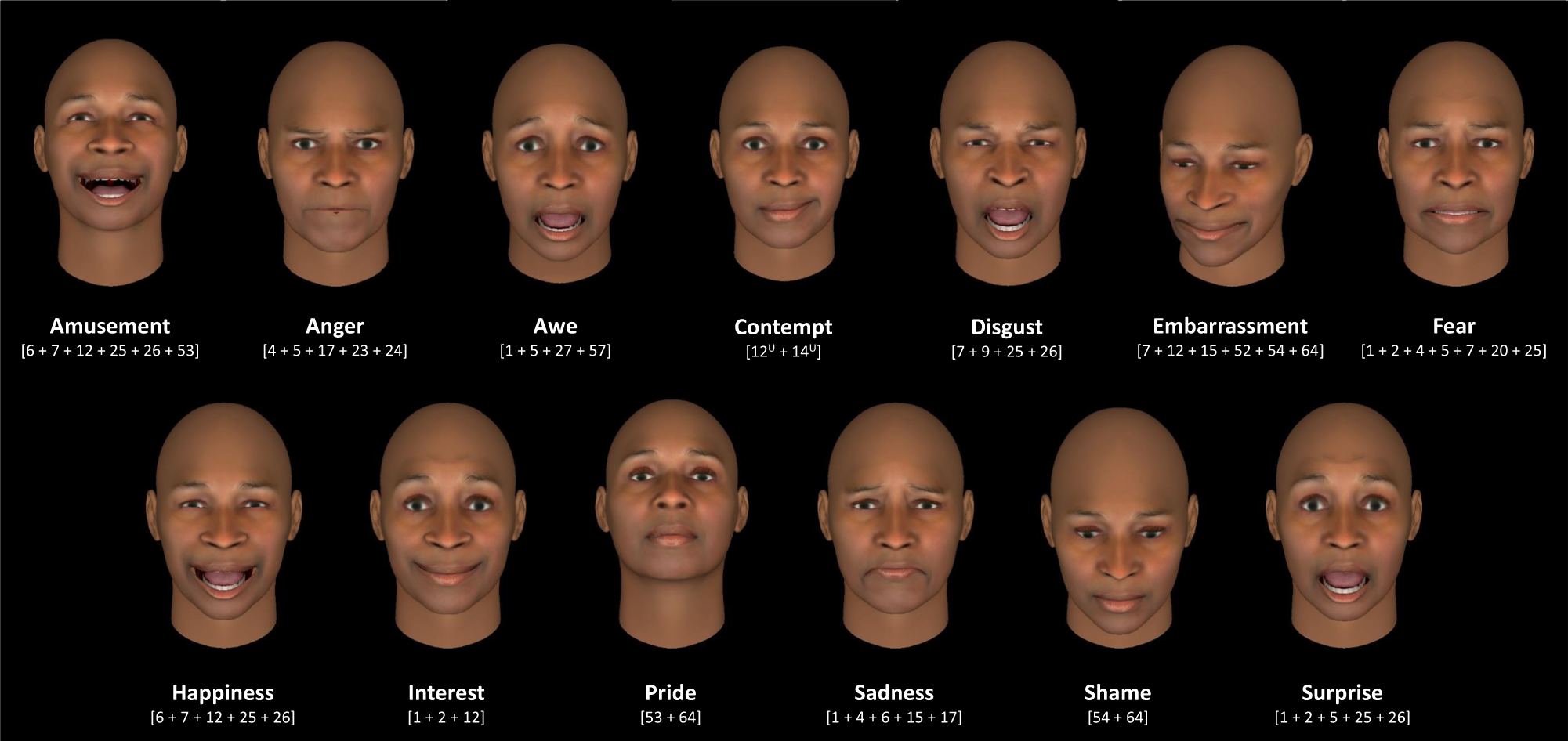
Tone: The Emotional Paintbrush
Conveys character's inner feelings Examples: Sarcastic, sincere, threatening, loving Changes with character's mood and situation Can contradict words for dramatic effect Practice: Say 'Fine' with 5 different tones
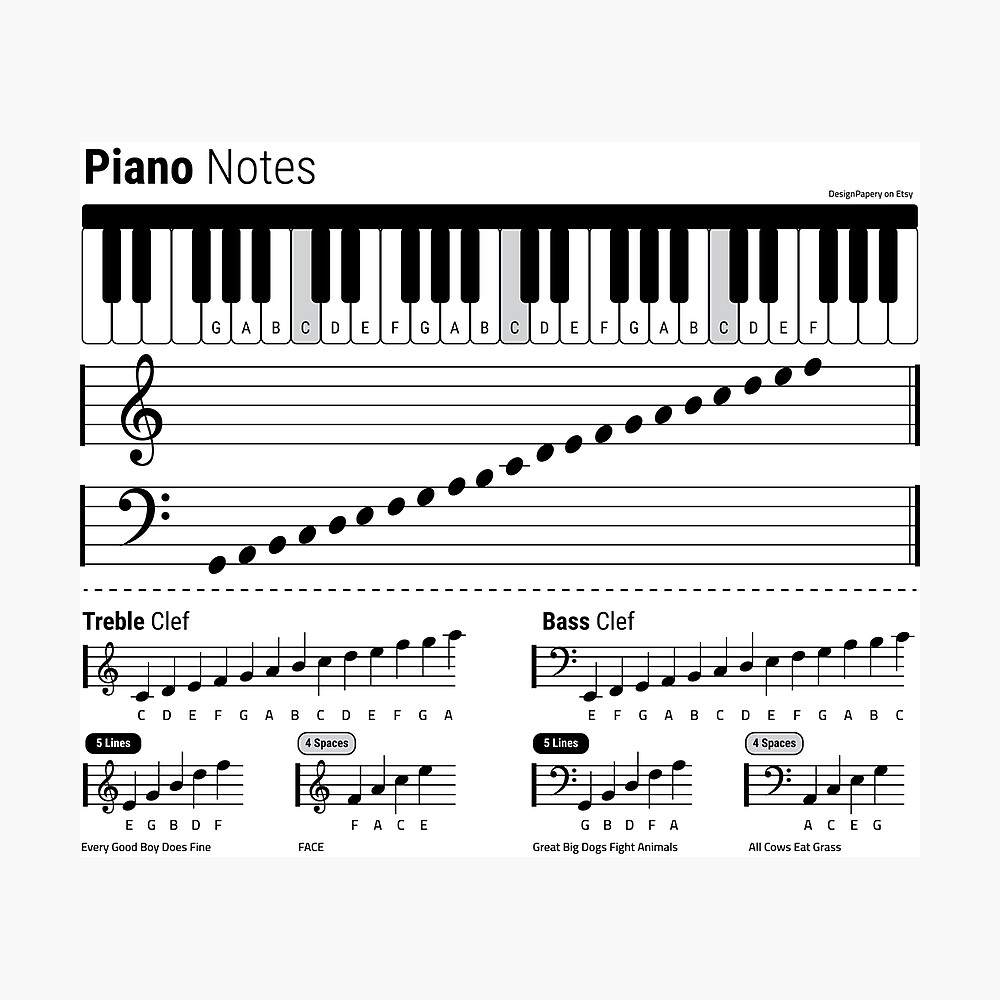
Pitch: The Height of Expression
High pitch often shows excitement, fear, or youth Low pitch suggests authority, sadness, or maturity Pitch changes create vocal variety and interest Avoid monotone delivery Practice: Read a sentence as a child, then as an elderly person

Volume: When Should We Whisper or Shout?
Think about different scenarios: A secret between friends Calling someone across a busy street A threatening warning A gentle lullaby How does volume affect the audience's attention?

Partner Practice: Character Voice Challenge
Work in pairs with provided dialogue or create your own Each partner plays a different character Focus on using tone, pitch, and volume effectively Give constructive feedback using sentence stems Remember: Manaakitanga (respect) in feedback