Mathematical Loci Skills Level 2
Advanced concepts in coordinate geometry Year 12 Mathematics Building spatial reasoning skills

What is a Locus?
A locus is the set of all points that satisfy a given condition Can be described geometrically or algebraically Examples: circles, parabolas, ellipses, hyperbolas Foundation for understanding conic sections
Types of Loci - Level 2
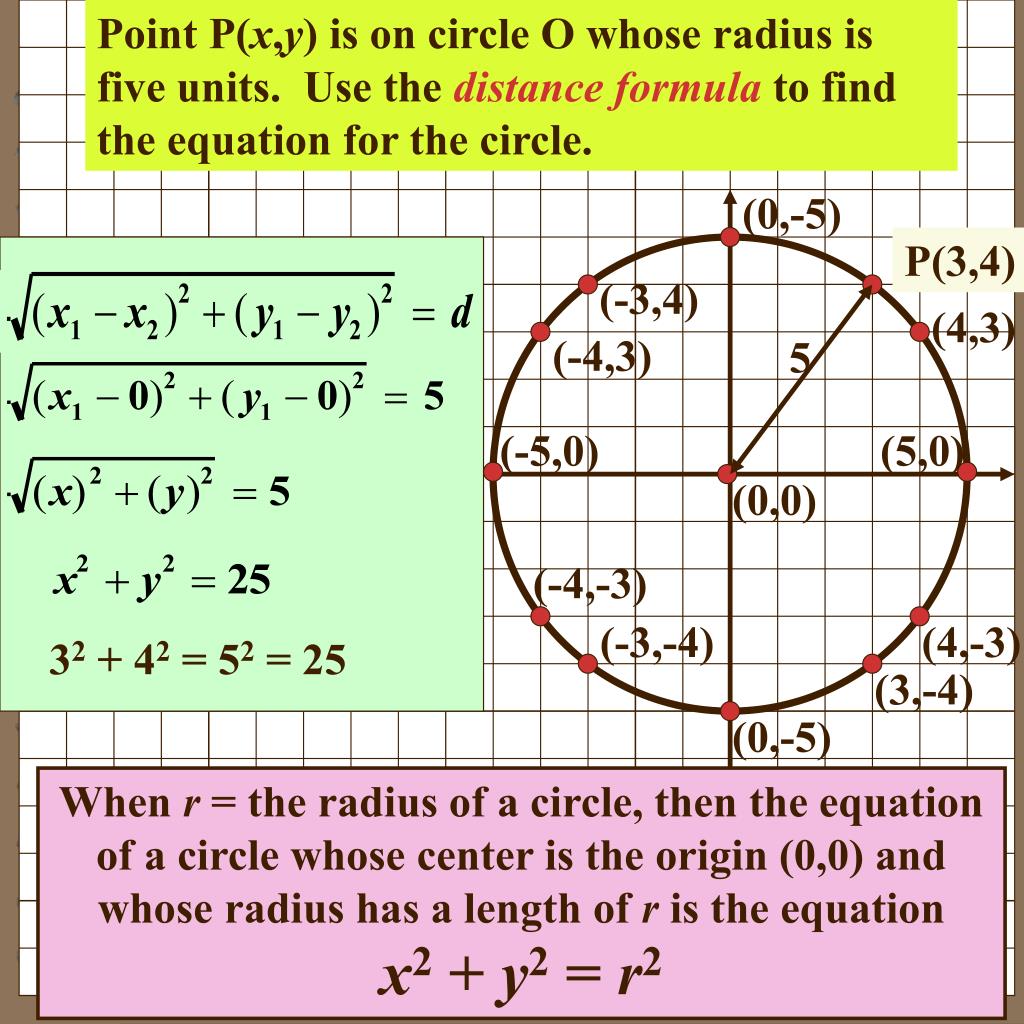
{"left":"Circle: points equidistant from a center\nParabola: points equidistant from focus and directrix","right":"Ellipse: sum of distances to two foci is constant\nHyperbola: difference of distances to two foci is constant"}

Circle Locus Investigation
Given: Center at (3, -2) and radius 5 Find the equation of this circle Identify three points on this circle Verify your points satisfy the equation

Parabola as a Locus
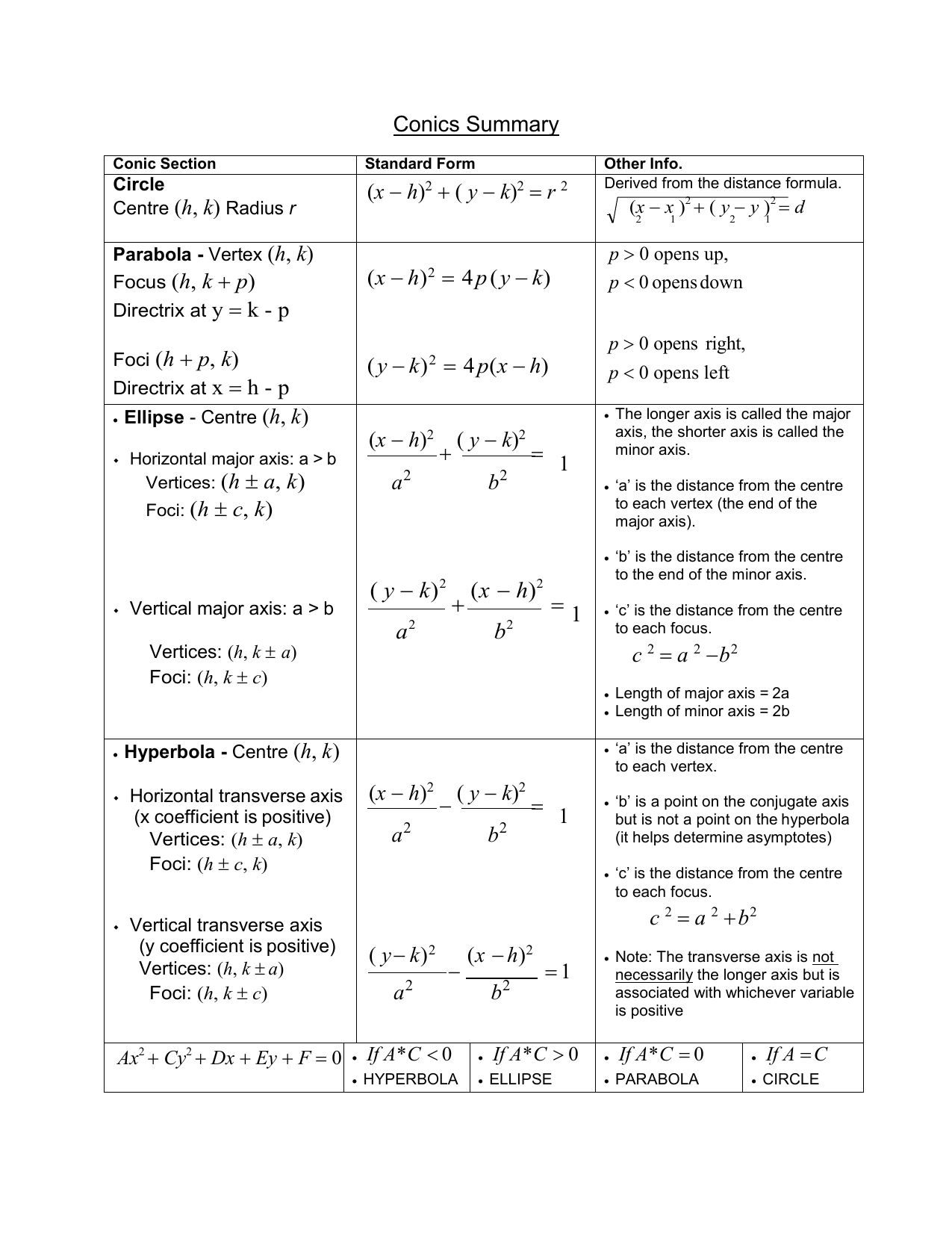
Definition: locus of points equidistant from focus and directrix Standard form: (x-h)² = 4p(y-k) for vertical parabolas Focus at (h, k+p), directrix at y = k-p Vertex at (h, k) is the closest point to directrix
Challenge Question
A parabola has focus at (2, 3) and directrix y = 1 What is the equation of this parabola? Where is the vertex located? Discuss your method with a partner

Ellipse Properties and Equations

Hyperbola Exploration
Hyperbola equation: (x-h)²/a² - (y-k)²/b² = 1 Two branches opening horizontally Asymptotes: y - k = ±(b/a)(x - h) Practice: Find asymptotes for (x-1)²/9 - (y+2)²/4 = 1
Real-World Applications
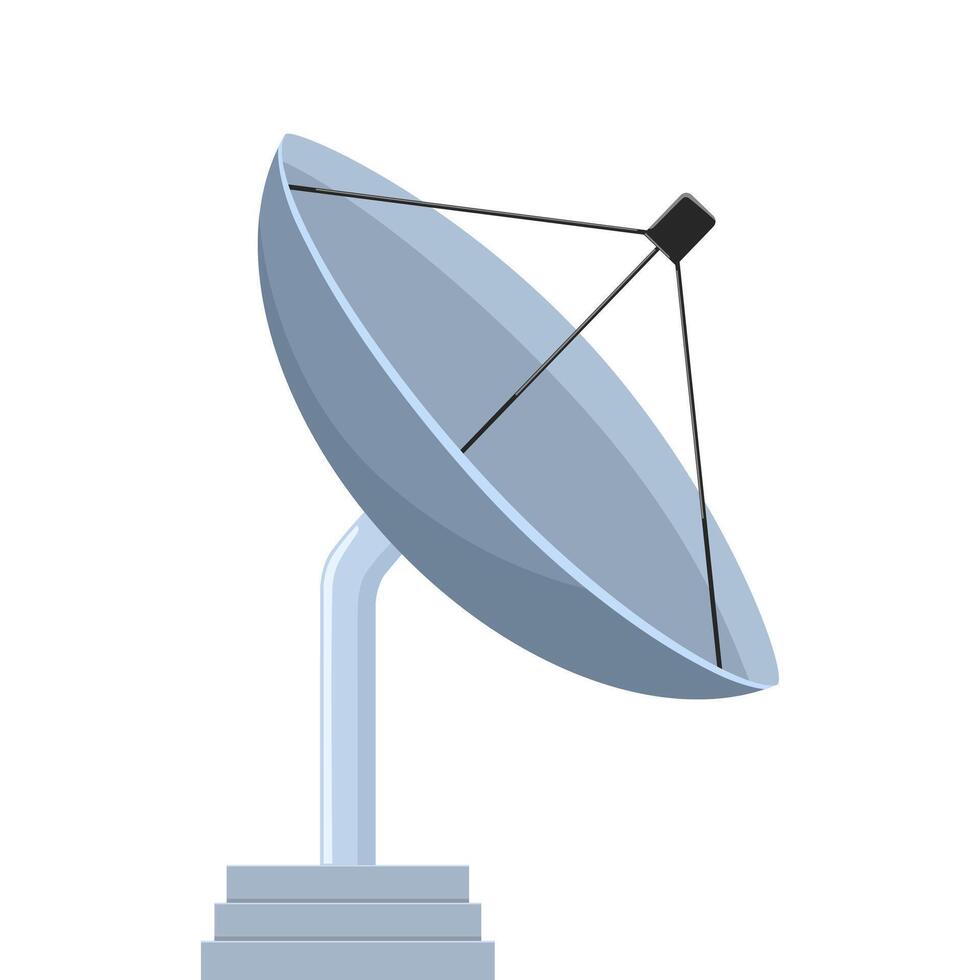
{"left":"Satellite dish design uses parabolic reflectors\nPlanetary orbits follow elliptical paths","right":"Hyperbolic navigation systems (GPS)\nCircular radar coverage areas"}
Summary and Next Steps
Mastered four types of conic section loci Understand geometric and algebraic representations Can solve problems involving circles, parabolas, ellipses, and hyperbolas Ready for advanced applications and transformations