Measuring with Everyday Classroom Objects
Year 2-3 Mathematics Lesson 1: Informal Units of Measurement 60 minutes

WALT (We Are Learning To)
Understand what an informal measurement unit is Use informal units (classroom objects) to measure items around us Work with a partner to compare measurements

Success Criteria
I can explain what an informal measurement unit is I can use classroom items repeatedly as informal units to measure objects I can work with a partner to compare measurements I can use measurement words like 'longer', 'shorter', 'more', 'less'

How long do you think this book is?
Look at this book How could we find out how long it is? What objects could we use to measure it?
What are Informal Units?
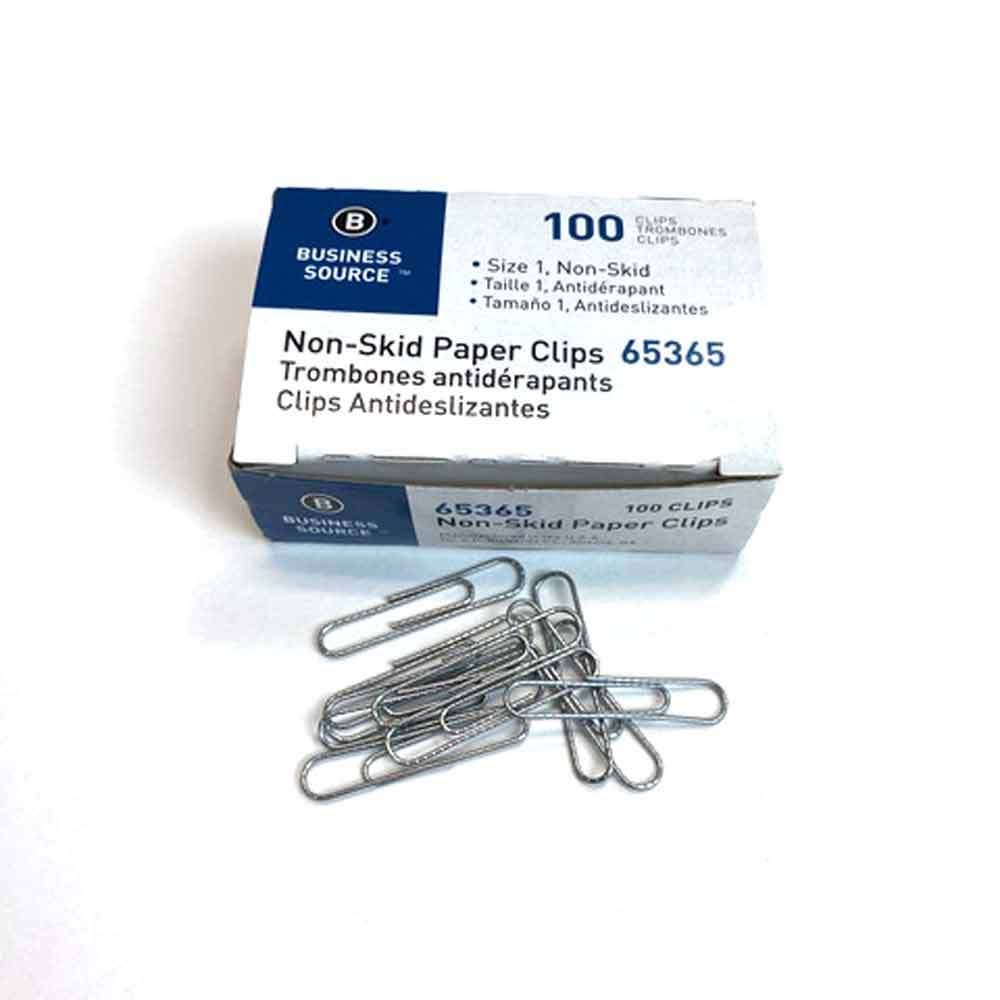
Objects we use to measure other things They must be the same size We place them without gaps or overlaps Examples: paperclips, blocks, pencils Te reo Māori: wāhanga (unit), ine (measure)

Paired Measurement Activity
Choose a partner Pick one type of informal unit (paperclips, blocks, pencils, erasers) Measure a classroom object together Count how many units long it is Record your findings Check your measurement by doing it again
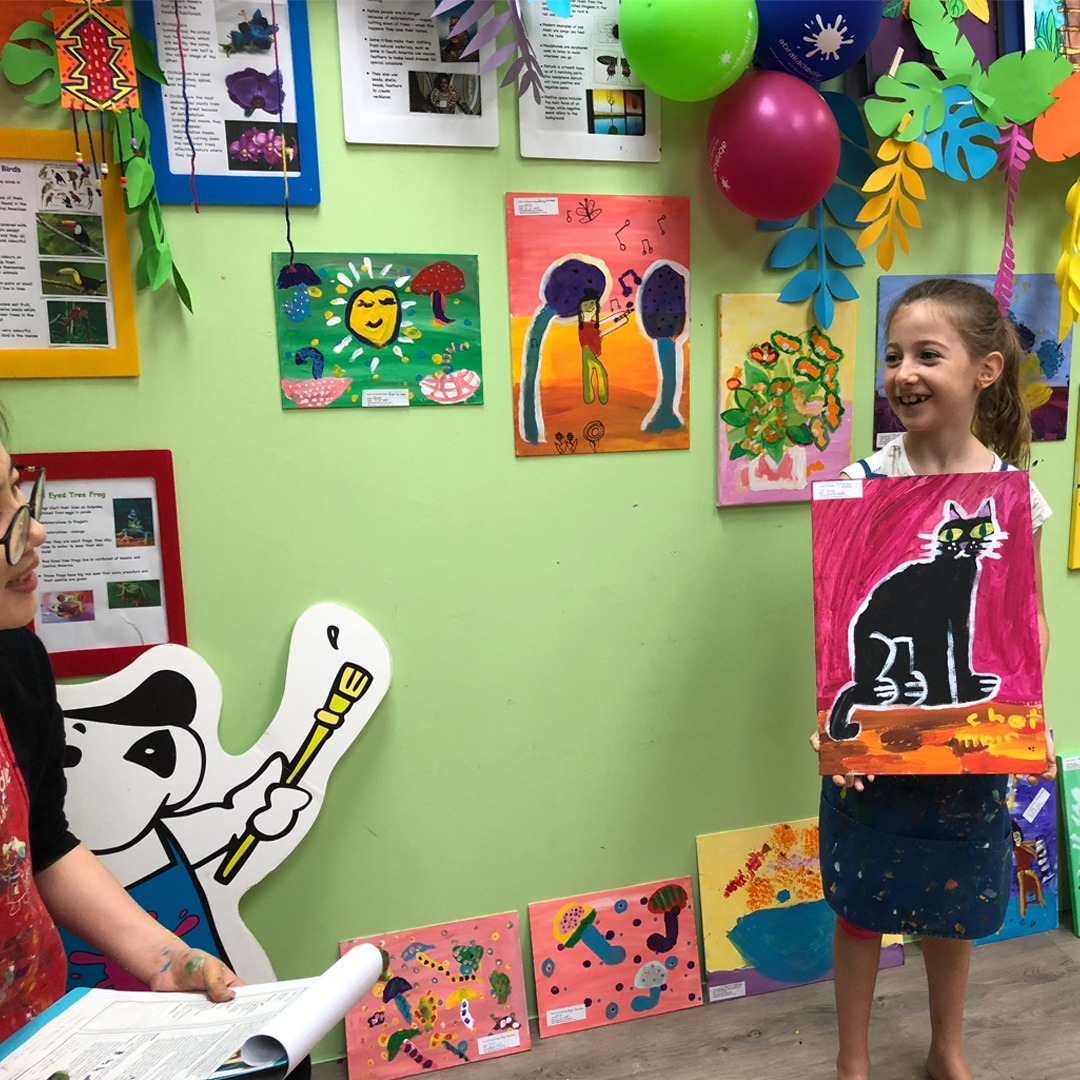
Sharing Our Measurements
{"left":"What did you measure?\nWhich informal unit did you use?\nHow many units long was it?","right":"What did you notice?\nDid different units give different results?\nWhy is it important to use the same unit?"}

What We Learned Today
Informal units are everyday objects used for measuring We must use the same unit repeatedly No gaps or overlaps for accurate measurement Different units give different measurements We can work together to solve measurement problems Next lesson: We'll explore more formal units!