
Metals: Strength, Composition, and Selection
Understanding metal properties for engineering applications Year 12 Technology/Engineering New Zealand Curriculum

Do Now: Metal Detective
Look around the classroom and identify 5 metal objects Write down what you think each metal might be (steel, aluminum, copper, etc.) Consider: Why might that specific metal have been chosen for that object? Share your findings with a partner

Types of Mechanical Stress
Compression: Forces pushing together (like a pillar supporting weight) Tensile: Forces pulling apart (like a rope under tension) Shear: Forces sliding past each other (like cutting with scissors) Each type requires different material properties

Think-Pair-Share
Question: A suspension bridge cable experiences what type of stress? Think individually for 30 seconds Discuss with your partner Be ready to explain your reasoning

Yield Strength: The Critical Point
Yield strength: The stress level where permanent deformation begins Below yield point: metal returns to original shape (elastic deformation) Above yield point: metal stays bent/stretched (plastic deformation) Critical for safety in engineering design

Pure Metals vs Alloys
{"left":"Pure metals have consistent properties but are often too soft\nExamples: Pure aluminum, pure copper, pure iron\nLimited strength for structural applications\nEasier to work with and shape","right":"Alloys combine multiple metals for enhanced properties\nExamples: Steel (iron + carbon), Bronze (copper + tin)\nMuch stronger than pure metals\nProperties can be tailored for specific uses"}

Alloy Investigation
Research one common alloy from the list provided Find out: What metals are combined? What properties does it gain? Real-world application: Where is this alloy used and why? Prepare a 30-second explanation for the class

Common Alloying Elements and Their Effects
Material Selection Criteria
Strength requirements: Will it handle the expected loads? Environmental factors: Corrosion, temperature, wear resistance Manufacturing considerations: Can it be shaped, welded, machined? Economic factors: Cost of material and processing Weight constraints: Critical in aerospace and automotive Aesthetic requirements: Appearance and finish
Design Challenge
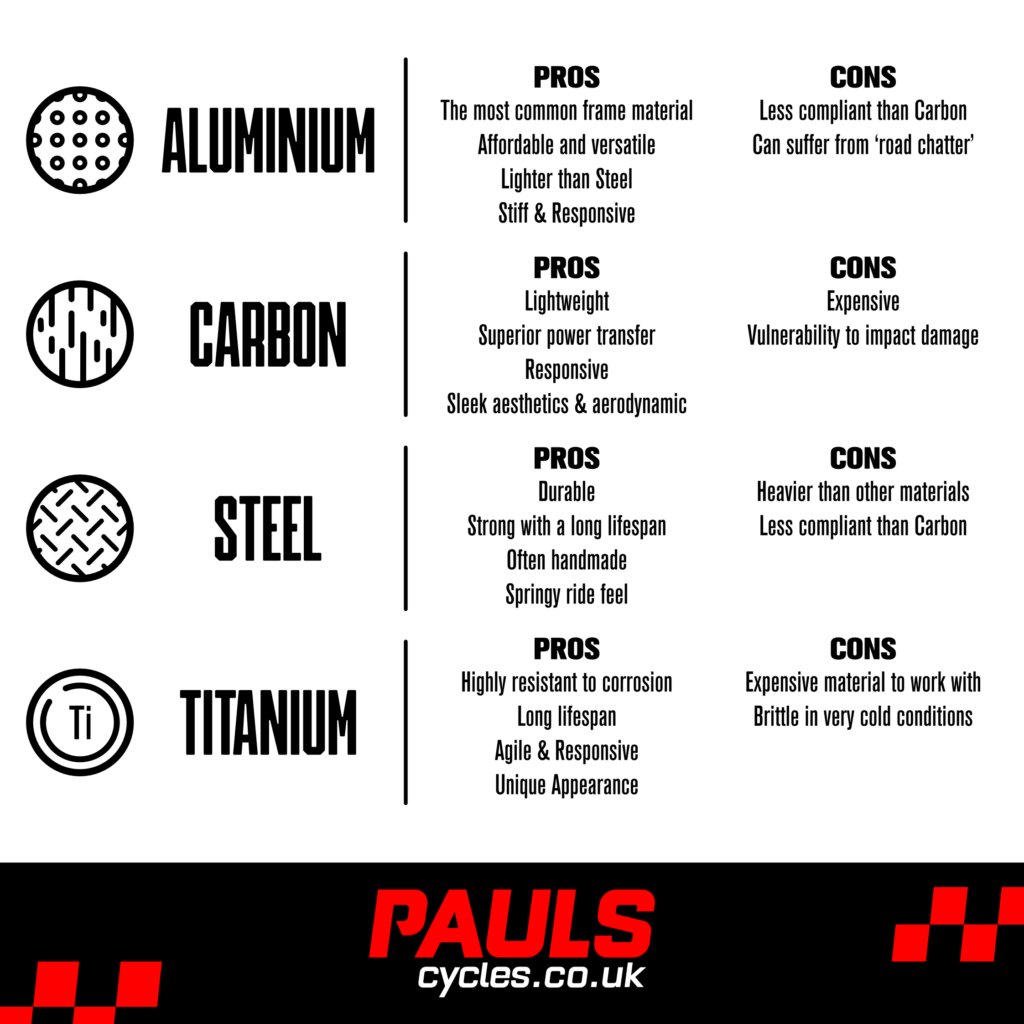
Scenario: Design a bicycle frame Consider the requirements: • Must be strong enough for a 100kg rider • Needs to be lightweight for performance • Must resist outdoor weather conditions • Should be affordable for average consumers What metal would you choose and why?