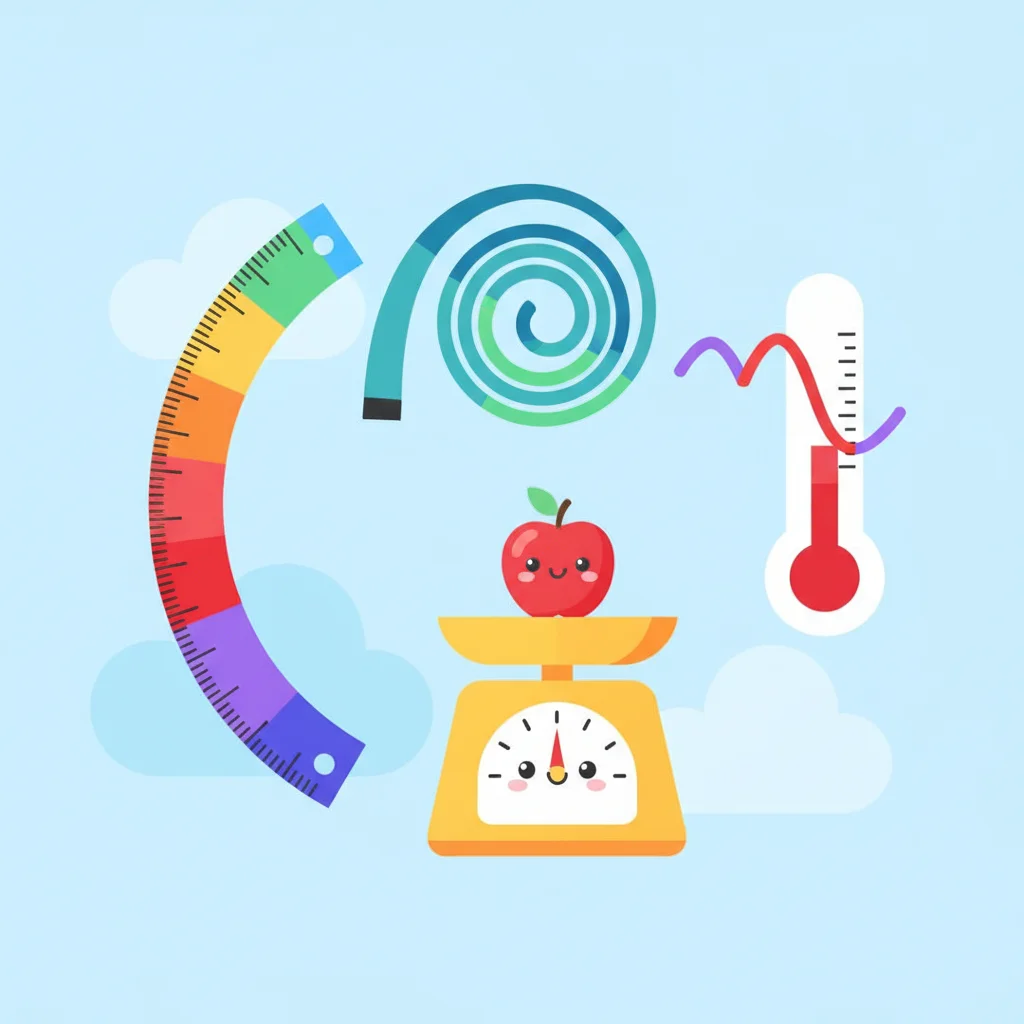
Metric Conversions for Year 6
Learning to convert between metric units Building confidence with measurements Real-world applications
What is the Metric System?
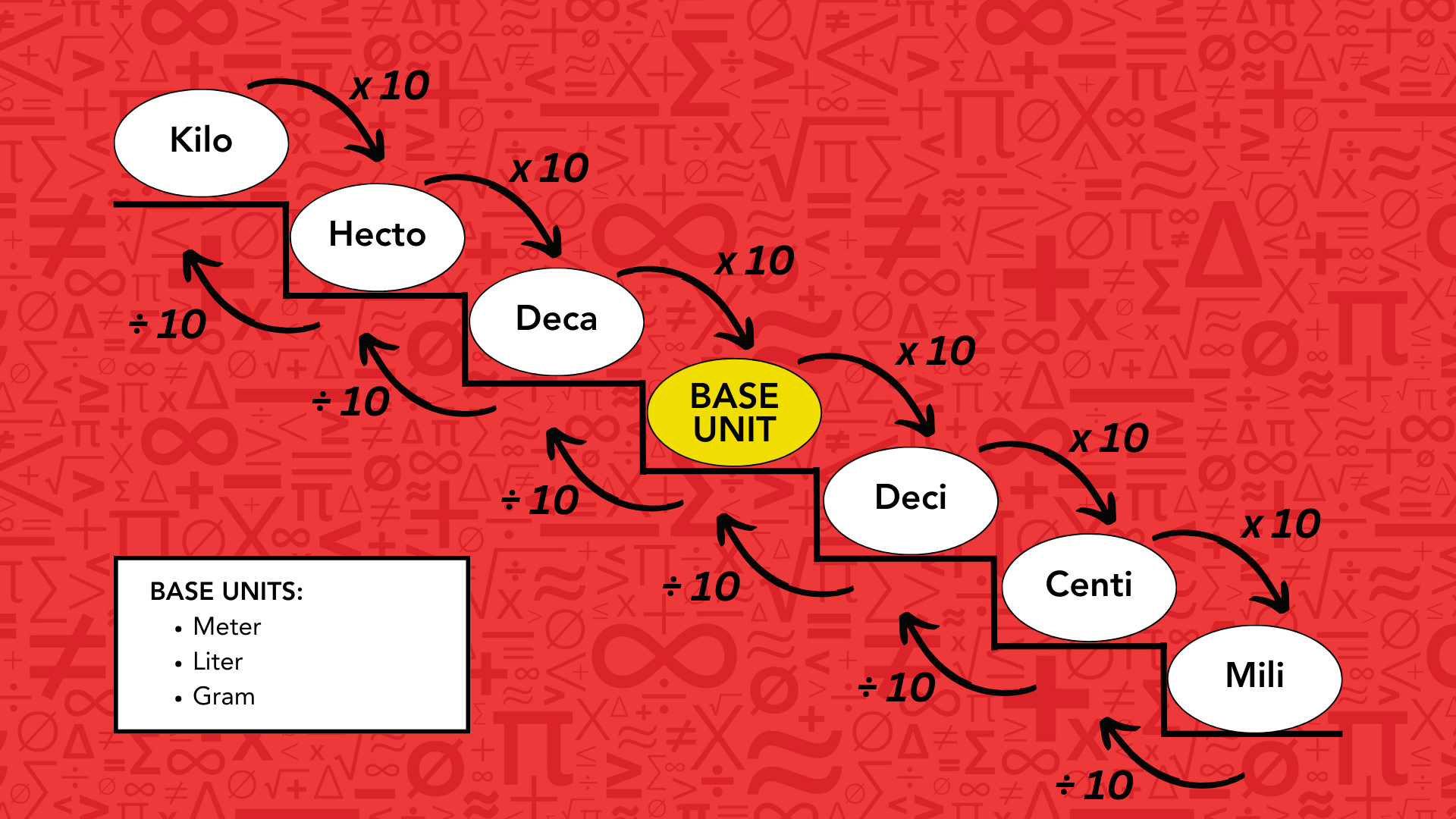
Based on units of 10 Used around the world including New Zealand Makes calculations easier Common units: metres, litres, grams
Metric Conversion Chart
Length Conversions
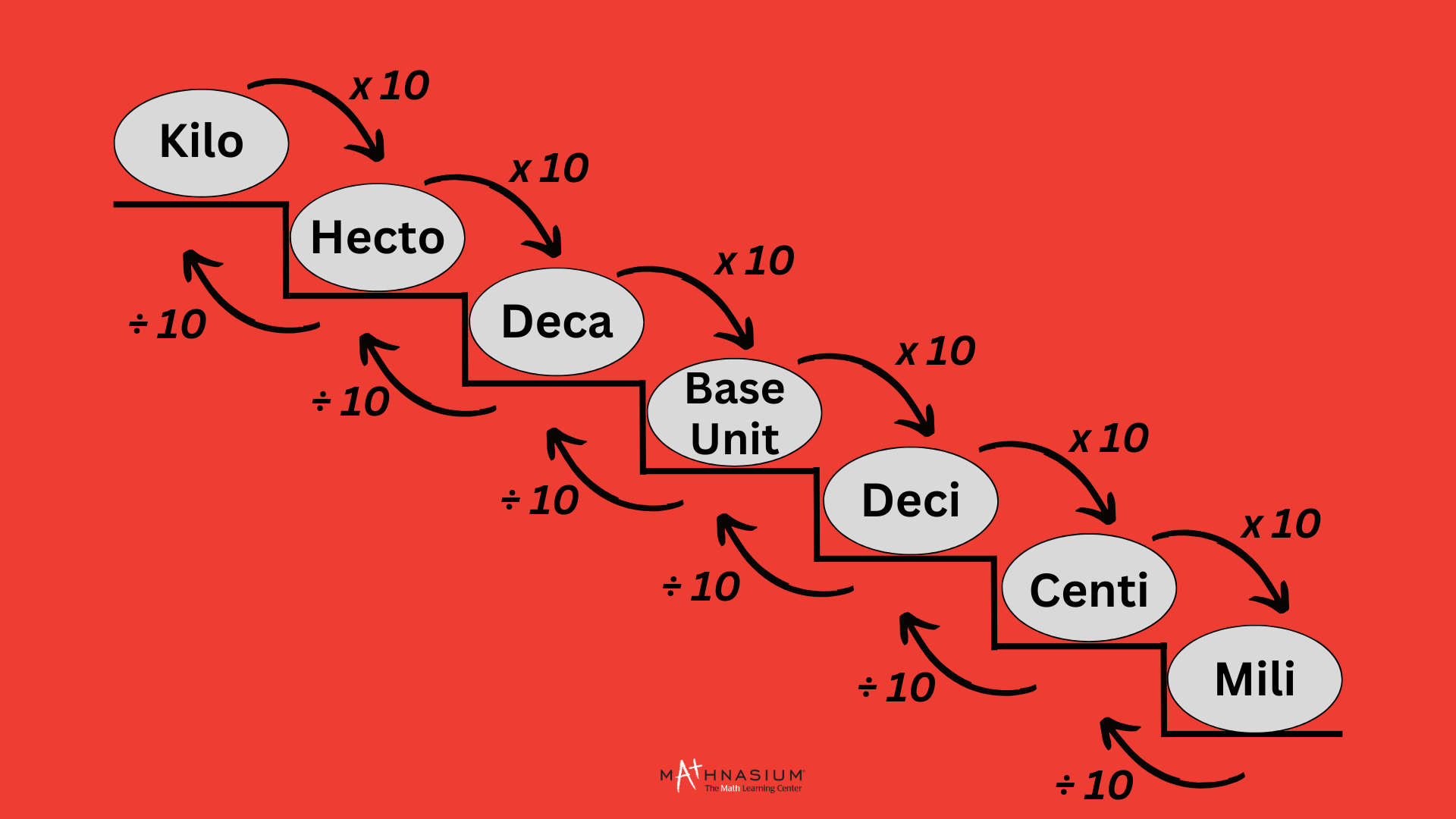
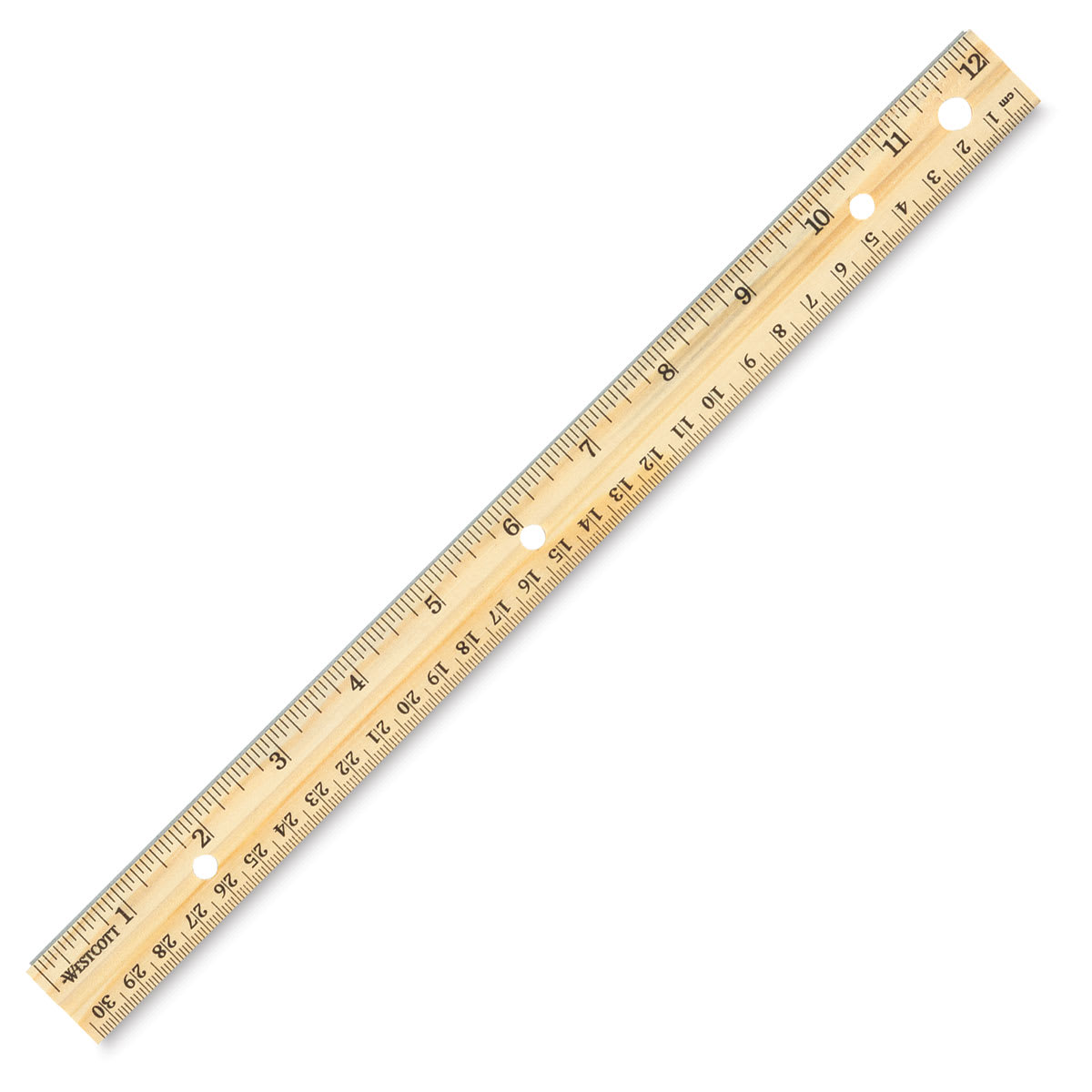
1 kilometre = 1,000 metres 1 metre = 100 centimetres 1 centimetre = 10 millimetres Moving right: divide, Moving left: multiply

Length Conversion Practice
Convert 2.5 metres to centimetres Convert 1,500 millimetres to metres Convert 0.75 kilometres to metres Work with a partner to check answers
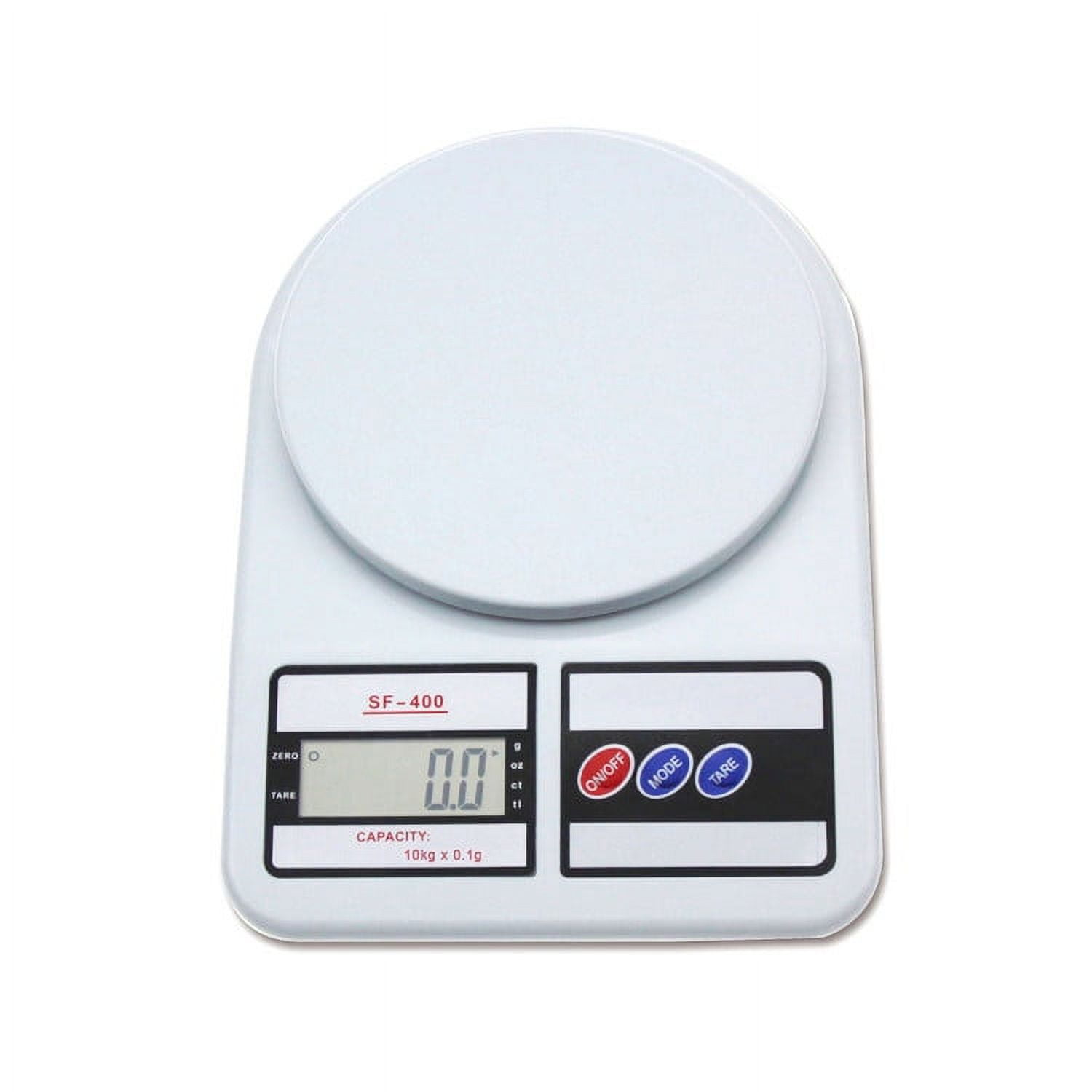
Mass (Weight) Conversions
1 kilogram = 1,000 grams 1 gram = 1,000 milligrams Think about everyday objects Apple ≈ 150 grams, Bag of sugar = 1 kilogram

Mass vs Volume Conversions
{"left":"Mass measures how heavy something is\nMeasured in kilograms, grams, milligrams","right":"Volume measures how much space something takes up\nMeasured in litres, millilitres"}
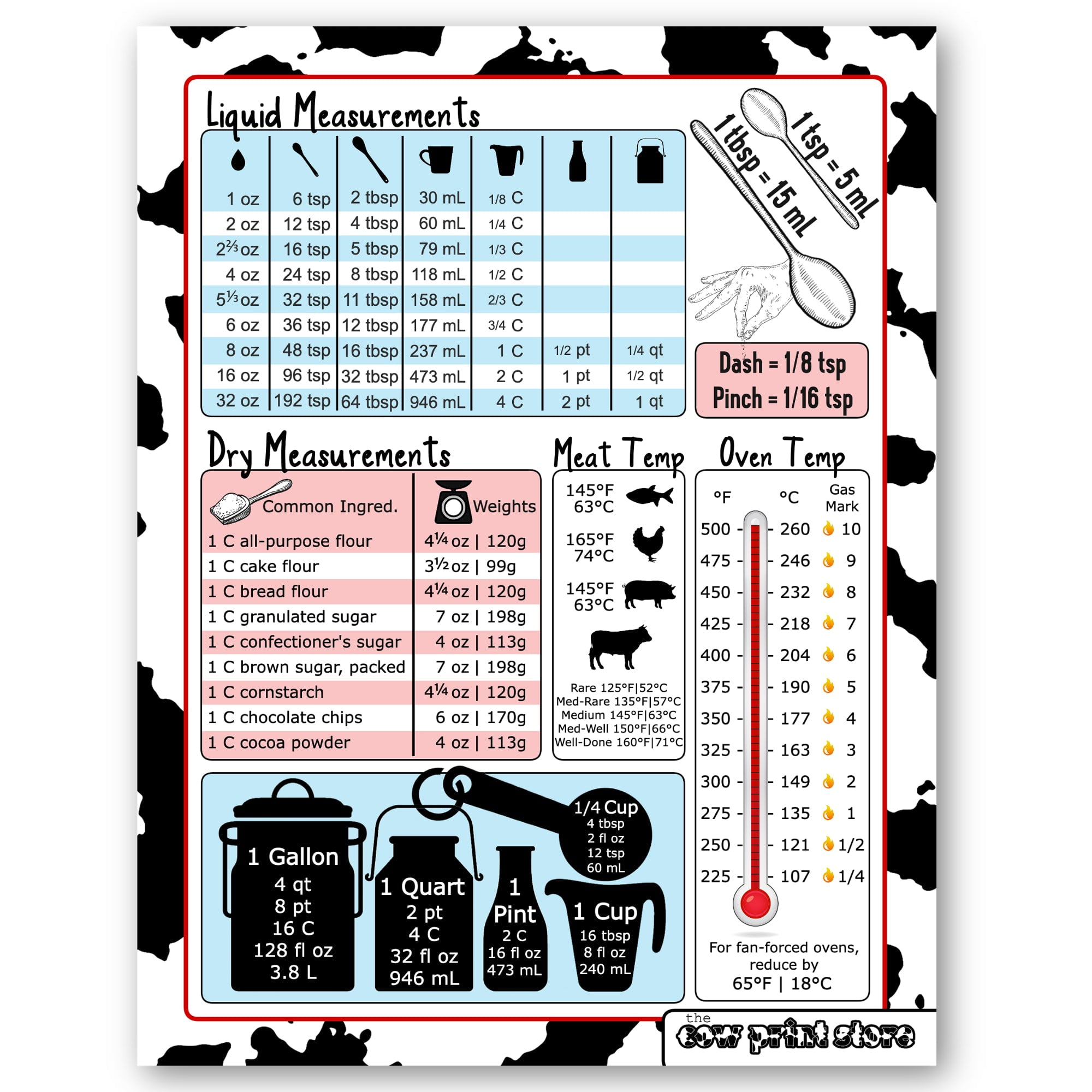
Real-World Conversion Challenge
Recipe calls for 2.5 litres of water - how many millilitres? You run 1,500 metres - how many kilometres? Medicine bottle contains 250 milligrams - how many grams? Discuss your strategies with the class
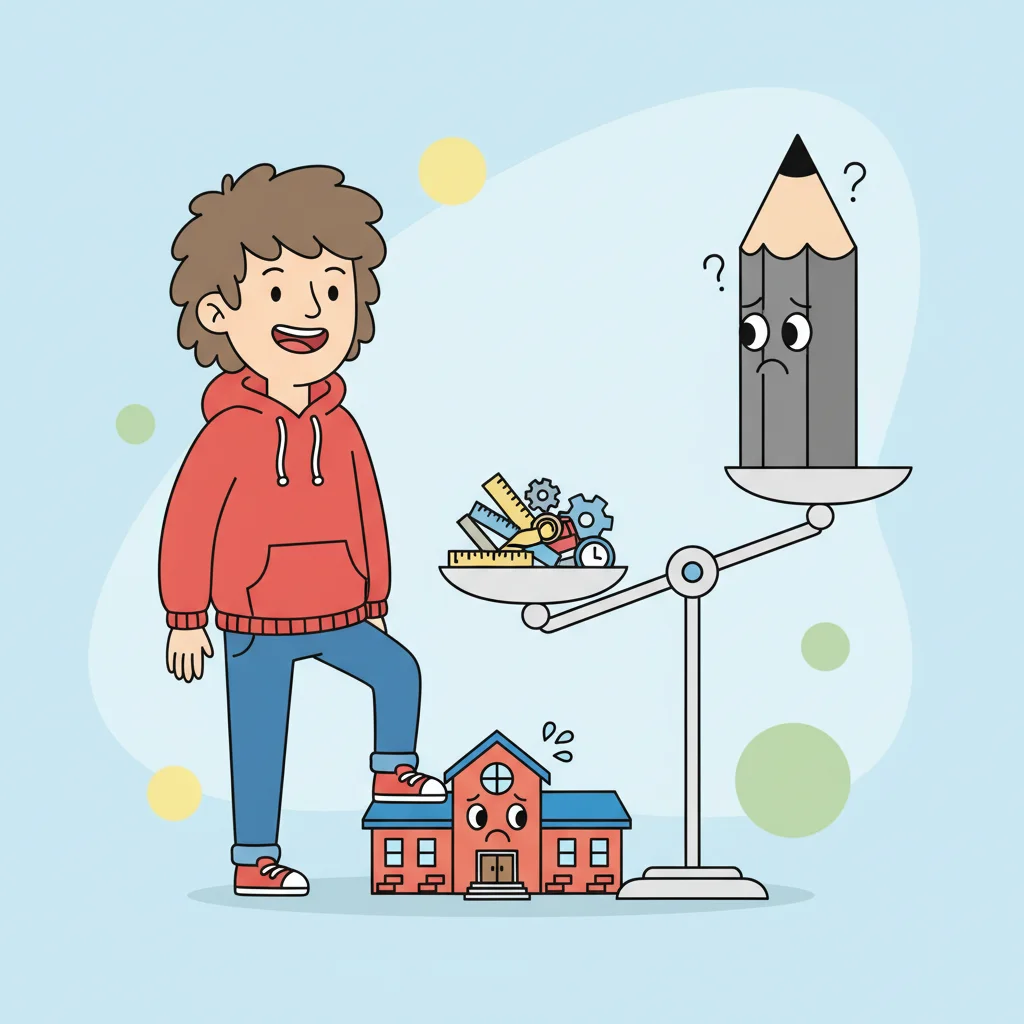
Quick Check: What's Wrong Here?
A student says: 'I'm 150 kilometres tall' Another says: 'This pencil weighs 2 litres' Can you spot the mistakes? What would be the correct units?
Summary and Tips
Remember the base units: metre, gram, litre Use the power of 10 pattern Check if your answer makes sense Practice with everyday objects Ask yourself: 'Is this reasonable?'