
Ocean Data: Our Marine Ecosystem
Exploring marine life through mathematics, science, and Te Reo Māori Year 6 Cross-curricular Learning Journey
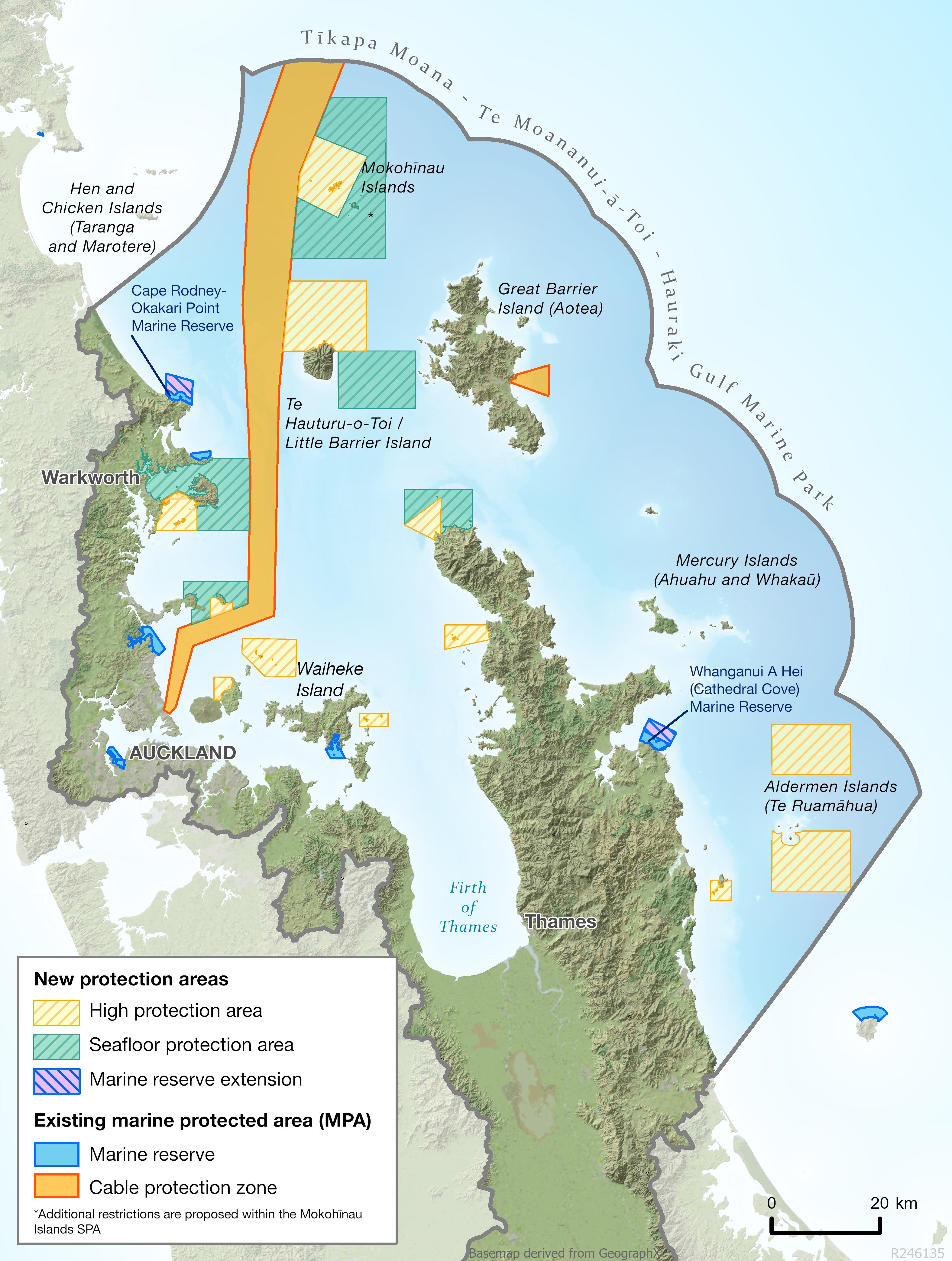
Kei Raro i te Moana - Beneath the Ocean
Traditional Māori waiata about ocean life Connects us culturally to Tangaroa (god of the sea) Vocabulary: moana (ocean), ika (fish), wai (water) Helps us respect and understand our marine environment
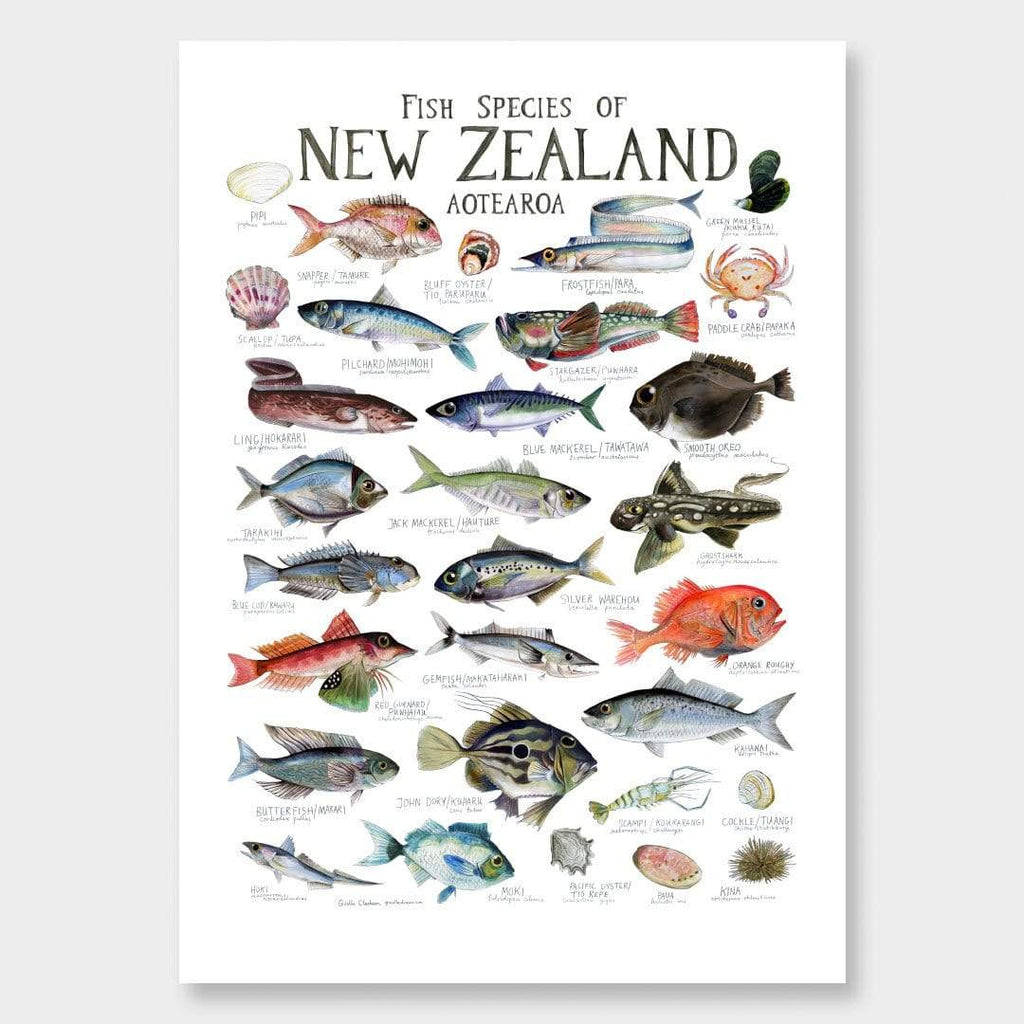
What do we already know about fish?
Think about fish you've seen or caught What sizes were they? Where did you find them? How could we measure and record this information?

Collecting Fish Length Data
Scientists measure fish to understand populations Data helps us know if fish numbers are healthy We'll use real measurements from Auckland harbors Measurements are recorded in centimeters (cm)
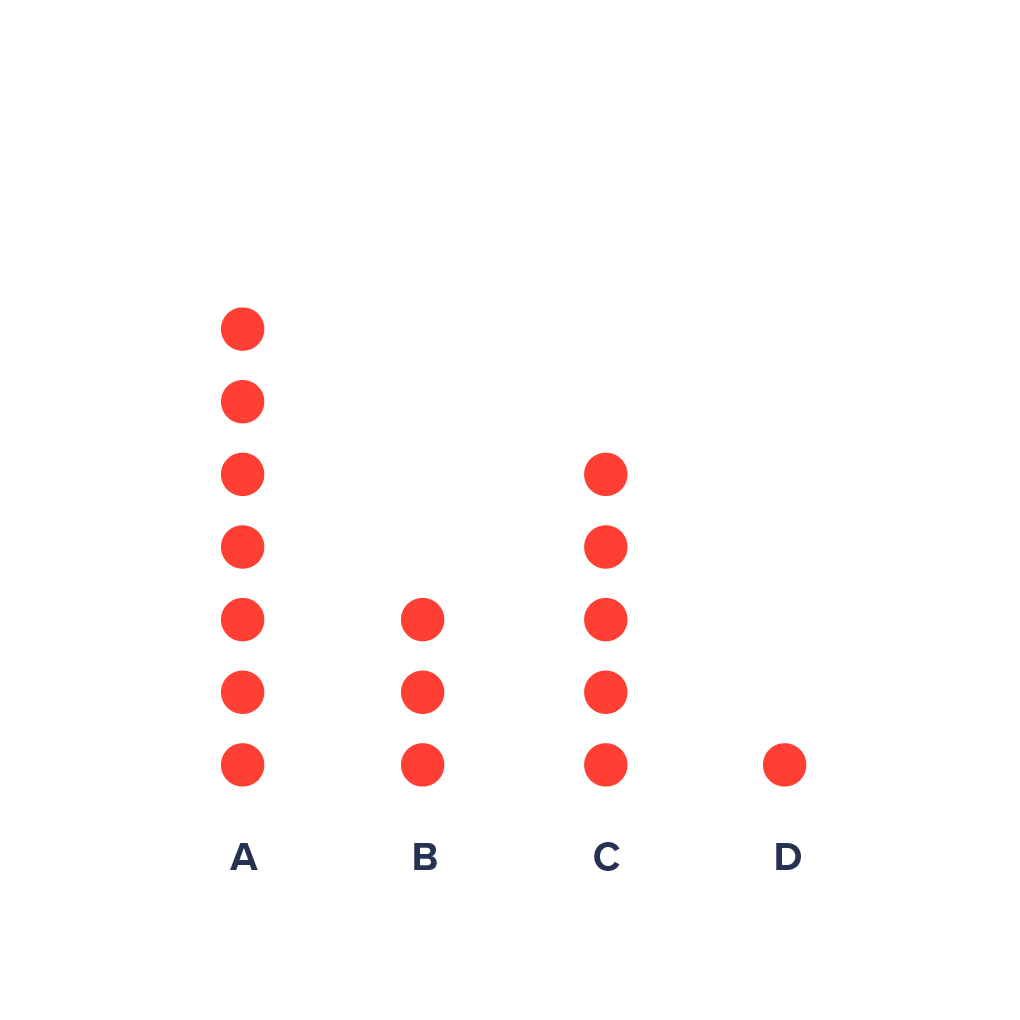
Creating Our Fish Length Dot Plot
Use real snapper length data: 28, 31, 29, 33, 30, 35, 28, 32, 29, 31, 34, 30, 33, 29, 32 Create a number line from 25-40 cm Place dots above each measurement Stack dots when lengths are the same
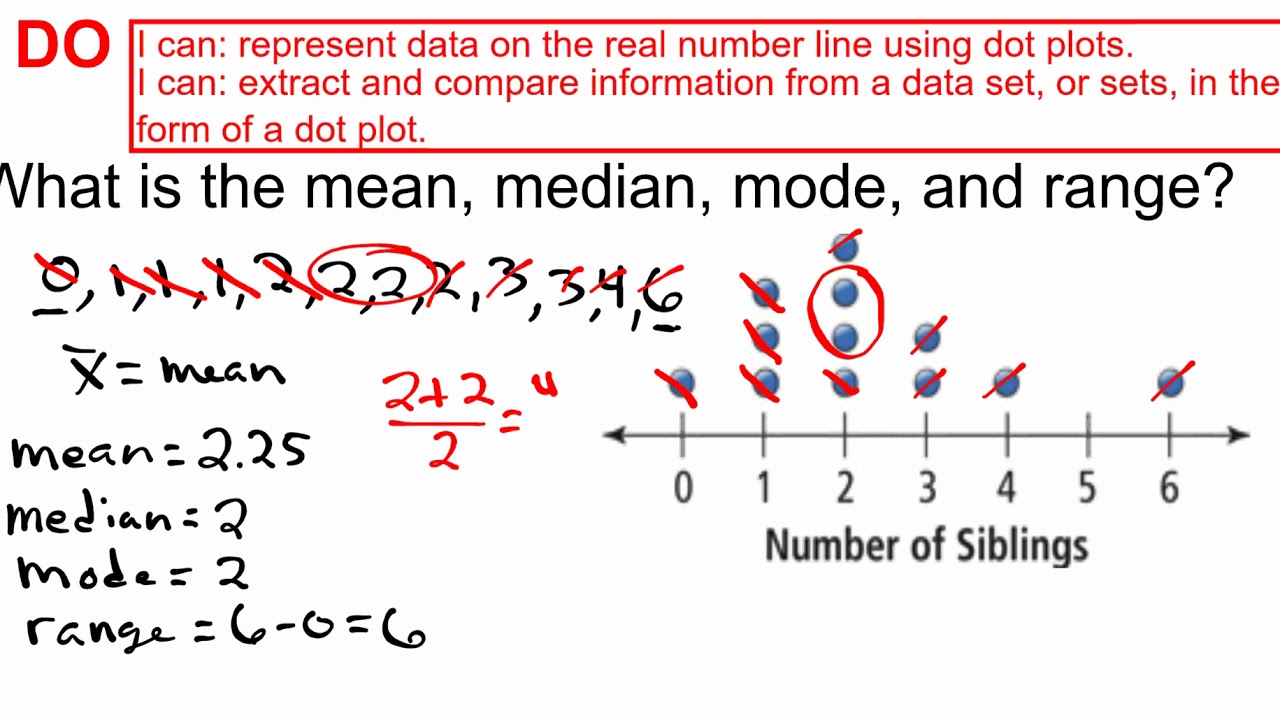
Reading Our Dot Plot Data
Clusters: Where do most fish lengths group together? Gaps: Are there any lengths with no fish? Range: Difference between longest and shortest fish Mode: Most common fish length

Fish Life Cycles and Growth
{"left":"Snapper start as tiny larvae in spring\nThey grow quickly in warm summer waters\nYoung fish live in shallow harbors\nAdult fish move to deeper waters","right":"Fish length tells us their age\nOlder fish are important for breeding\nProtecting large fish helps populations\nSustainable fishing keeps ecosystems healthy"}
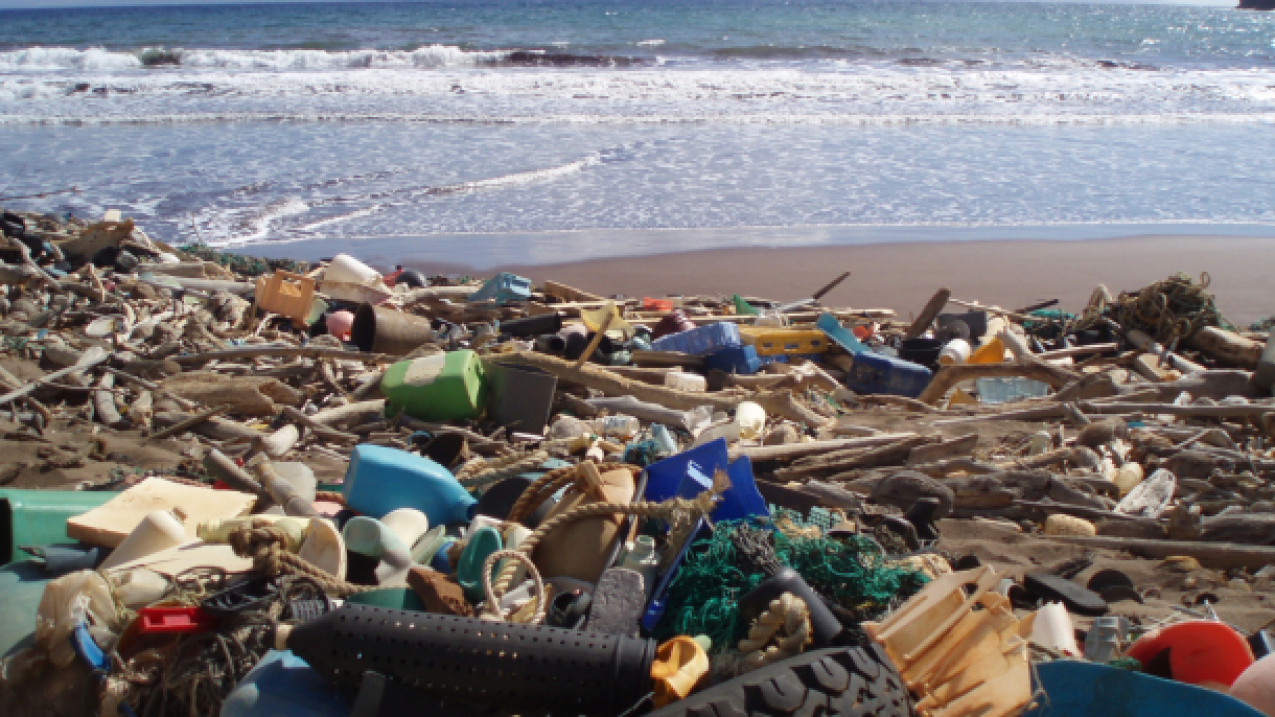
Human Impact on Ocean Ecosystems

Writing About Our Ocean Data
Write a recount of collecting fish data Describe what our dot plot shows us Explain why fish length data is important Include Te Reo Māori vocabulary: ika (fish), moana (ocean), taiao (environment)
Protecting Our Moana
"Kia tiaki i a Tangaroa, kia tiaki a Tangaroa i a tātou" "Care for the sea god, and the sea god will care for us" - Māori proverb about ocean stewardship