Our Class Treaty: Learning from Waitangi
Understanding New Zealand's founding document Creating our own classroom agreement Year 8 History/Social Studies
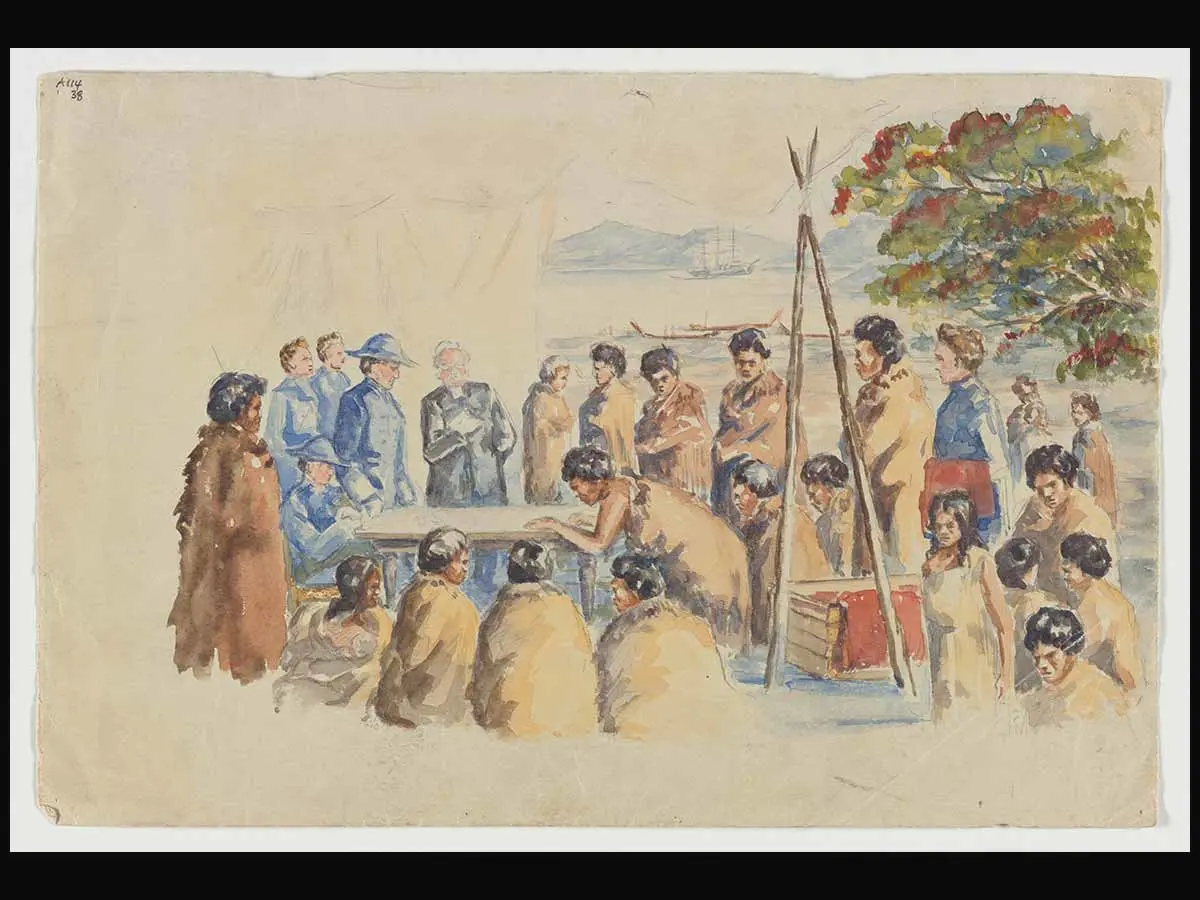
What is the Treaty of Waitangi?
New Zealand's founding document signed in 1840 Agreement between Māori chiefs and the British Crown Established the basis for New Zealand as a nation Still influences New Zealand law and society today
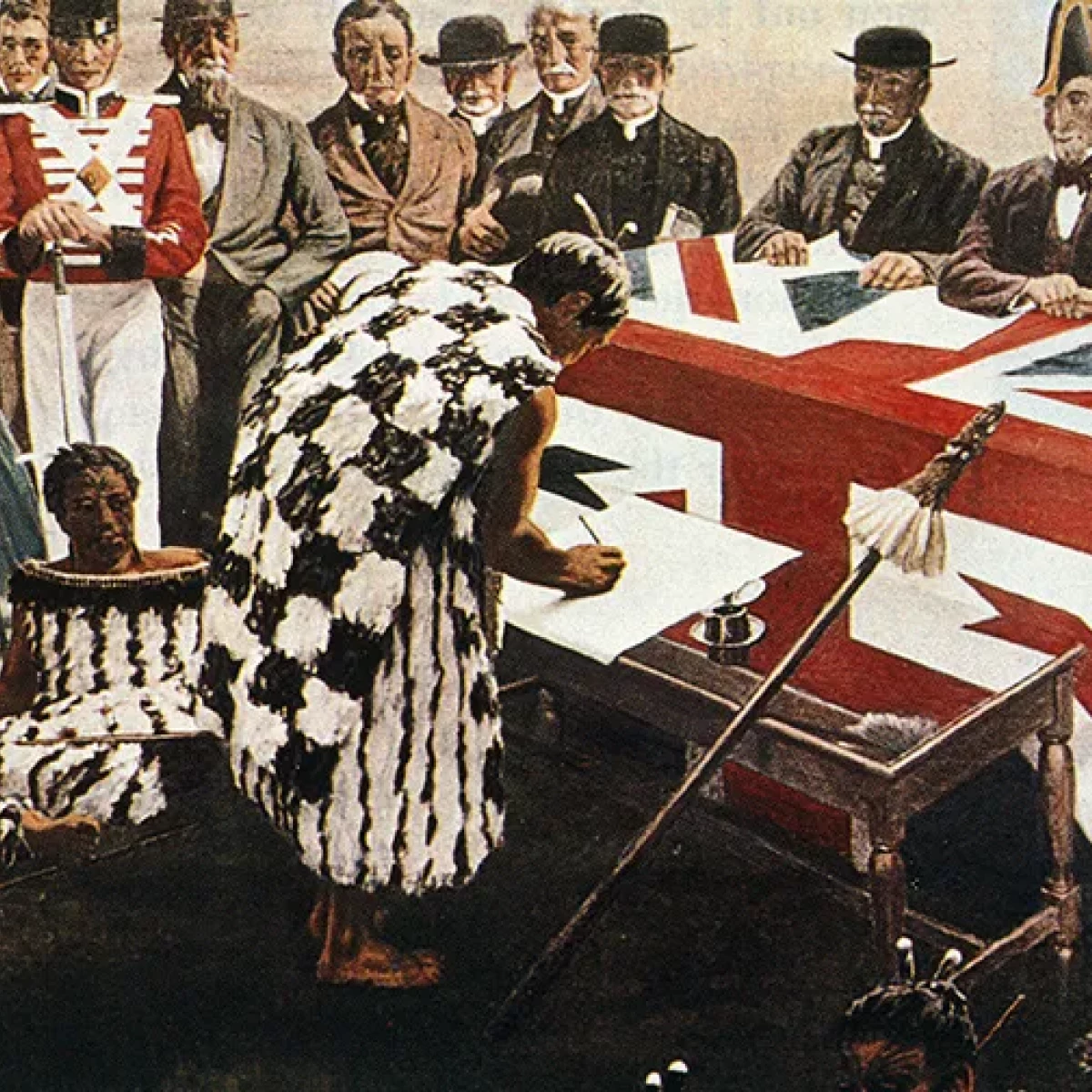
The Three Articles of the Treaty
{"left":"Article 1: Māori chiefs gave the Queen sovereignty over New Zealand\nArticle 2: Māori kept ownership of their lands, forests, and fisheries","right":"Article 3: Māori were given the same rights as British subjects"}

Discussion Question
Why do you think it was important for both Māori and British to have a written agreement? What might have happened without the Treaty?

Challenges with the Treaty
Translation differences between English and Māori versions Different understandings of key concepts like 'sovereignty' Land disputes and broken promises over time Led to the New Zealand Wars and ongoing grievances
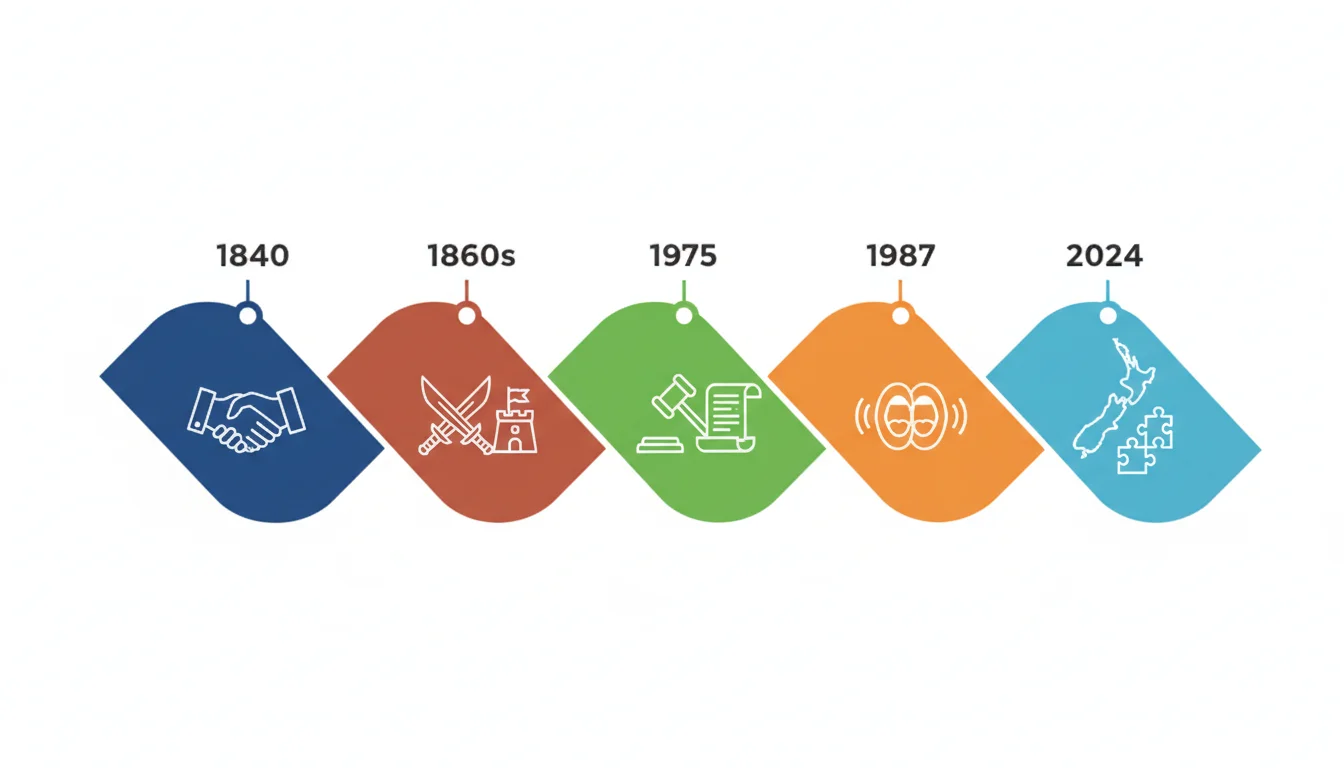
Timeline: Treaty of Waitangi to Today
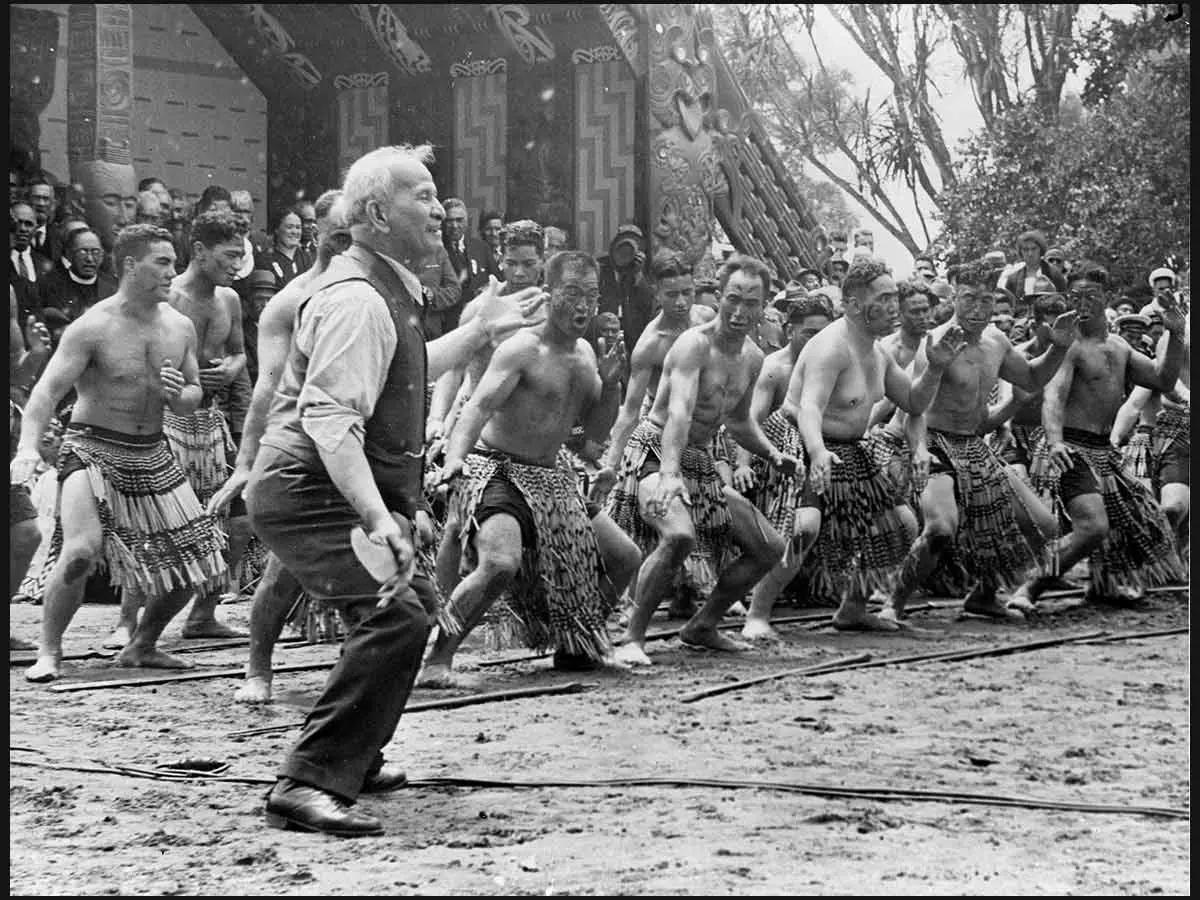
The Treaty Today
Waitangi Tribunal investigates Treaty breaches Government makes settlements for past wrongs Treaty principles guide New Zealand law and policy Celebrated every year on Waitangi Day (February 6th)

Creating Our Class Treaty
Work in groups to identify important classroom values Think about rights and responsibilities Consider how to resolve conflicts fairly What agreements do we need for a successful learning environment?

Our Class Treaty Articles
{"left":"Article 1: Respect - We will treat each other with kindness and listen to different viewpoints\nArticle 2: Learning - We commit to supporting each other's education and participating actively","right":"Article 3: Responsibility - We will take ownership of our actions and help maintain a positive classroom environment"}

Reflection
"A treaty is not just a piece of paper - it's a living agreement that guides how people work together."
More History/Social Studies slide decks
Other ready-to-teach history/social studies decks for New Zealand classrooms.

Evaluating Sources: Bias, Reliability, Perspective
Evaluating Sources: Bias, Reliability, Perspective
St Patrick's Day: History and Fun
St Patrick's Day: History and Fun

Te Tiriti: New Zealand's Founding Document