
Outdoor Safety and Risk Planning
Year 9 Health and Physical Education Learning to plan, prepare, and participate safely in outdoor contexts
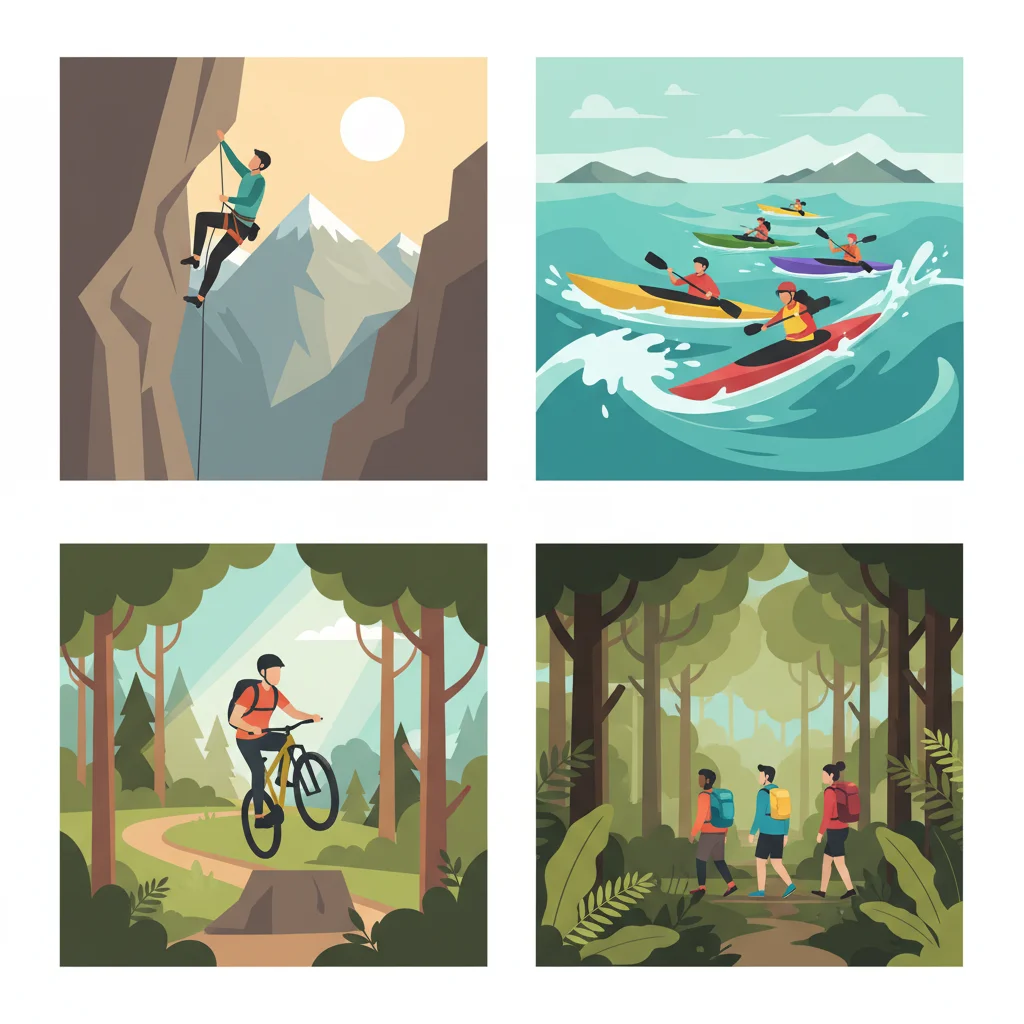
What Makes Outdoor Activities Exciting?
Think about your favorite outdoor experiences What draws you to outdoor adventures? Share your thoughts with a partner
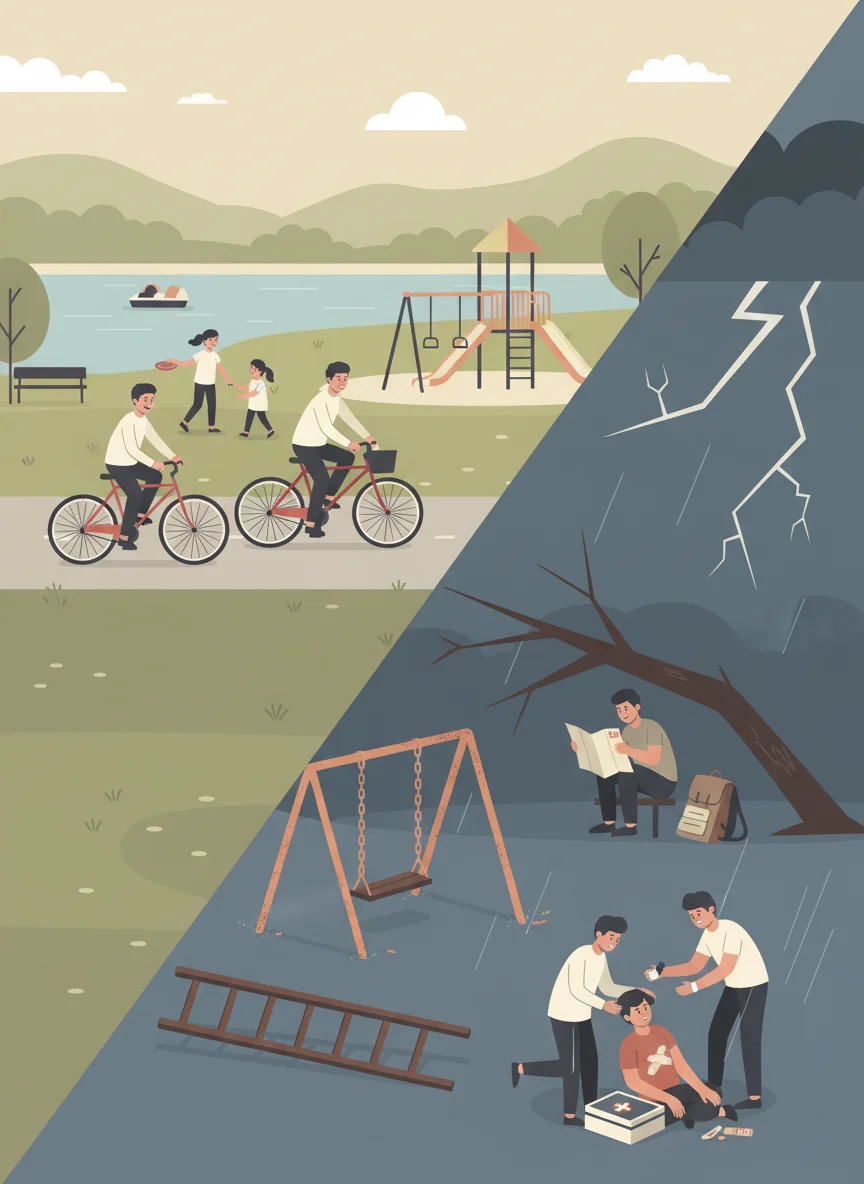
The Flip Side: What Could Go Wrong?
Weather changes suddenly Getting lost or separated Equipment failure Injuries from falls or accidents Dehydration or exhaustion Wildlife encounters
Risk Management Philosophy
"Adventure is worthwhile in itself, but only when we're prepared for it." - Preparation turns risk into manageable challenge
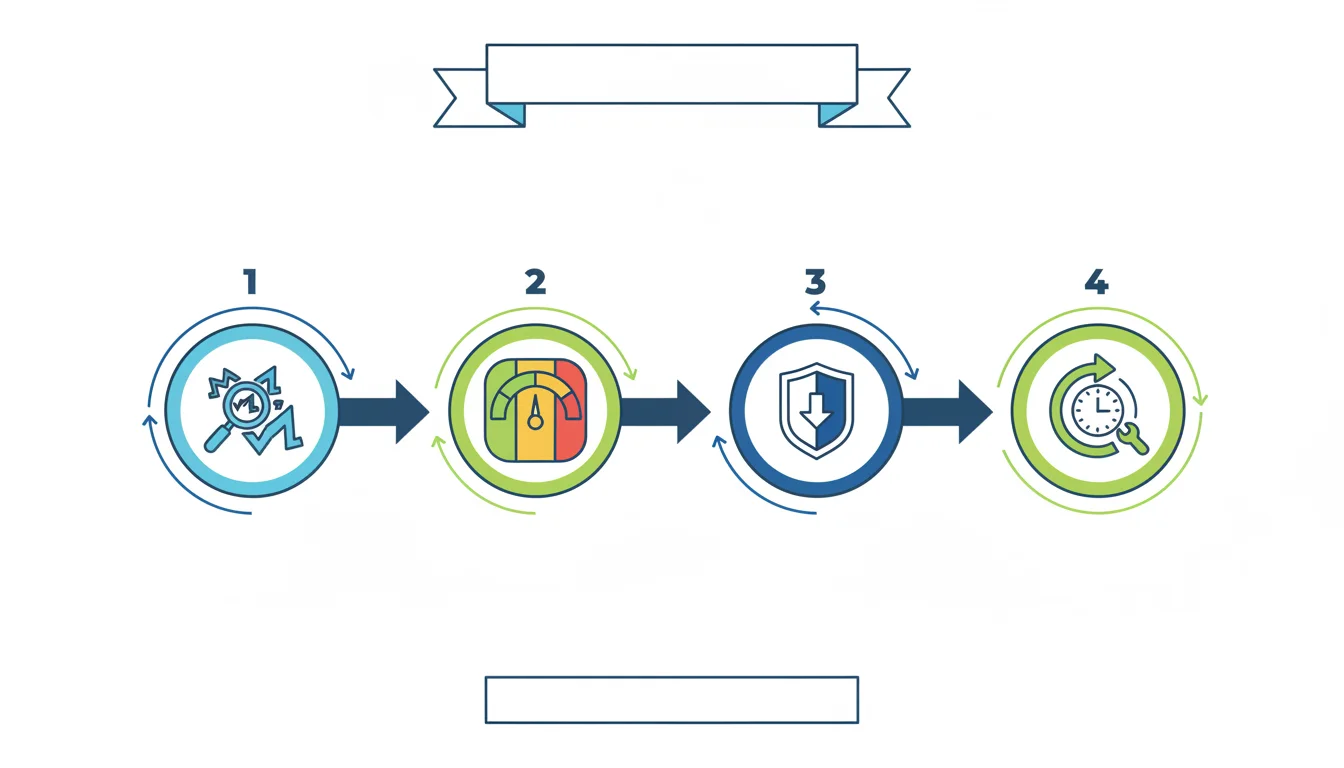
The Risk Management Process

Step 1: Identify Hazards
Environmental hazards (weather, terrain, water) Human factors (skill level, fitness, decision-making) Equipment issues (failure, inadequate gear) External factors (other people, wildlife, time constraints)

Hazard Spotting Challenge
Look at the outdoor scenario image Work in pairs to identify 5 potential hazards Write them down and rank from highest to lowest risk Be ready to share your findings
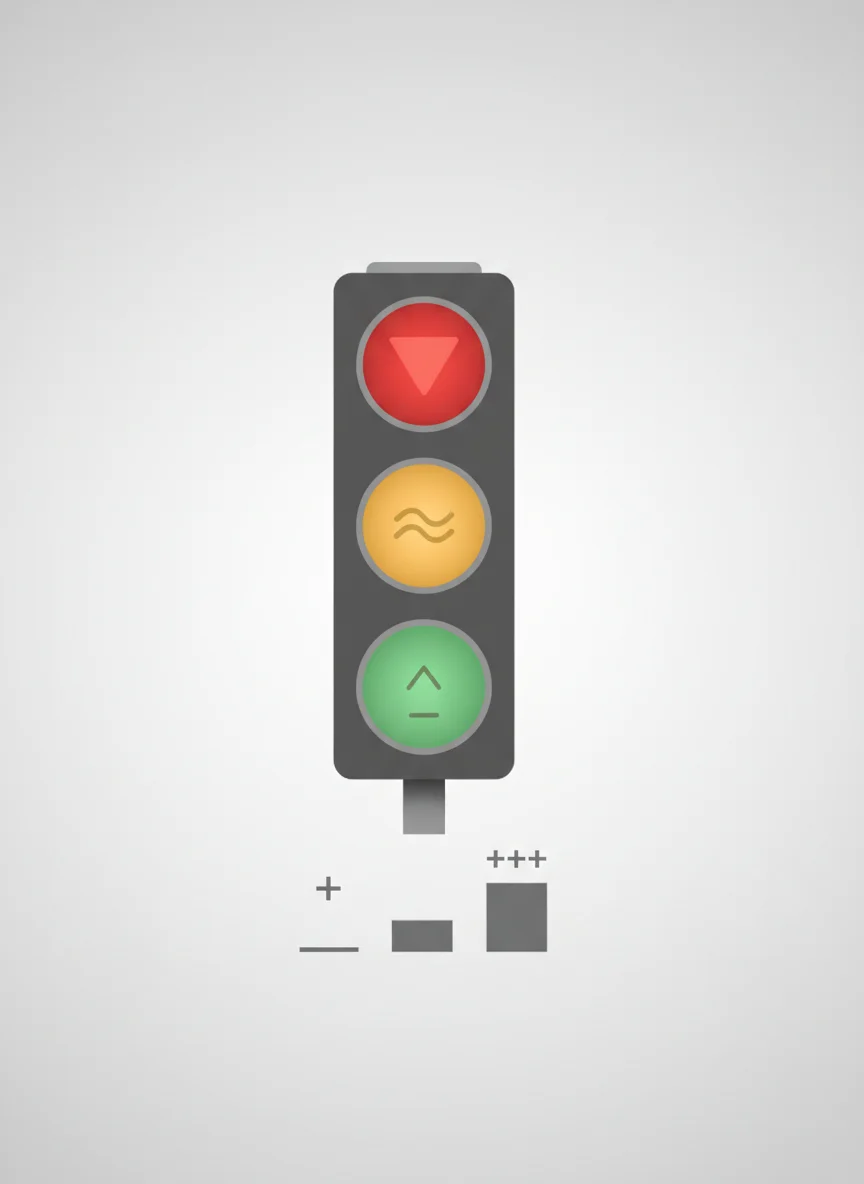
Step 2: Assess Risk Level
Low risk: Minor consequences, unlikely to occur Moderate risk: Some consequences, possible to occur High risk: Serious consequences, likely to occur Consider: Probability × Consequence = Risk Level
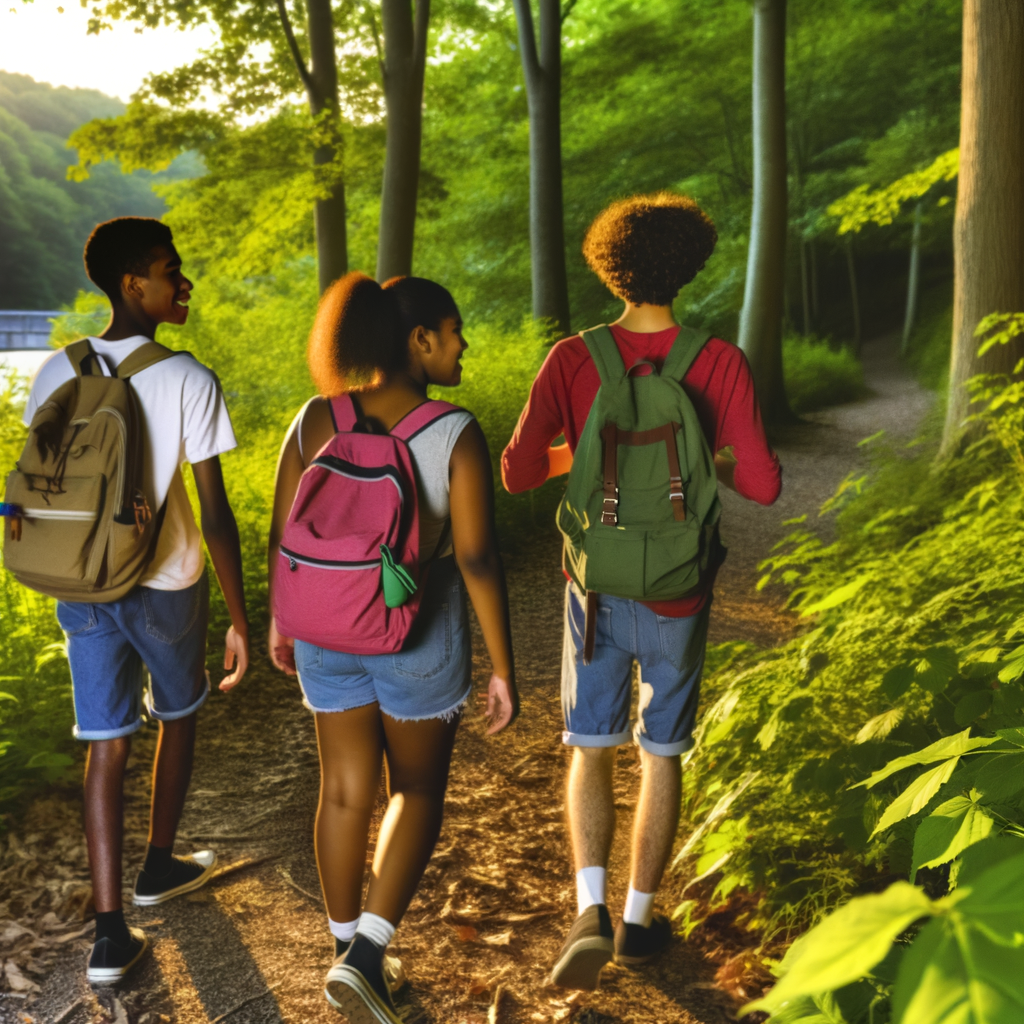
Risk Assessment Example: School Tramp
{"left":"Getting lost on unfamiliar trails\nWeather turning bad unexpectedly\nSomeone twisting ankle on rocky terrain\nRunning out of water on hot day","right":"Low risk - clear marked track with teacher guides\nModerate risk - weather forecast checked, backup plans ready\nModerate risk - first aid trained staff, appropriate footwear required\nHigh risk - each person carries water, regular drink breaks planned"}
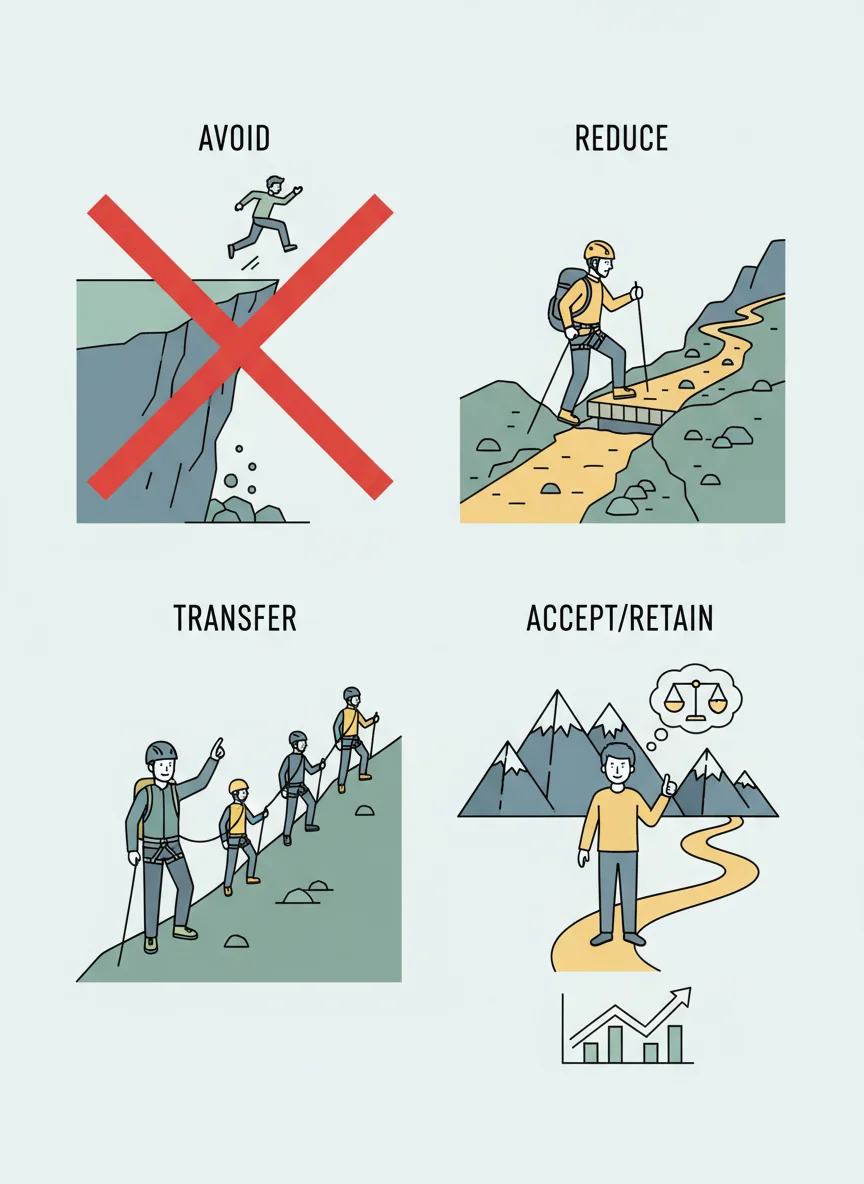
Step 3: Control and Minimize Risks
Avoid: Don't do the activity or choose safer alternative Reduce: Lower the probability or consequence Transfer: Insurance or professional guides Accept: Acknowledge remaining risk and proceed carefully
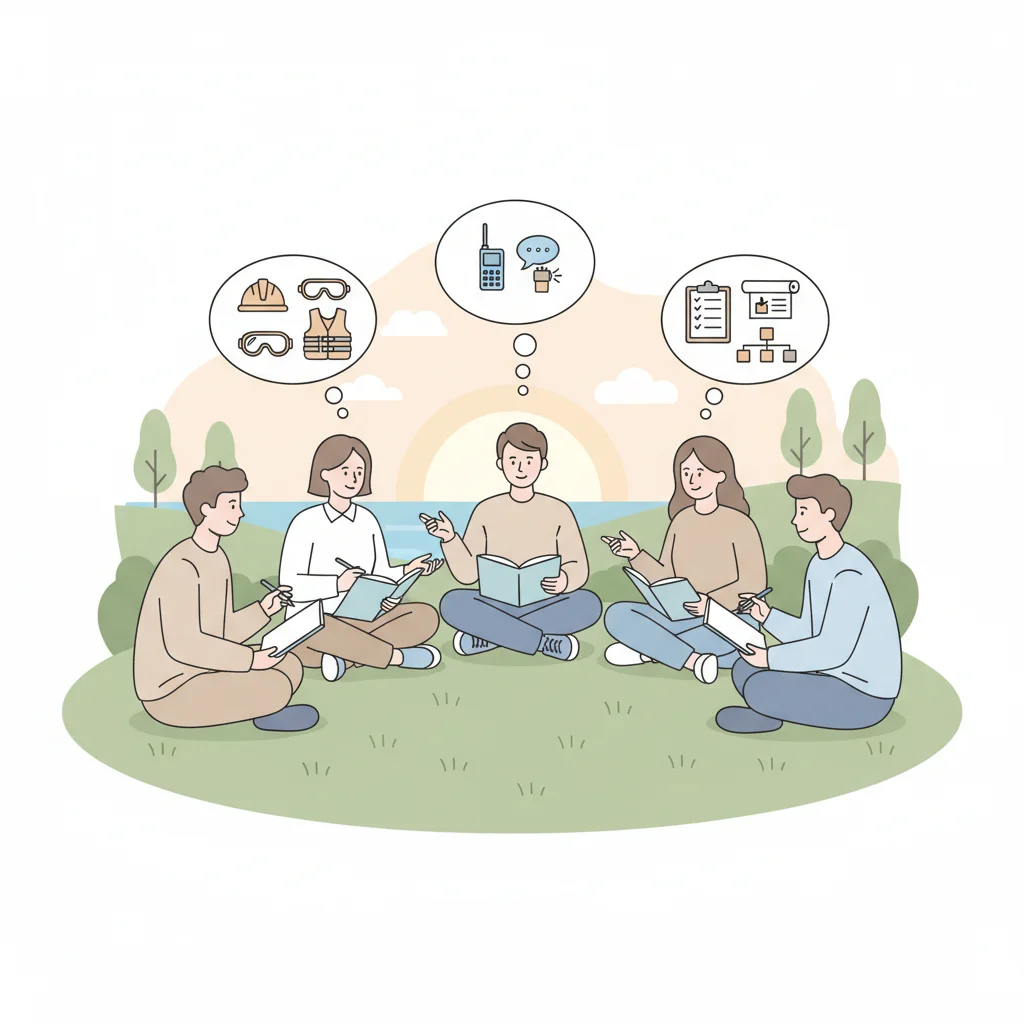
Control Strategy Brainstorm
Choose one hazard from your earlier list Brainstorm 3 different ways to control this risk Think about: gear, skills, planning, communication Share your best strategy with another pair
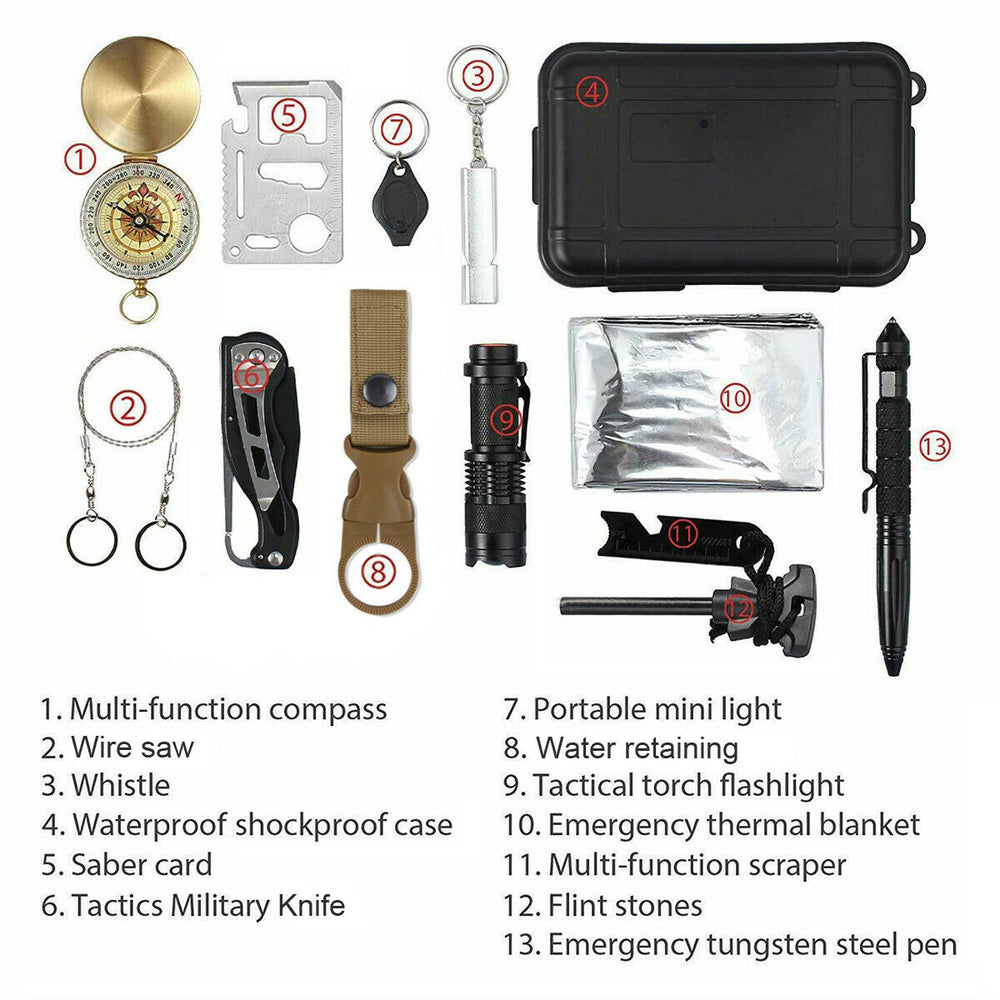
Essential Safety Gear
Navigation: Map, compass, GPS device Sun protection: Hat, sunscreen, sunglasses Insulation: Extra clothing layers Illumination: Headlamp or torch First aid supplies: Basic kit for group size Fire: Matches or lighter in waterproof container Repair kit: Duct tape, basic tools Nutrition and hydration: Extra food and water
9 more slides available after you open the deck.
Download all 21 slides