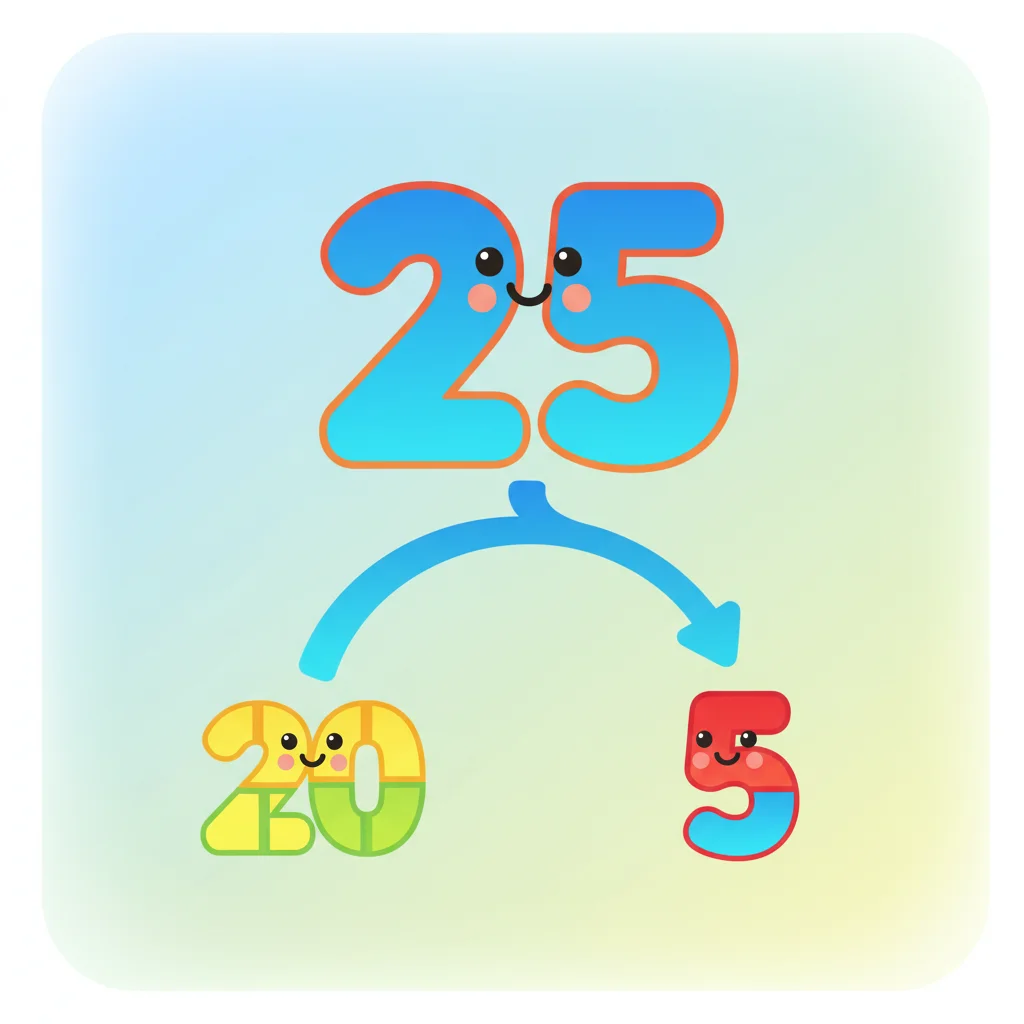
Partitioning Numbers: Breaking It Down!
Year 2 Mathematics Learning to split numbers into parts Building our place value understanding
What Do We Already Know?
What is place value? Can you tell me about tens and ones? How do we break apart the number 15?
What is Partitioning?
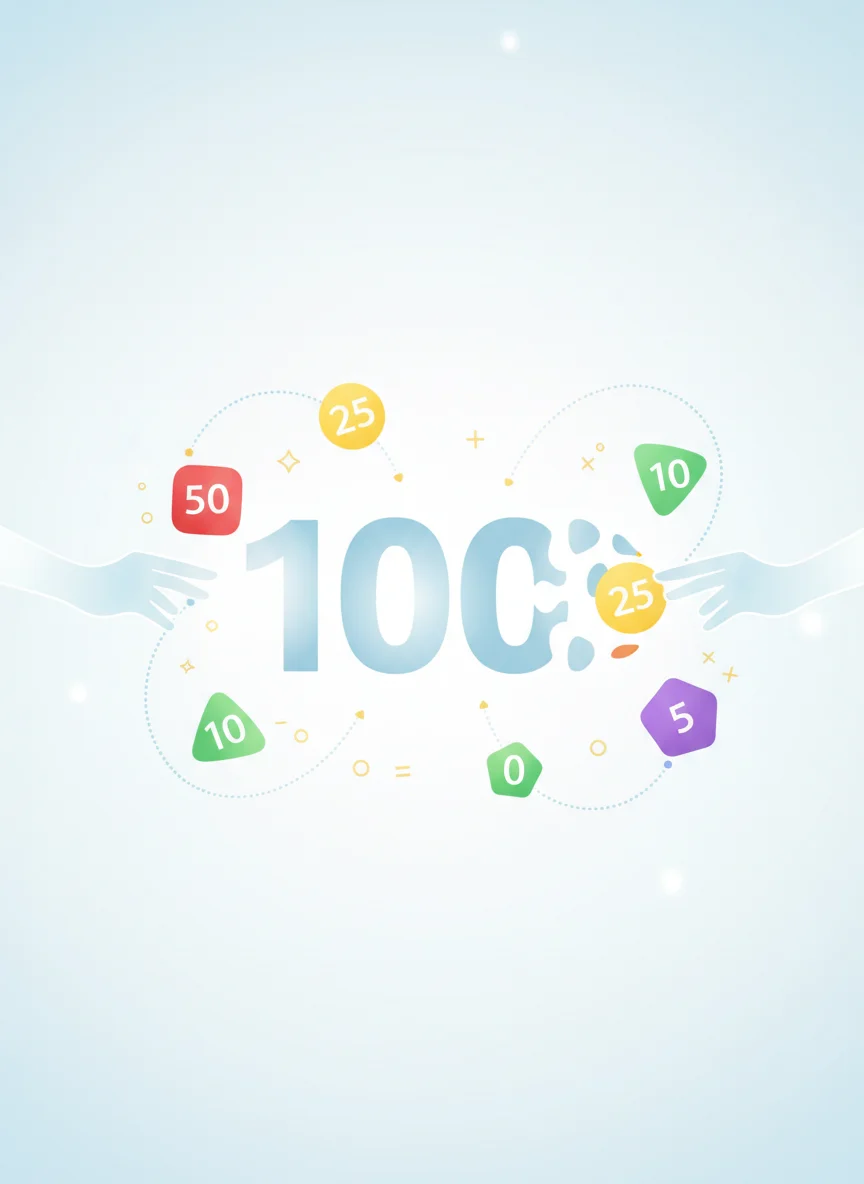
Partitioning means splitting numbers into parts We can break numbers into tens and ones Like breaking 23 into 20 and 3 It helps us understand numbers better!
Let's Start Small!
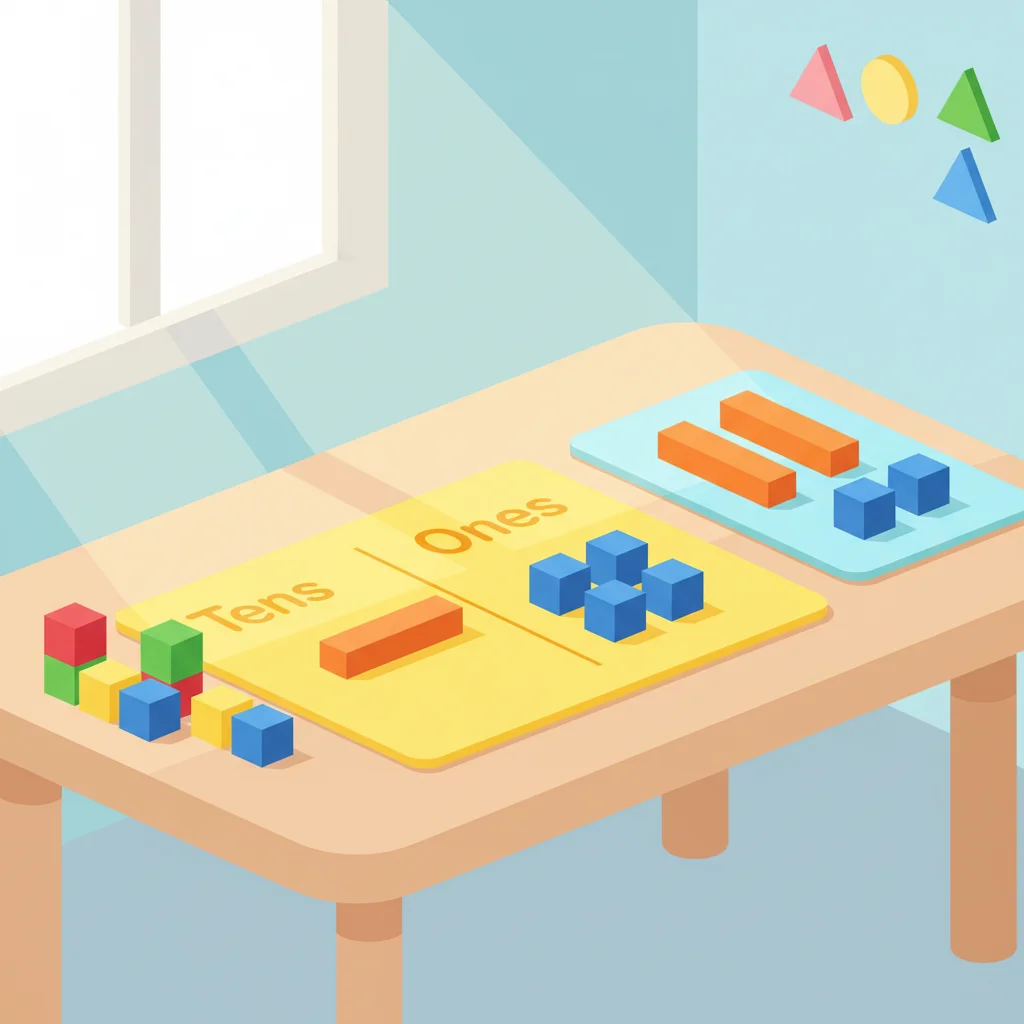
Try these together: Partition 14 Partition 27 Partition 35 Show your thinking with drawings or blocks
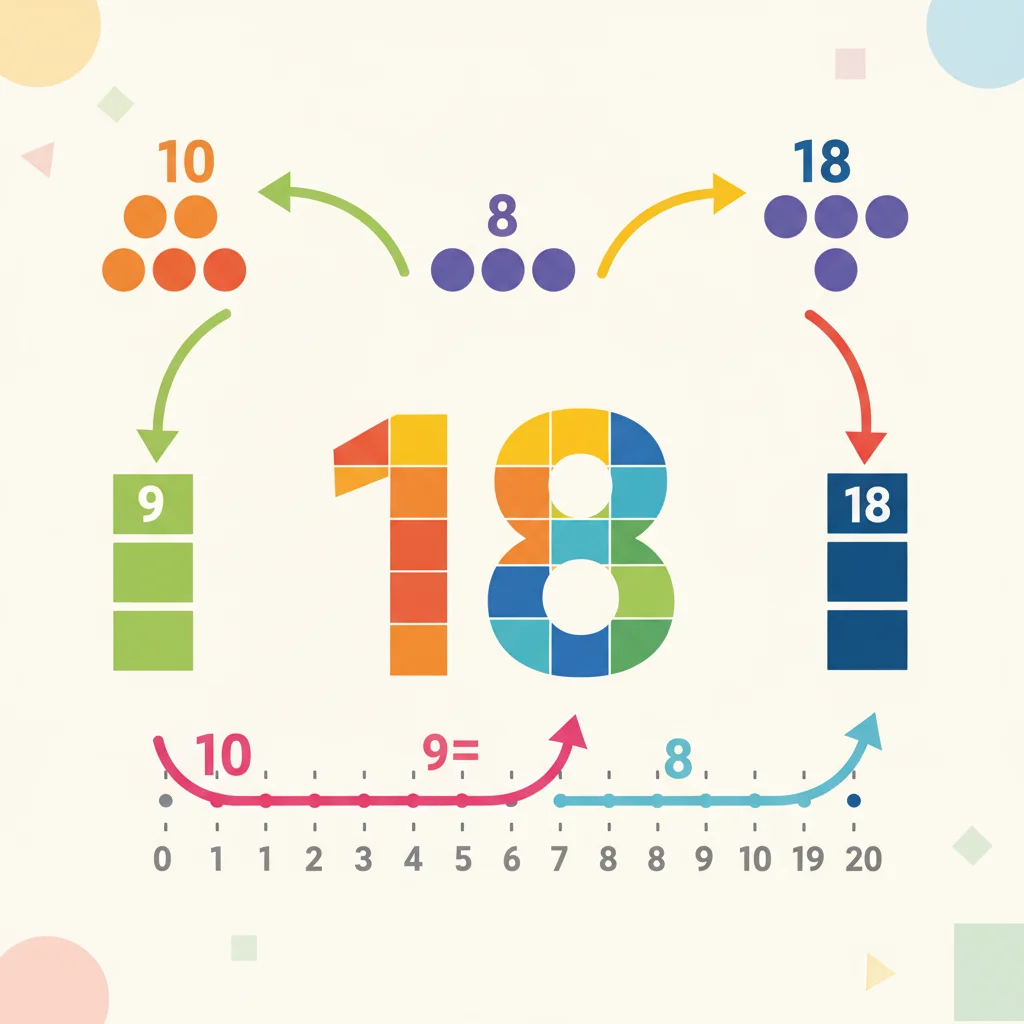
Different Ways to Partition
{"left":"The number 18 can be:\n10 + 8\n9 + 9","right":"15 + 3\n20 - 2"}
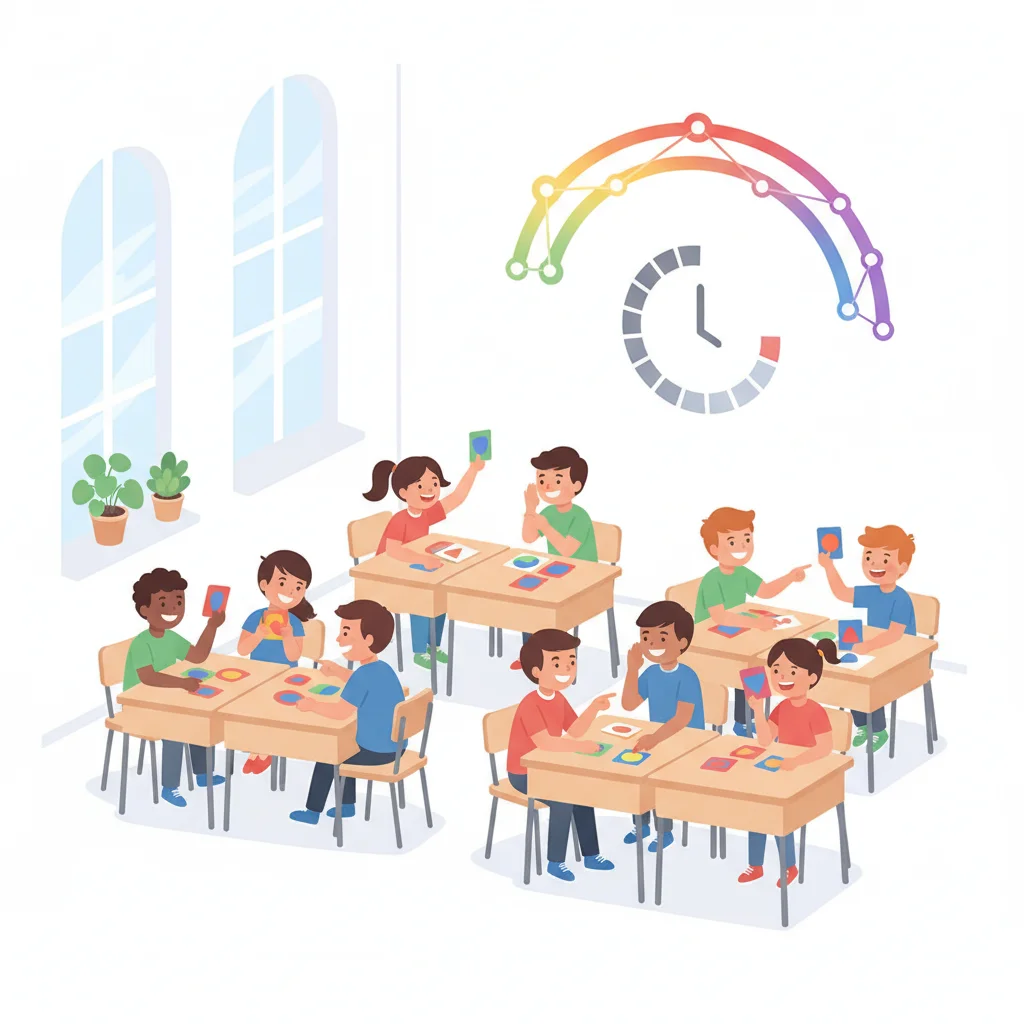
Whole Class Game: Partition Race!
I'll show you a number Race to find as many ways to partition it as you can Share your answers with a partner Let's see who found the most ways! Remember: tens and ones, or other combinations
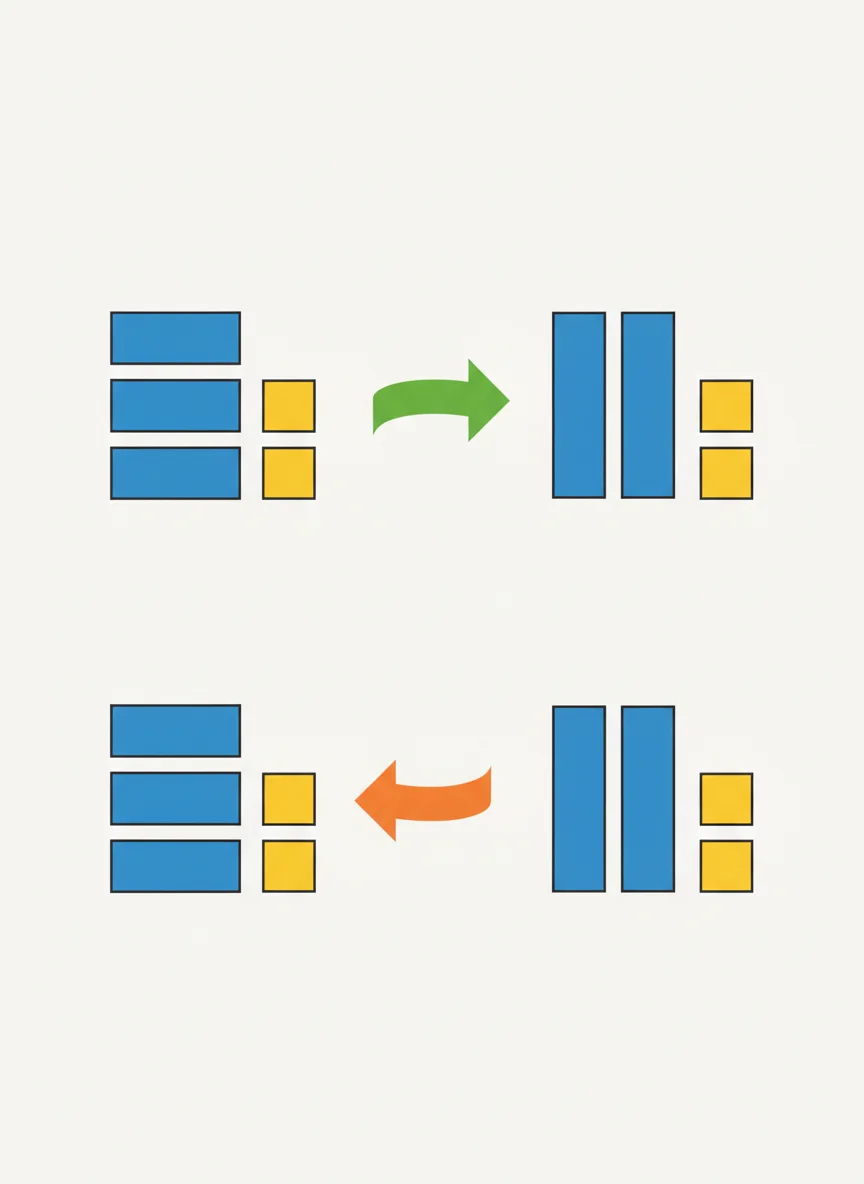
Moving to Bigger Challenges
Now let's try: 63 + 24 First, let's partition each number 63 = 60 + 3 24 = 20 + 4 Now we can add the parts!
Let's Think Together
How does partitioning help us with addition? Which way seems easier to you? Can you think of other numbers we could try?
Independent Practice Time
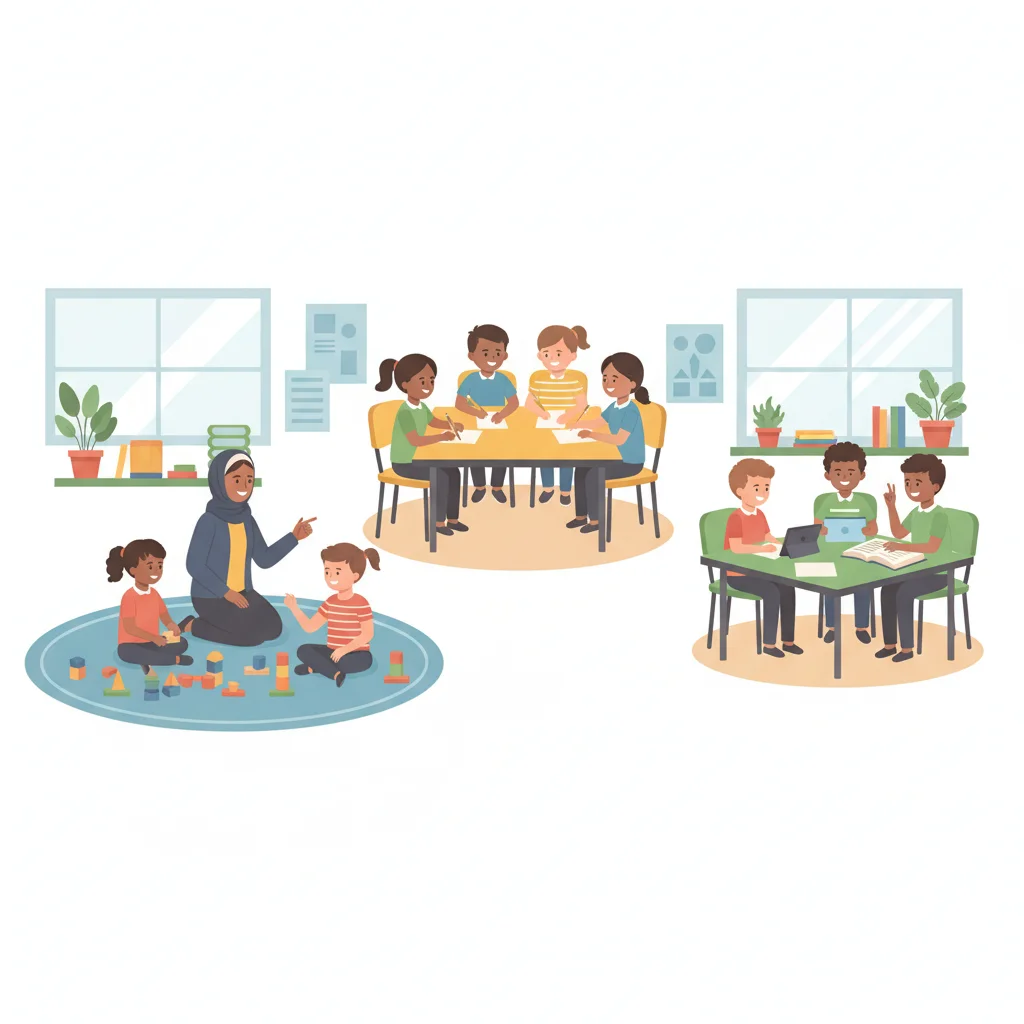
Choose your challenge level: Green: Partition numbers under 30 Yellow: Partition numbers 30-50 Red: Use partitioning to solve 45 + 32 Work with a partner or ask for help
Remember
Partitioning helps us understand numbers better and makes calculations easier!