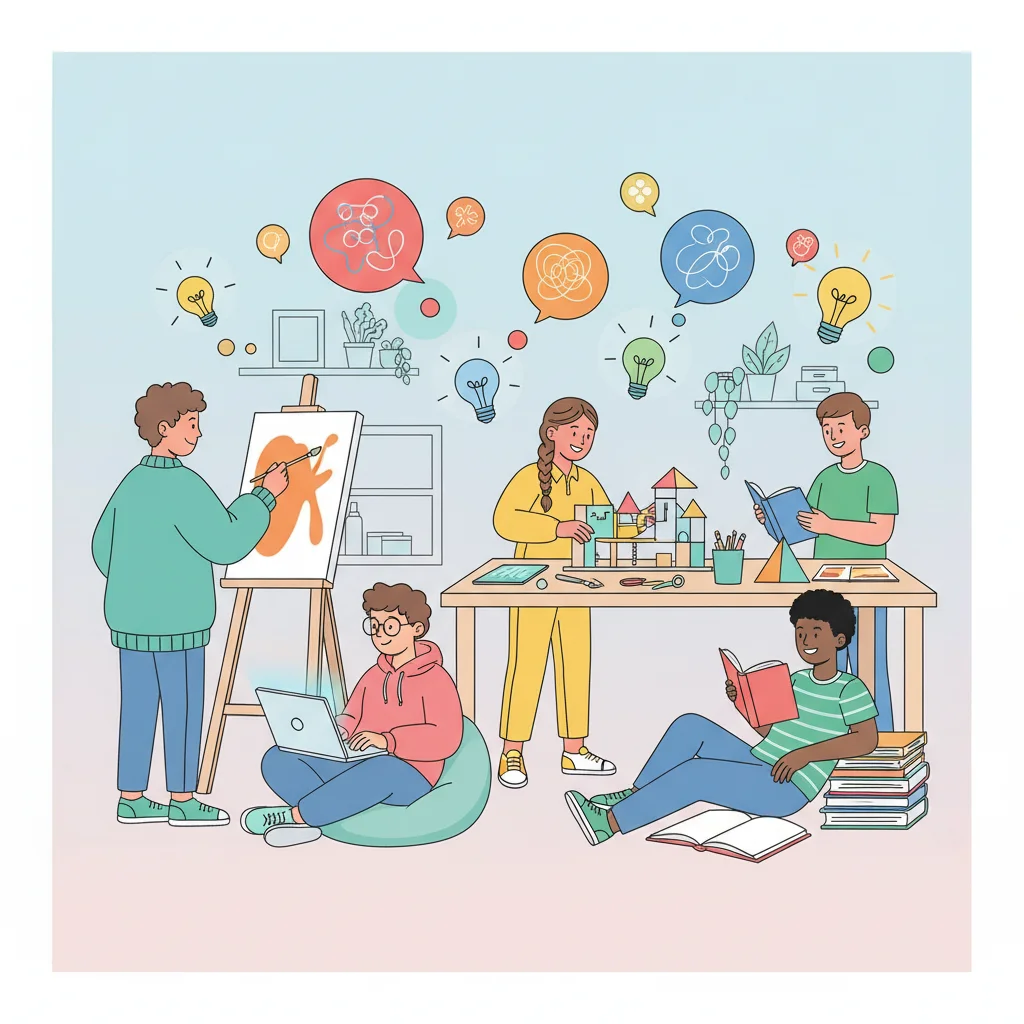
Passion Project Inquiry Process Guide
A journey of discovery through structured inquiry Year 9 General Education 45 minutes
WALT: We Are Learning To
Understand the inquiry process framework Identify our own passions and interests Develop research and critical thinking skills Create and present meaningful projects

Success Criteria
I can select a meaningful topic and write rich questions I can research using multiple appropriate sources I can analyze and apply information effectively I can create and present my understanding creatively I can reflect on and evaluate my learning journey
What Makes You Curious?
Think about topics that genuinely interest you What questions keep you wondering? What would you love to learn more about?
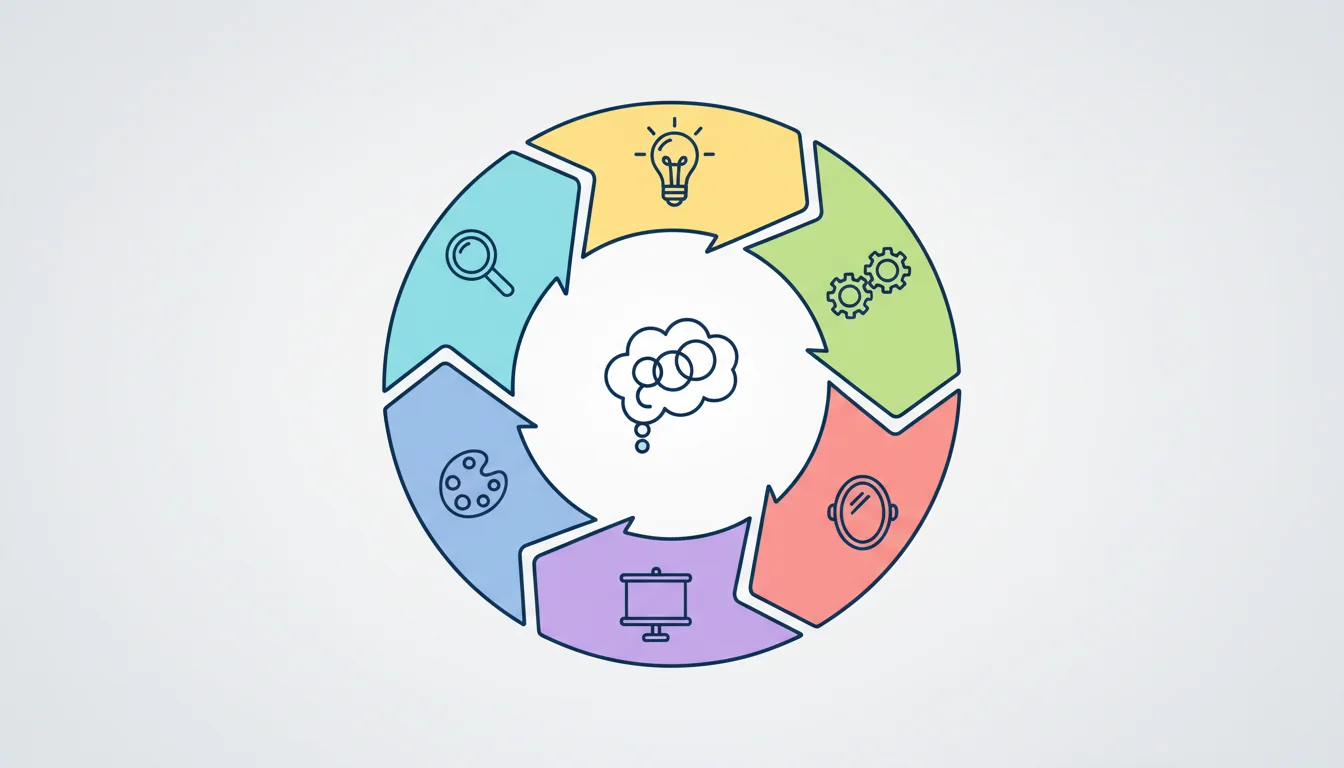
The Inquiry Process Framework
Stage 1: DECIDE - Choosing Your Focus
Select a big idea or problem that interests you Narrow your focus to something manageable Write supporting questions to guide your research Make sure your topic has depth for investigation

Topic Brainstorming Activity
Create a mind map of your interests Circle 3 topics that excite you most For each topic, write 2-3 questions you'd like to explore Share with a partner and get feedback
Good vs. Challenging Topics
{"left":"Climate change effects on coral reefs\nHow music therapy helps mental health\nThe impact of social media on teenagers\nRenewable energy solutions in New Zealand","right":"Too broad: 'Animals'\nToo narrow: 'My pet cat'\nLacks depth: 'Favorite movies'\nToo complex: 'Quantum physics theories'"}
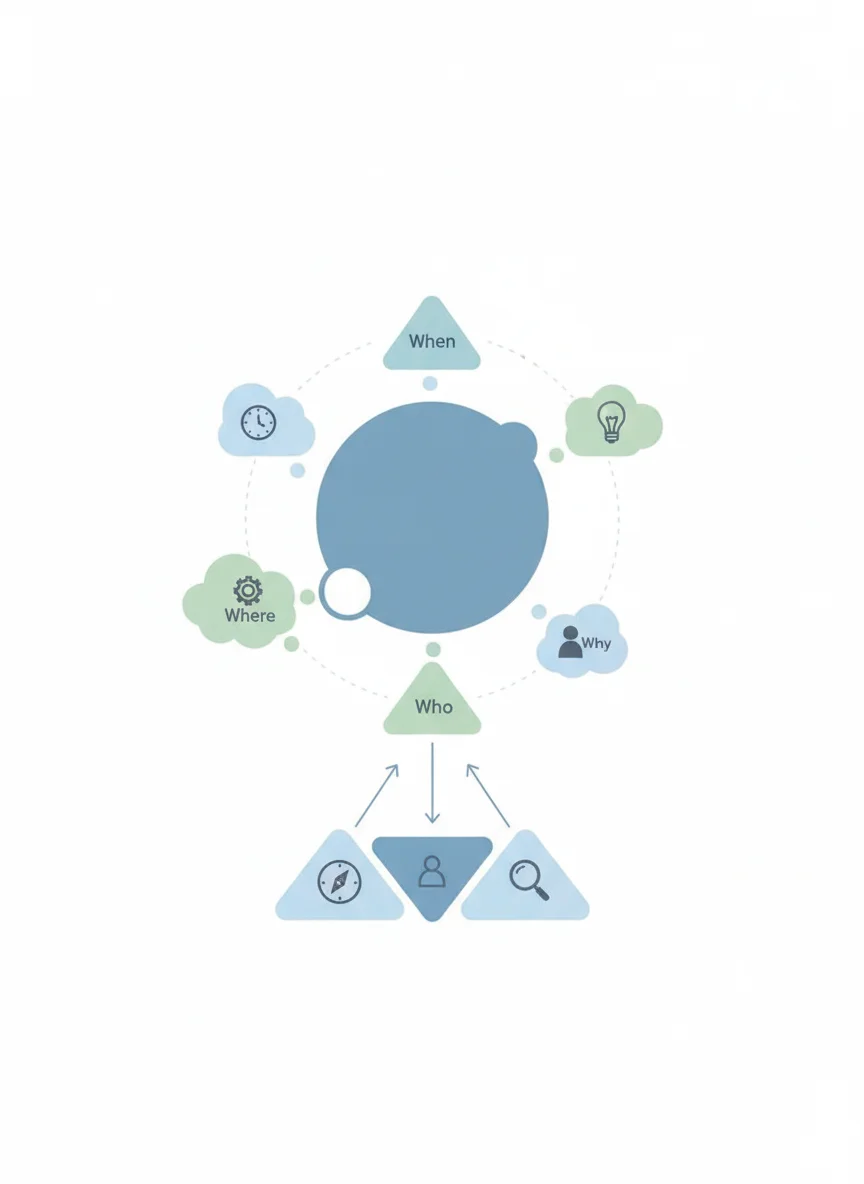
Writing Rich Supporting Questions
Start with 'How', 'Why', 'What if' rather than 'What' Questions should require analysis, not just facts Build from simple to complex understanding Aim for 4-6 supporting questions per topic

Question Development Workshop
Take your chosen topic Write 1 simple factual question Write 3 analytical questions using 'How' or 'Why' Write 1 'What if' question exploring solutions or implications Peer review: Do these questions require research and analysis?

Differentiation Support for Topic Selection
Visual learners: Use mind maps and concept webs Support needed: Provide topic suggestion lists Advanced learners: Encourage interdisciplinary connections Dyslexia-friendly: Audio brainstorming options available

Stage 2: RESEARCH - Gathering Information
Use a variety of reliable sources Look for multiple perspectives on your topic Take organized notes with source citations Evaluate the credibility of your sources
20 more slides available after you open the deck.
Download all 32 slides