
Pepeha: Identity, Place and Power
Understanding our connections to place and people Exploring Māori concepts of identity and belonging Professional development for Ellesmere College staff
What shapes who you are?
Think about the places that have formed you Consider the people who have influenced your identity Reflect on your connections to land and community
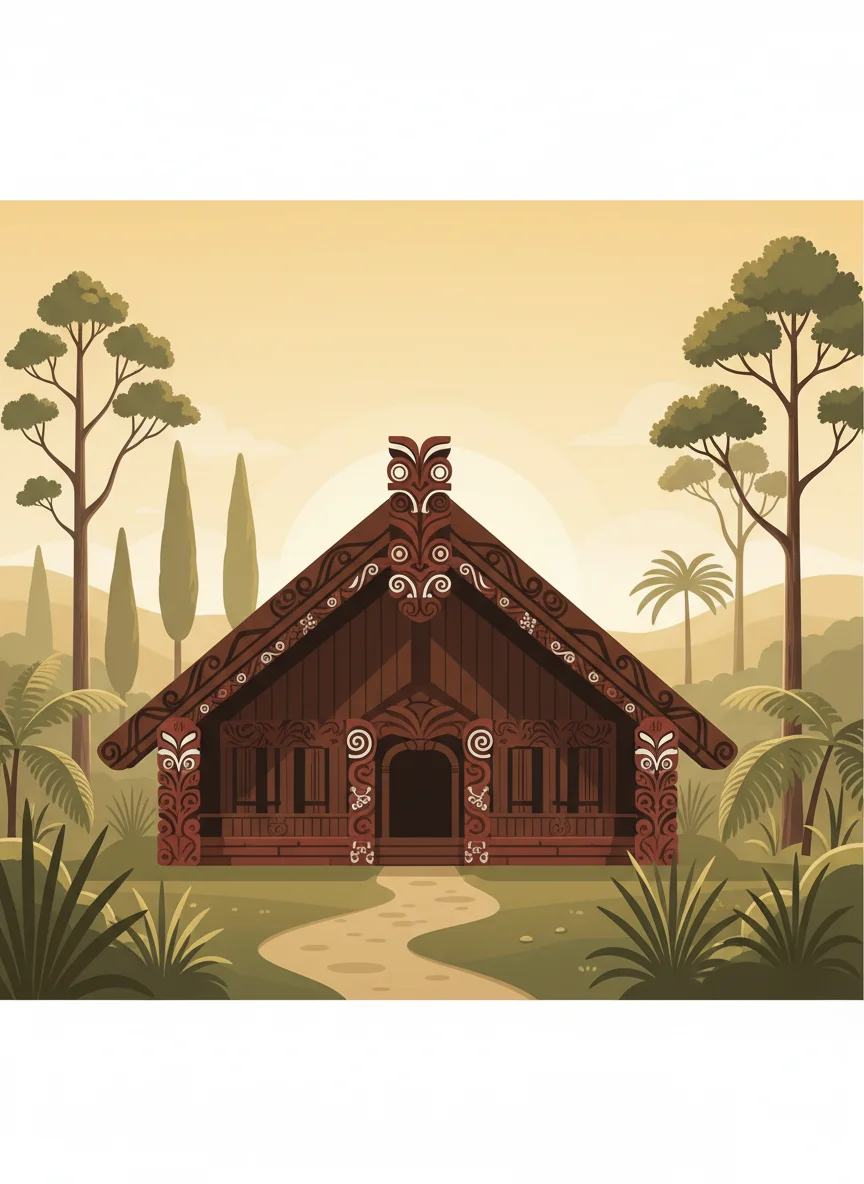
What is Pepeha?
A way of introducing yourself in te reo Māori Connects you to your tīpuna (ancestors), whenua (land), and whakapapa (genealogy) More than just an introduction - it's about belonging and identity Establishes your place in the world and your relationships
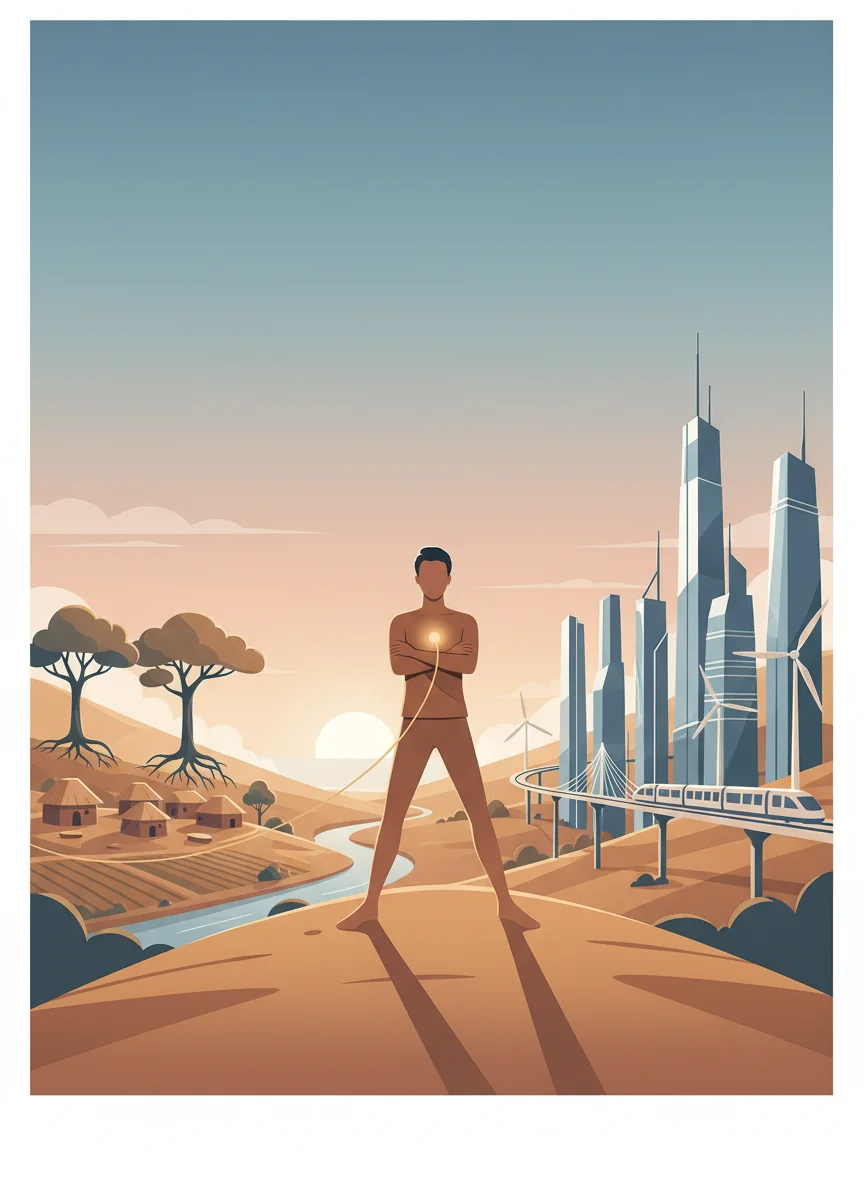
Understanding Tūrangawaewae
Literally means 'a place to stand' Your place of belonging and connection Where you have the right to speak and be heard Can be physical, spiritual, or cultural
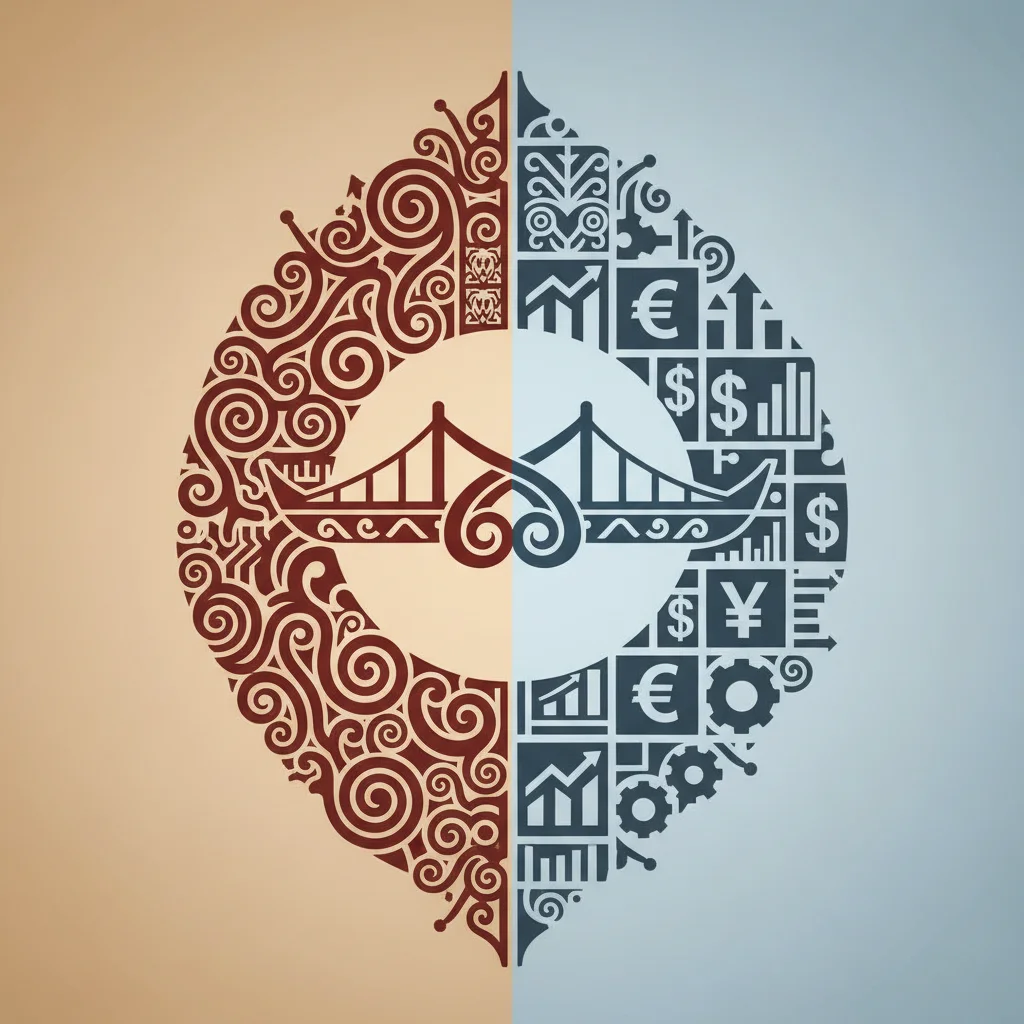
Pepeha vs Western Introductions
{"left":"Connects to land and ancestors\nEmphasizes relationships and whakapapa\nEstablishes cultural identity\nFocuses on belonging and place","right":"Names profession or job title\nHighlights individual achievements\nEmphasizes personal accomplishments\nFocuses on current status"}
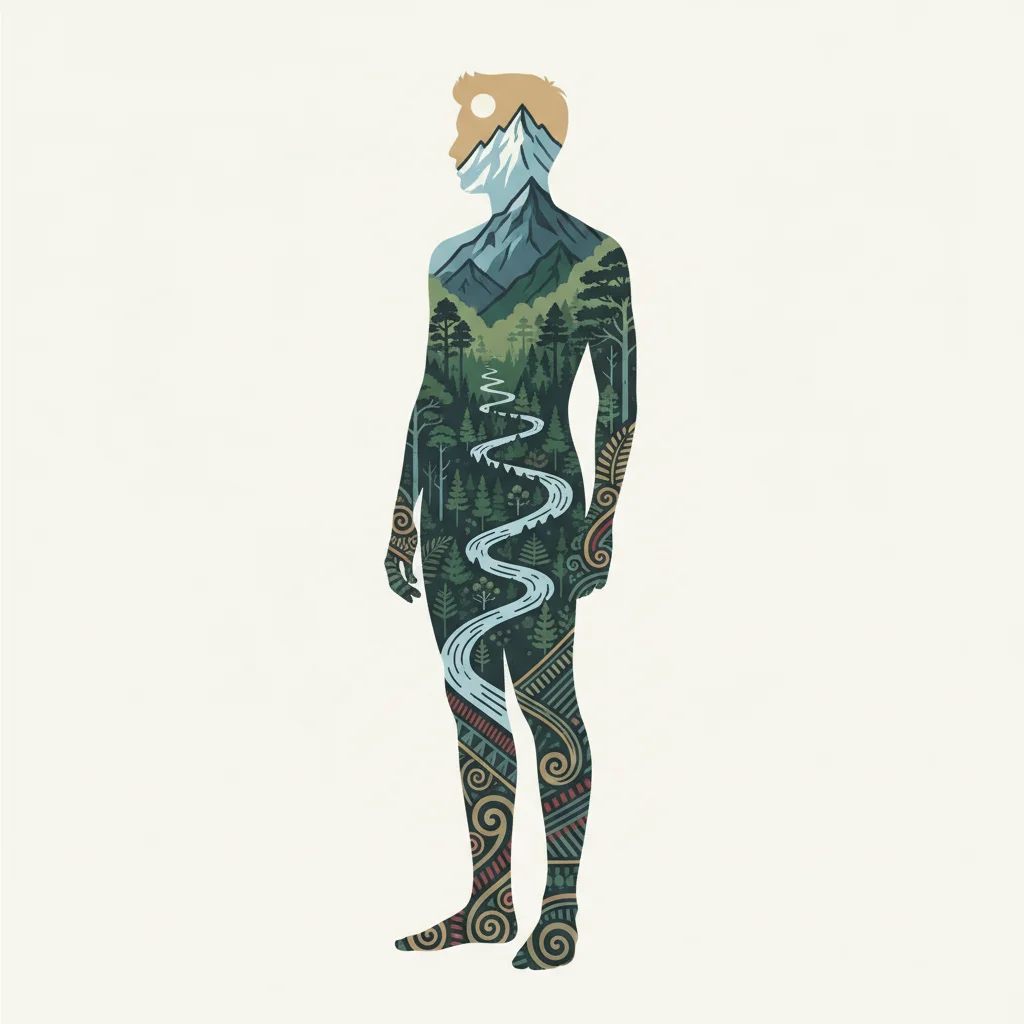
The Power of Place
"Ko au ko te whenua, ko te whenua ko au" - I am the land, the land is me
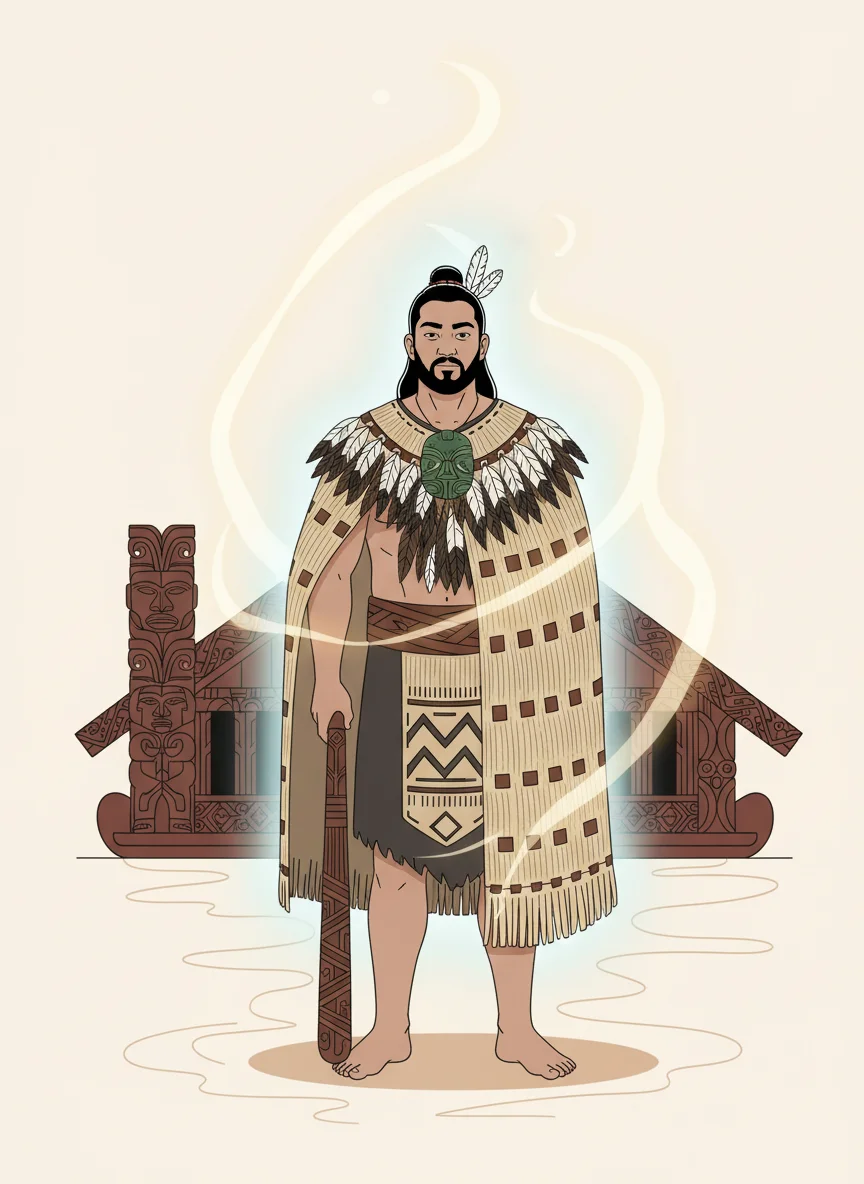
Mana: Understanding Power and Authority
Spiritual power and authority Inherited from ancestors and earned through actions Connected to your ability to act and influence Strengthened by fulfilling responsibilities to whānau and community
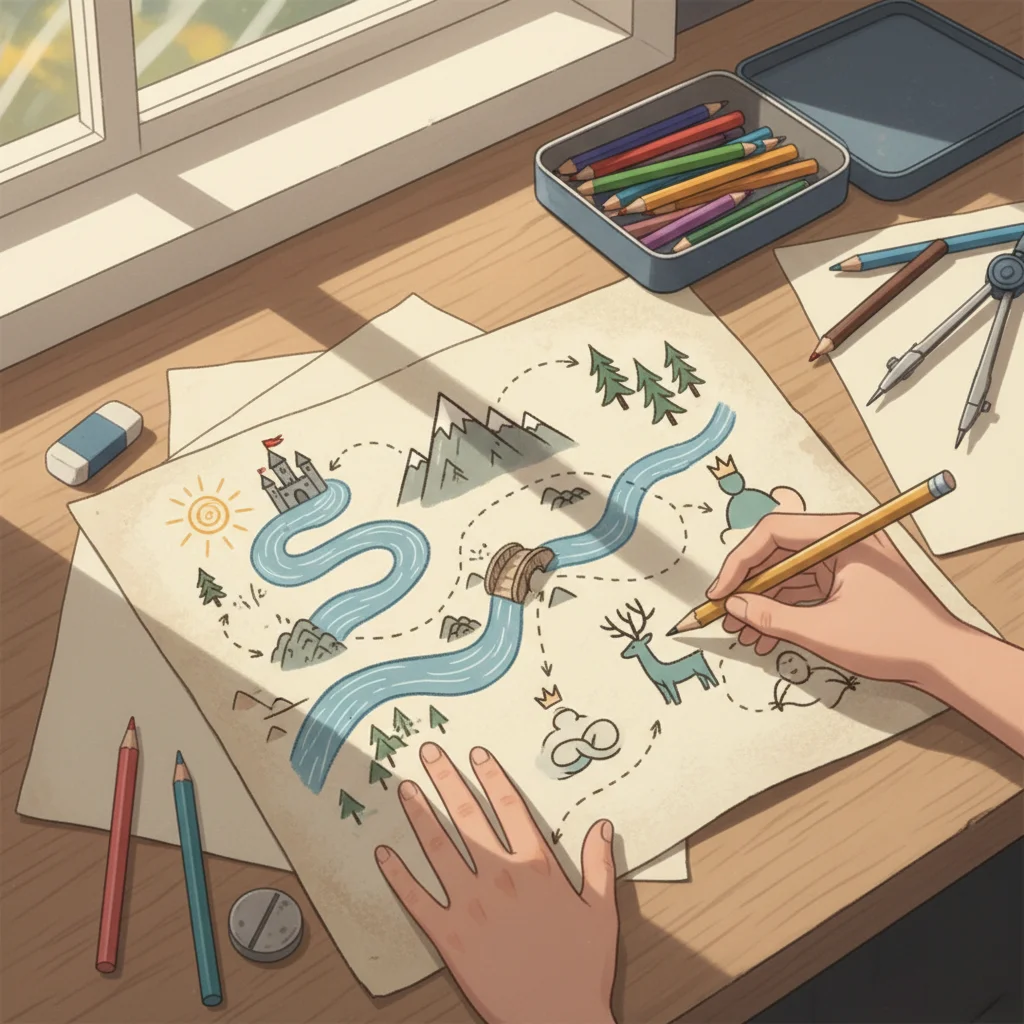
Mapping Your Own Connections
Draw or write about places that are significant to you Identify people who have shaped your identity Consider what gives you the right to speak in different contexts Think about your own 'tūrangawaewae'
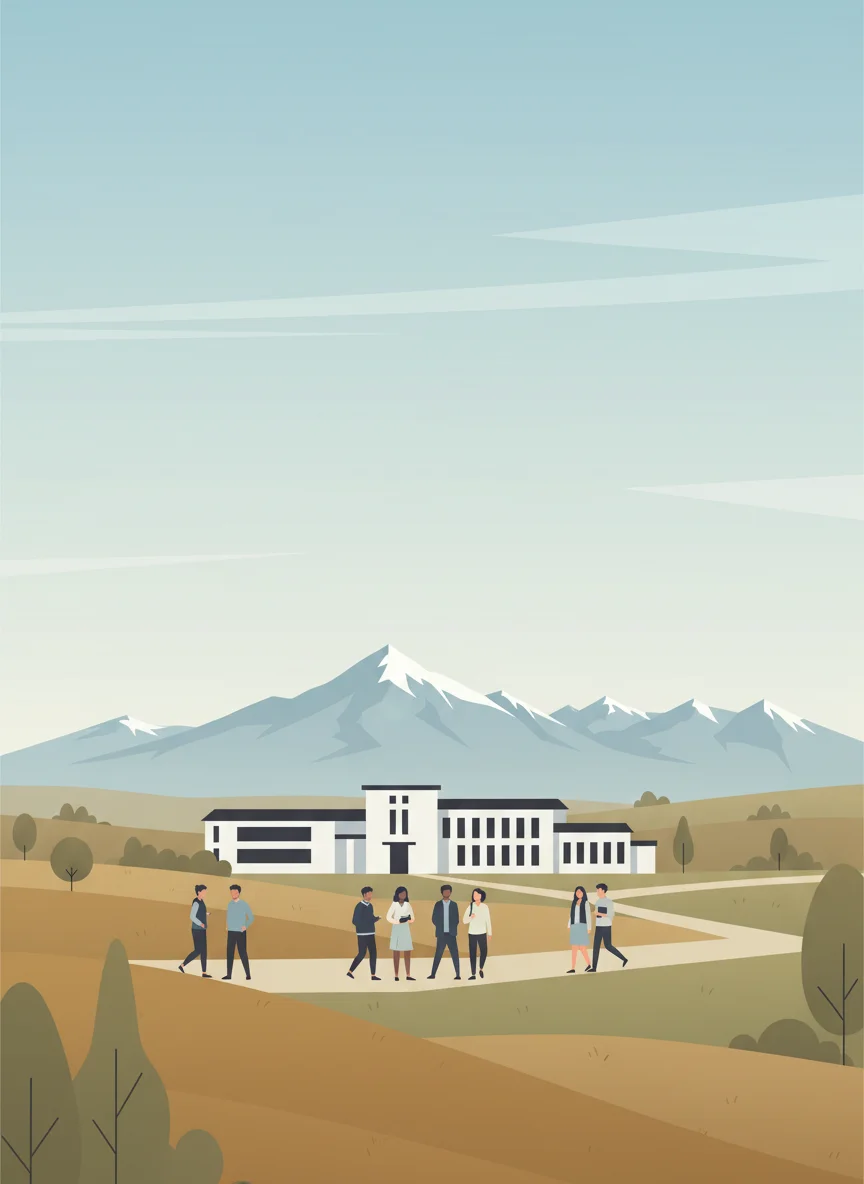
Pepeha in Our School Context
Ellesmere College sits on Canterbury Plains Our students come from diverse backgrounds Many have connections to rural farming communities Some may have Māori whakapapa and pepeha Others may create their own place-based identity statements
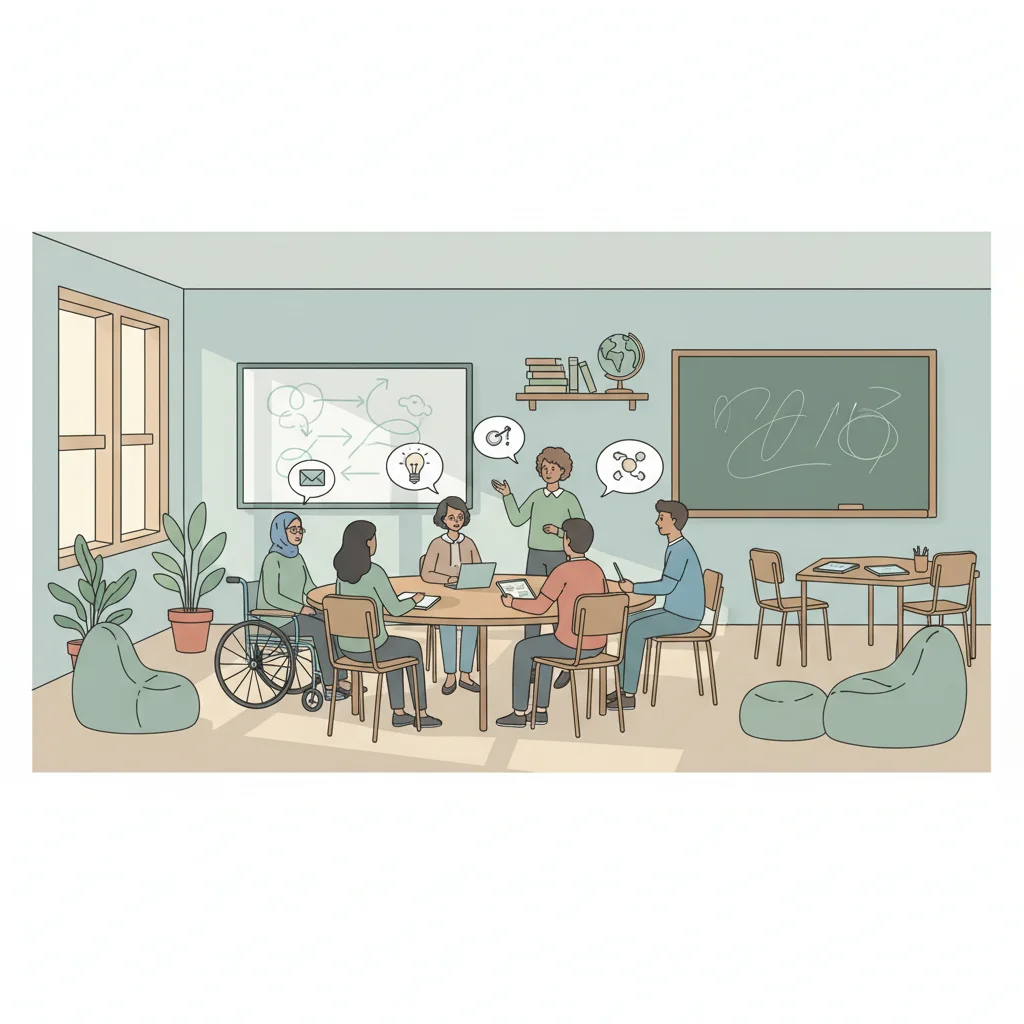
How might understanding pepeha change our teaching?
How do we acknowledge student connections to place? What does 'tūrangawaewae' mean in our classroom? How can we honor different forms of mana?
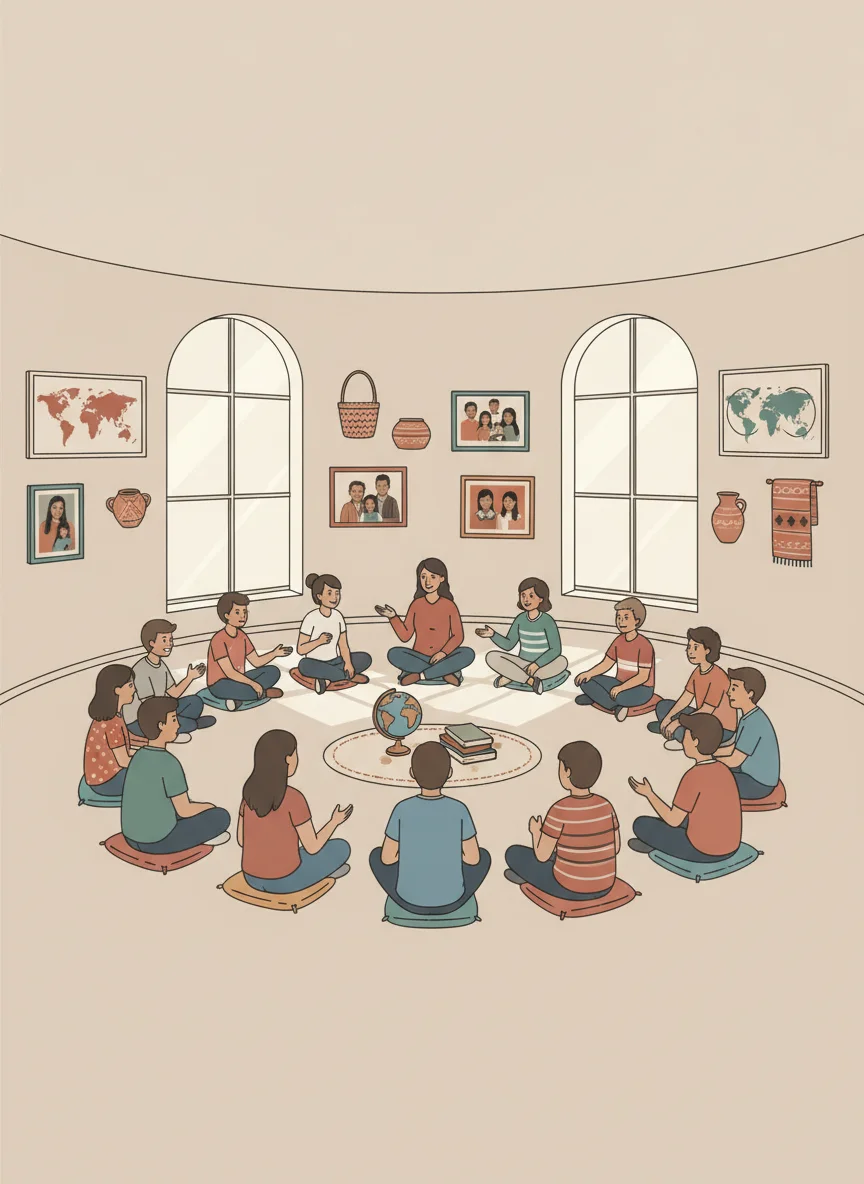
Creating Inclusive Spaces
Recognize that all students have connections to place Value different forms of knowledge and experience Understand that authority and voice come from various sources Create opportunities for students to share their own 'pepeha'
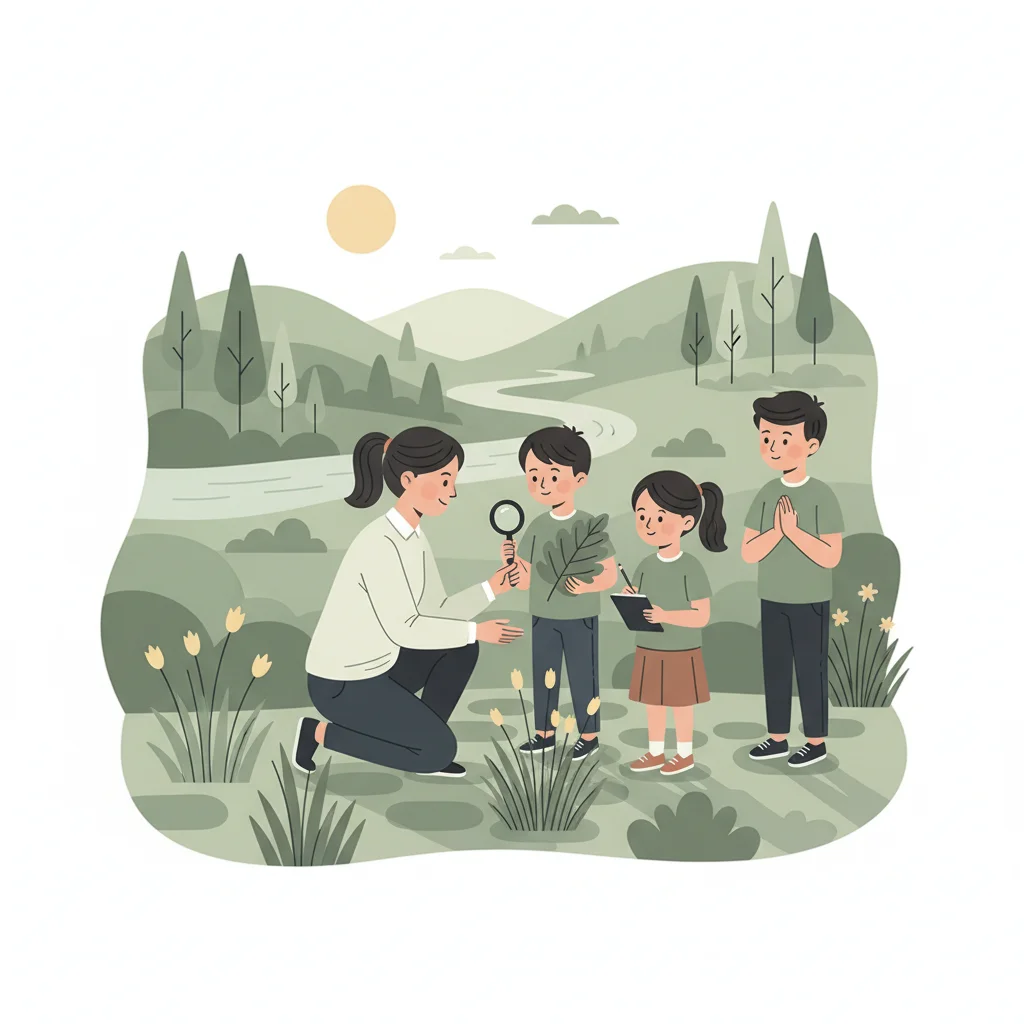
Practical Applications
{"left":"Start lessons by acknowledging place\nInclude local history and geography\nInvite students to share their connections\nValue different types of knowledge","right":"Use inclusive introduction activities\nConnect learning to student experiences\nRecognize diverse forms of expertise\nCreate space for all voices"}
4 more slides available after you open the deck.
Download all 16 slidesMore Social Studies/Cultural Studies slide decks
Other ready-to-teach social studies/cultural studies decks for New Zealand classrooms.

Puanga me Matariki: Ngā Whetū
Karakia: Sacred Words and Cultural Respect
Karakia: Sacred Words and Cultural Respect

Water: Sacred to Māori People
Water: Sacred to Māori People
