Powhiri: Atua Governing Sacred Domains
Understanding the spiritual guardianship of Māori welcome ceremonies Year 7 Social Studies Te Marautanga o Aotearoa

What is Powhiri?
Traditional Māori welcome ceremony Performed when visitors arrive at a marae Involves formal protocols and spiritual elements Connects visitors with tangata whenua (local people) Ensures safe passage into sacred space
Think About It
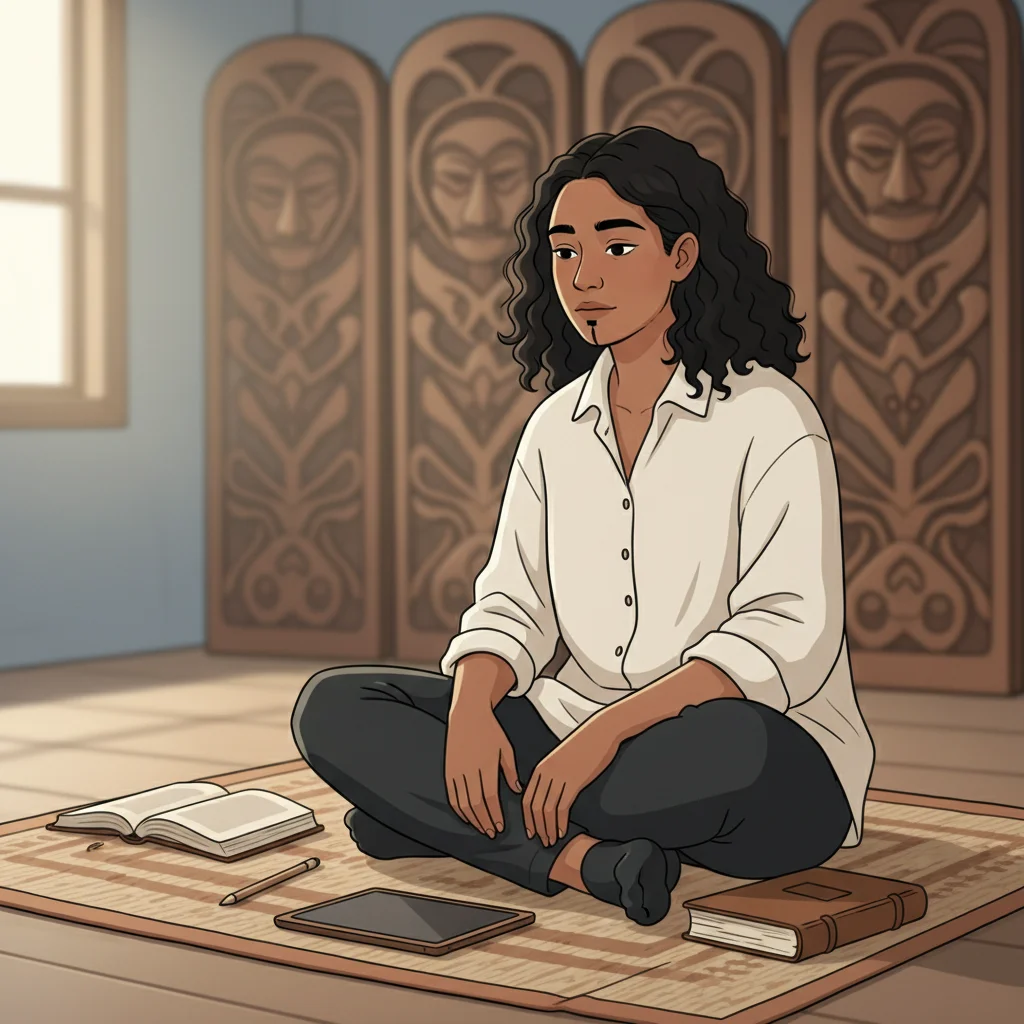
Why might spiritual protection be important when entering a sacred space? What similar concepts exist in other cultures you know?
Understanding Atua
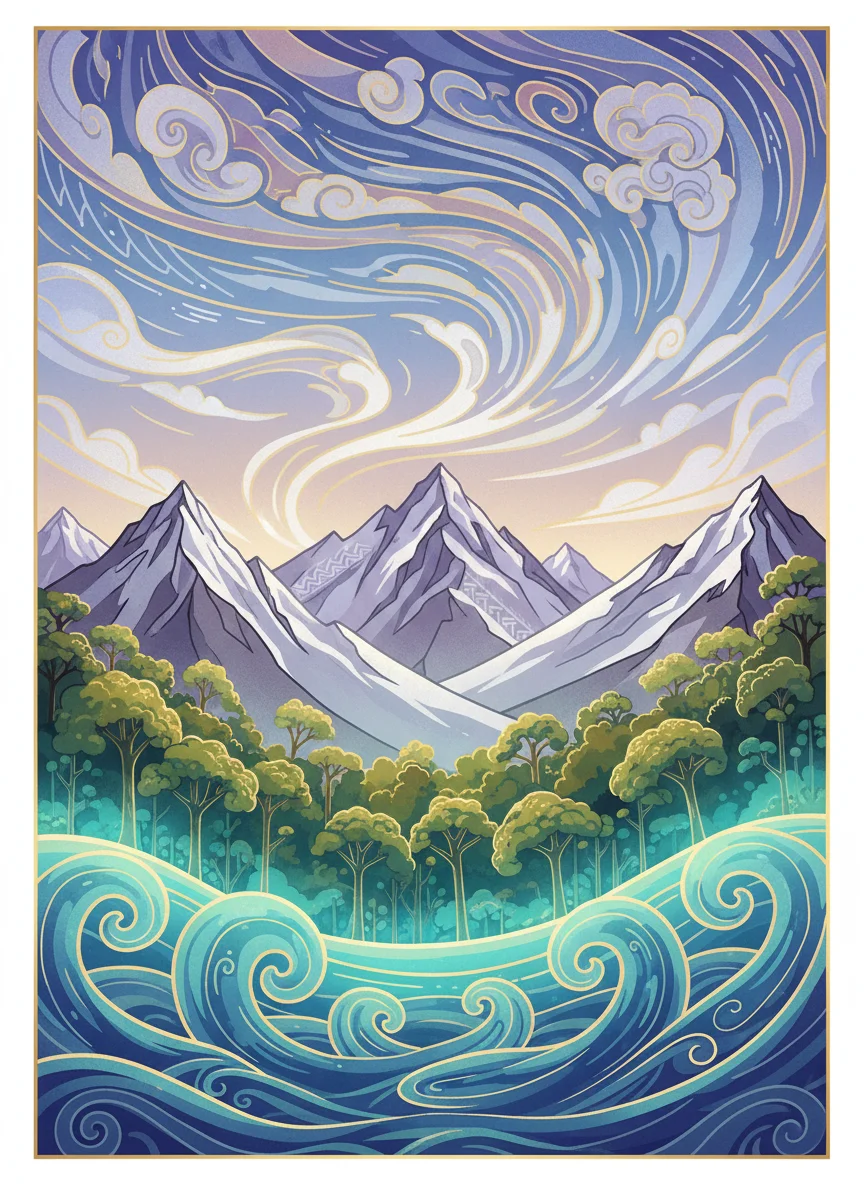
Atua are spiritual beings in Māori cosmology They govern different domains of existence Not gods in the Western sense, but ancestral forces Each atua has specific responsibilities and powers They influence both natural and spiritual worlds
Key Atua in Powhiri
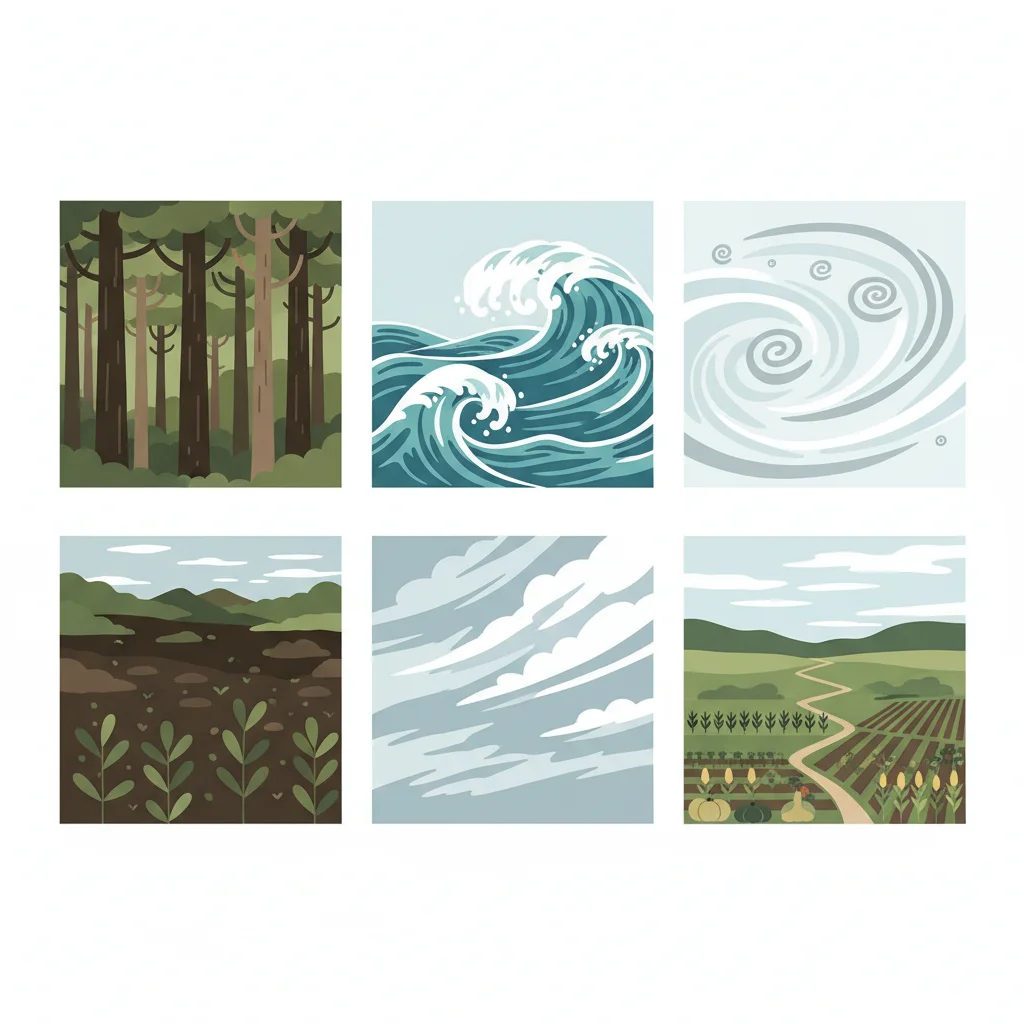
{"left":"Tāne-mahuta: God of forests and all living things within them\nTangaroa: God of the sea and all sea creatures\nTāwhirimātea: God of winds and weather","right":"Papatūānuku: Earth Mother, foundation of all life\nRanginui: Sky Father, source of life-giving rains\nRongo: God of peace and cultivated foods"}
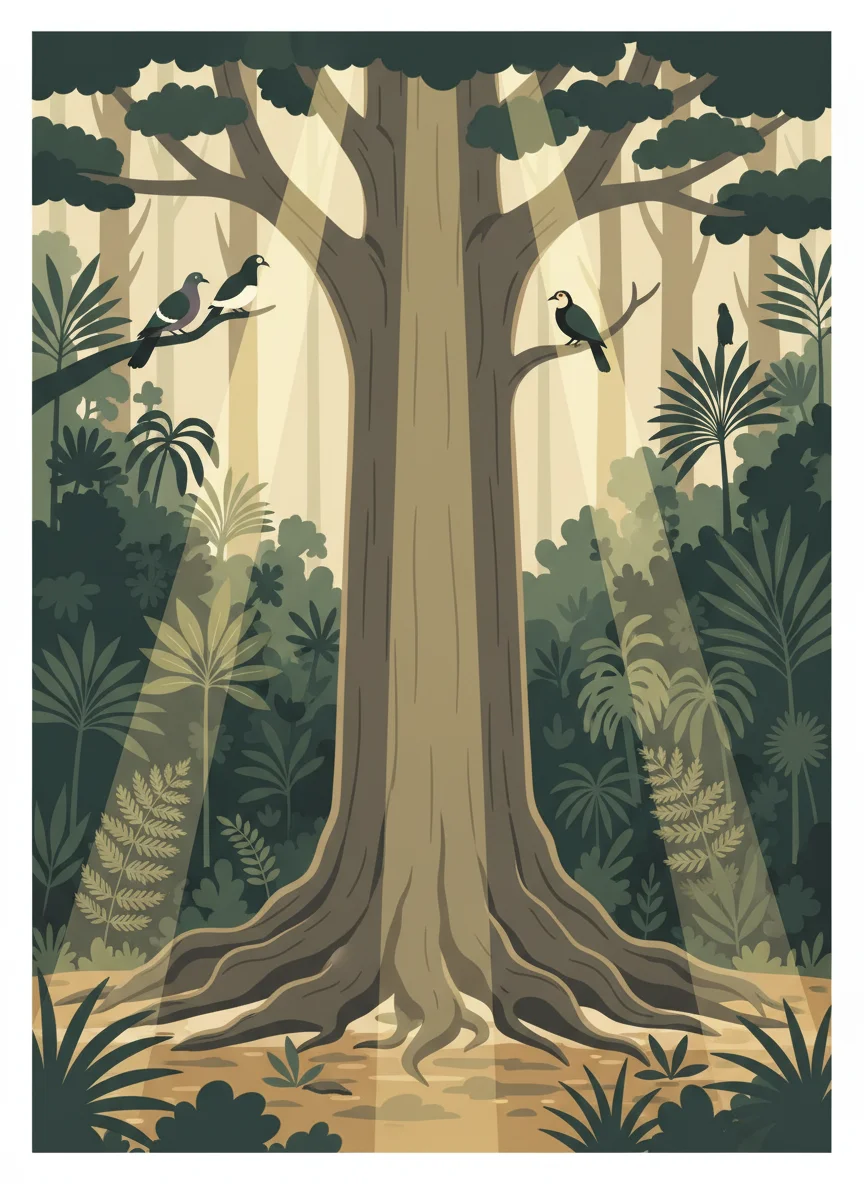
Tāne-mahuta and the Forest Domain
Guardian of all forests and trees Protects native birds and forest creatures Provides timber for wharenui (meeting houses) His presence is felt in carved wooden ancestors Must be honored when using forest resources
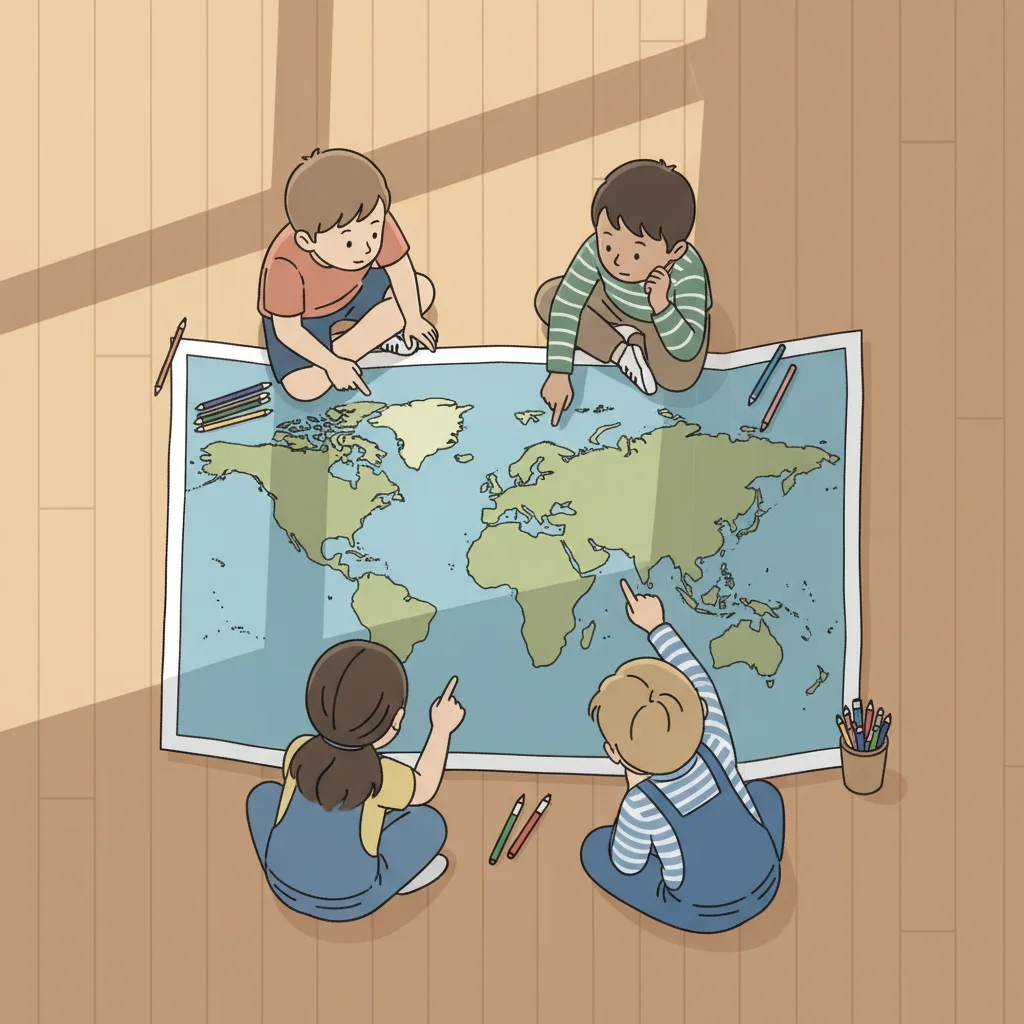
Domain Mapping Activity
Work in pairs to create a map of your local area Identify which atua would govern different spaces Consider: parks, beaches, rivers, buildings Discuss: How might these atua influence daily life?
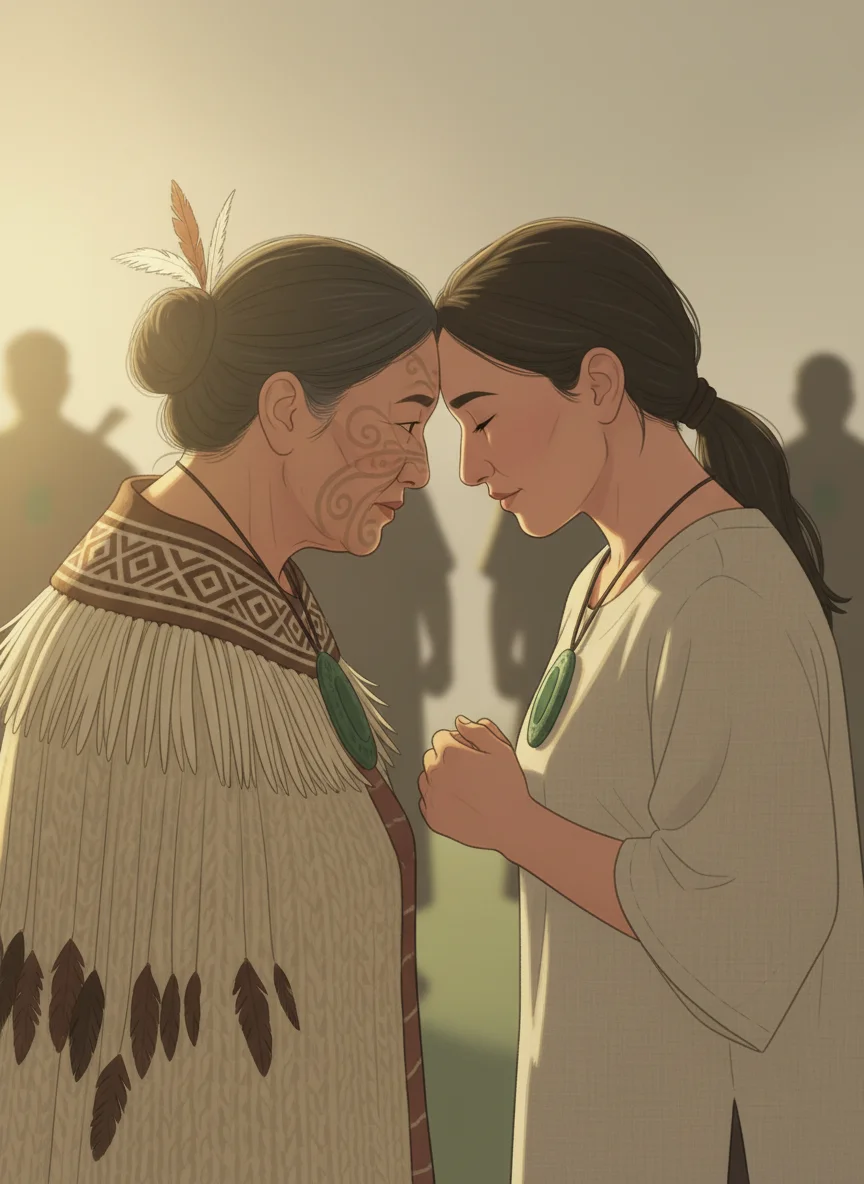
Spiritual Safety in Powhiri
Visitors enter sacred space protected by atua Karakia (prayers) ensure spiritual safety Hongi connects breath of life between people Wero (challenge) tests visitors' intentions Entire ceremony creates spiritual bridge

The Powhiri Process
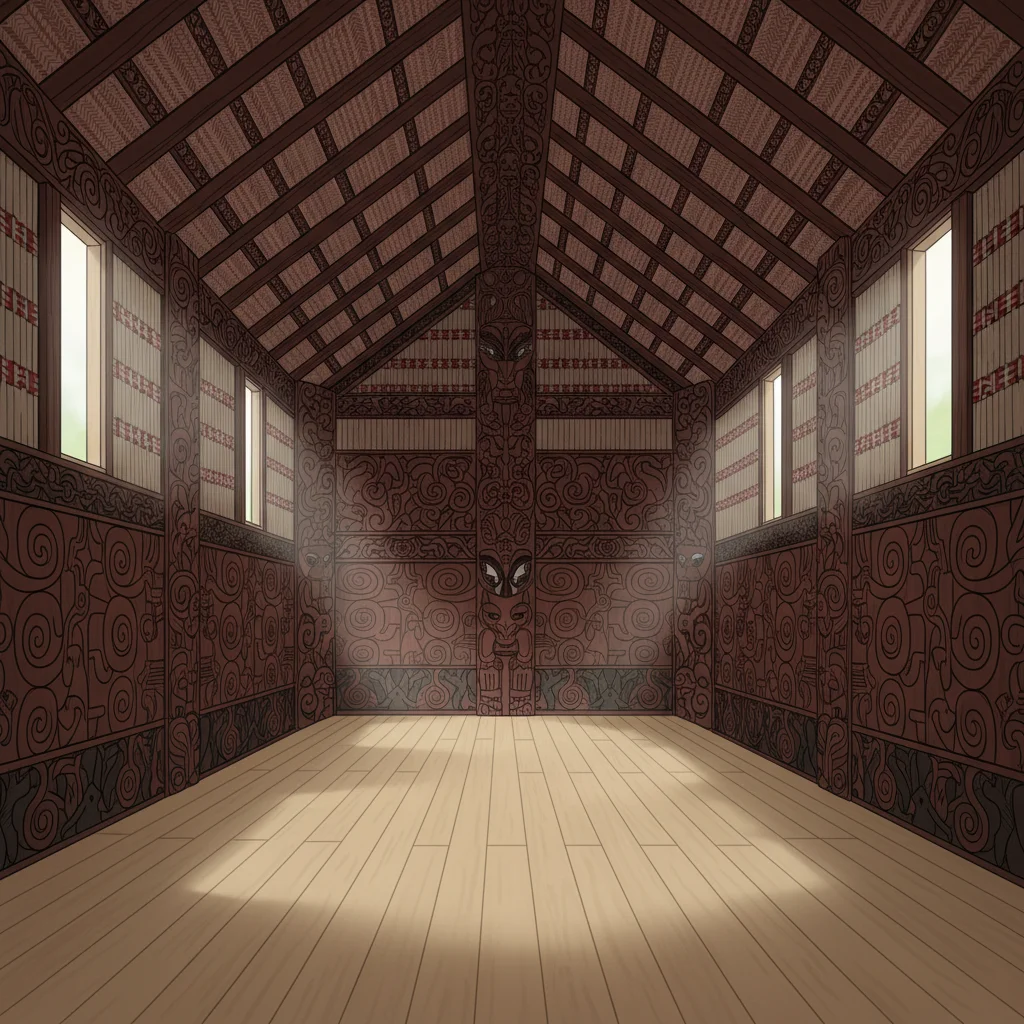
Māori Wisdom
"He aha te mea nui o te ao? He tangata, he tangata, he tangata." "What is the most important thing in the world? It is people, it is people, it is people."
Tikanga: Living the Spiritual Connection
Tikanga means 'correct way' or 'customs' Based on relationships with atua and ancestors Guides behavior in all aspects of life Ensures harmony between spiritual and physical worlds Passed down through generations of practice
Reflection and Connection
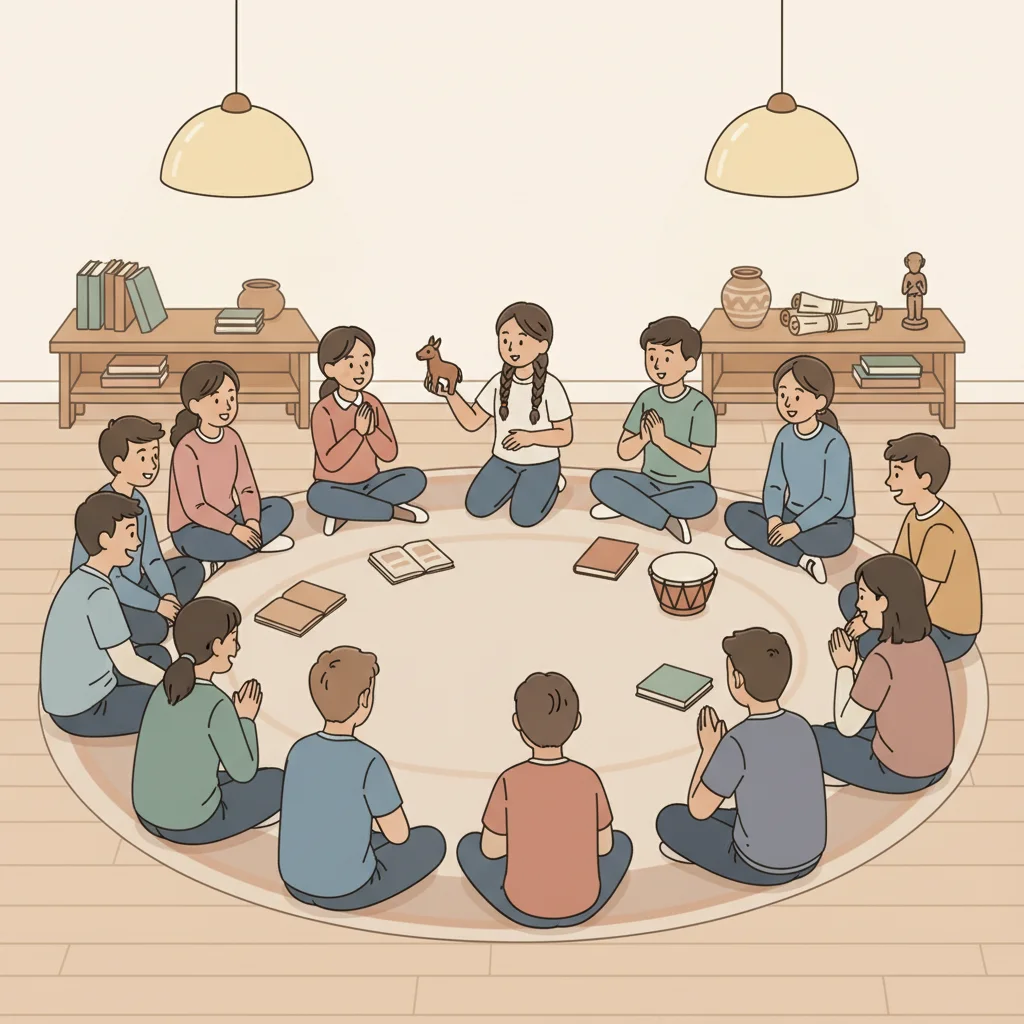
Think about your own cultural traditions How do they connect you to important values? What 'domains' are important in your family? Share one tradition that helps you feel connected to something bigger than yourself
More Social Studies/Cultural Studies slide decks
Other ready-to-teach social studies/cultural studies decks for New Zealand classrooms.

Puanga me Matariki: Ngā Whetū
Karakia: Sacred Words and Cultural Respect
Karakia: Sacred Words and Cultural Respect

Water: Sacred to Māori People
Water: Sacred to Māori People
