
Pricing, Forecasting & Cash Flow Mastery
Year 13 Business Studies Young Enterprise Financial Skills 60-minute lesson
Learning Objectives & Curriculum Alignment
Explain key factors influencing product pricing decisions Construct basic sales forecasts using data and assumptions Record and interpret receipts and payments in spreadsheets Apply financial data to Young Enterprise decision making Aligned with NZ Curriculum Economics & Business Studies

Hook Question: What Influences Product Pricing?
Think about a product you recently bought What factors do you think influenced its price? Consider costs, competition, and customer value

Pricing Strategies & Key Factors
Cost-based pricing: covering costs plus profit margin Competition-based pricing: matching or beating competitors Value-based pricing: what customers are willing to pay Key factors: production costs, market demand, competition analysis External environment: NZ market conditions and regulations

Sales Forecasting Fundamentals
Predicting future sales based on data and assumptions Uses historical sales data and market trends Considers seasonal patterns and external factors Essential for planning inventory and cash flow Helps make informed business decisions

Guided Practice: Building Your Sales Forecast
Open the YES Finance Spreadsheet Input sample historical sales data Create 3-month sales projections Work in pairs to analyze trends Discuss assumptions behind your forecasts
Receipts & Payments: Cash Flow Management
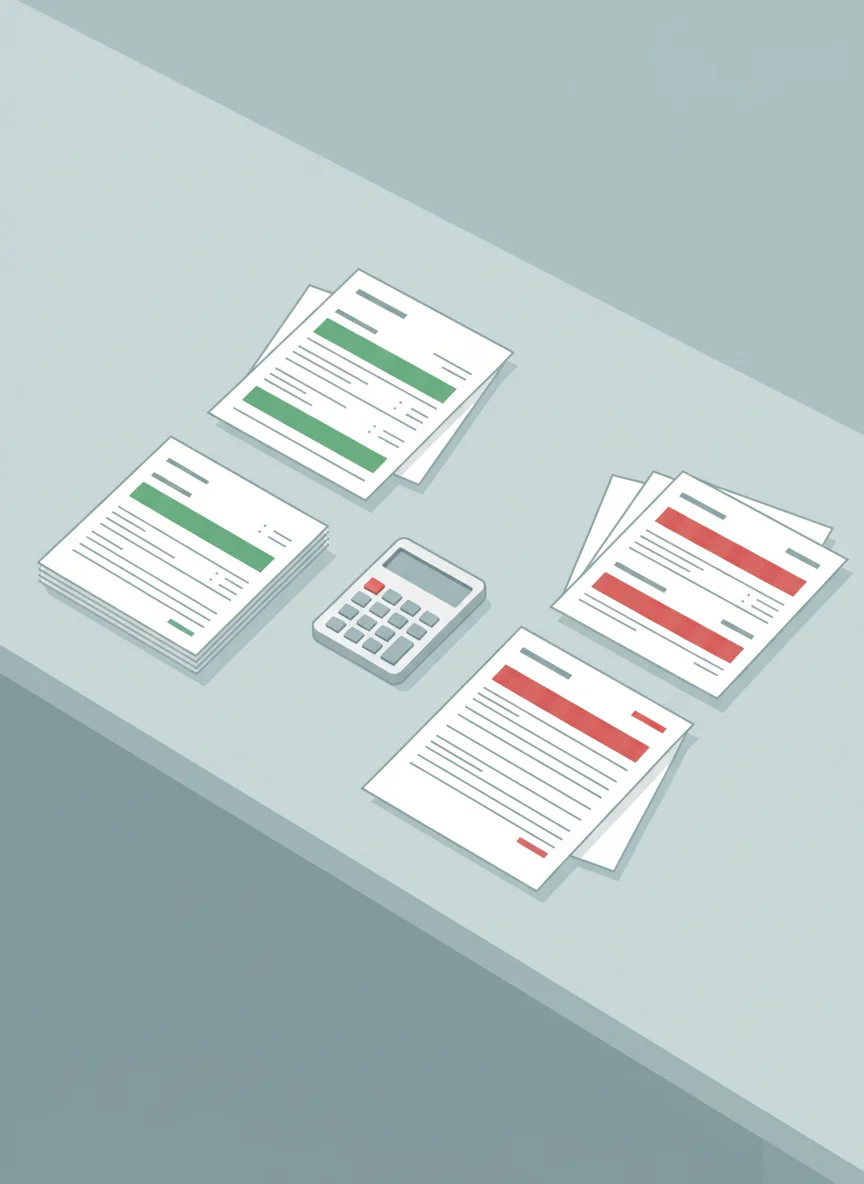
Receipts: money coming into the business (sales, investments) Payments: money going out (costs, expenses, purchases) Net cash flow = Total receipts - Total payments Critical for business survival and growth Helps identify cash flow problems early

Recording Transactions Activity
Enter sample business transactions in your spreadsheet Record both receipts and payments accurately Calculate net cash flow for each month Identify patterns and potential cash flow issues Discuss how this data informs pricing decisions
Reflection & Integration
How do pricing, forecasting, and cash flow connect? What challenges did you face with the spreadsheet activities? How might external factors change your forecasts? What decisions would you make based on your cash flow analysis?
Assessment & Next Steps
Assessment through spreadsheet work and participation Formative feedback on forecasting accuracy Reflection on real-world business applications Extension: Consider scenario changes (cost increases, demand fluctuations) Next lesson: Advanced financial planning strategies