Radiation Types: Properties and Biological Effects
Year 12 Physics Understanding Alpha, Beta, and Gamma Radiation Properties, Interactions, and Health Effects

WALT: We Are Learning To
Explain how alpha, beta, and gamma radiation interact with magnetic fields Compare the penetration abilities of different radiation types Understand ionization processes and their classifications Evaluate which radiation types pose the greatest biological risks

Success Criteria
I can draw diagrams showing radiation paths in magnetic fields I can rank radiation types by penetrating power I can distinguish between direct and indirect ionization I can explain why alpha particles are most dangerous internally
Think-Pair-Share: What Do You Know About Radiation?
Think: What types of radiation have you heard of? Pair: Share with a partner Share: Discuss with the class

What is Ionizing Radiation?
Energy that removes electrons from atoms Creates charged particles (ions) Three main types: Alpha, Beta, Gamma Natural and artificial sources exist
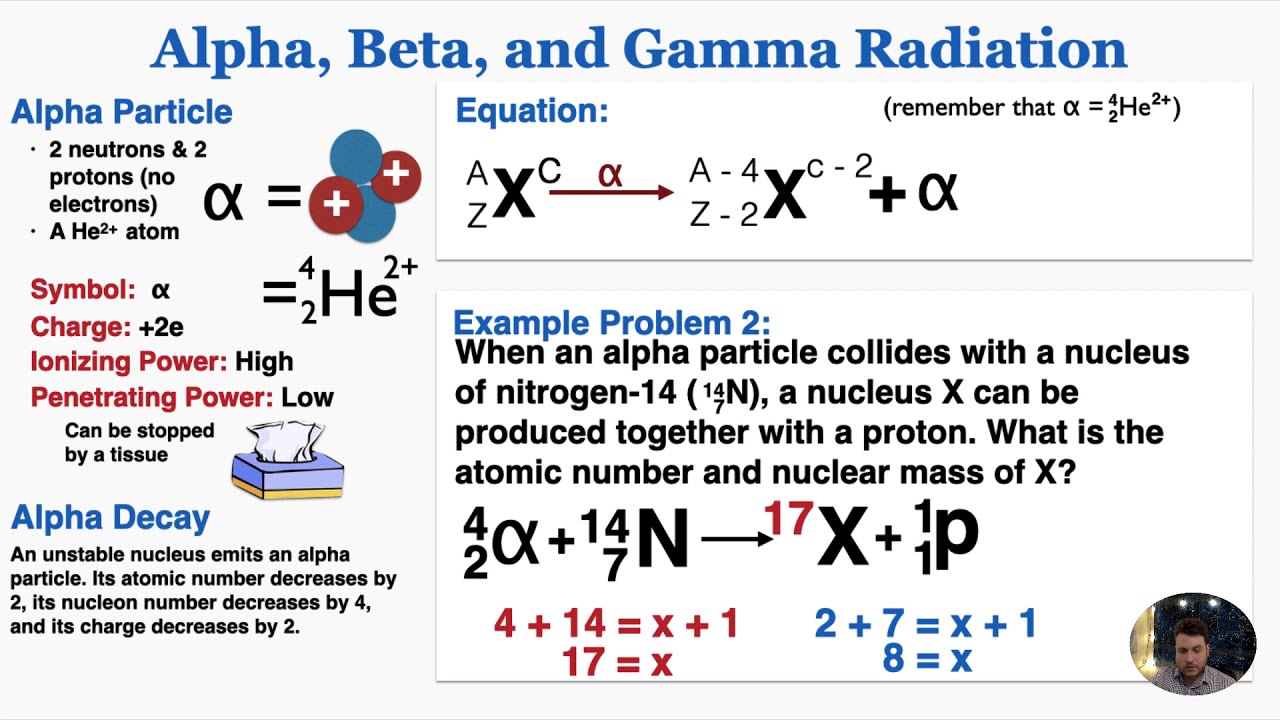
The Three Types of Ionizing Radiation

Alpha Radiation (α)
Helium nuclei: 2 protons + 2 neutrons Large, heavy, positively charged Low penetrating power High ionizing ability

Beta Radiation (β)
High-speed electrons (β⁻) or positrons (β⁺) Small, light, negatively or positively charged Medium penetrating power Medium ionizing ability

Gamma Radiation (γ)
High-energy electromagnetic waves No mass, no charge High penetrating power Low ionizing ability
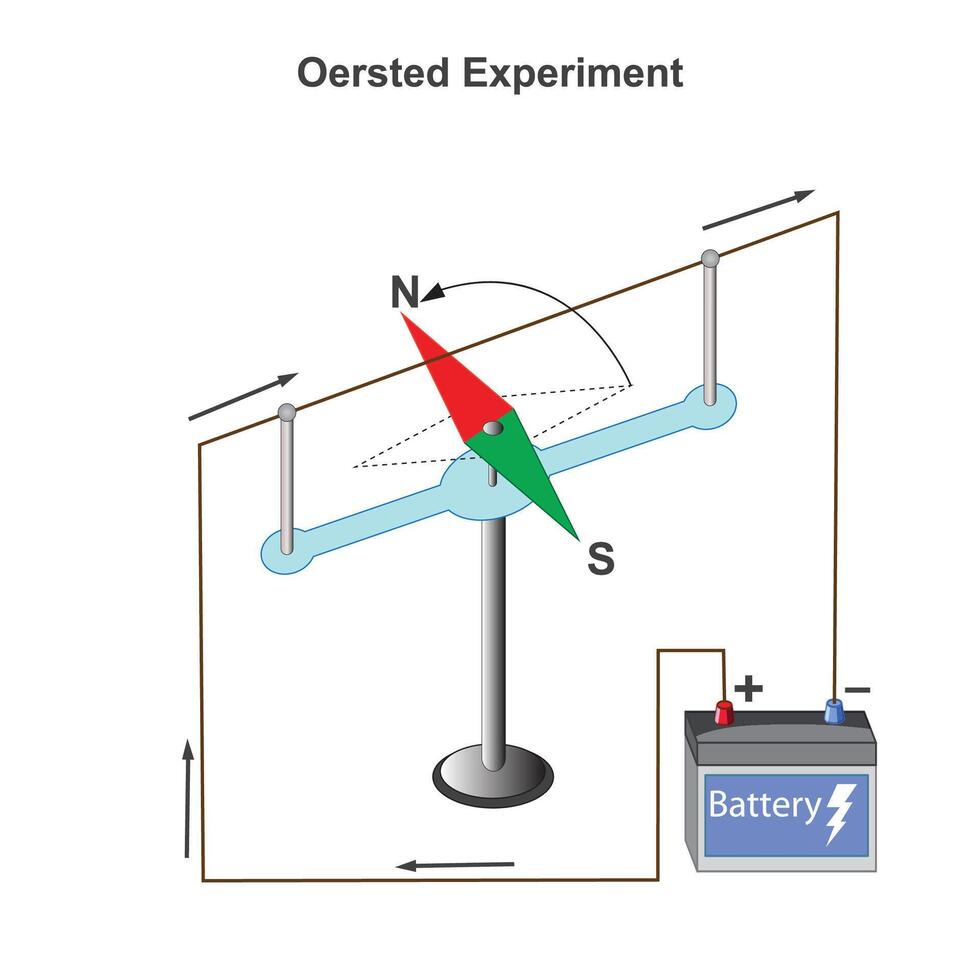
Magnetic Field Interactions - Demonstration Setup
Set up: Radiation source, magnetic field, detection screen Observe: Path deflection for each radiation type Record: Direction and degree of deflection

Radiation Paths in Magnetic Fields
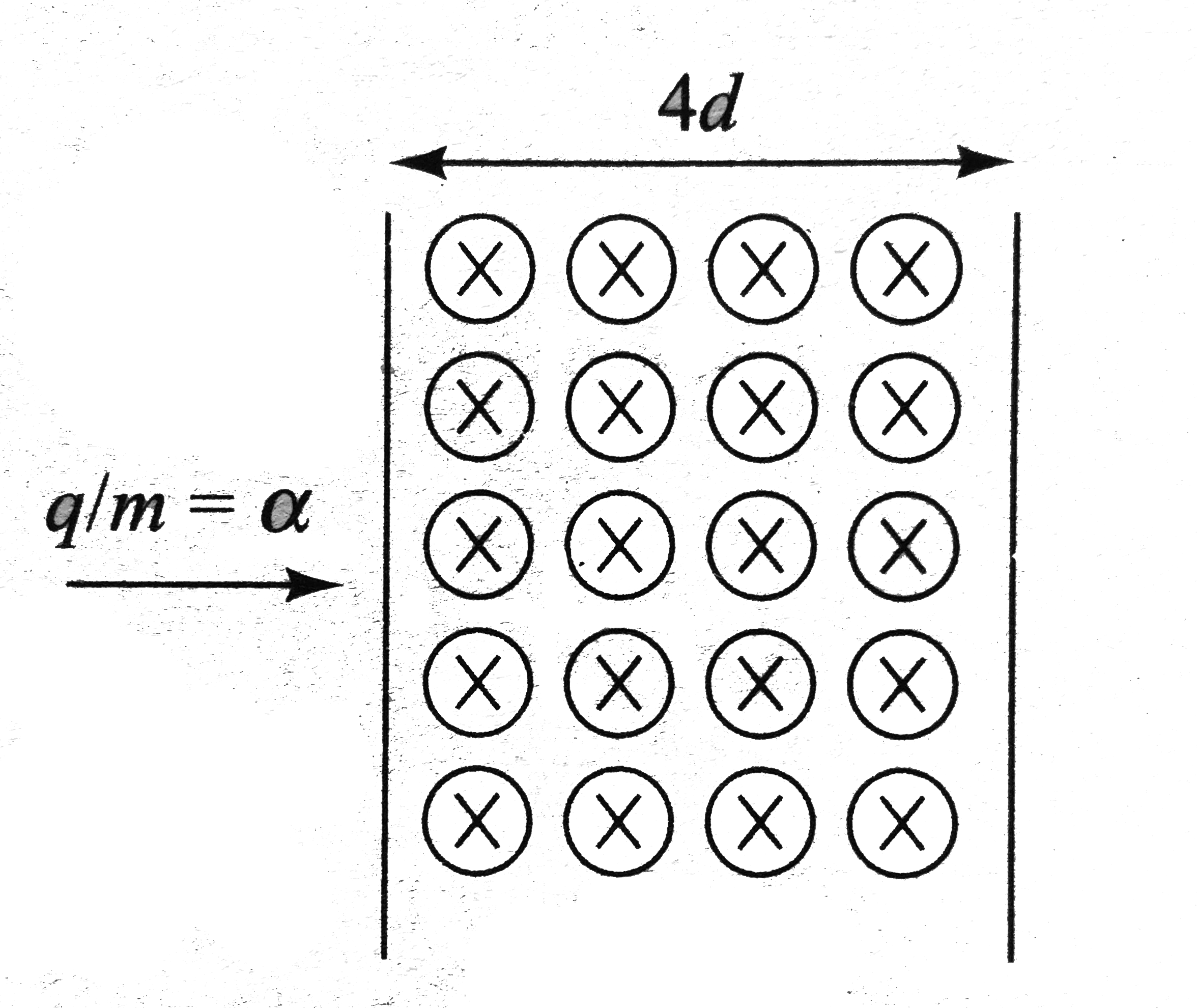
Why Do They Deflect Differently?
Alpha: Heavy, +2 charge → slight deflection Beta: Light, ±1 charge → sharp deflection Gamma: No charge → no deflection Deflection depends on charge-to-mass ratio
14 more slides available after you open the deck.
Download all 26 slides