
Realistic Training Methods for Athletes
Year 13 Sport Science Understanding Evidence-Based Training Approaches Optimising Athletic Performance
What Makes Training 'Realistic'?
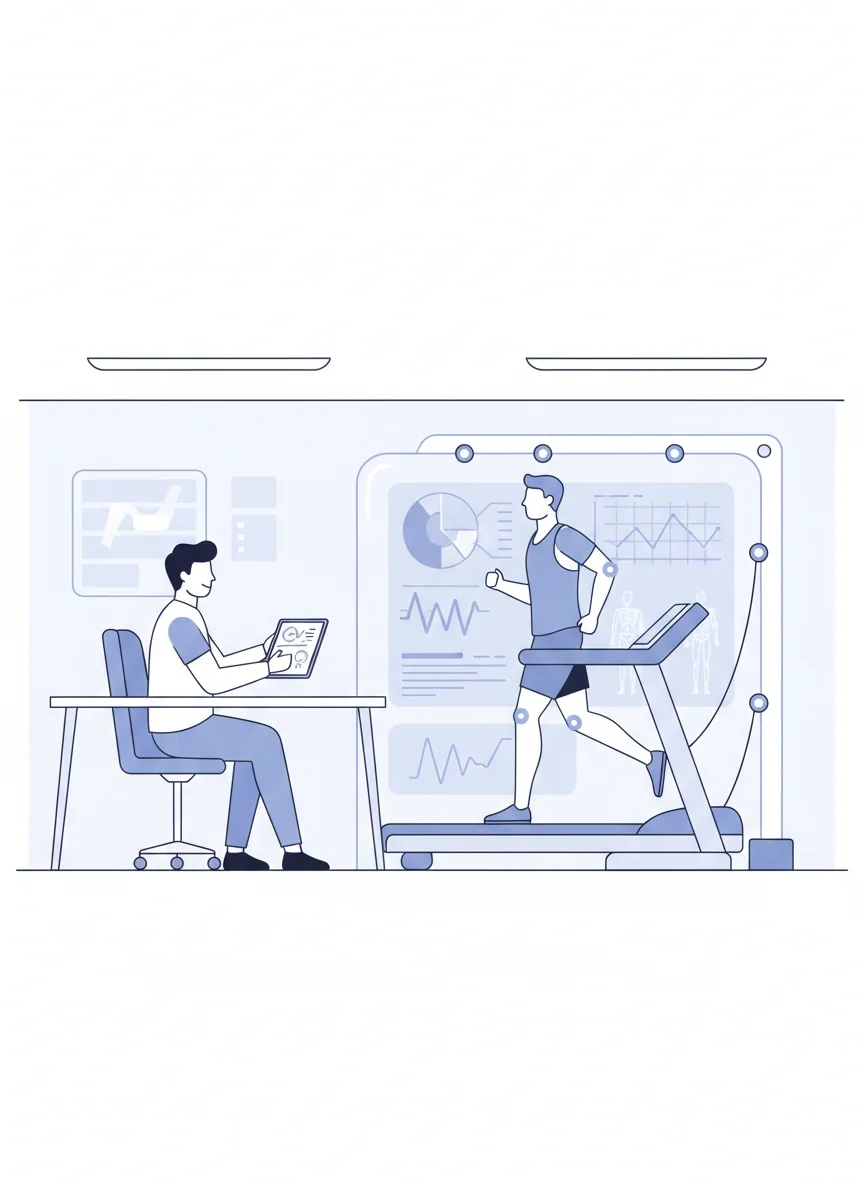
Evidence-based methods supported by sports science research Practical application in real-world training environments Sustainable approaches that prevent overtraining and injury Individualized programs that consider athlete's specific needs Cost-effective methods accessible to various training levels
Periodization: The Foundation of Athletic Training
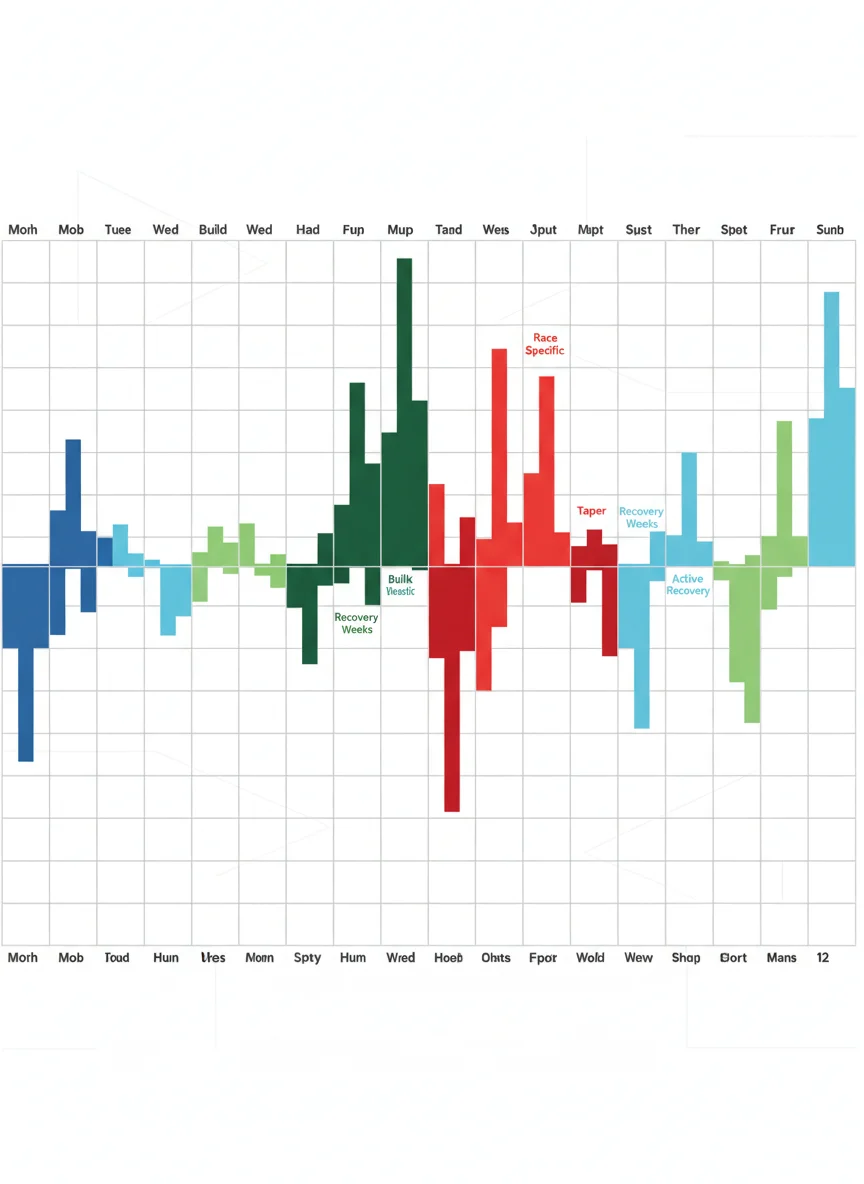
Systematic planning of athletic training over time Macrocycles: Annual training plans (12 months) Mesocycles: Training blocks (4-6 weeks) Microcycles: Weekly training schedules Allows for peak performance at specific times
Linear vs Non-Linear Periodization
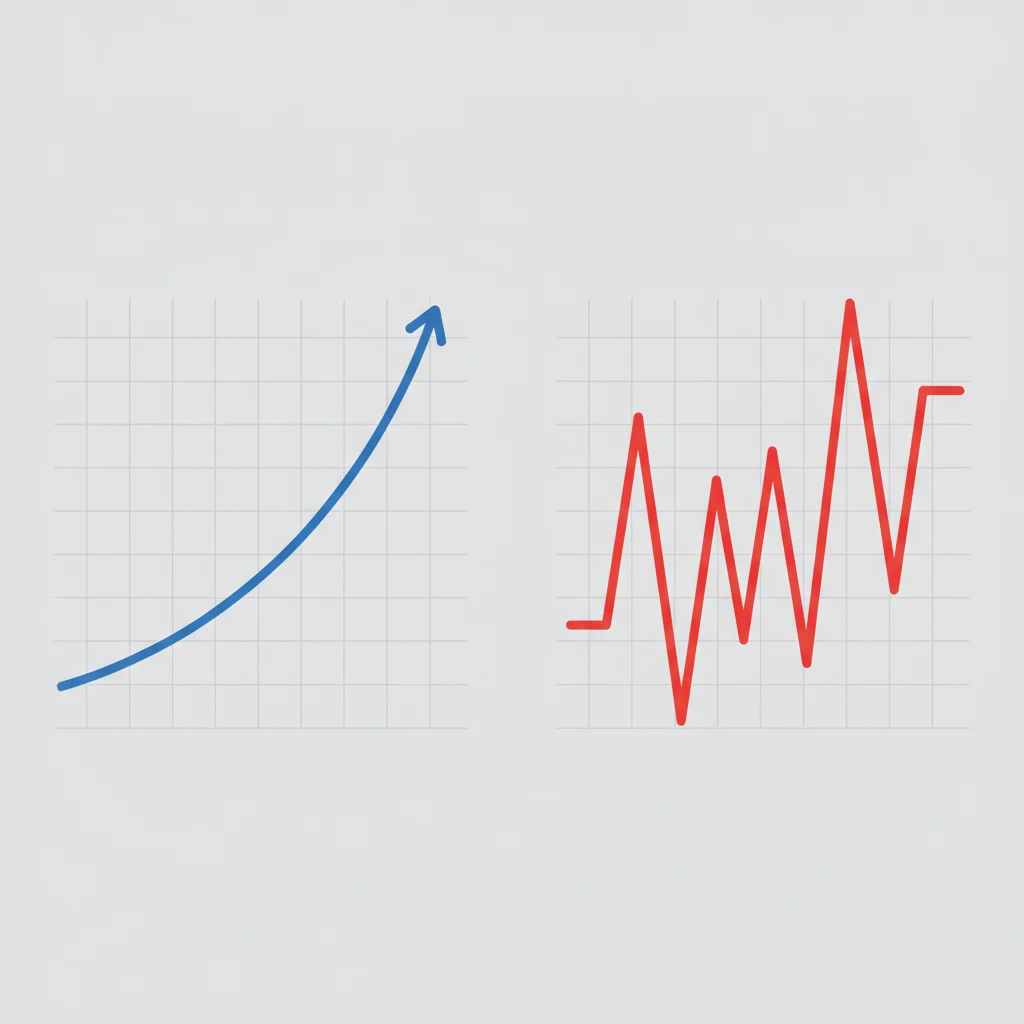
{"left":"Traditional approach with gradual progression\nVolume decreases as intensity increases\nPredictable training phases\nBest for single-peak seasons","right":"Constantly varied training stimuli\nMultiple fitness qualities trained simultaneously\nMore flexible and adaptable\nBetter for sports with multiple competitions"}

Strength Training Methods
Maximum Strength: 1-5 reps at 85-100% 1RM Power Development: 3-6 reps at 30-80% 1RM with explosive movement Hypertrophy: 6-12 reps at 67-85% 1RM Muscular Endurance: 12+ reps at 50-67% 1RM Progressive overload principle applies to all methods

Training Zone Calculator
Calculate training zones for a 17-year-old athlete Maximum HR = 220 - age Zone 1 (Recovery): 50-60% max HR Zone 2 (Aerobic): 60-70% max HR Zone 3 (Tempo): 70-80% max HR Zone 4 (Threshold): 80-90% max HR Zone 5 (Neuromuscular): 90-100% max HR
Plyometric Training for Power Development
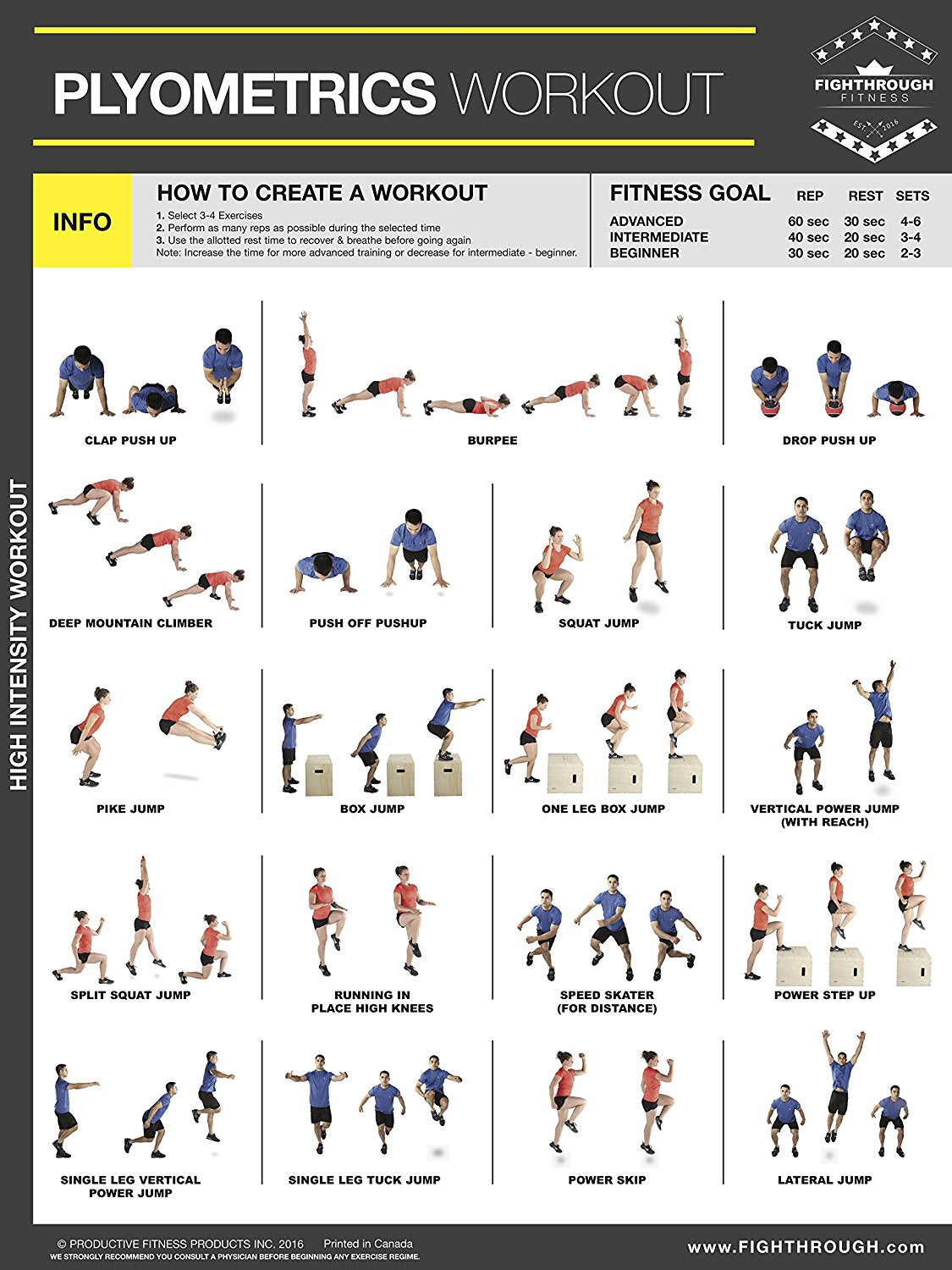
Utilizes stretch-shortening cycle of muscles Improves rate of force development Ground contact time under 0.2 seconds for reactive strength Progressive volume: 80-100 contacts for beginners Examples: box jumps, depth jumps, bounding exercises

Energy System Training Comparison
Critical Thinking: Training Adaptation
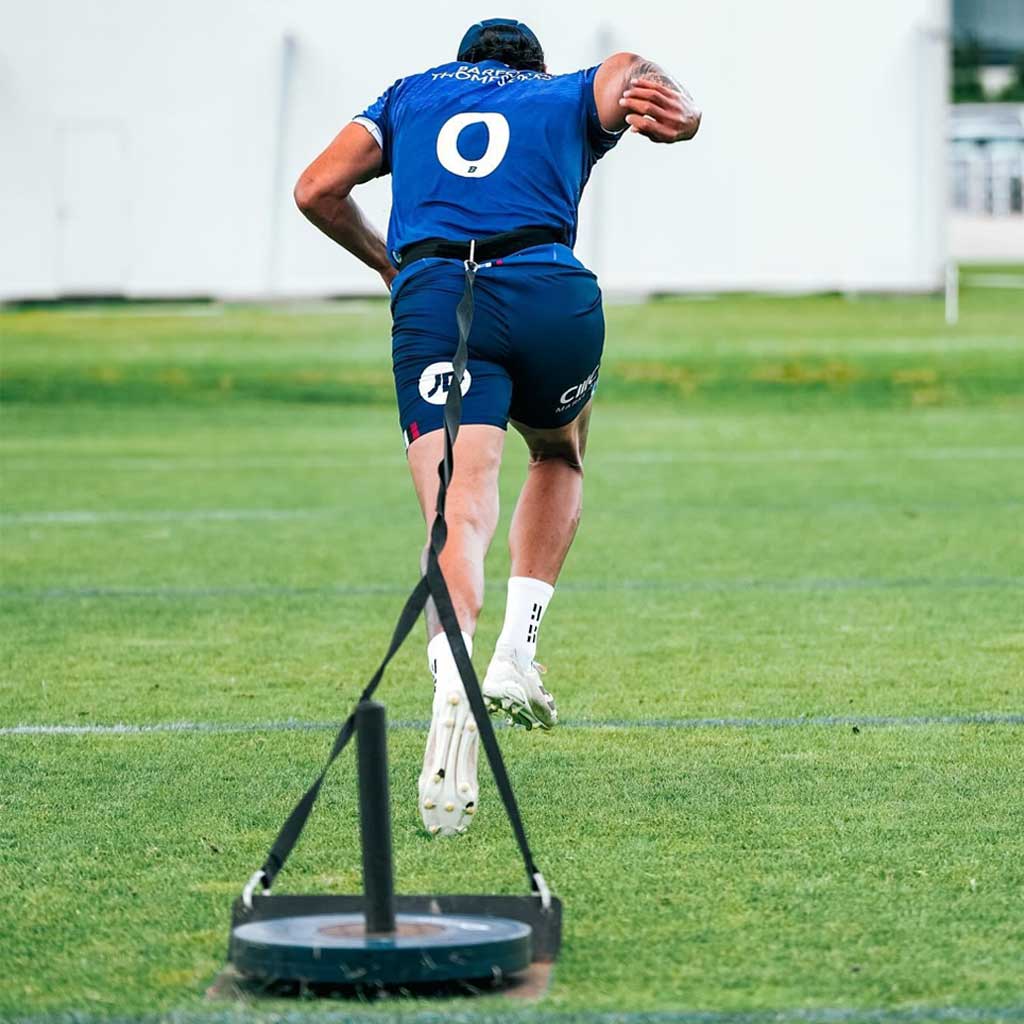
A rugby player wants to improve their ability to repeatedly perform high-intensity tackles and rucks throughout an 80-minute match. Which energy systems need development? What training methods would be most appropriate? How would you structure a 4-week training block?
Recovery and Adaptation: The Missing Link
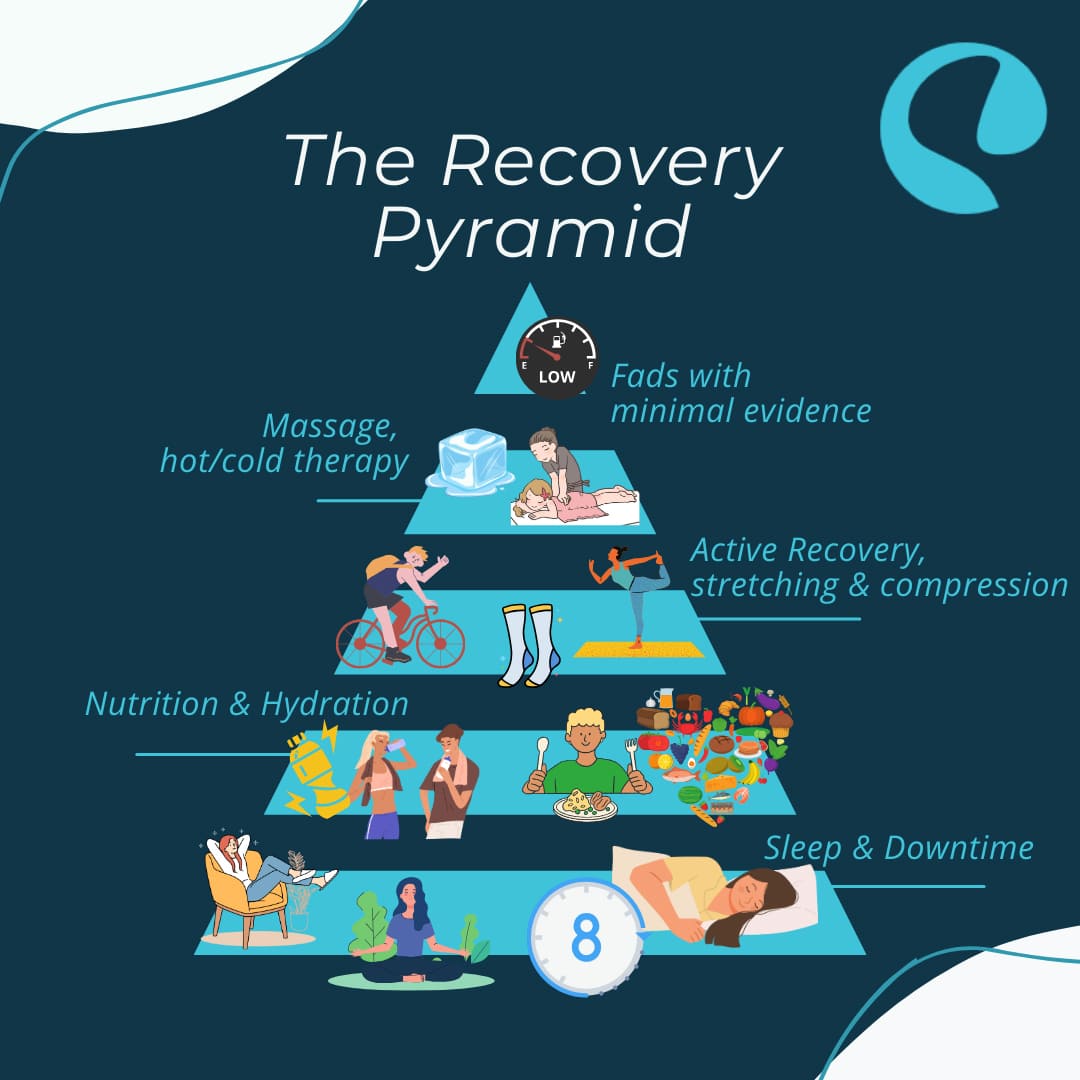
Training stimulus + adequate recovery = adaptation Sleep: 7-9 hours for optimal hormone production Nutrition: protein timing within 2 hours post-exercise Active recovery: light movement to promote blood flow Monitoring: HRV, subjective wellness scales Overtraining prevention through planned rest days