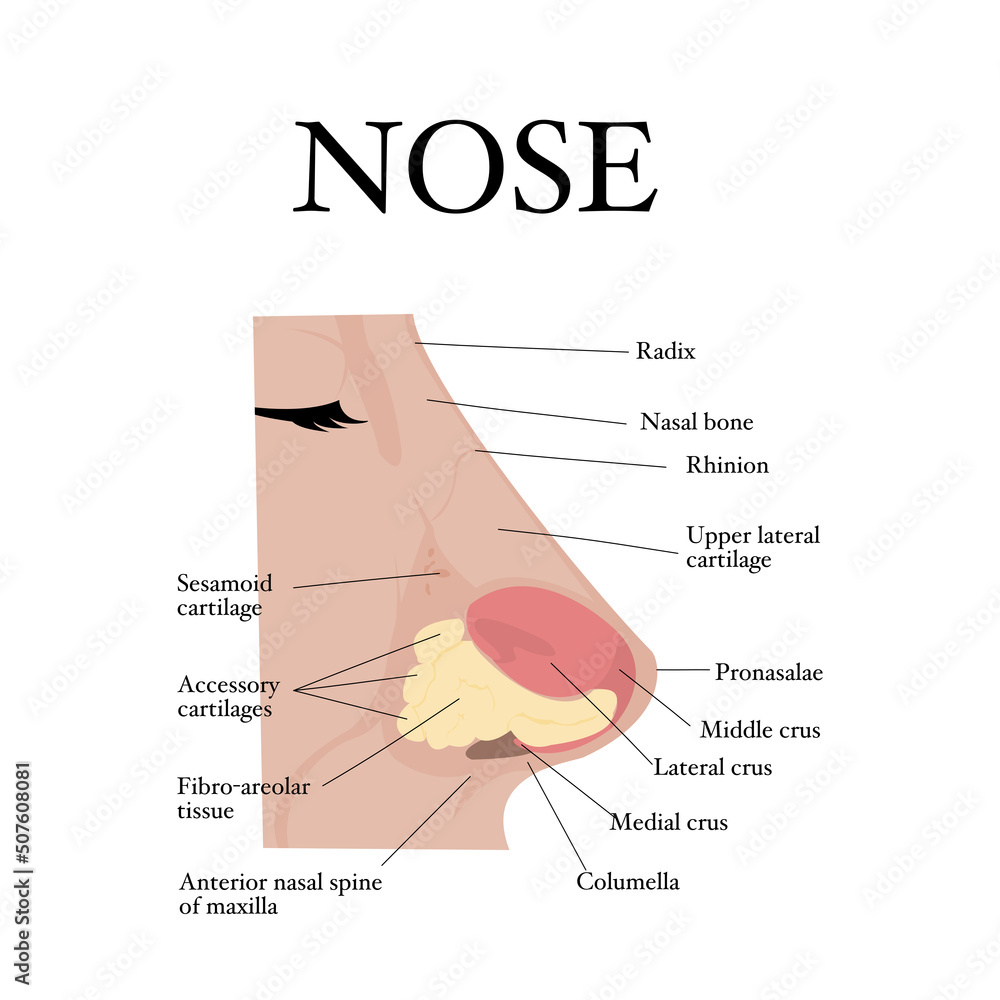
Sensing the World: Chemoreceptors Explored
Year 11 Science Understanding How We Taste and Smell 60-minute Interactive Lesson

How Do We Taste and Smell Things?
Think about your favorite food What makes it smell so good? How does your body detect these sensations?

What Are Chemoreceptors?
Specialised sensory receptors that respond to chemical stimuli Located in taste buds on the tongue Found in olfactory epithelium in the nose Convert chemical signals into nerve impulses Essential for survival - detect poisons and spoiled food

Taste vs Smell Chemoreceptors
{"left":"Taste receptors detect chemicals dissolved in saliva\nFive basic tastes: sweet, sour, salty, bitter, umami\nLocated on tongue in taste buds\nWork quickly for immediate food assessment","right":"Smell receptors detect airborne chemical molecules\nCan distinguish thousands of different odors\nLocated in upper nasal cavity\nMore sensitive than taste receptors"}
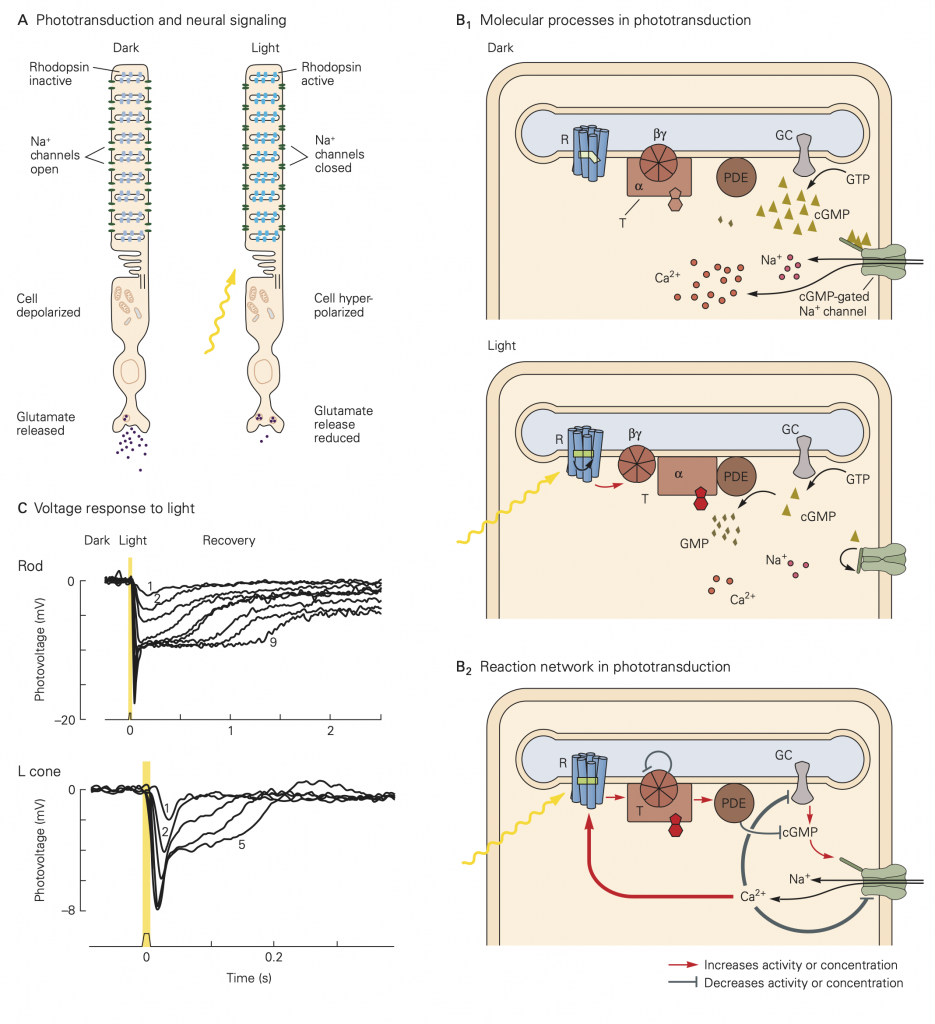
How Chemoreceptors Work
Chemical molecules bind to specific receptor proteins This binding triggers a change in the receptor cell Electrical signals are generated (sensory transduction) Nerve impulses travel to the brain Brain interprets signals as taste or smell sensations Different receptors detect different chemicals

Practical Investigation: Testing Our Chemical Senses
Work in groups of 4-5 students Test responses to different smells or tastes Record individual reactions and preferences Create data charts showing group results Consider factors affecting sensitivity Analyze patterns and differences between people

Chemoreceptor Response Data Analysis

Chemoreceptors in Daily Life
Food industry uses knowledge of taste and smell Medical conditions can affect chemoreception Safety applications - detecting gas leaks or spoiled food Perfume and flavor industries rely on our chemical senses Adaptation explains why smells fade over time Individual differences in sensitivity are normal