Sodium Imbalances and Body Control Systems
Year 13 Biology NCEA Level 3 60 minutes

WALT - We Are Learning To
Understand hyponatremia and hypernatremia mechanisms Identify normal vs abnormal sodium values Recognize signs, symptoms, and causes Evaluate treatment and prevention strategies Compare thermoregulation and osmoregulation systems
Success Criteria
Achieved: Can define sodium imbalances and identify basic symptoms Merit: Can explain mechanisms and compare different causes Excellence: Can evaluate treatment strategies and analyze control system interactions Extension: Can predict outcomes and design prevention protocols

What is Sodium Balance?
Sodium (Na+) is essential for life Normal blood sodium: 135-145 mmol/L Critical for nerve function and fluid balance Regulated by kidneys, brain, and hormones Imbalances can be life-threatening
Quick Check: Normal Values
What is the normal range for blood sodium? A) 120-130 mmol/L B) 135-145 mmol/L C) 150-160 mmol/L D) 100-120 mmol/L

Hyponatremia - Too Little Sodium
Blood sodium < 135 mmol/L Mild: 130-135 mmol/L Moderate: 125-129 mmol/L Severe: < 125 mmol/L Can cause brain swelling and seizures

Hypernatremia - Too Much Sodium
Blood sodium > 145 mmol/L Mild: 145-150 mmol/L Moderate: 150-160 mmol/L Severe: > 160 mmol/L Causes cellular dehydration
Hyponatremia vs Hypernatremia Comparison
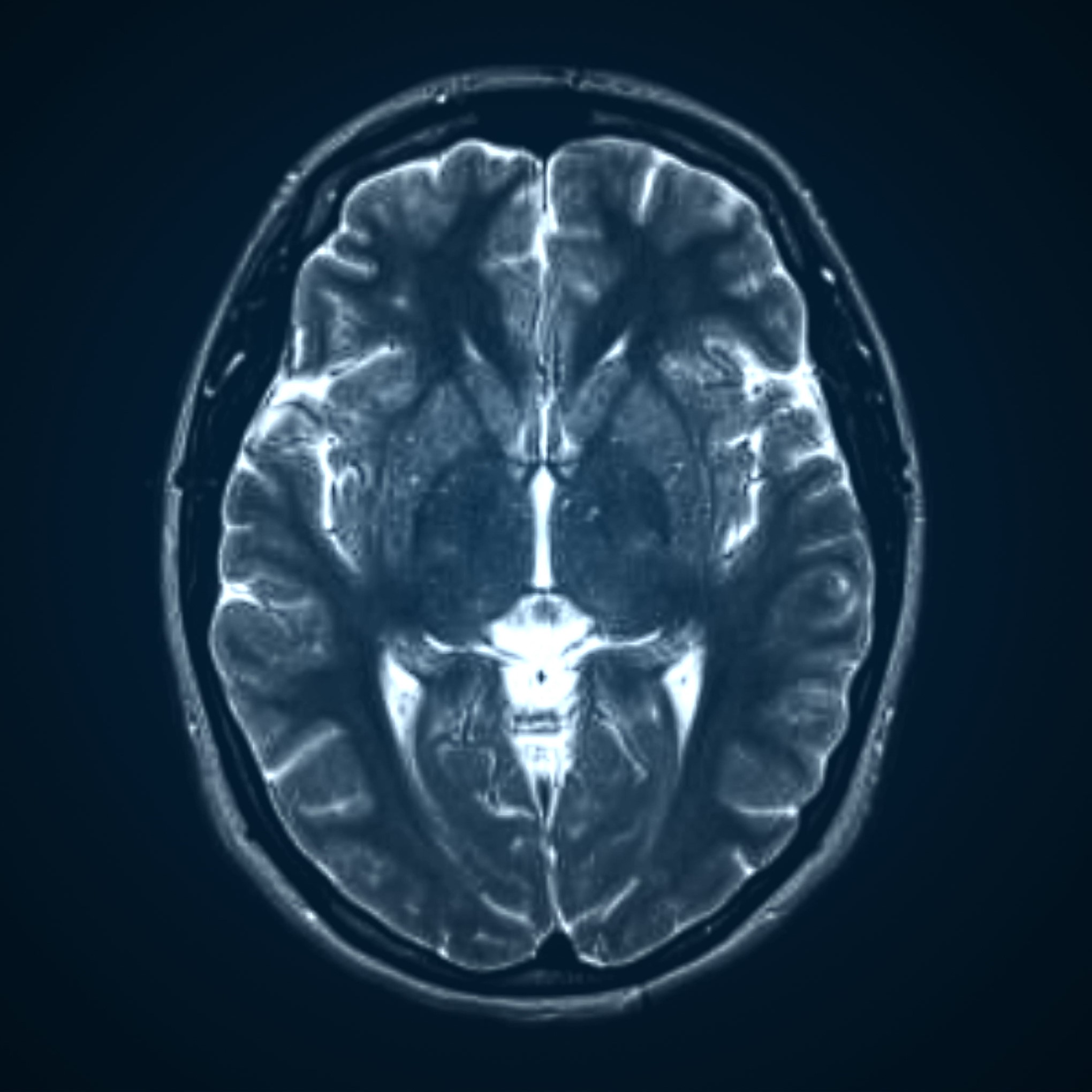
{"left":"Hyponatremia: Sodium < 135 mmol/L\nHypernatremia: Sodium > 145 mmol/L\nHyponatremia: Brain swelling\nHypernatremia: Brain shrinkage","right":"Hyponatremia: Confusion, seizures\nHypernatremia: Thirst, altered mental state\nHyponatremia: Water retention\nHypernatremia: Water loss"}

Sodium Regulation Mechanism

Mechanism Mapping Activity
Work in pairs to create a flow chart Include: stimulus → sensor → control center → effector → response Use the sodium regulation pathway Add Māori concepts of balance (takatū) Present to class in 10 minutes
Signs and Symptoms - Hyponatremia
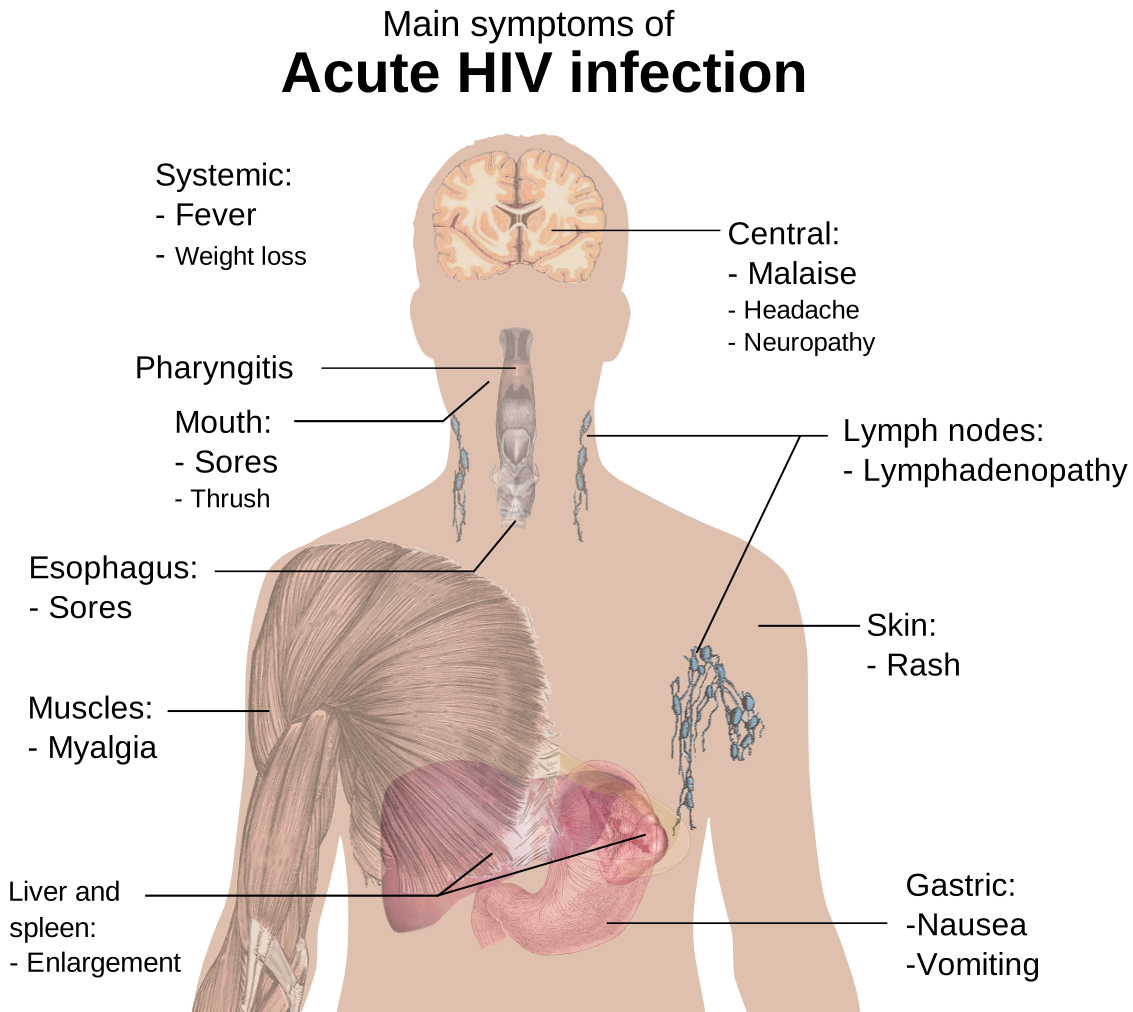
Early: Nausea, headache, confusion Moderate: Muscle cramps, weakness, irritability Severe: Seizures, coma, brain herniation Rapid onset more dangerous than gradual Symptoms depend on speed of development
Signs and Symptoms - Hypernatremia
Early: Thirst, dry mouth, restlessness Moderate: Lethargy, muscle twitching, hyperreflexia Severe: Seizures, coma, intracerebral bleeding Elderly and infants most vulnerable Dehydration signs prominent
20 more slides available after you open the deck.
Download all 32 slides