Solving Problems: IDEAL & 6-Step Models
Year 12 Technology Problem Solving Methods (Rapu Rongoā) Unit Standard 7123 - US1847
Learning Objectives (Whāinga Ako)
Identify and describe the IDEAL and 6-step problem-solving models Analyse real-world scenarios using these structured approaches Develop practical solutions through guided application Prepare for Unit Standard 7123 assessment requirements
The IDEAL Model
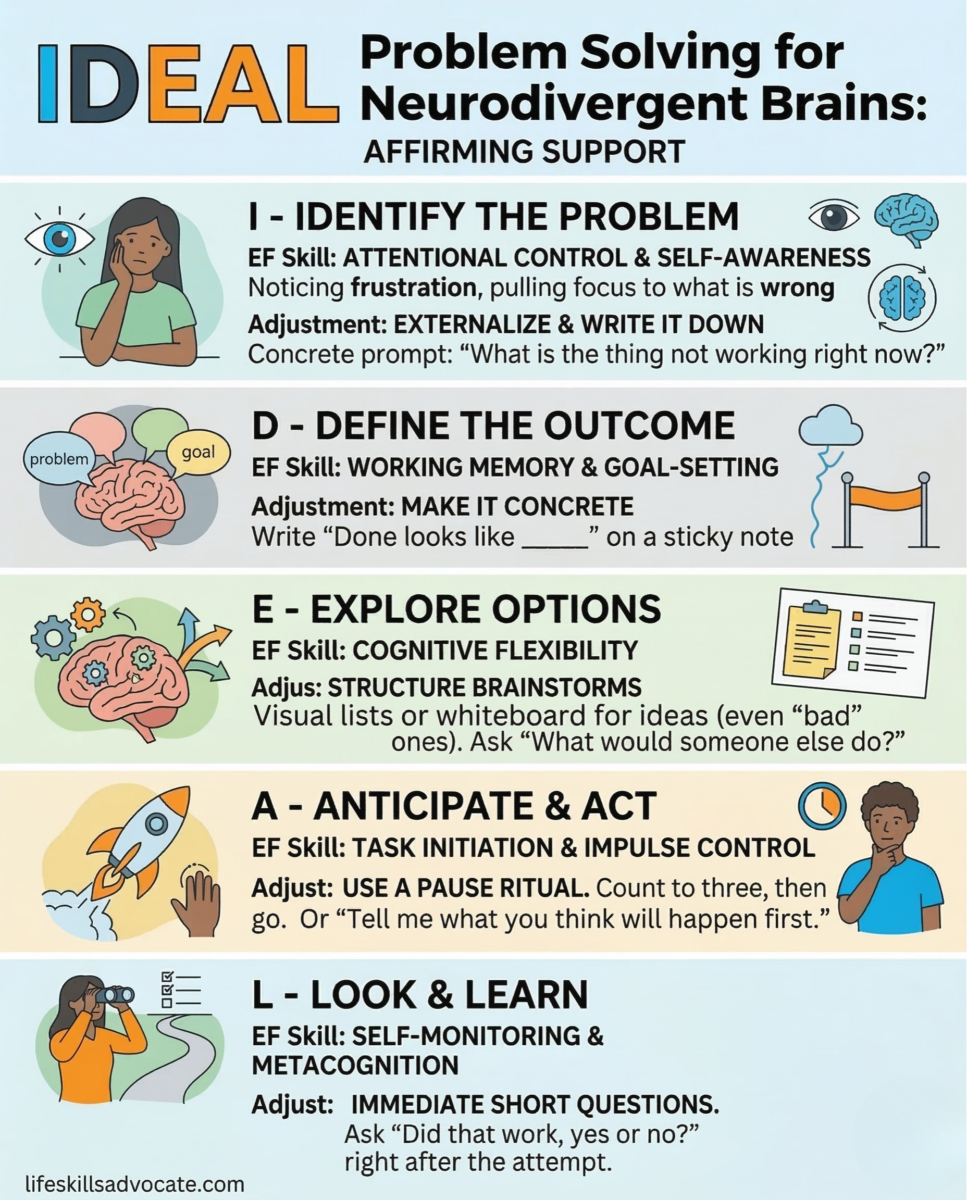
I - Identify the problem (Rapu te raru) D - Define goals (Whāinga) E - Explore options (Rapu rongoā) A - Act on a plan (Mahi) L - Look back and evaluate (Arotake)

The 6-Step Model
1. Identify the problem (Rapu te raru) 2. Analyse the problem (Whakaaro hohonu) 3. Generate possible solutions (Rapu rongoā) 4. Decide on the best solution (Whiriwhiri) 5. Implement the solution (Mahi) 6. Evaluate the outcome (Arotake)

Comparing the Models
{"left":"IDEAL Model: 5 steps, emphasizes goal definition early, action-oriented verbs, suitable for quick problem-solving","right":"6-Step Model: 6 steps, detailed problem analysis, explicit decision-making step, better for complex problems"}
Real-World Scenario: Family Dinner Crisis
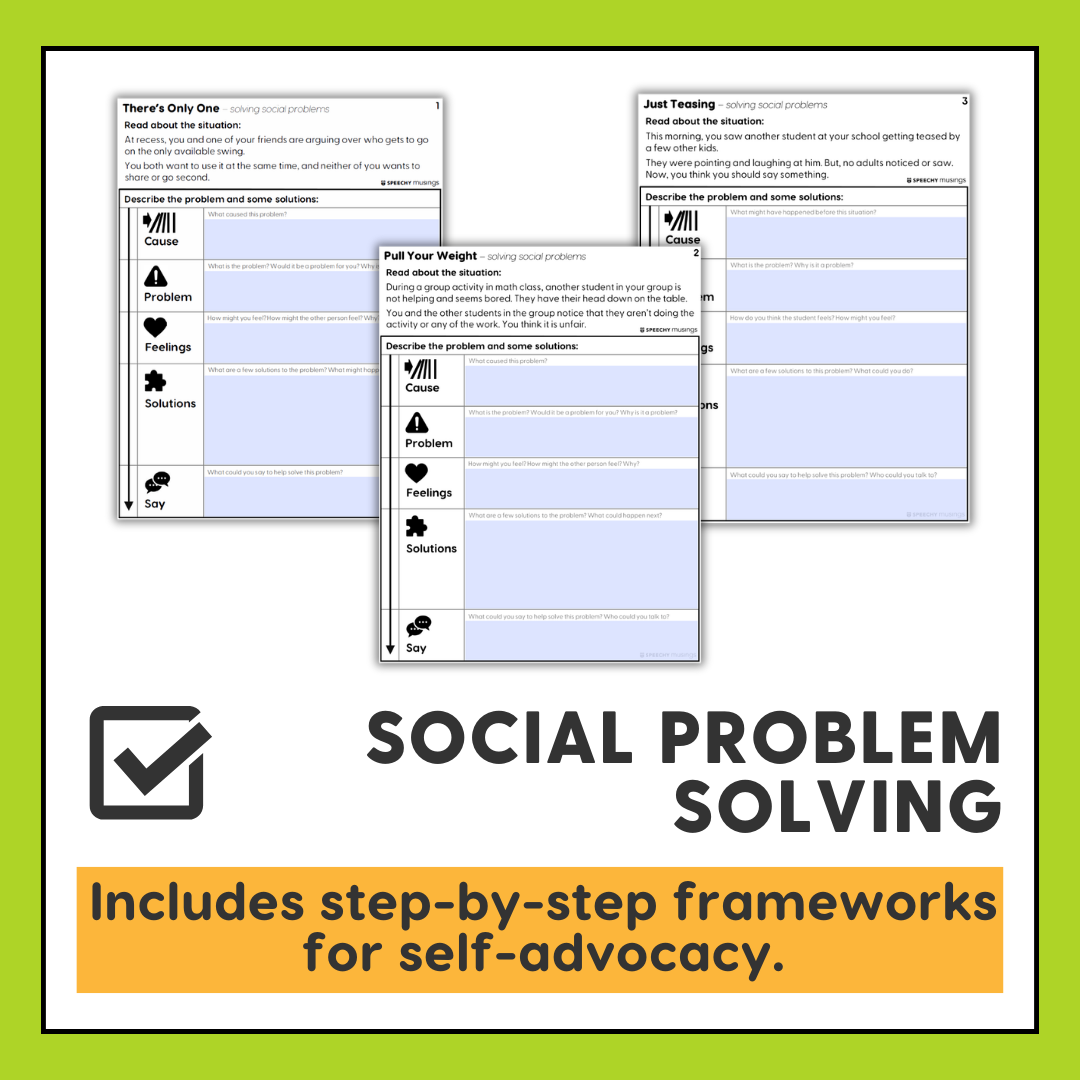
Scenario: Mum can't get home and needs a meal cooked for the family Work together to create a mind map Questions to explore: What is the issue? Why is it a problem? What caused it? Apply one of our problem-solving models

Your Turn: Create a Dinner Plan
Work in pairs or small groups Develop a practical solution to the family dinner scenario Consider: Available ingredients, time restrictions, number of people, nutritional needs This is the 'Act on the plan (Mahi)' step!
Reflection and Next Steps (Arotake)
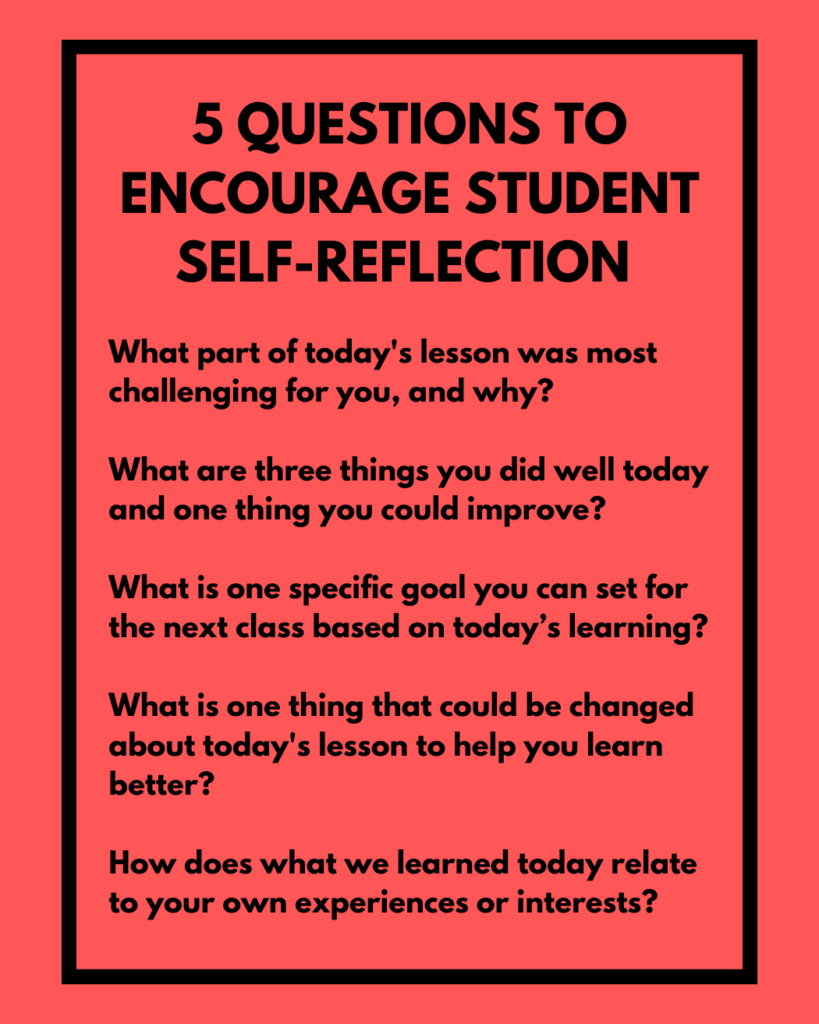
How did using a structured model help your problem-solving? Which model felt more natural to you - IDEAL or 6-step? What challenges did you encounter in the dinner planning activity? How will you apply these models in your Unit Standard 7123 assessment?