
SOUL's Fight for Ihumātao Land Rights
A Social Action Case Study Achievement Standard 91283 Year 12 Social Studies
Background: The Significance of Ihumātao
Ancient Māori settlement site - over 800 years of continuous occupation Sacred burial grounds and archaeological sites Fertile volcanic soil supporting traditional gardening Threatened by Fletcher Building's housing development plans Last undeveloped coastal land in South Auckland

The Formation of SOUL (Save Our Unique Landscape)
Founded in 2016 by young Māori activists Led by Pania Newton and other tangata whenua Grassroots movement combining traditional and modern activism Aimed to protect culturally significant land from development Used social media and peaceful protest methods
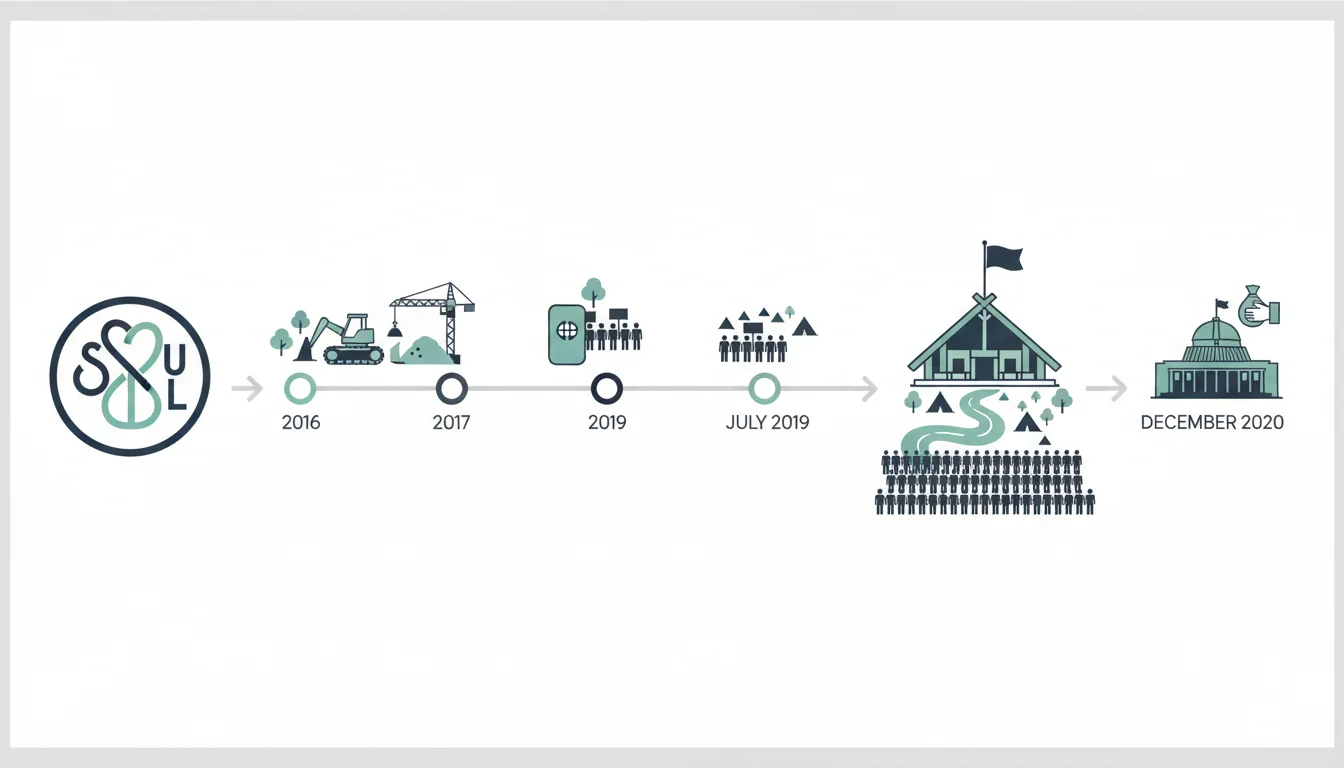
Timeline: Key Events in the Ihumātao Struggle
Rights and Responsibilities in the Ihumātao Conflict
{"left":"Rights: Treaty of Waitangi protections for Māori land and culture\nRights: Freedom of peaceful assembly and protest\nRights: Cultural and spiritual connection to ancestral land\nRights: Democratic participation in land use decisions","right":"Responsibilities: Protecting heritage for future generations\nResponsibilities: Peaceful and lawful protest methods\nResponsibilities: Engaging in democratic processes\nResponsibilities: Respecting different viewpoints and interests"}

Social Action Analysis Activity
In pairs, identify three specific strategies SOUL used Evaluate the effectiveness of each strategy Consider: What made their social action successful? Discuss: How did they balance rights with responsibilities? Present your findings to the class

"This is about more than just land - it's about our identity, our culture, and our future generations." - Pania Newton, SOUL co-founder
Reflects the deeper cultural significance of the struggle Shows how social action connects to identity and values Demonstrates long-term thinking in social movements
Outcomes and Lessons Learned
December 2020: Government purchased land from Fletcher Building Land returned to collective ownership for cultural protection Demonstrated power of sustained, peaceful social action Showed importance of media and public support Highlighted ongoing challenges in Treaty settlements Set precedent for future land rights cases