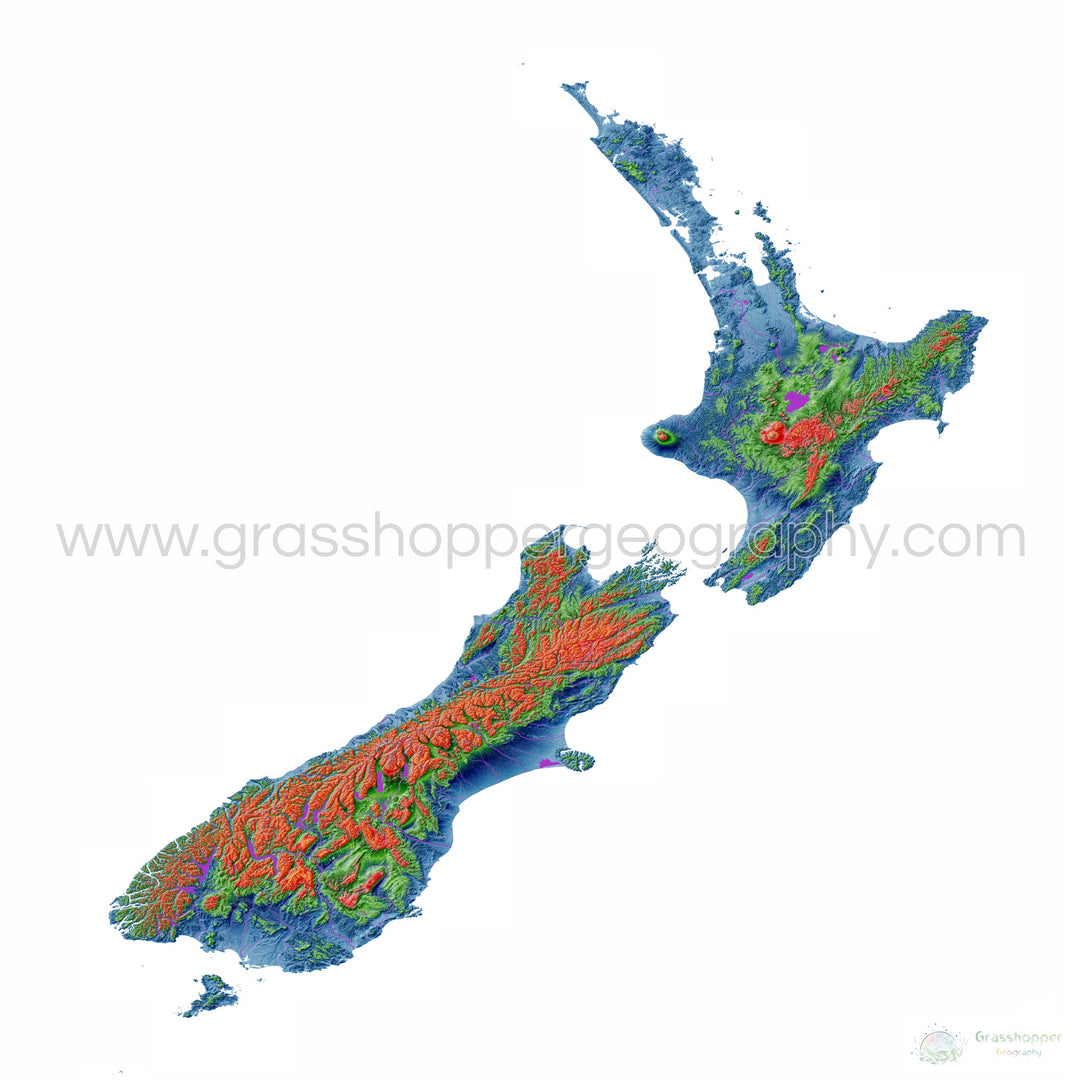
Spatial Patterns: Types and Examples
Understanding how geographic features are distributed across space Year 12 Geography New Zealand Curriculum
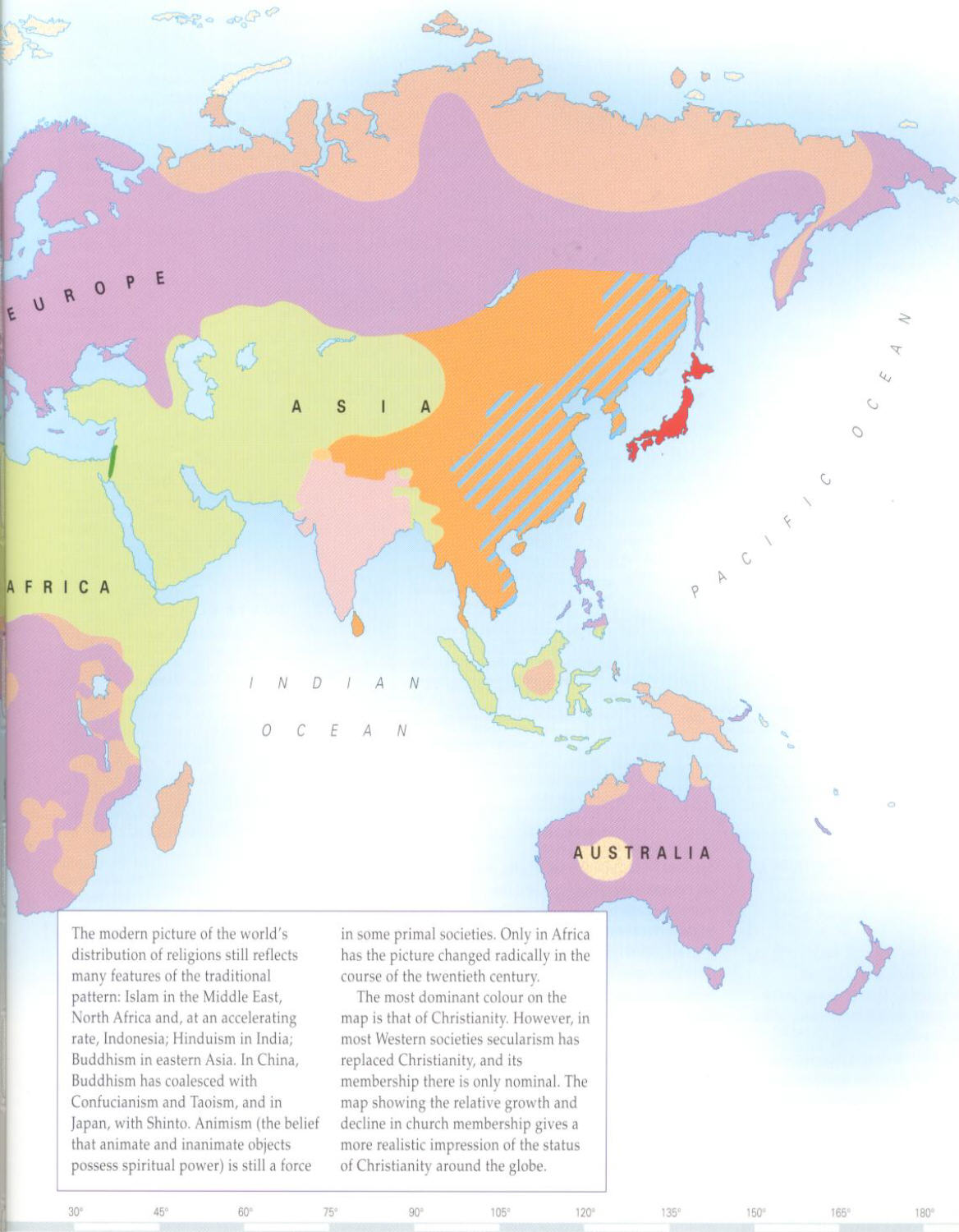
What are Spatial Patterns?
The arrangement and distribution of geographic features across space How phenomena are organized in relation to each other Can be observed at different scales - local, regional, global Include both human and physical geographic features
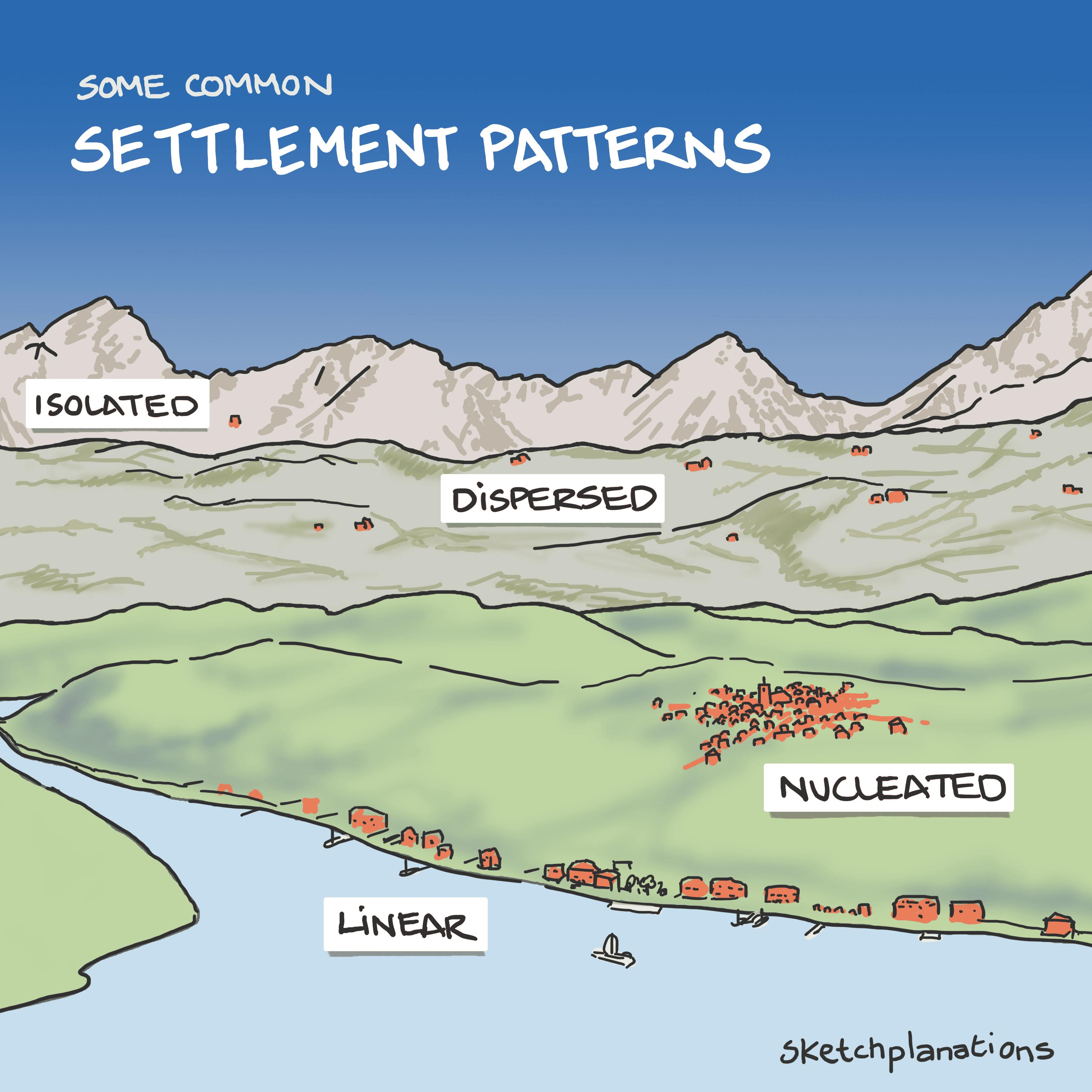
Three Main Types of Spatial Patterns
{"left":"CLUSTERED: Features grouped closely together in specific areas\nDISPERSED: Features spread out evenly across space with regular spacing\nRANDOM: Features distributed with no apparent order or pattern","right":"Examples: Cities clustering near ports\nExamples: Planned agricultural settlements\nExamples: Natural forest distribution"}

Clustered Patterns in New Zealand
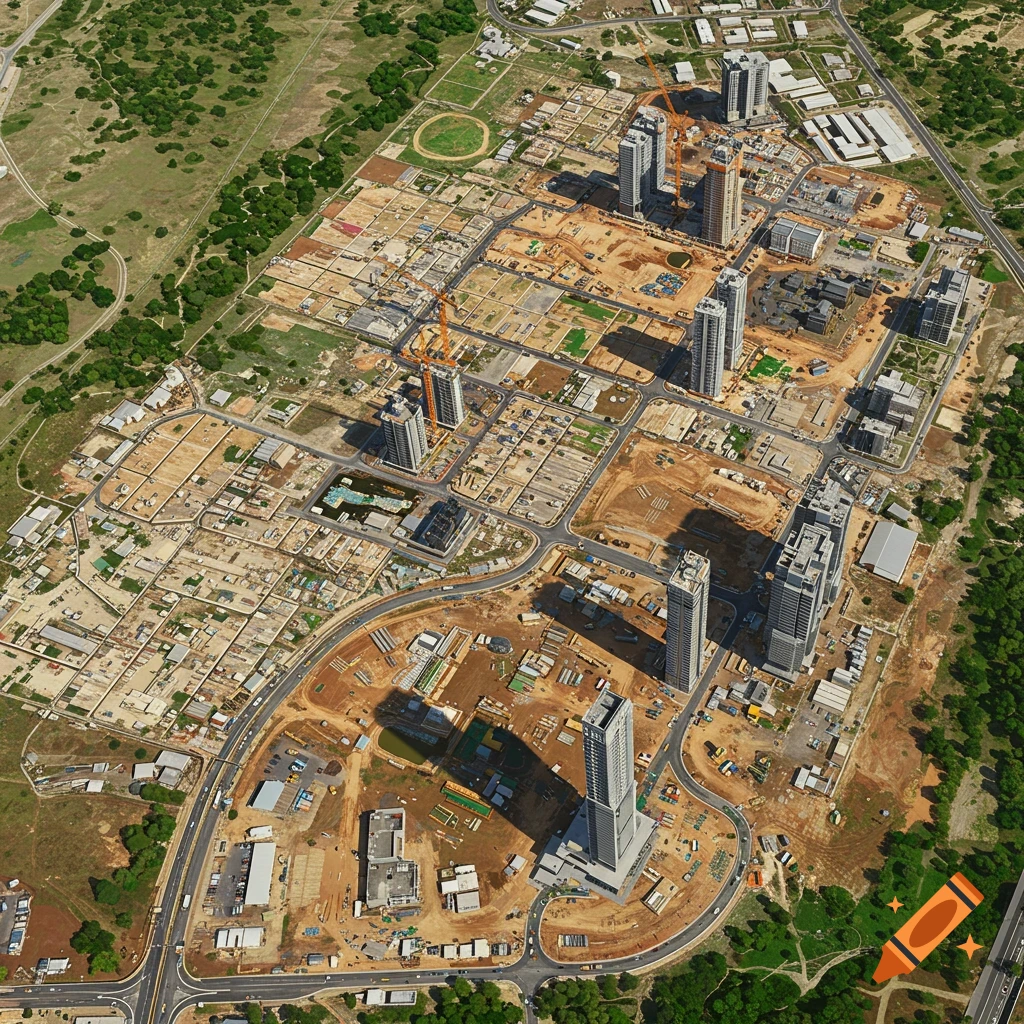
Pattern Recognition Challenge
Examine the aerial image provided Identify whether the pattern is clustered, dispersed, or random Explain what factors might have created this pattern Discuss advantages and disadvantages of this arrangement
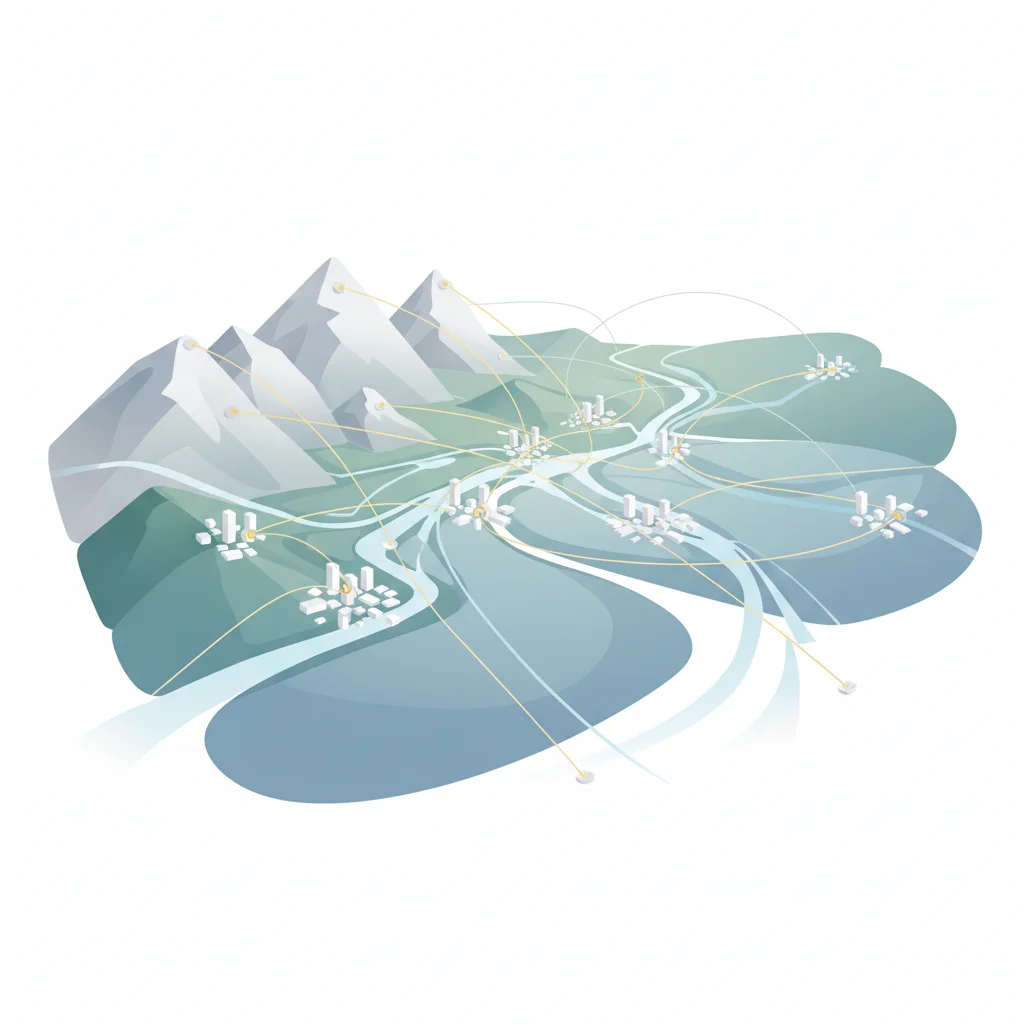
Understanding Spatial Patterns
Geography is not just about knowing where things are, but understanding why they are there and how they relate to each other in space