Squares and Square Roots Mastery
Year 7 Mathematics Understanding exponents and square numbers Finding square roots up to 144
What is a Square Number?
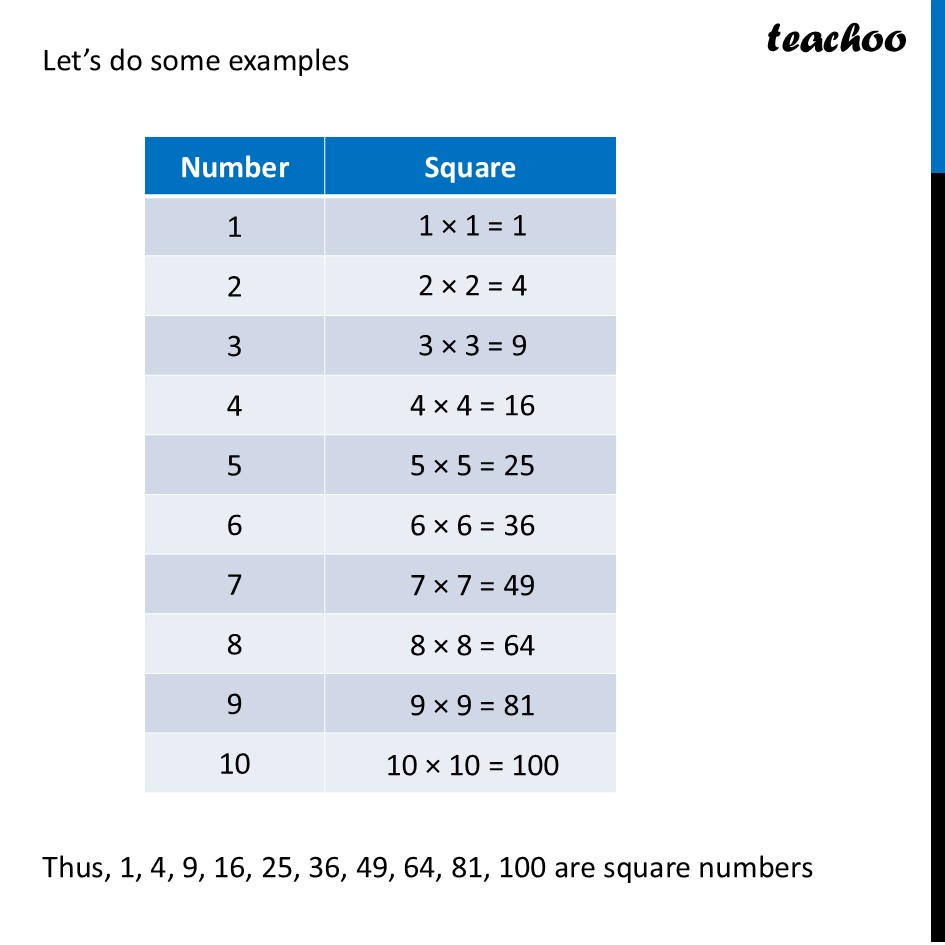
A square number is formed when we multiply a number by itself Examples: 3 × 3 = 9, so 9 is a square number We can write this using exponents: 3² = 9 The small 2 is called an exponent or power
Square Numbers vs Regular Numbers
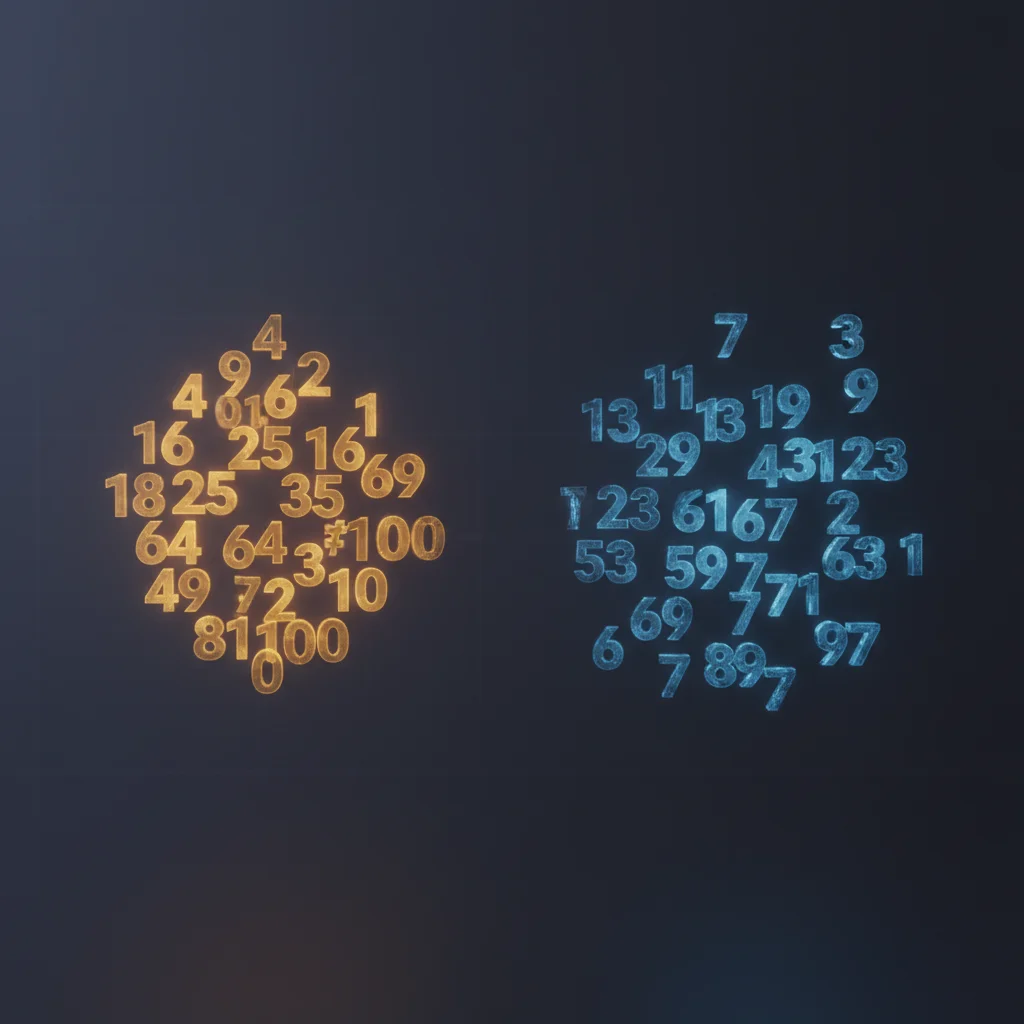
{"left":"Square numbers: 1, 4, 9, 16, 25, 36, 49, 64, 81, 100, 121, 144","right":"Regular numbers: 2, 3, 5, 6, 7, 8, 10, 11, 12, 13, 14, 15"}

Build the Squares
Using blocks or drawings, create visual squares for: 1² = 1 (1×1 square) 2² = 4 (2×2 square) 3² = 9 (3×3 square) 4² = 16 (4×4 square)
Using Exponent Notation
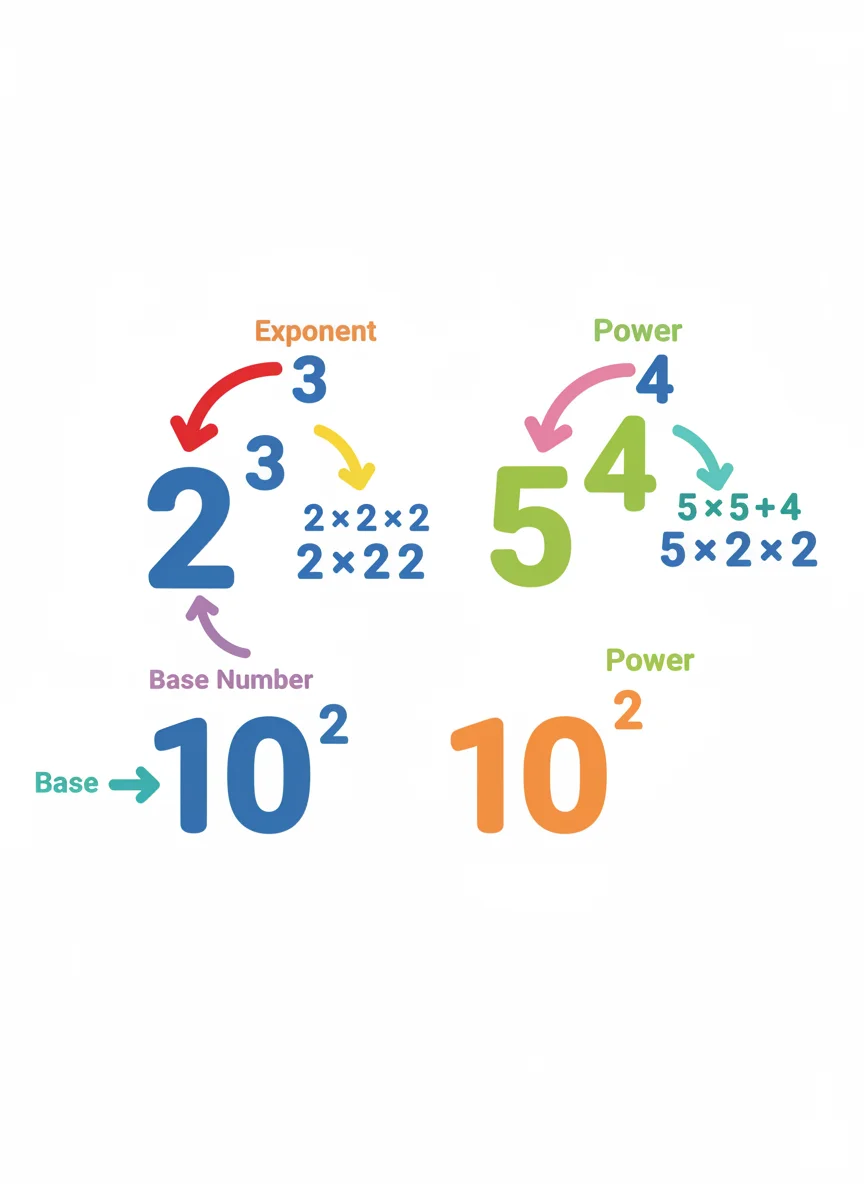
Instead of writing 5 × 5, we write 5² The base number is 5, the exponent is 2 Read as 'five squared' or 'five to the power of two' Examples: 6² = 36, 8² = 64, 10² = 100
Quick Check: Can You Find These?
What is 7²? What is 9²? What is 11²? What is 12²?

What is a Square Root?
A square root 'undoes' squaring If 8² = 64, then √64 = 8 The square root symbol is √ Square root asks: 'What number squared gives me this?'
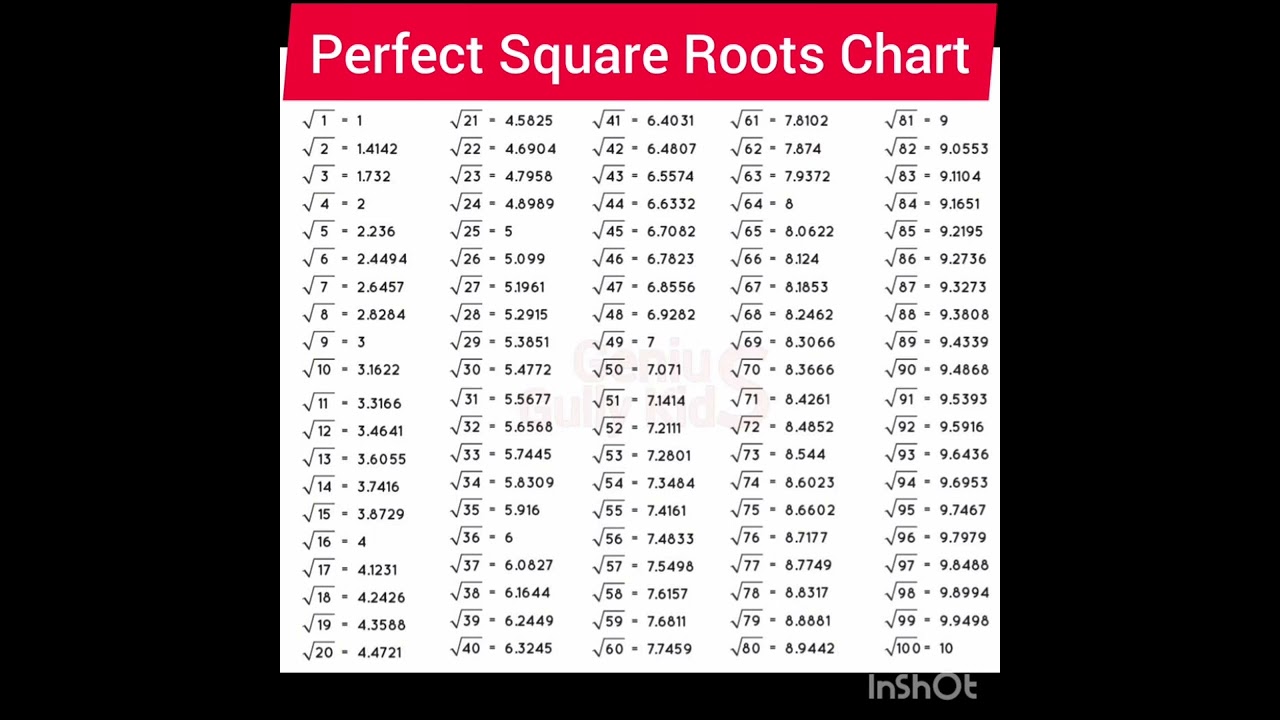
Square Numbers and Their Roots Chart
Square Root Detective
Find the square root of these numbers: √25 = ? √49 = ? √100 = ? √121 = ?

Key Relationship
Squaring and finding square roots are inverse operations If a² = b, then √b = a This relationship helps us solve many mathematical problems
More Math slide decks
Other ready-to-teach math decks for New Zealand classrooms.

Factors and Multiples Made Easy
Factors and Multiples Made Easy
Number Facts and Mental Math
Number Facts and Mental Math

Finding Fractions with Calculator Practice
Finding Fractions with Calculator Practice