
SSR: Proven Academic Gains for Seniors
Sustained Silent Reading in New Zealand Secondary Schools Evidence-based strategies for Year 13 success Building literacy confidence through independent reading
WALT: Understanding SSR Implementation
We Are Learning To identify the core components of effective SSR programmes Examine evidence-based benefits for senior secondary students Develop strategies for successful classroom integration Address common implementation challenges

What Does Research Tell Us About SSR?
How might 20 minutes of daily silent reading impact NCEA achievement? What specific academic skills does SSR develop in Year 13 students?
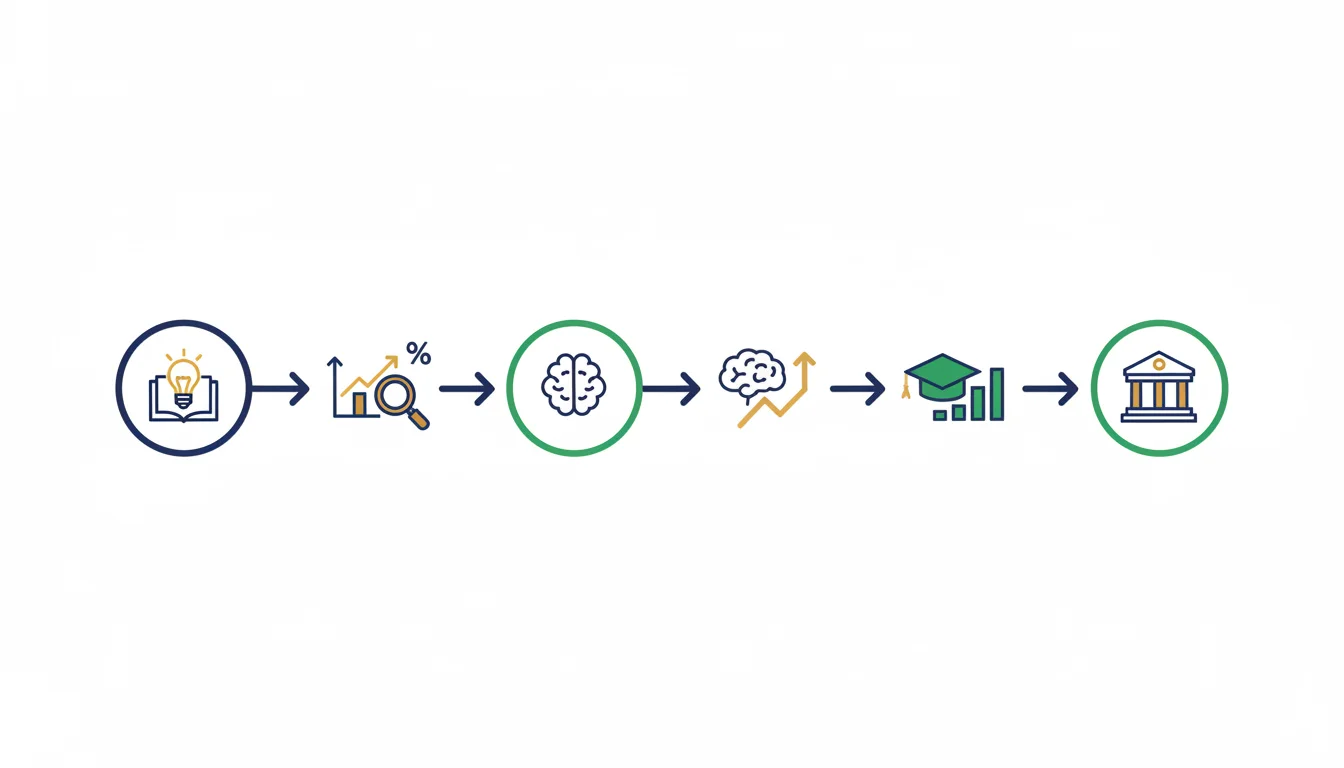
SSR Impact Timeline: 6 Months to 2 Years
The Neuroscience Behind SSR Success
Silent reading activates multiple brain regions simultaneously Sustained focus builds executive function skills crucial for exams Regular reading practice strengthens neural pathways for comprehension Improved working memory directly supports academic writing
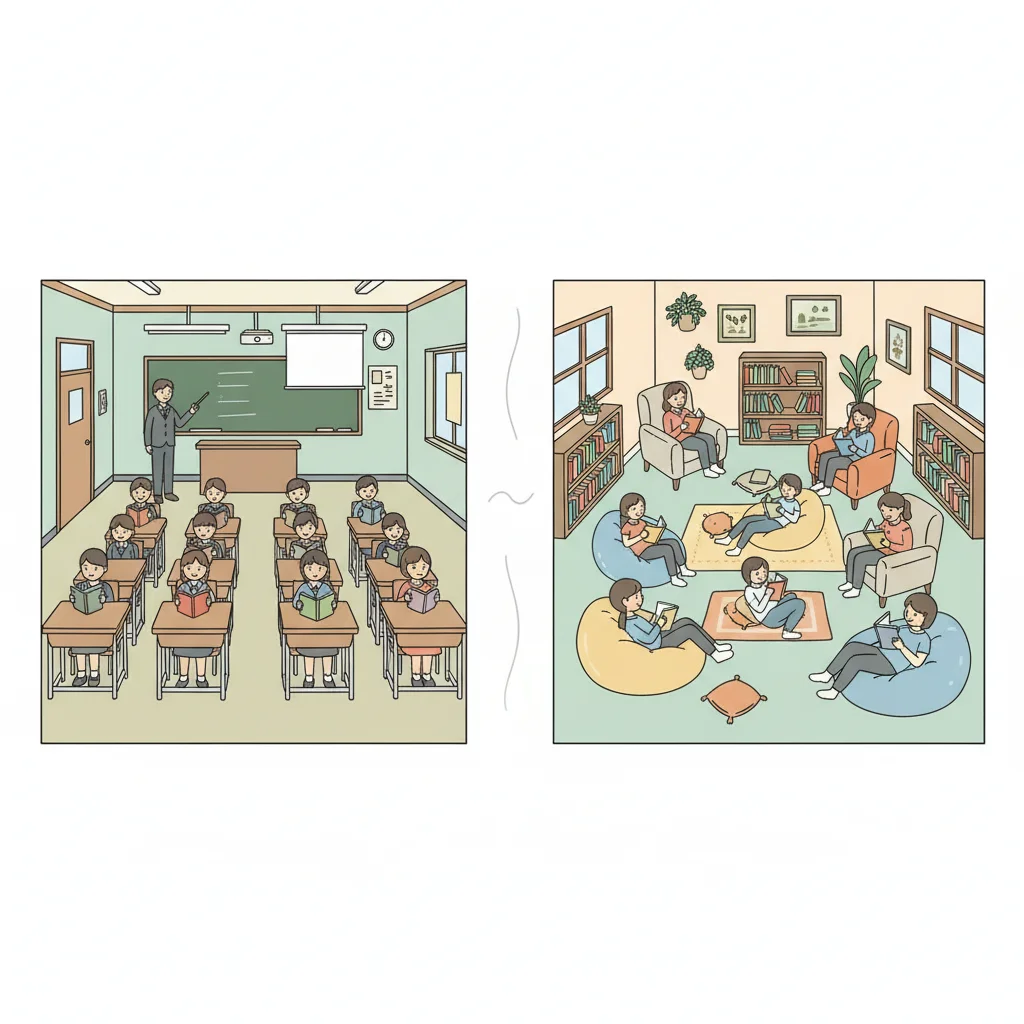
Traditional vs. SSR-Enhanced Classrooms
{"left":"Teacher-directed reading activities\nLimited text variety\nFocus on assessment preparation\nPassive student engagement","right":"Student-choice reading materials\nDiverse genres and formats\nIntrinsic motivation development\nActive, self-directed learning"}
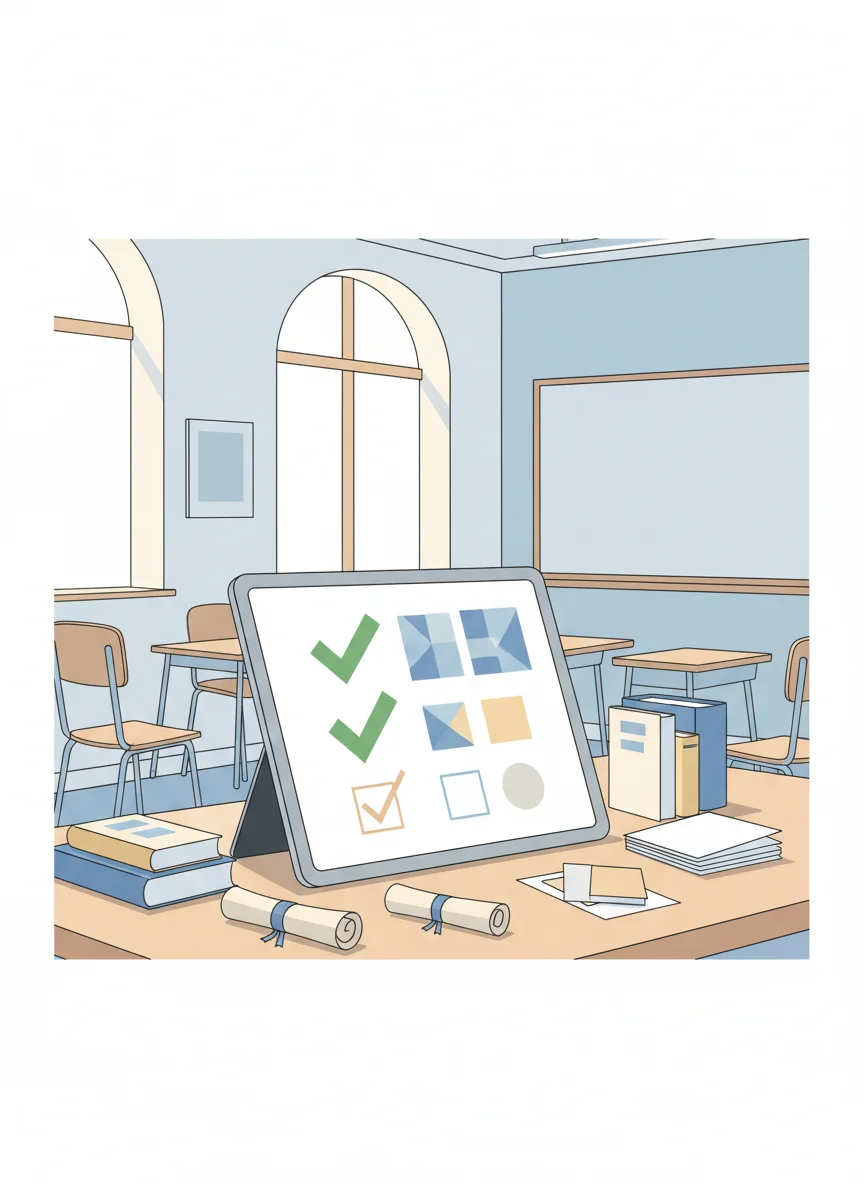
Success Criteria for Effective SSR
Students will self-select appropriate level texts 80% of the time Reading engagement will be sustained for minimum 15-20 minutes Students will demonstrate improved vocabulary in written work Reading confidence will increase as measured by student surveys
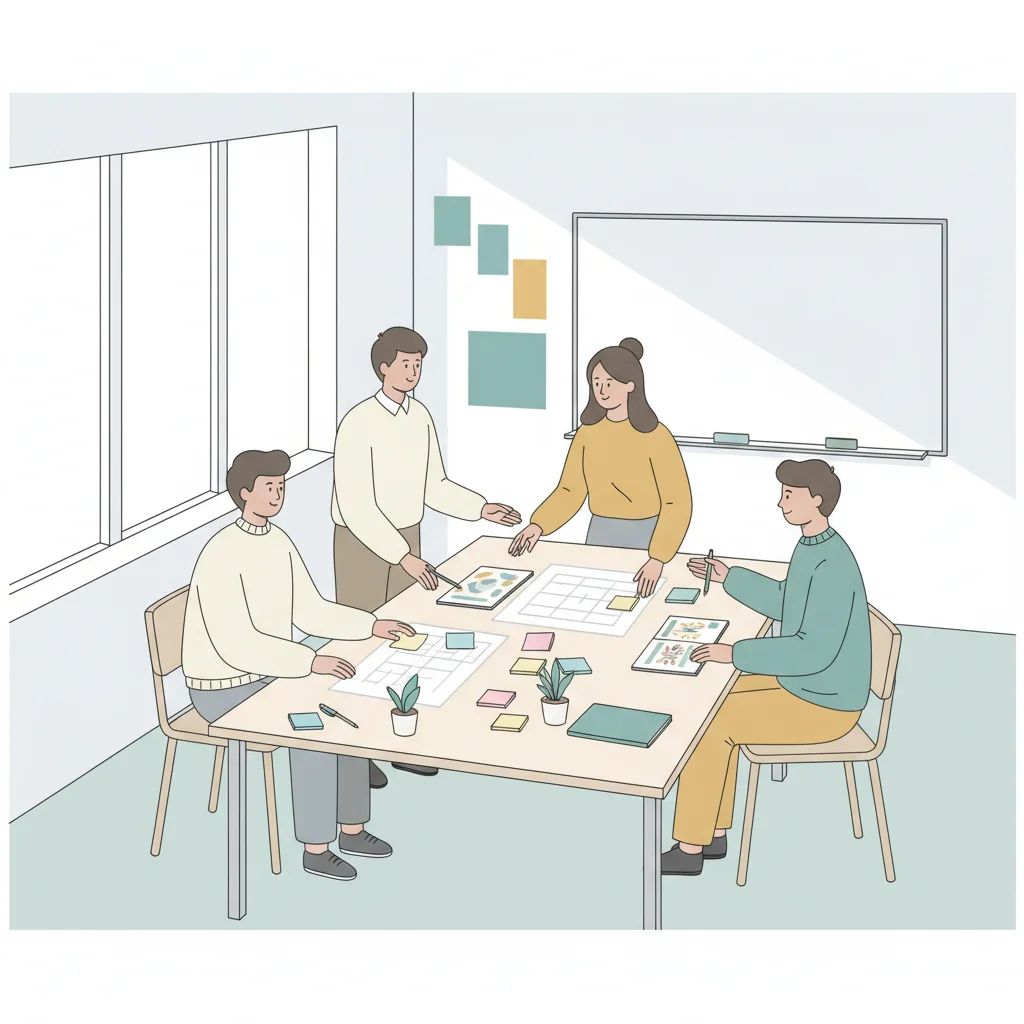
SSR Implementation Planning
Design your 20-minute SSR routine List 5 book selection strategies for reluctant readers Plan your classroom reading environment Create a simple progress tracking system

Evidence from Kiwi Classrooms
'After implementing SSR, our Year 13 students showed a 22% improvement in NCEA Level 3 English achievement. More importantly, they began choosing to read for pleasure.' — Sarah Mitchell, Head of English, Auckland Grammar School

Differentiation Strategies for Diverse Learners
Audio books and digital texts for struggling readers Graphic novels and manga for visual learners Non-fiction options for reluctant fiction readers Peer reading partnerships for social learners Choice of reading location within classroom

Extension Activities for Advanced Learners
Independent literature analysis projects Cross-curricular reading connections Student-led book recommendation systems Reading mentorship roles with younger students Creative response portfolios combining reading with media production
Addressing Common Concerns
'How do I ensure students aren't just pretending to read?' 'What about curriculum coverage time?' 'How do I assess something so subjective?'
4 more slides available after you open the deck.
Download all 16 slides