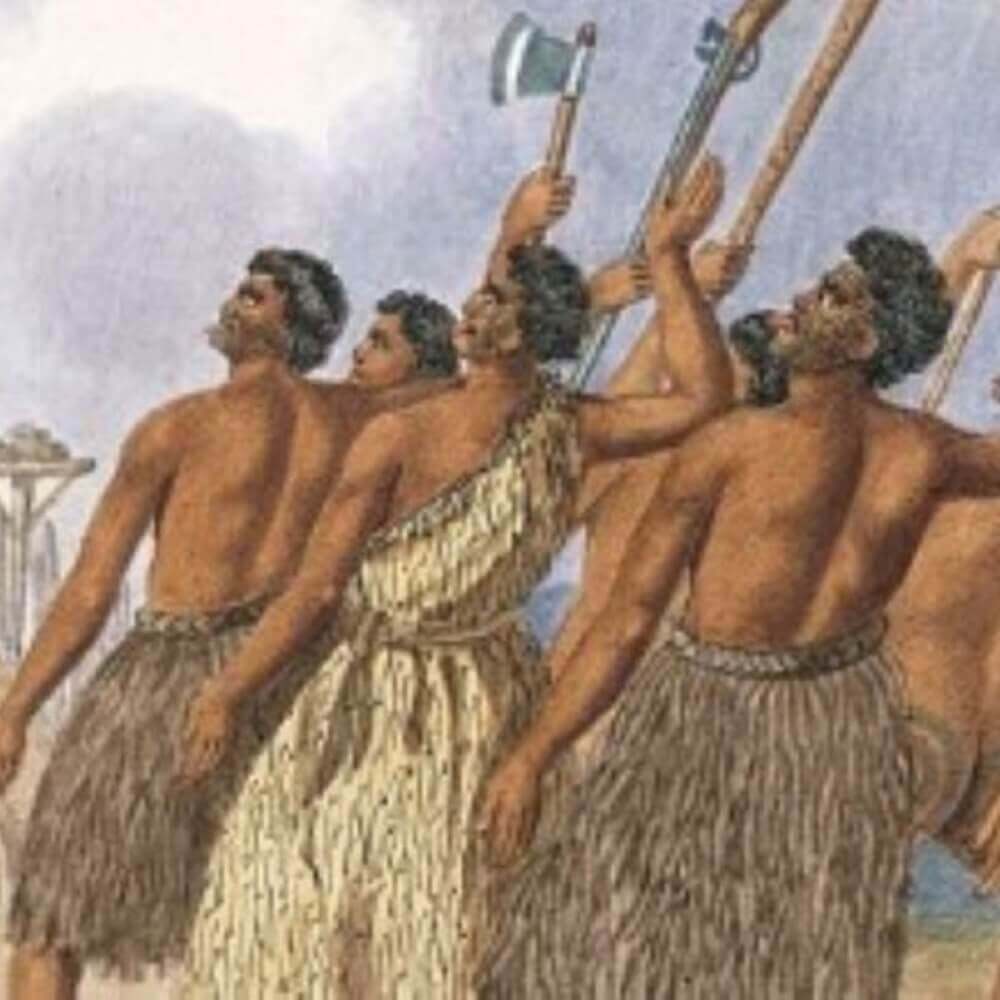
Te Ao Haka Achievement Standards
NCEA Level 1 Te Ao Haka Māori Performing Arts Understanding Assessment Requirements

What is Te Ao Haka?
Traditional Māori performing arts Encompasses haka, waiata, and poi Cultural expression and storytelling Connection to whakapapa and identity

NCEA Level 1 Te Ao Haka Standards Overview
AS 91320: Perform a repertoire of Māori performing arts AS 91321: Demonstrate understanding of a Māori performing arts context AS 91322: Compose or devise a Māori performing arts piece
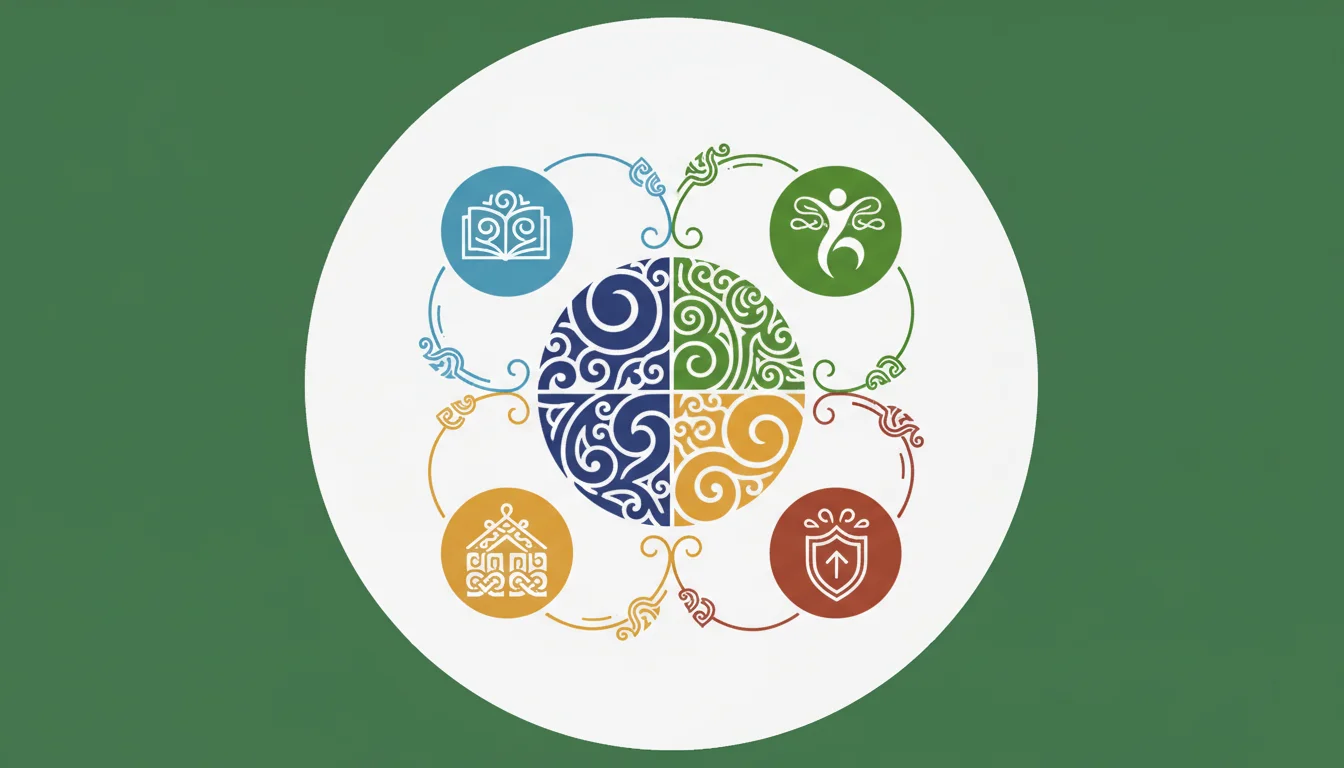
Subject Learning Outcomes Framework

AS 91320: Perform a Repertoire
Individual and group performances Technical skills in haka, waiata, poi Cultural authenticity and respect Performance confidence and expression
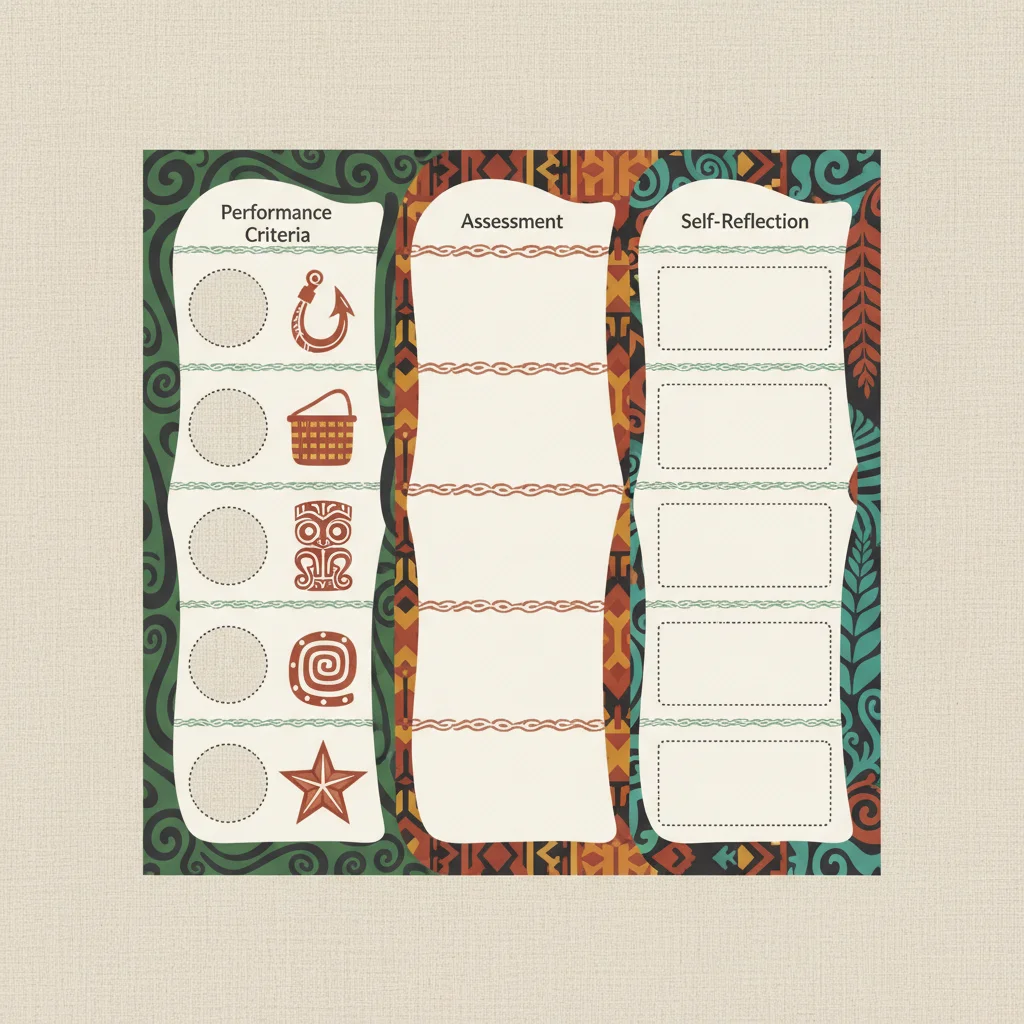
Performance Skills Self-Assessment
Rate your current skills (1-5 scale): Haka movements and posture Vocal projection in waiata Poi coordination and rhythm Cultural understanding and respect
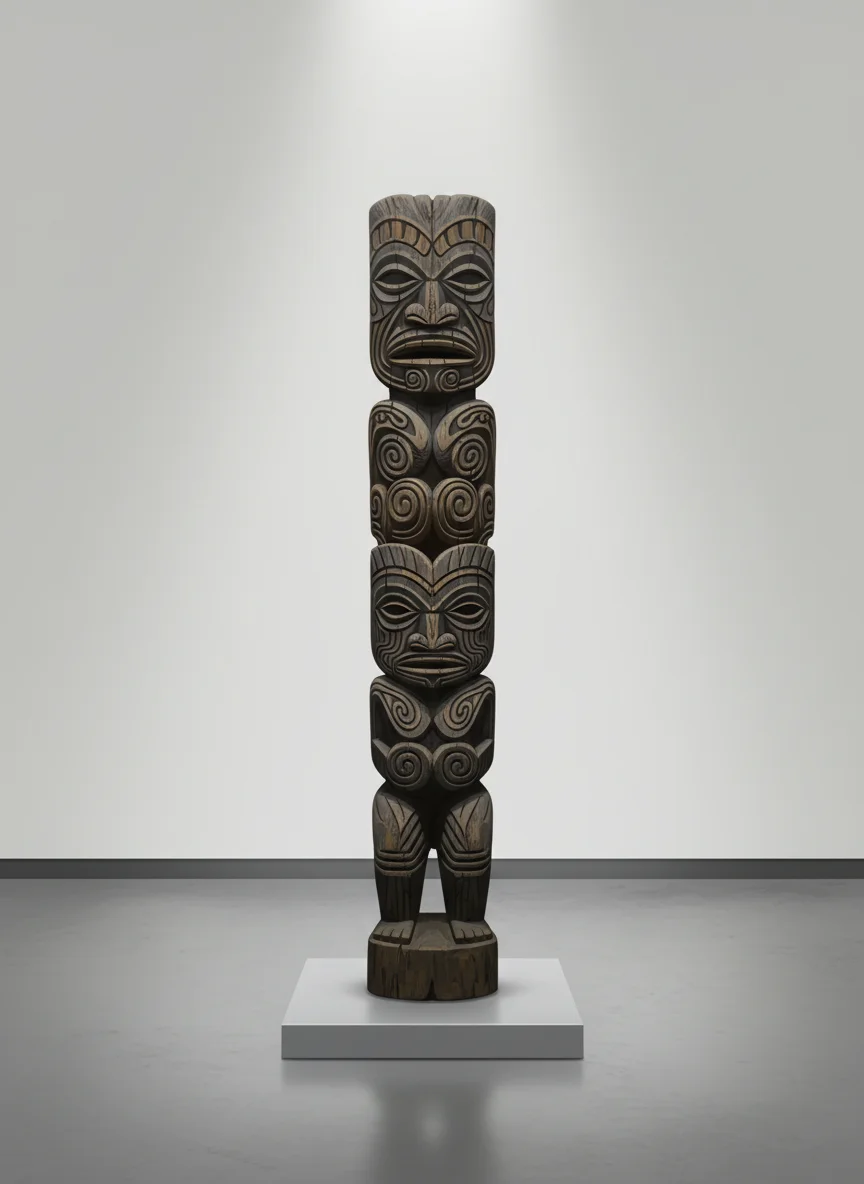
AS 91321: Understanding Context
Historical and cultural significance Regional variations and iwi traditions Contemporary relevance and adaptation Connection to tikanga Māori
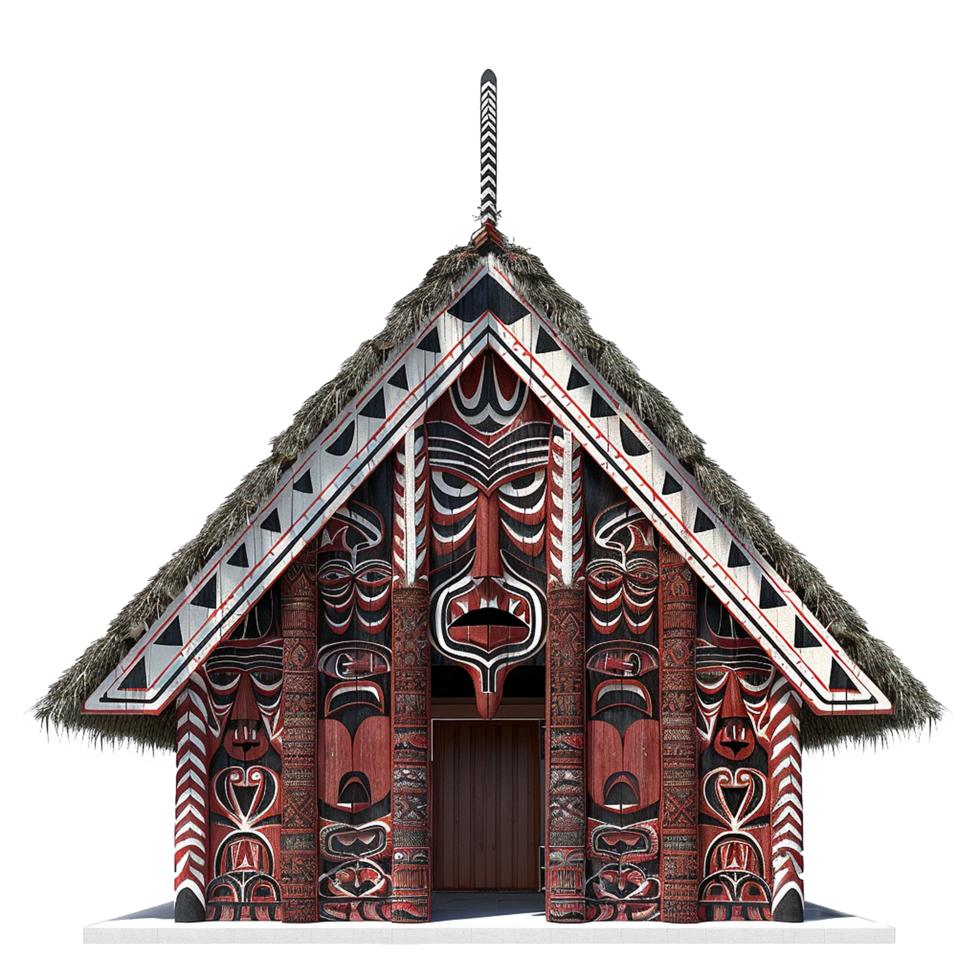
Cultural Context Discussion
How does haka connect performers to their ancestors? What role does waiata play in Māori storytelling? How do regional differences reflect iwi identity?
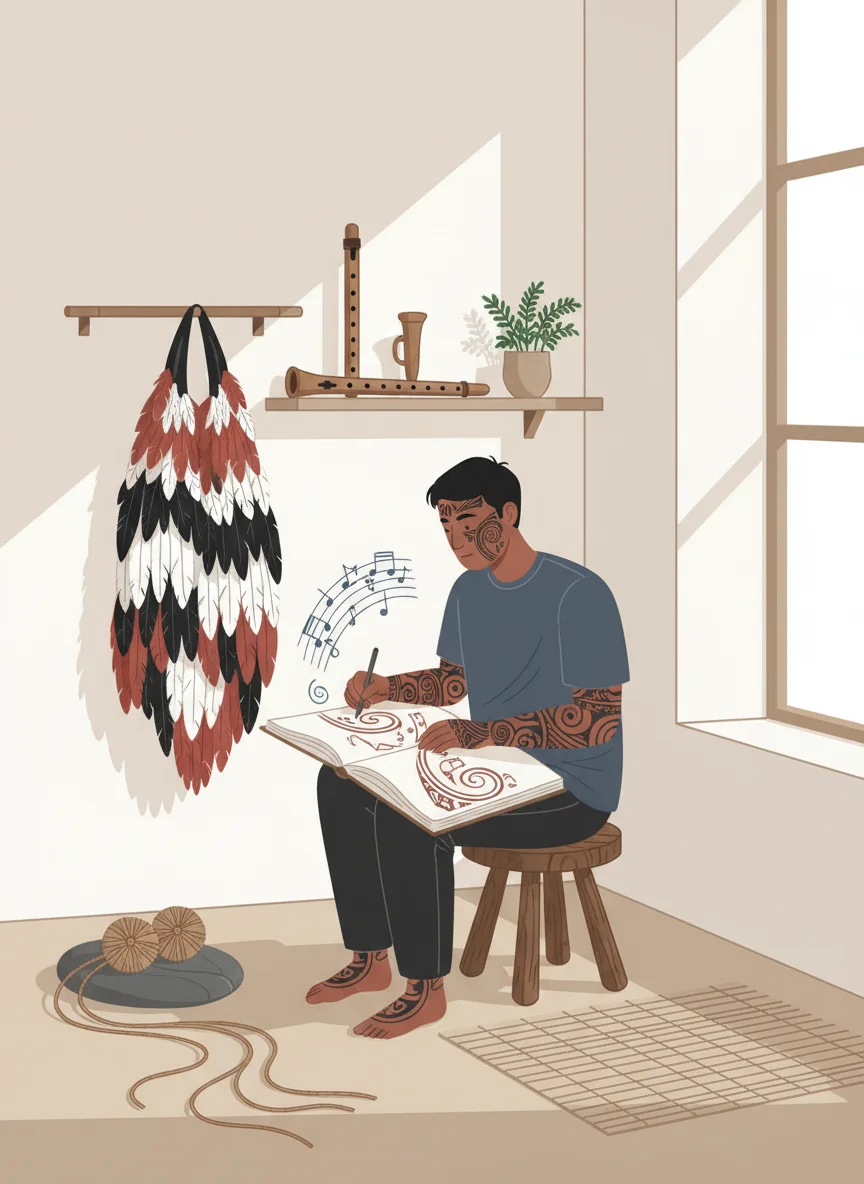
AS 91322: Compose or Devise
Creating original Māori performing arts pieces Incorporating traditional elements appropriately Reflecting personal or community narratives Demonstrating cultural sensitivity and authenticity
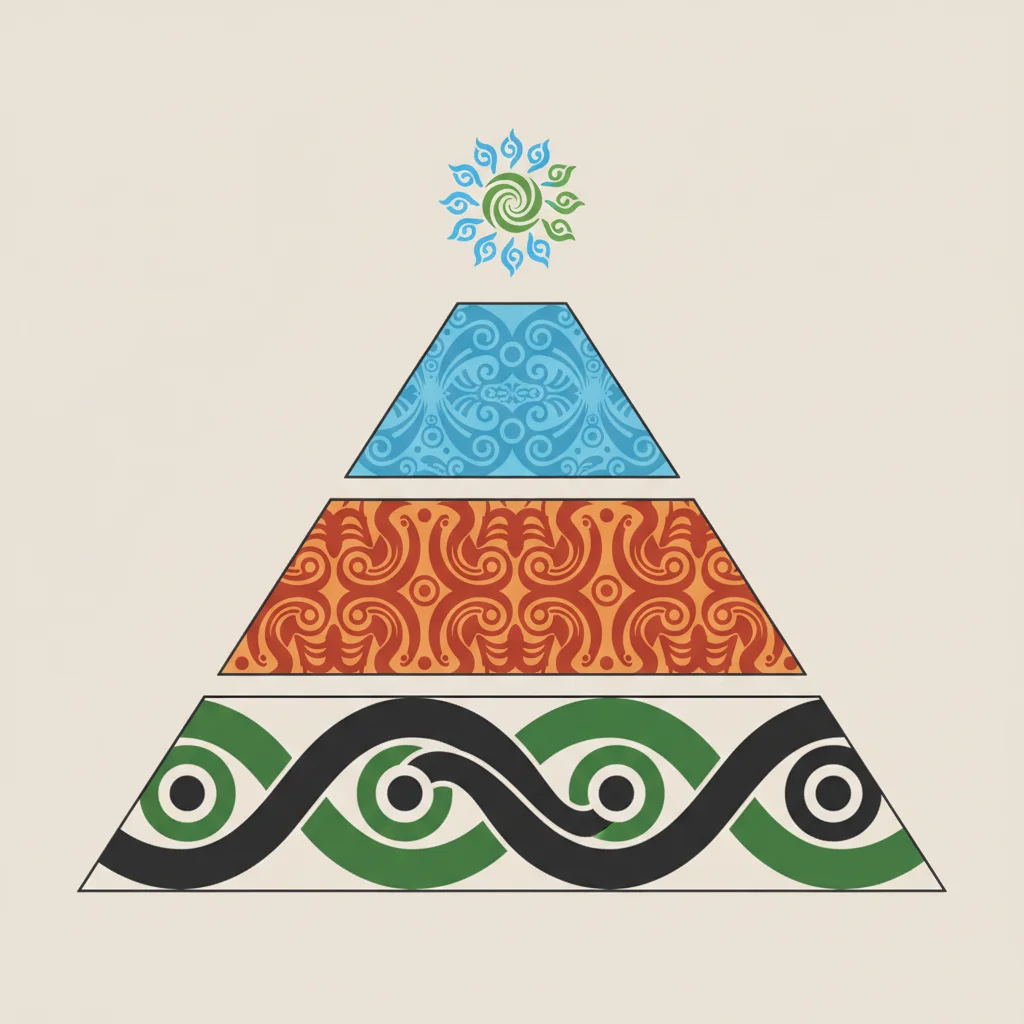
Assessment Levels Explained
{"left":"Achieved: Demonstrates competent performance and basic understanding\nMerit: Shows proficient performance with clear cultural understanding","right":"Excellence: Displays outstanding performance with sophisticated cultural insight\nConsistent quality across all assessment criteria"}
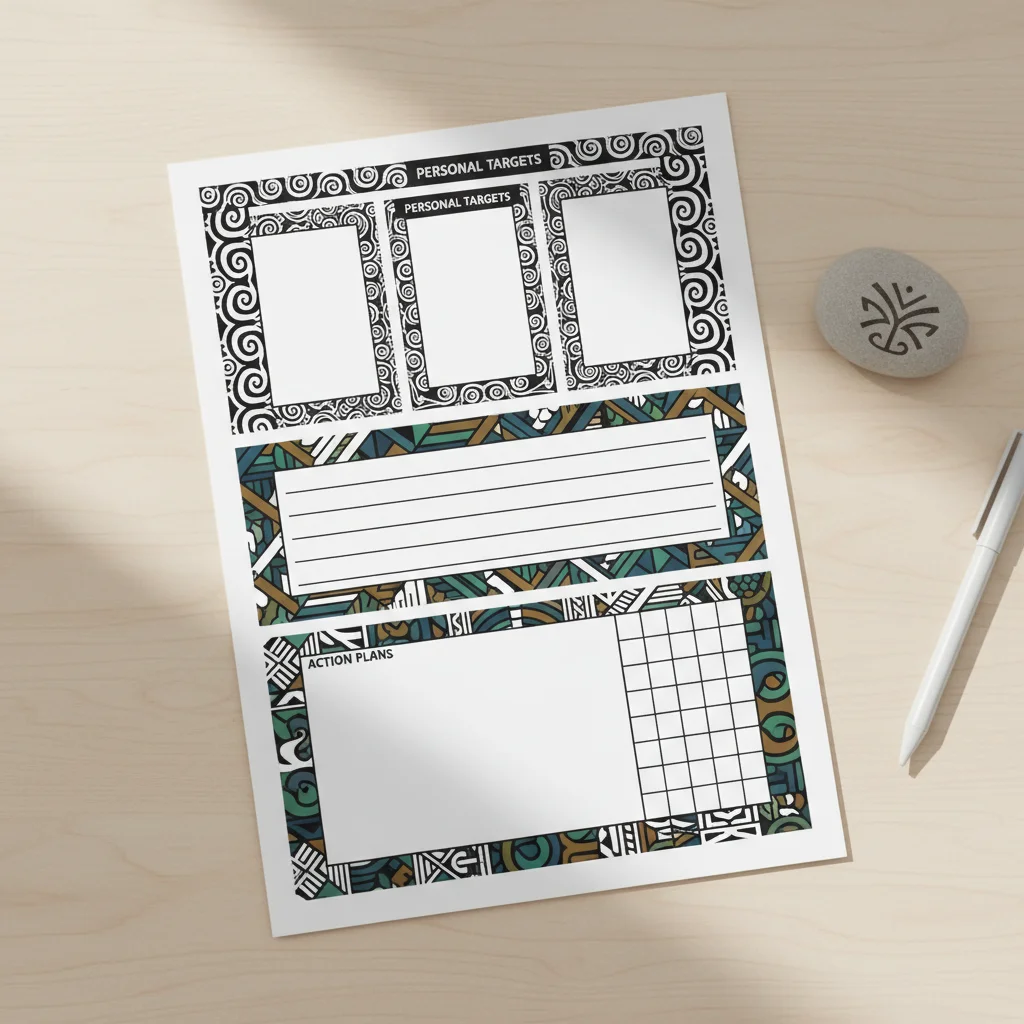
Goal Setting Workshop
Choose your target achievement level Identify specific skills to develop Create a practice schedule Find cultural mentors or kaumātua
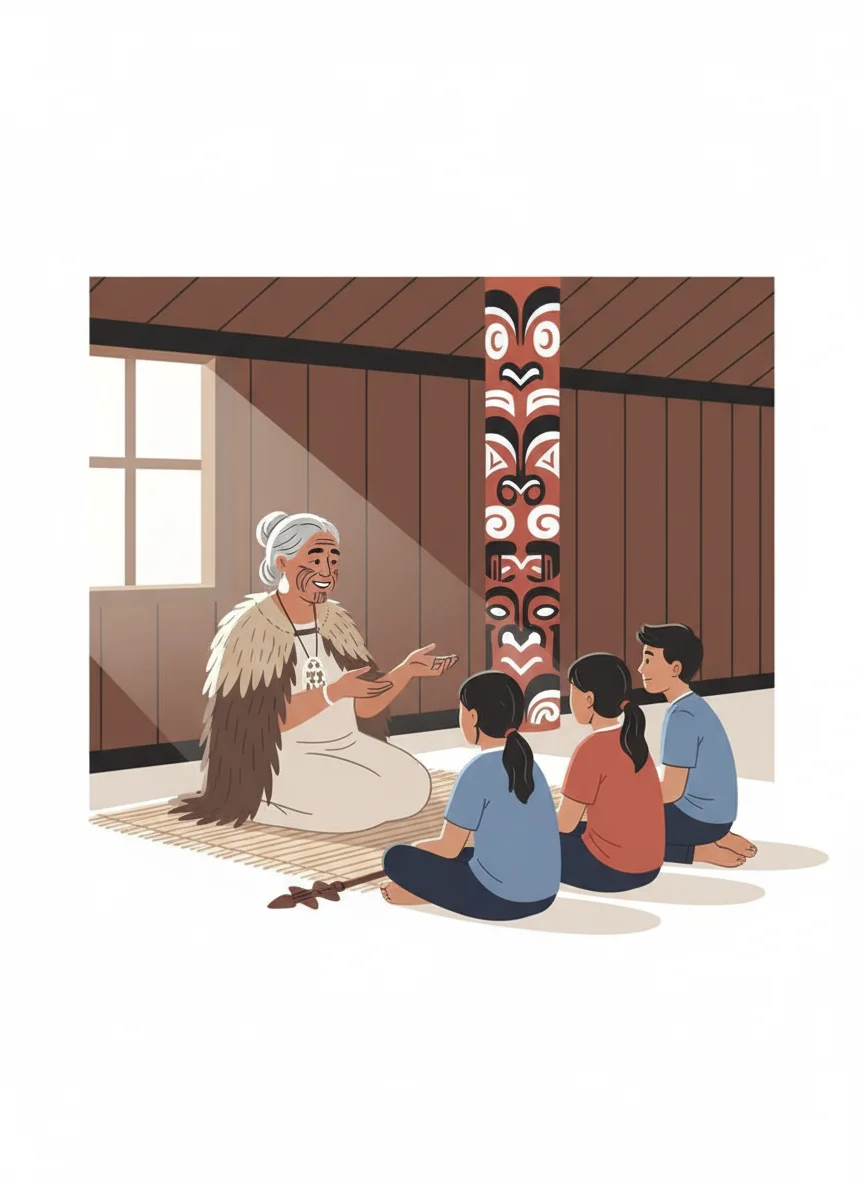
Cultural Protocols and Respect
Understanding tapu and noa concepts Appropriate use of traditional elements Seeking permission and guidance Respecting intellectual property
8 more slides available after you open the deck.
Download all 20 slides