Te Ao Haka: Māori Dance and Culture
Exploring the rich tradition of Māori performing arts Understanding cultural significance and movements Year 7 Social Sciences
What is Te Ao Haka?
Te Ao = 'The World' Haka = Traditional Māori war dance Combines chanting, dancing, and fierce expressions Performed by groups in unison Expresses strength, pride, and unity
Types of Haka
{"left":"Haka Taparahi - without weapons\nHaka Peruperu - with weapons\nHaka Ngeri - short, sharp haka","right":"Haka Kaioraora - ceremonial haka\nHaka Pohiri - welcoming haka\nHaka Whakawhiti - challenge haka"}
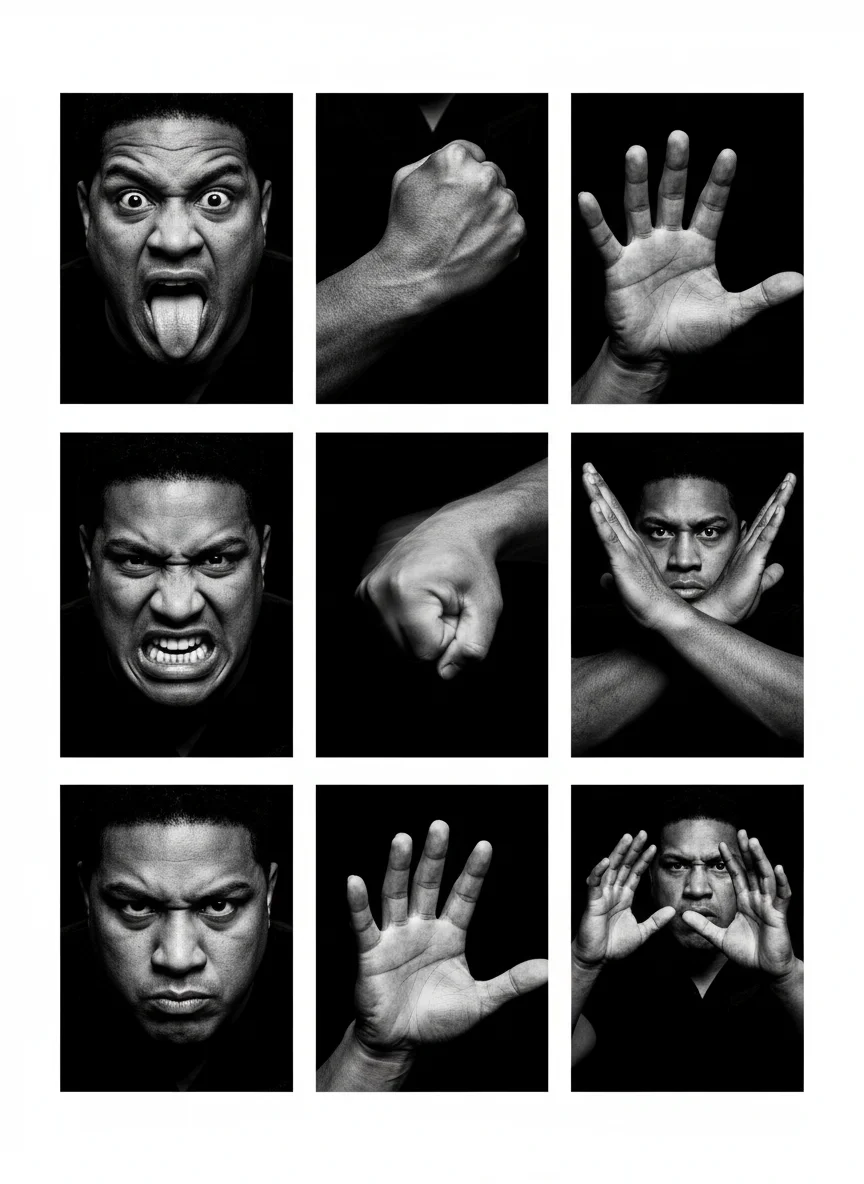
Key Movements and Gestures
Pūkana - fierce facial expressions Whetero - protruding tongue Ngangahu - wide eyes Wiriwiri - trembling hands Takahi - stamping feet Each movement has specific meaning
Practice Activity: Basic Haka Movements
Stand with feet shoulder-width apart Practice pūkana (fierce face) Try wiriwiri (trembling hands) Stomp feet in rhythm Remember - it's about expressing strength and unity!
Traditional Costumes and Adornments
Piupiu - flax skirt worn by both men and women Kahu - feathered cloak for special occasions Tā moko - traditional tattoos Bone and greenstone ornaments Natural materials from Aotearoa Each piece has cultural significance
Reflection and Discussion
How does haka help preserve Māori culture? Why is it important to perform haka with respect? What role does haka play in modern New Zealand? How can we show appreciation for Māori culture?
1 more slide available after you open the deck.
Download all 8 slides