Te Huia: Māori Educational Wellbeing Model
A holistic approach to student wellbeing Developed by Sonja Macfarlane Building on Te Whare Tapa Whā for education
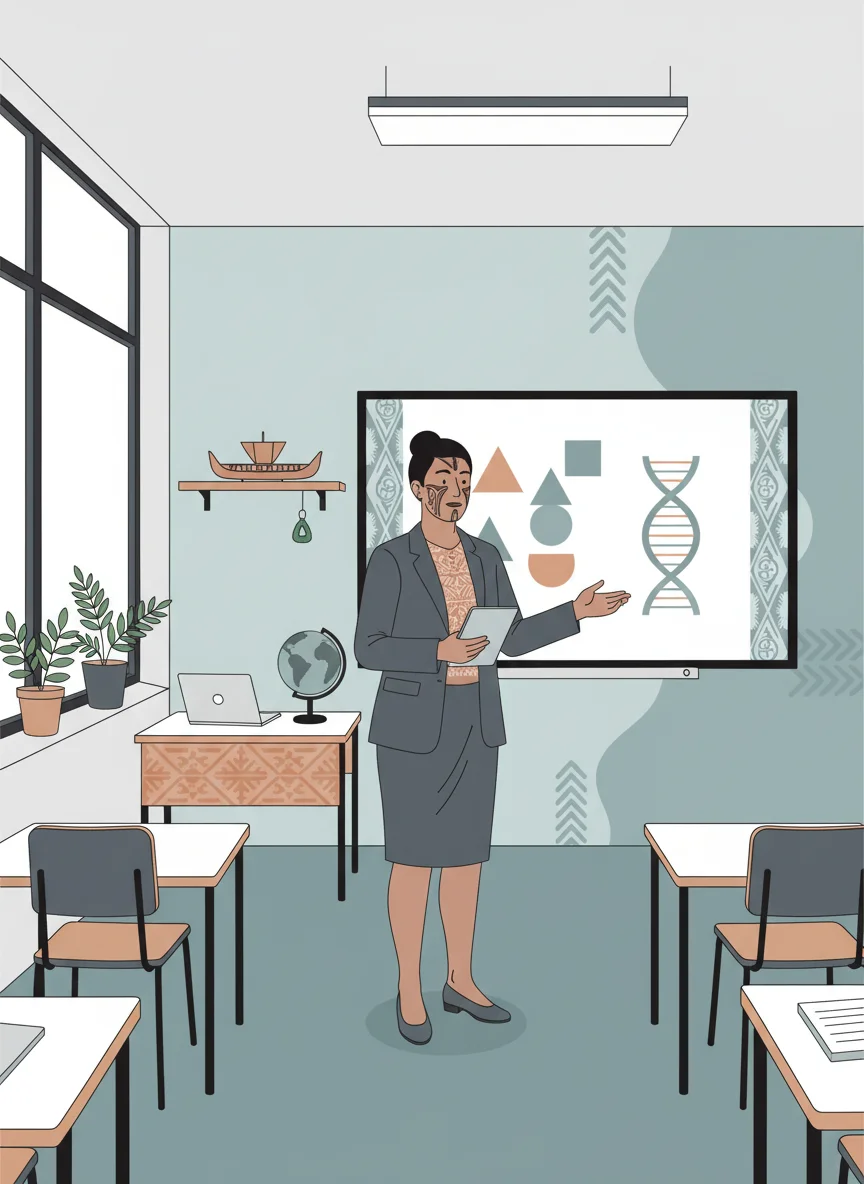
What is Te Huia?
Educational wellbeing model by Sonja Macfarlane (Ngāi Tahu; Ngāti Waewae) Based on Te Whare Tapa Whā but adapted for schools Holistic approach considering the whole learner Culturally grounded in te ao Māori Designed specifically for education settings
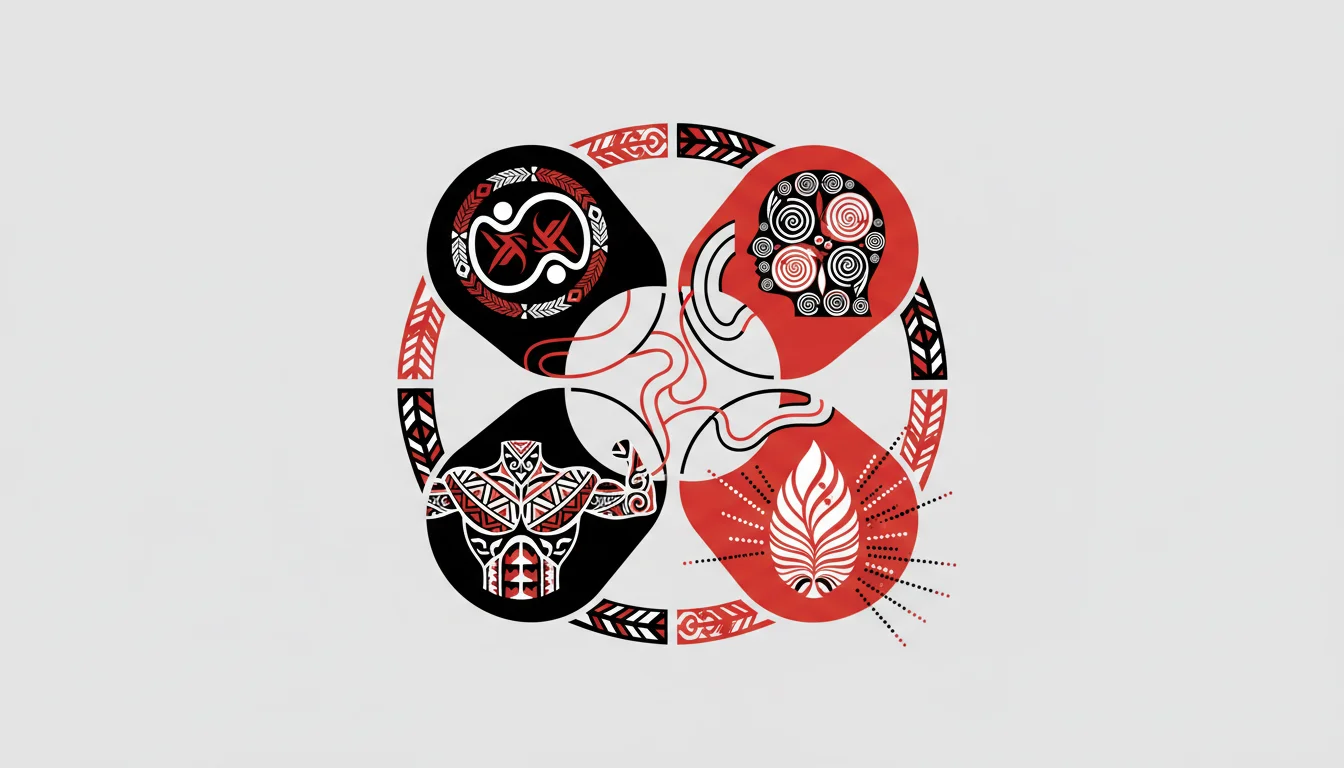
The Four Domains of Te Huia
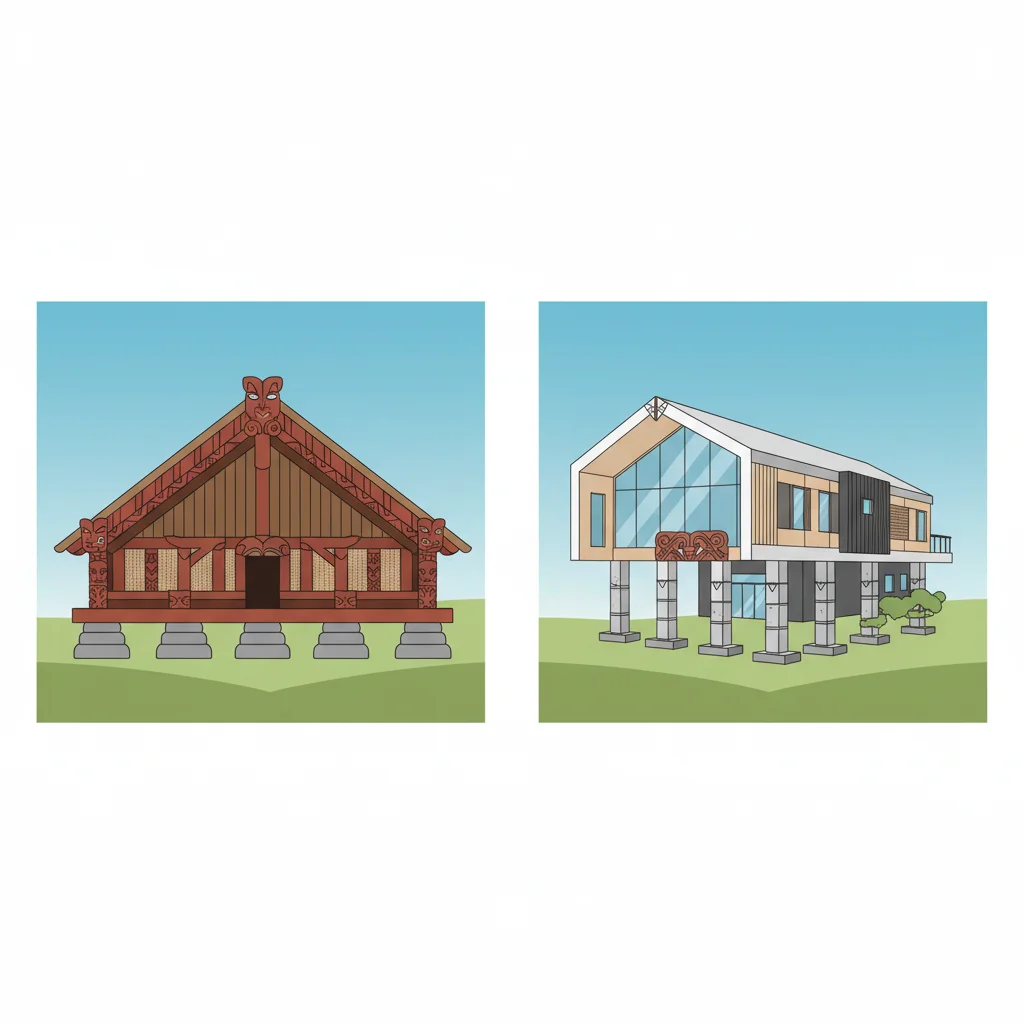
Similarities and Differences with Te Whare Tapa Whā
{"left":"Both are holistic Māori models\nBoth have four key areas of wellbeing\nBoth recognise interconnected wellbeing\nBoth value cultural identity and relationships","right":"Te Huia has 4 domains + 12 supporting dimensions\nTe Huia is specifically designed for education\nTe Huia provides more detailed guidance for teachers\nStronger focus on motivation and learning"}
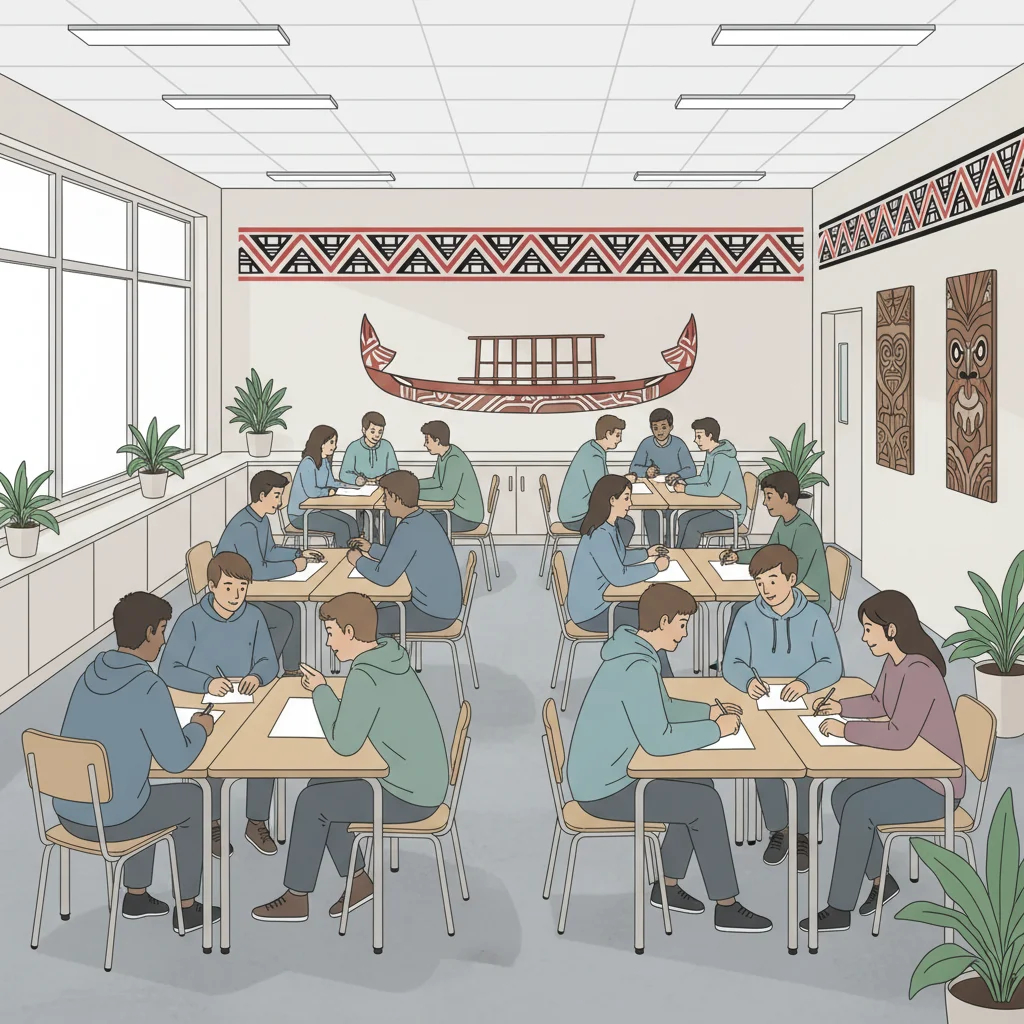
The 12 Dimensions Activity
Work in groups of 4 Each group takes one domain (Hononga, Hinengaro, Tinana, Mauri) Brainstorm 3 dimensions that might support your domain Think about school situations where this would apply Present your ideas to the class
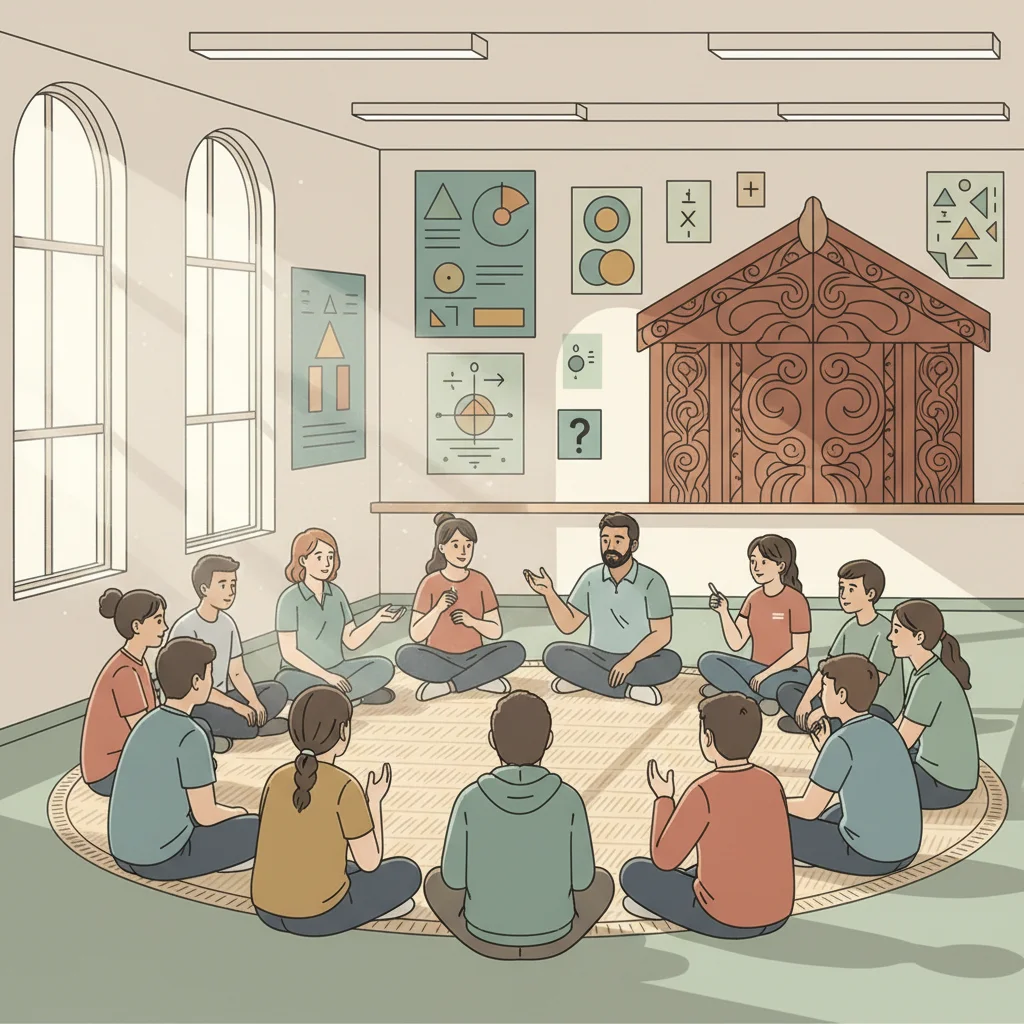
Reflection: Te Huia in Practice
How could teachers use Te Huia to support student wellbeing? What advantages might this model have in New Zealand schools? What challenges might schools face when implementing Te Huia? How does this connect to your own educational experiences?
More Health/Social Studies slide decks
Other ready-to-teach health/social studies decks for New Zealand classrooms.