
The Roots of Jazz and Blues
Exploring African American Musical Heritage Year 8 Music 60 minutes
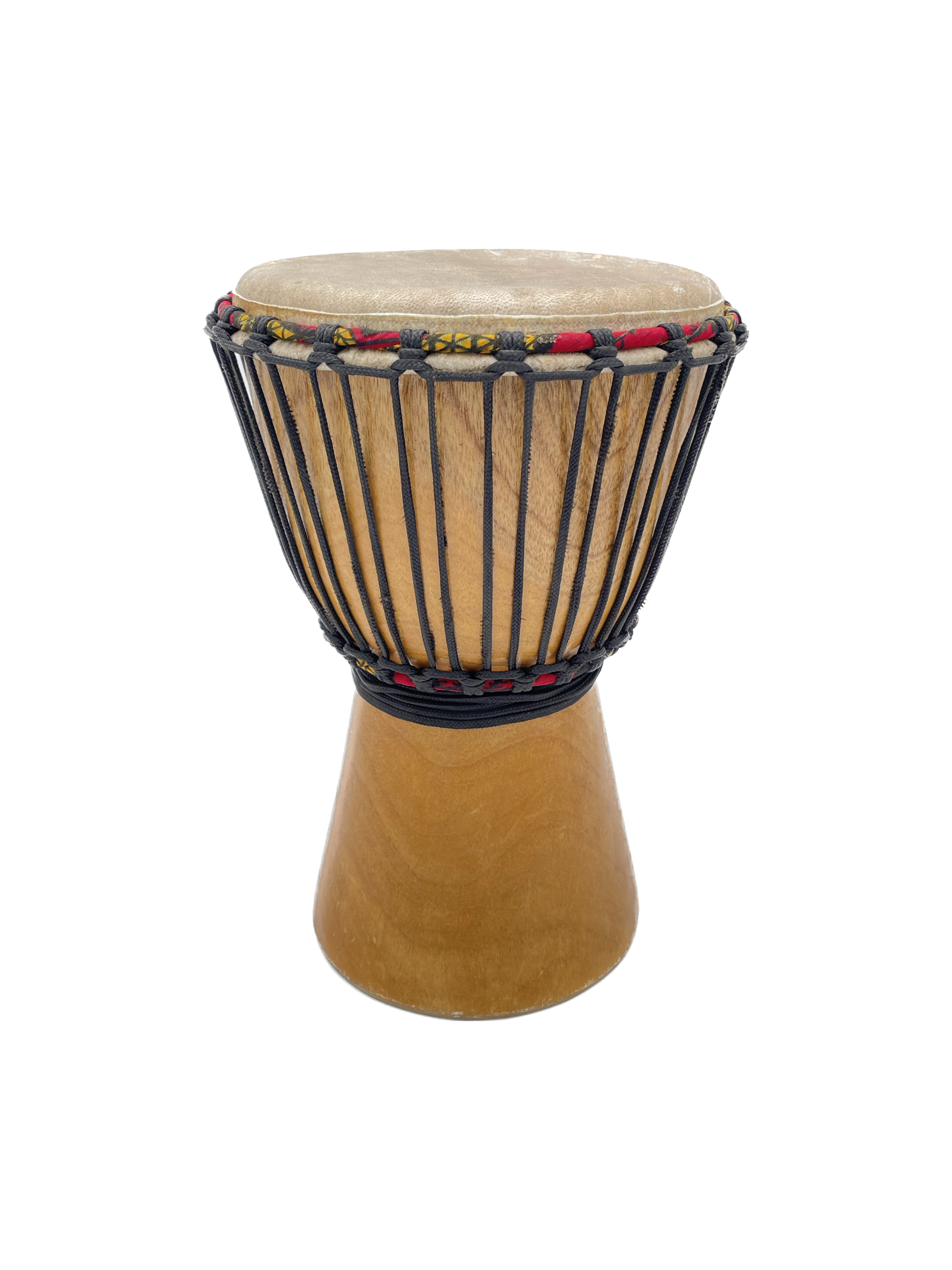
African American Musical Heritage
Music brought from West Africa Oral traditions passed down through generations Rhythms, call and response patterns Foundation for American music genres
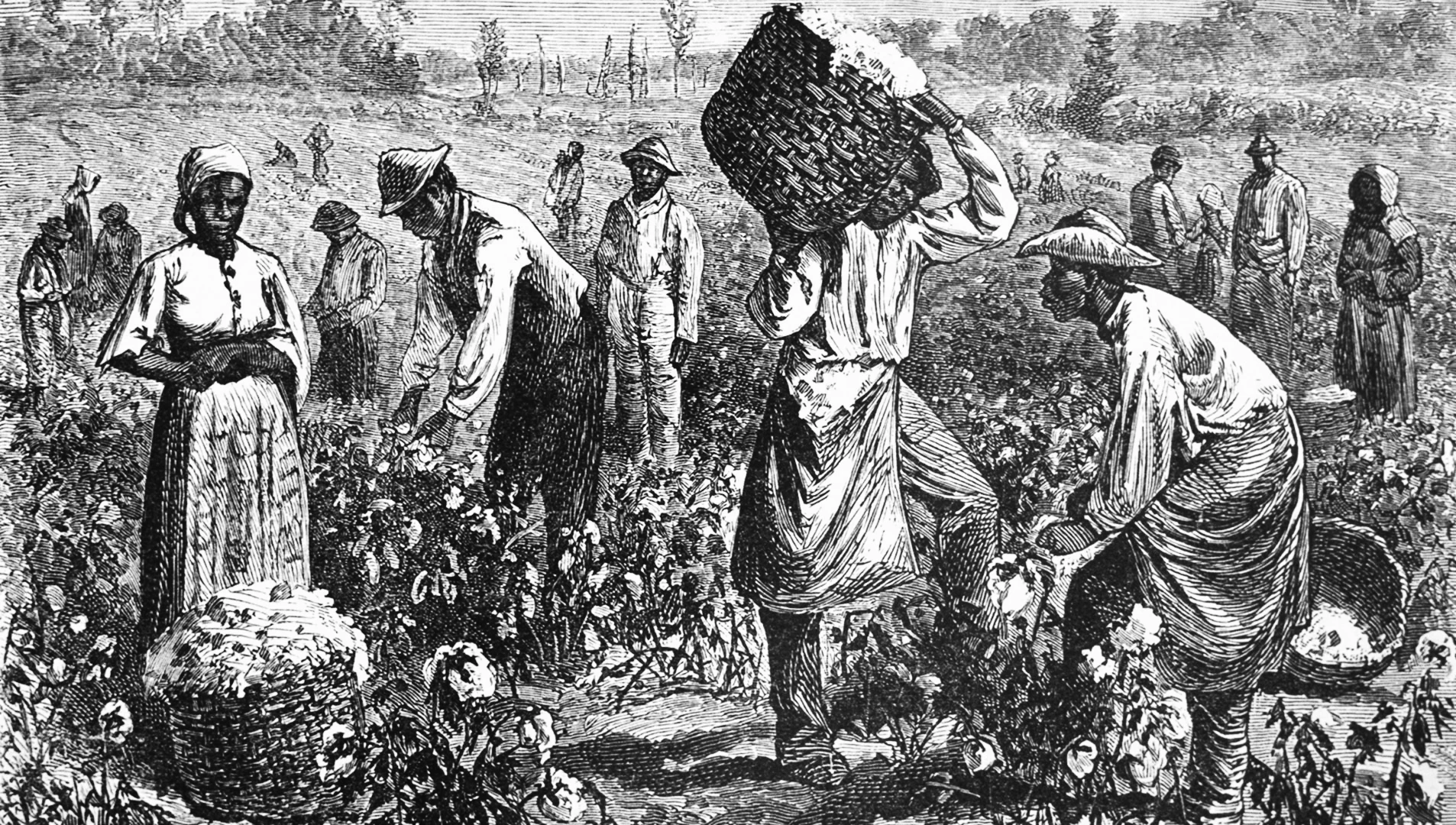
Work Songs and Field Hollers
Songs sung during labor Helped coordinate group work Expressed feelings and experiences Created sense of community

Call and Response Activity
Teacher calls: 'When I say hey' Students respond: 'You say ho' Try different rhythms and patterns Feel the musical conversation

Spirituals - Songs of Faith
Religious songs with deep meaning Often contained hidden messages Expressed hope and perseverance Influenced gospel and soul music

The Birth of Blues
Emerged in the Mississippi Delta Combined work songs, spirituals, and field hollers Expressed personal struggles and emotions Used the blues scale and 12-bar structure
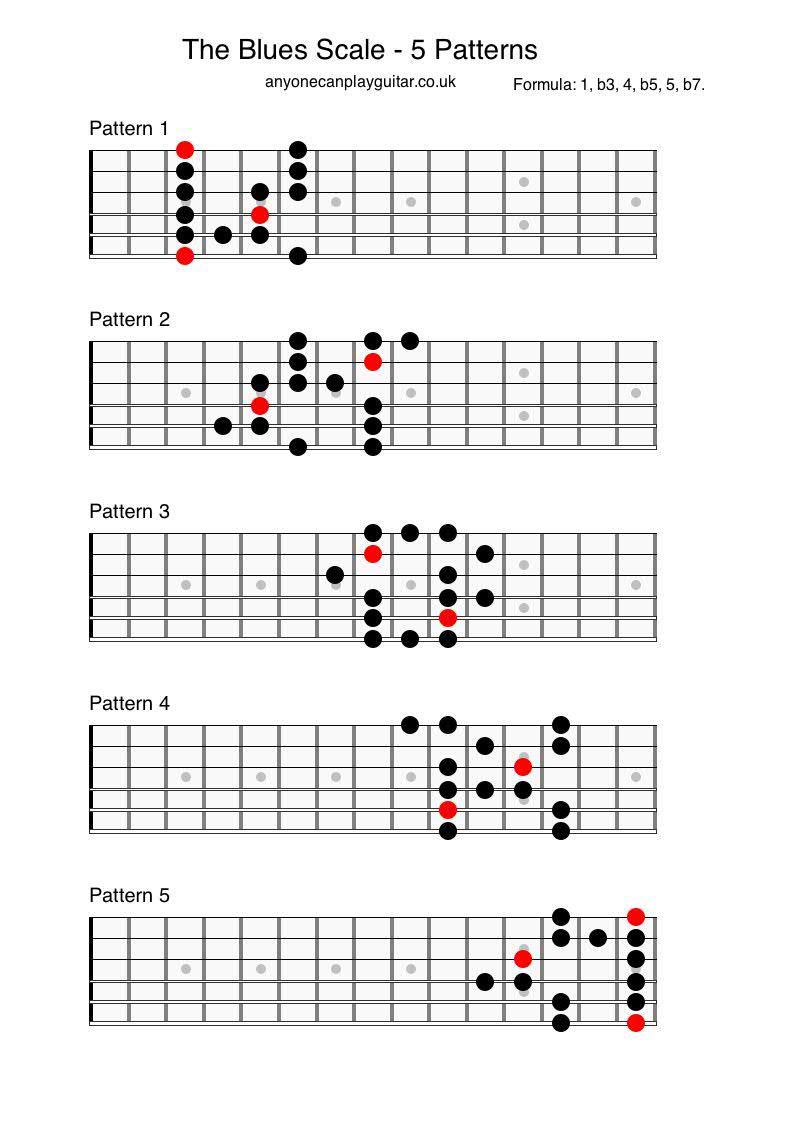
The Blues Scale
Special notes that create the 'blues sound' Flattened 3rd, 5th, and 7th notes Creates emotional, expressive quality Used in many modern music styles

12-Bar Blues Structure
{"left":"Most common blues song form\nThree lines of lyrics\nAAB pattern","right":"12 measures of music\nChord progression: I-I-I-I-IV-IV-I-I-V-IV-I-I\nUsed in thousands of songs"}

New Orleans - Jazz Birthplace
Unique cultural mixing pot African, European, and Caribbean influences Street parades and brass bands Congo Square gatherings
Jazz Improvisation in Action

Key Jazz Instruments
Trumpet - lead melody and solos Saxophone - smooth, expressive sound Piano - harmony and rhythm Double bass - walking bass lines Drums - swing rhythms

Louis Armstrong - Jazz Pioneer
Born in New Orleans, 1901 Master trumpet player and singer Popularized scat singing Brought jazz to worldwide audiences
4 more slides available after you open the deck.
Download all 16 slides