Treaty, Whakapapa and Modern NZ
Understanding our past to shape our future Year 5 Social Studies
WALT: Understand the Treaty of Waitangi
Learn what the Treaty is and why it's important Discover when it was signed Find out who the key people were Success Criteria: I can explain what the Treaty is and name key signatories

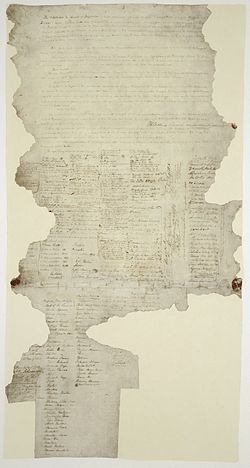
The Treaty of Waitangi - February 6, 1840

Key People in the Treaty
Captain William Hobson - British representative Hone Heke - Important Maori chief Over 500 Maori chiefs signed Each person had different hopes for the future

What is Whakapapa?
Whakapapa connects us to our ancestors, our land, and each other. It shows us where we belong in the world.

WALT: Explore Whakapapa and Family Connections
Understand what whakapapa means Learn why family connections are important in Maori culture Think about our own family stories Ko au ko koe, ko koe ko au - I am you and you are me Reflect: What stories or traditions connect you to your whanau or family? Success Criteria: I can explain whakapapa and share something meaningful about my family connections

Whakapapa: More Than Family Trees
{"left":"Shows family relationships through generations\nConnects people to their ancestors\nLinks families to their land and places","right":"Explains where people belong\nIncludes stories and traditions\nPasses down knowledge and values"}

Family Connection Activity
Draw your own simple family tree Include at least 3 generations if possible Add one special family story or tradition Think about places that are important to your family Extension: Interview a family member about your whakapapa

WALT: Connect the Treaty to Modern New Zealand
Understand how the Treaty affects us today See connections between past and present Think about fairness and partnership Success Criteria: I can give an example of how the Treaty influences modern NZ

Reflection Question
How does understanding the Treaty and whakapapa help us understand modern New Zealand? Think about: - How people from different cultures live together - Why we celebrate Waitangi Day - How families and traditions shape our communities