Understanding Grains: Food Technology Essentials
Year 8 Technology 30-minute lesson New Zealand Curriculum

Let's Start Thinking!
Look around the room and think about your breakfast this morning What foods do you think might contain grains? Share your ideas with a partner

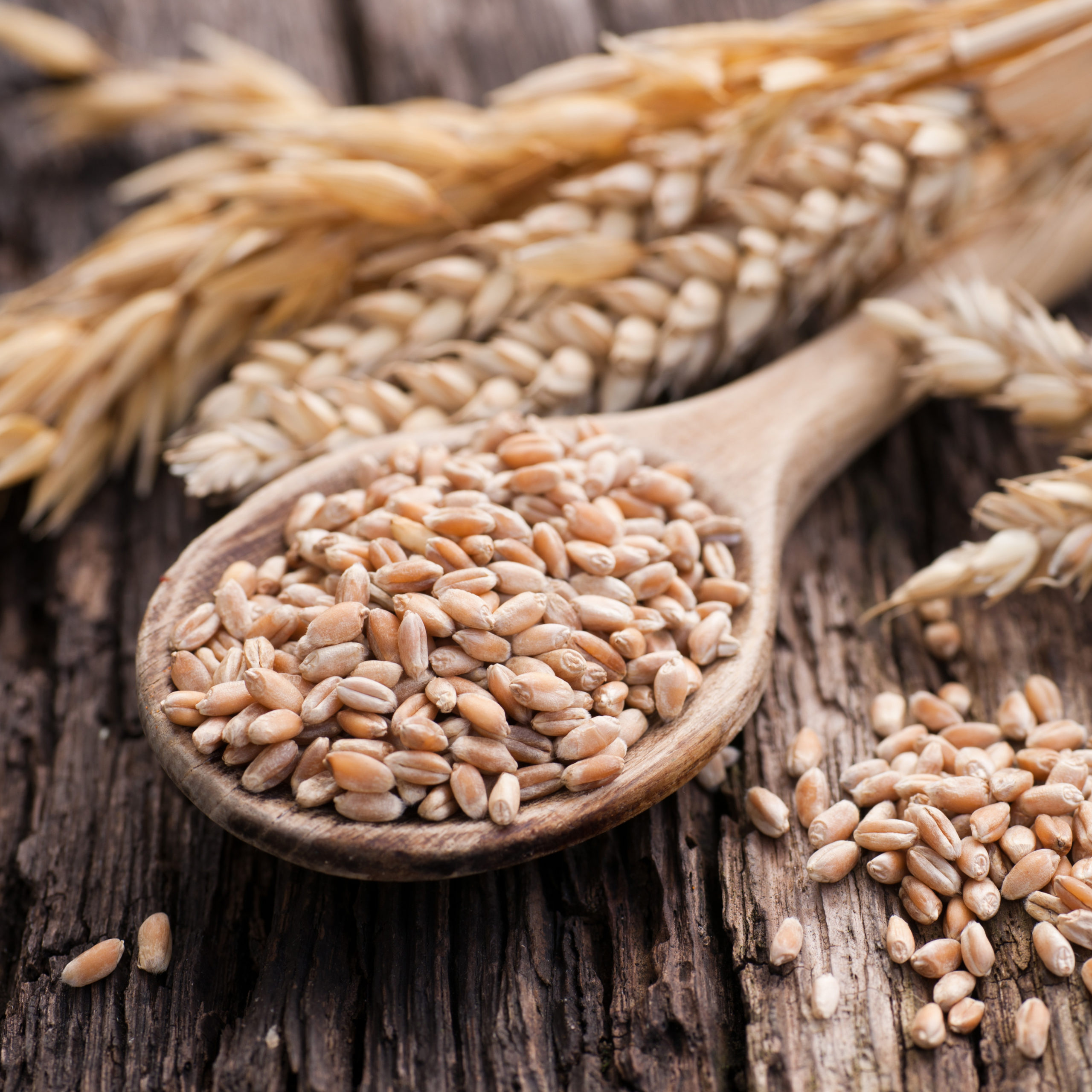
What Are Grains?
Seeds of cereal plants Common grains: wheat, rice, corn, barley, oats, rye, quinoa Found in many everyday foods Essential part of human diet for thousands of years
Grain Detective Challenge
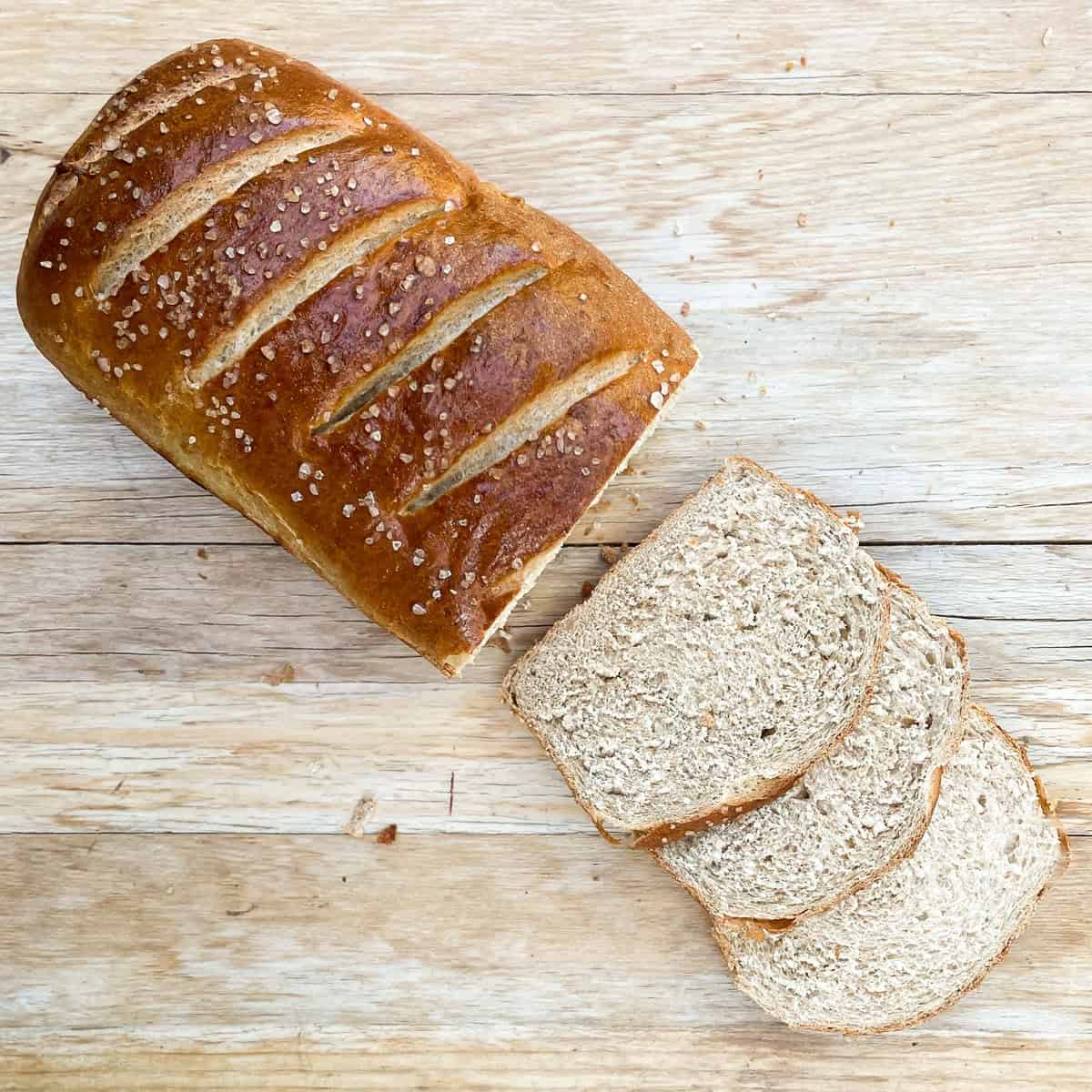
Work in groups of 4-5 students Identify grain-based foods from the picture cards Match each food to its grain source Bonus: Name one nutrient each food provides
Grains in the Food Groups
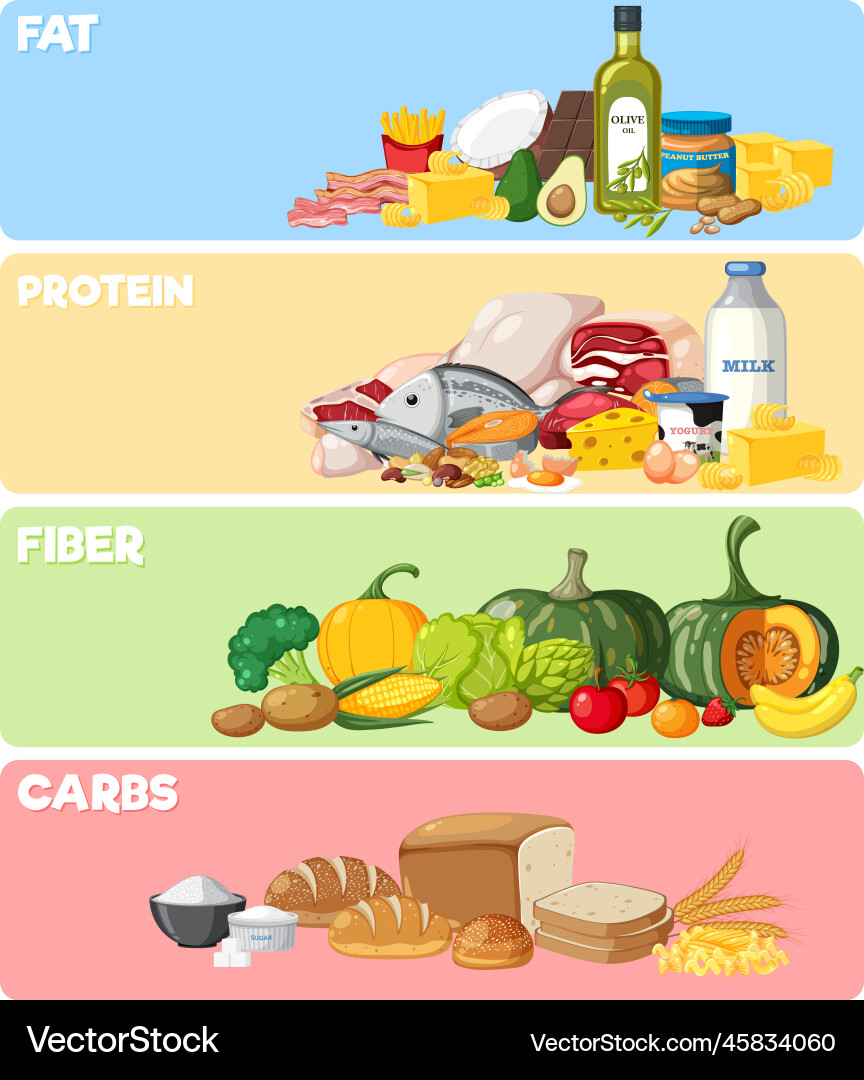
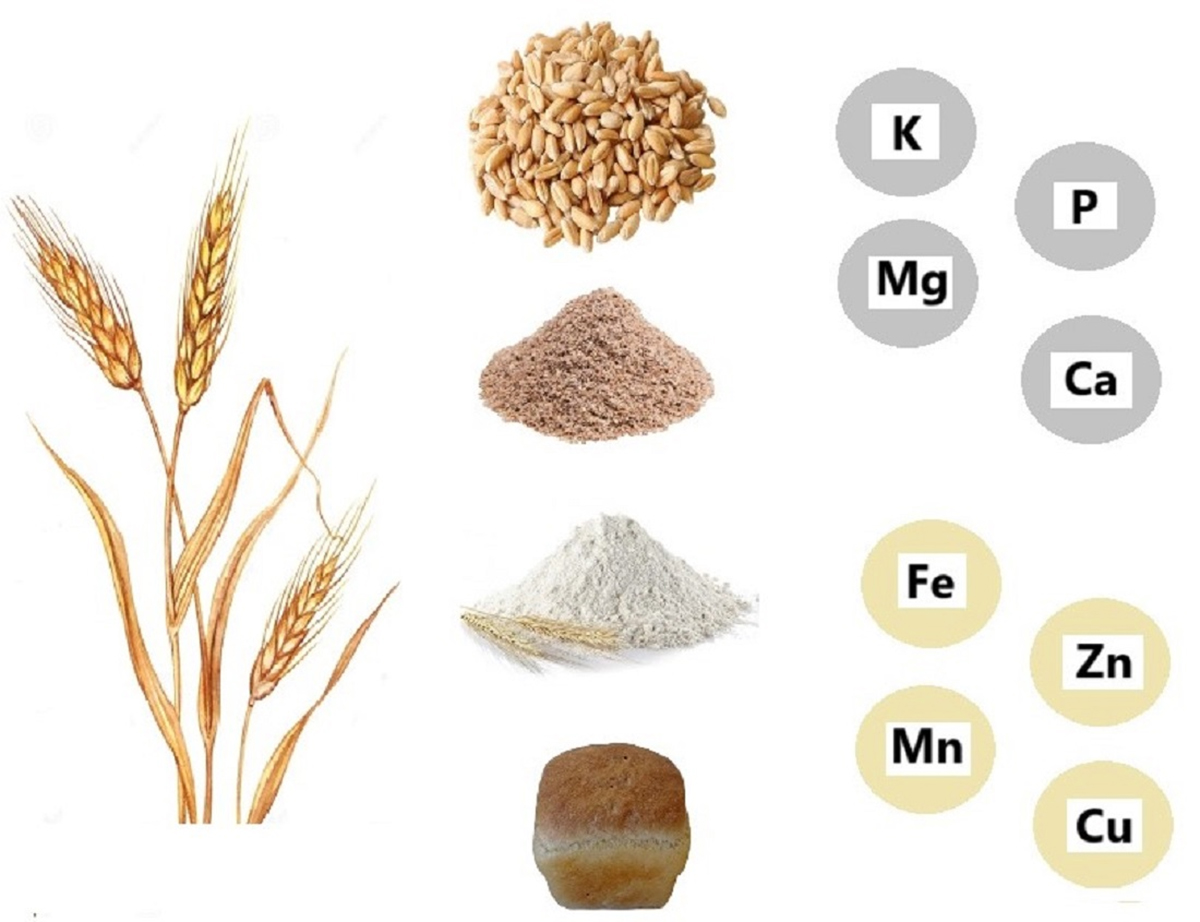
Part of the 'Breads and Cereals' food group Provide carbohydrates for energy Rich in B vitamins (especially folate) Good source of minerals like iron and magnesium Important source of dietary fiber
Two Types of Grains
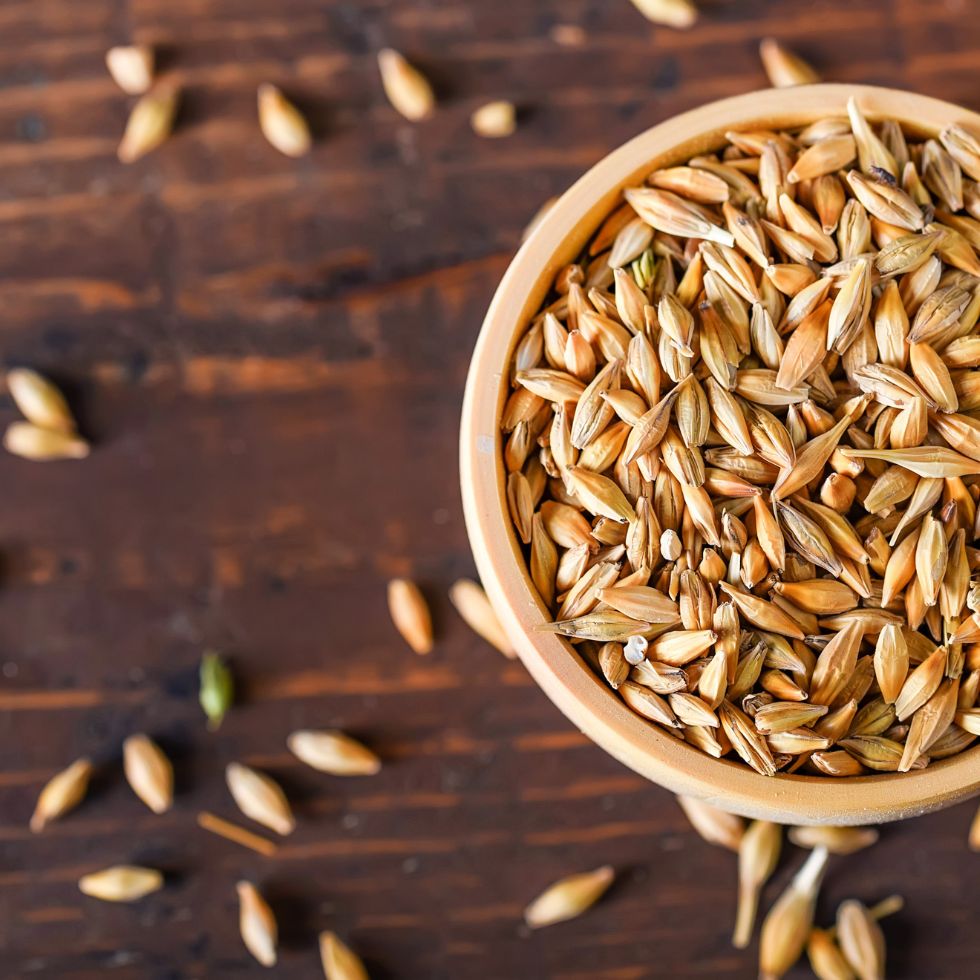
{"left":"Whole Grains\nContains all three parts: bran, germ, endosperm\nHigher in fiber and nutrients\nExamples: brown rice, whole wheat bread, oats","right":"Refined Grains\nBran and germ removed during processing\nLess fiber and fewer nutrients\nExamples: white rice, white bread, regular pasta"}
:max_bytes(150000):strip_icc()/human-digestive-system--artwork-478188239-599d9027685fbe001016b139.jpg)
Why Fiber Matters
"Dietary fiber helps keep our digestive system healthy, makes us feel full longer, and helps prevent constipation."
Wheat and Health: What Research Says
Wheat is nutritious for most people Some people have gluten intolerance or celiac disease For most people, wheat provides important nutrients Whole wheat is better than refined wheat Part of a balanced, healthy diet
Grains in Food Preparation

Quick Assessment & Wrap-Up
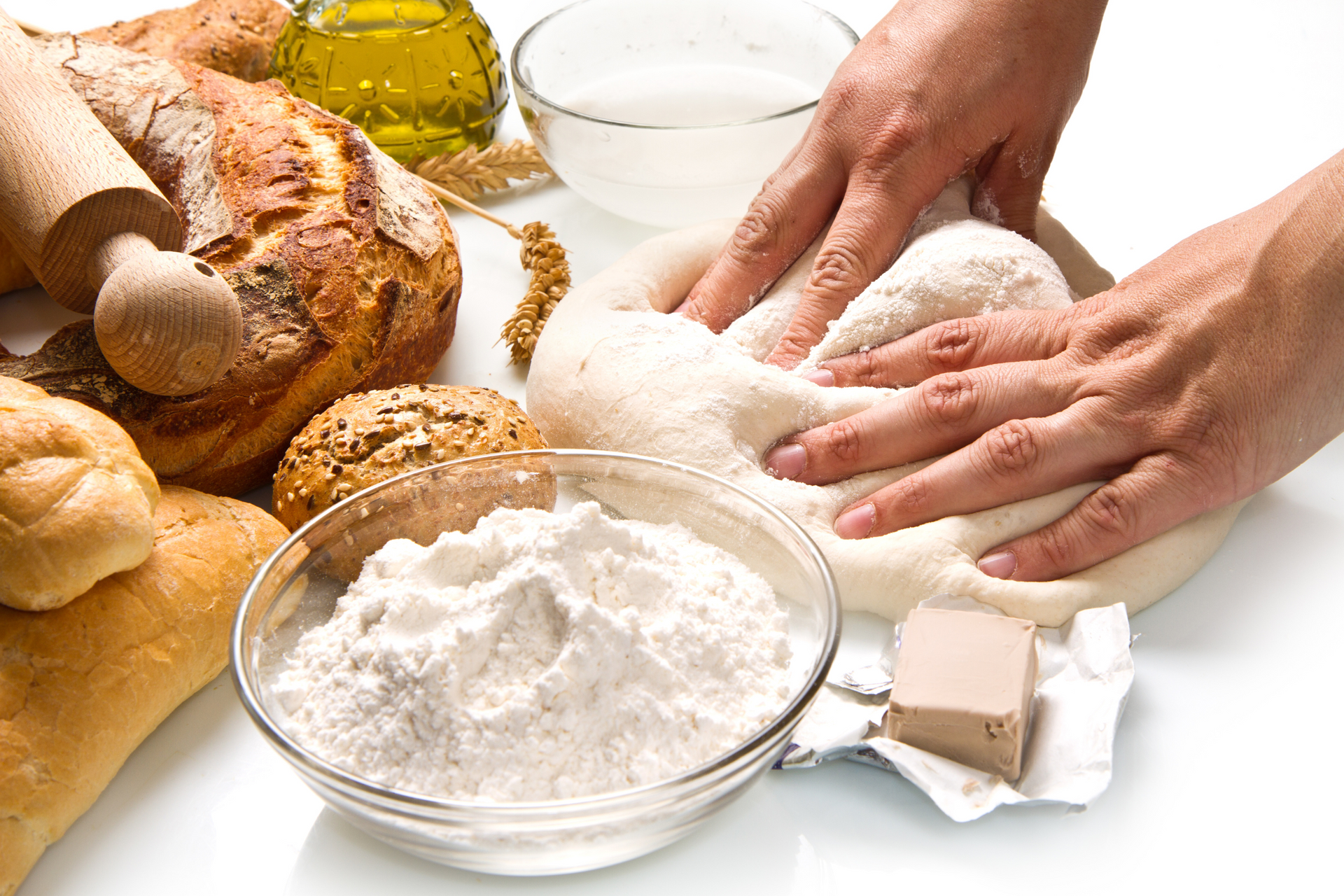
Choose ONE question to answer in writing: 1. What are grains and why are they important for our health? 2. Explain the difference between whole grains and refined grains 3. Name three ways grains can be used in cooking or food preparation